Year: 1980
Runtime: 126 mins
Language: Chinese
Director: Xie Jin
After Party official Wu Yao brands Luo Qun, Song Wei’s fiancé, a right‑wing traitor, Luo is condemned to ten years of hard labor. Disillusioned, Song Wei ends the engagement and later weds Wu. In the post‑Cultural Revolution era, she urges her powerful husband to secure Luo’s rehabilitation, but Wu refuses to reopen political and personal wounds.
Warning: spoilers below!
Haven’t seen Legend of Tianyun Mountain yet? This summary contains major spoilers. Bookmark the page, watch the movie, and come back for the full breakdown. If you're ready, scroll on and relive the story!
Explore the full timeline and setting of Legend of Tianyun Mountain (1980). Follow every major event in chronological order and see how the environment shapes the story, characters, and dramatic tension.
Last updated: February 18, 2026 at 23:22
Meet the key characters of Legend of Tianyun Mountain (1980), with detailed profiles, motivations, and roles in the plot. Understand their emotional journeys and what they reveal about the film’s deeper themes.
Last updated: February 18, 2026 at 23:22
Explore the central themes of Legend of Tianyun Mountain (1980), from psychological, social, and emotional dimensions to philosophical messages. Understand what the film is really saying beneath the surface.
Last updated: February 18, 2026 at 23:22
Browse frequently asked questions about Legend of Tianyun Mountain (1980) focused on characters, relationships, themes, symbols, setting, and story context. This movie info FAQ gives spoiler-aware explanations for character arcs, world details, and thematic interpretation so readers can better understand what the film is really about.
Tianyun Mountain serves as the primary setting and base for the exploration team. The rugged mountain terrain is central to the story's geography, while the nearby Party school functions as a hub for political indoctrination and career advancement. Rural villages surrounding the area expose characters to hardship under campaign politics, creating a contrast between ambition, loyalty, and personal sacrifice in this turbulent region.
The narrative spans from the early 1950s through the 1970s, beginning with fresh graduates joining the Tianyun Mountain Exploration Team. Key events include the Anti-Rightist Movement in 1957 and the aftermath of the Cultural Revolution's end in the late 1970s. This timeframe covers two decades of intense political campaigns, personal upheaval, and the slow reckoning with past injustices.
Song Wei is a bright, ambitious new graduate who joins the Tianyun Mountain Exploration Team. She falls in love with Luo Qun, but political pressure forces their separation. She eventually marries Wu Yao, the Party official who condemned Luo as a rightist. Over two decades, she rises to vice-director in the organization department but remains constrained in real power. Her journey culminates in seeking justice for Luo Qun's wrongful labeling, showing quiet moral courage.
Luo Qun is the idealistic political commissar whose relationship with Song Wei is overshadowed by political campaigns. He is wrongly labeled as a rightist during the Anti-Rightist Movement and endures deprivation and hard labor in a rural village while maintaining his integrity. His story intersects with Feng Qinglan, who eventually marries him in an impoverished but content life together.
The film explores how Song Wei fights to overturn Luo Qun's rightist label, challenging a system that privileges political convenience over truth. Wu Yao's authority poses obstacles meant to bury the case, while higher authorities become the battleground for accountability. The eventual correction of Luo's status arrives too late for some, highlighting the high price of justice within a political machine.
Romance unfolds under the weight of political duty as Song Wei and Luo Qun's relationship is tested by state campaigns. Feng Qinglan's quiet admiration adds another layer of sacrifice, while Wu Yao's power plays complicate personal loyalties. The era's constraints force characters to choose between private happiness and public obligations, often at great personal cost.
Wu Yao is a governmental figure who leads the anti-rightist campaign at Tianyun Mountain. He uses political maneuvering to advance his own power, forcing Song Wei to break with Luo Qun before eventually marrying her. He later occupies high-ranking positions, embodying how personal lives were manipulated for political gain during this era.
Women navigate the male-dominated political landscape with resilience and solidarity. Song Wei, Feng Qinglan, and Zhou Yuzhen form a network of support and courage that sustains them through personal and public crises. Their collaboration demonstrates how female agency can influence outcomes even when power structures resist change.
The film memorializes those who suffered under political campaigns and the long shadow they cast. Feng Qinglan's life endures hardship, becoming a poignant reminder of unintended consequences. The narrative examines what is remembered, what is forgotten, and whether truth can ever fully redeem the past.
Feng Qinglan harbors unspoken admiration for Luo Qun and ultimately leaves the exploration team to join him, marrying him under pressure. Their life together is impoverished but content, a testament to endurance in the face of political turmoil. Feng's sacrifices underscore the personal costs of loyalty to love and duty.
Discover curated groups of movies connected by mood, themes, and story style. Browse collections built around emotion, atmosphere, and narrative focus to easily find films that match what you feel like watching right now.
Love stories torn apart by historical events and societal pressure.Discover movies like Legend of Tianyun Mountain that explore intense love stories shattered by political oppression. If you were captivated by the blend of romance and historical tragedy, you'll find similar emotionally heavy dramas here.
The narrative typically follows a central romantic relationship that is severed or severely tested by external political events, such as a revolution, war, or oppressive regime. The story unfolds over a significant period, showing the long-term consequences of these choices, often culminating in a bittersweet or tragic resolution where personal sacrifice overshadows any political victory.
These films are grouped together because they share a core focus on the intersection of epic romance and political history. They deliver a heavy emotional weight through themes of forced separation, loyalty, betrayal, and the high personal cost of ideological conflicts, all paced with a steady, character-driven rhythm.
Characters haunted by past decisions, seeking redemption in a somber world.Explore movies similar to Legend of Tianyun Mountain that delve into themes of guilt, betrayal, and redemption. If you appreciated the film's heavy emotional weight and reflective tone, this collection of moral dramas is for you.
Stories in this thread follow protagonists grappling with the consequences of a pivotal, morally ambiguous decision from their past. The narrative is often structured as a slow unveiling of guilt and a search for atonement, set against a backdrop that emphasizes the toll of their actions on themselves and others. The ending often provides a partial resolution but is tinged with the lasting pain of the original transgression.
These films are united by their exploration of heavy themes like guilt, betrayal, and the quest for redemption. They share a melancholic, reflective mood, a steady pacing that allows for deep character study, and a consistent tone of bittersweet realism regarding the possibility of truly undoing past wrongs.
Don't stop at just watching - explore Legend of Tianyun Mountain in full detail. From the complete plot summary and scene-by-scene timeline to character breakdowns, thematic analysis, and a deep dive into the ending - every page helps you truly understand what Legend of Tianyun Mountain is all about. Plus, discover what's next after the movie.
Read a complete plot summary of Legend of Tianyun Mountain, including all key story points, character arcs, and turning points. This in-depth recap is ideal for understanding the narrative structure or reviewing what happened in the movie.
Track the full timeline of Legend of Tianyun Mountain with every major event arranged chronologically. Perfect for decoding non-linear storytelling, flashbacks, or parallel narratives with a clear scene-by-scene breakdown.
Discover movies like Legend of Tianyun Mountain that share similar genres, themes, and storytelling elements. Whether you’re drawn to the atmosphere, character arcs, or plot structure, these curated recommendations will help you explore more films you’ll love.
Legend of Tianyun Mountain (1980) Plot Summary & Movie Recap
Legend of Tianyun Mountain (1980) Scene-by-Scene Movie Timeline
Legend of Tianyun Mountain (1980) Spoiler-Free Summary & Key Flow
Movies Like Legend of Tianyun Mountain – Similar Titles You’ll Enjoy
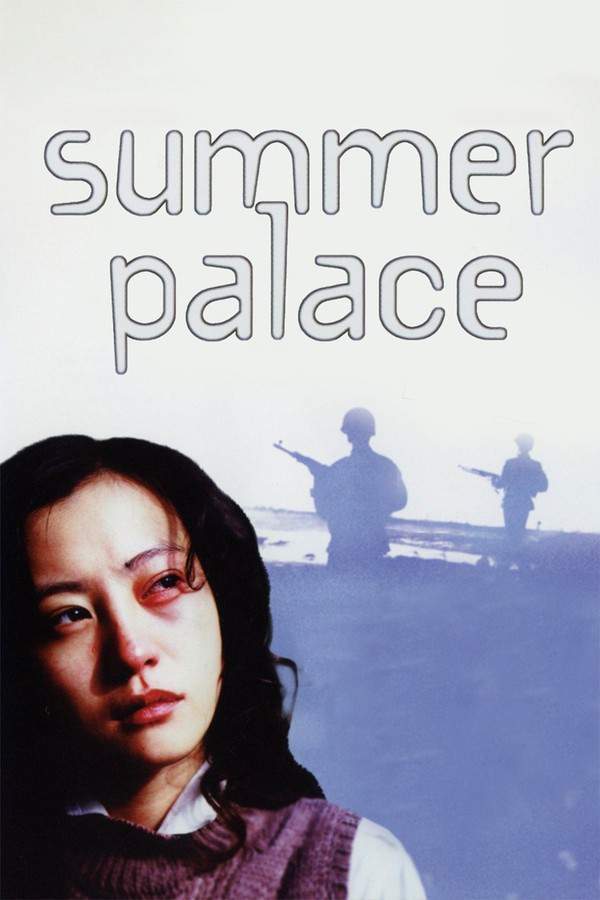
Summer Palace (2008) Film Overview & Timeline
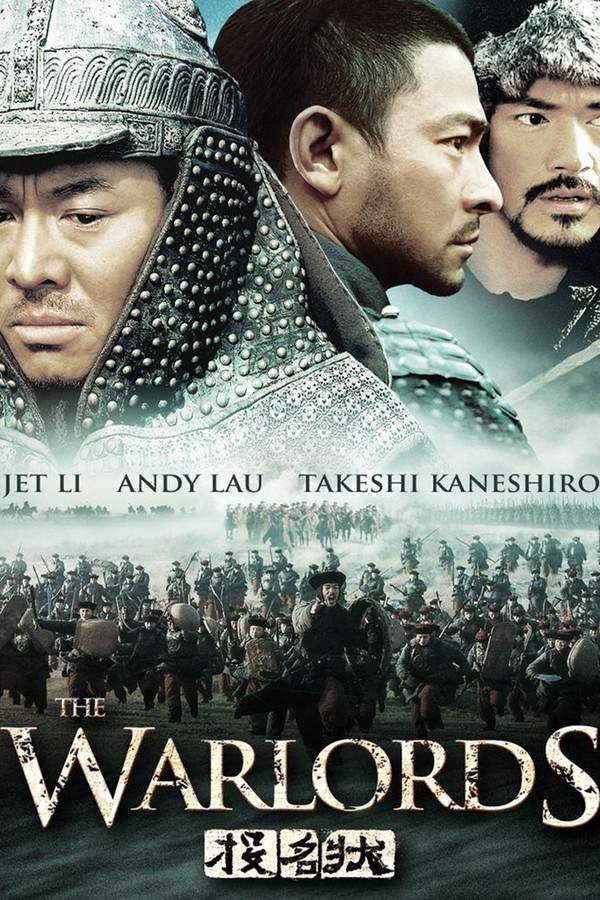
Warlords (2010) Story Summary & Characters
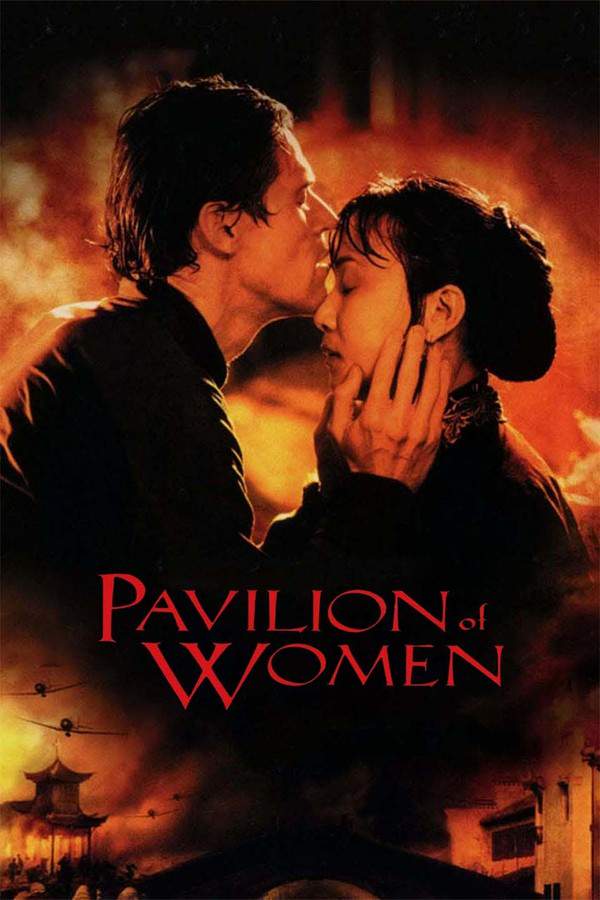
Pavilion of Women (2001) Movie Recap & Themes
Dwelling in the Fuchun Mountains (2019) Complete Plot Breakdown
The Knot (2006) Film Overview & Timeline
China Cry (1990) Ending Explained & Film Insights
Song of Tibet (2000) Ending Explained & Film Insights
Romance on Lushan Mountain (1980) Full Movie Breakdown
Legend of Fei (1000) Plot Summary & Ending Explained
The Romance of Book and Sword (1987) Story Summary & Characters
Legend of Fei (1000) Complete Plot Breakdown
Mr. Wu (1927) Film Overview & Timeline
The Black Enforcer (1972) Ending Explained & Film Insights
Plunder of Peach and Plum (1934) Full Summary & Key Details
Tai-Chi Master (1993) Ending Explained & Film Insights