Plot Explained Spoilers guaranteed!
Plot Explained

Browse by genre

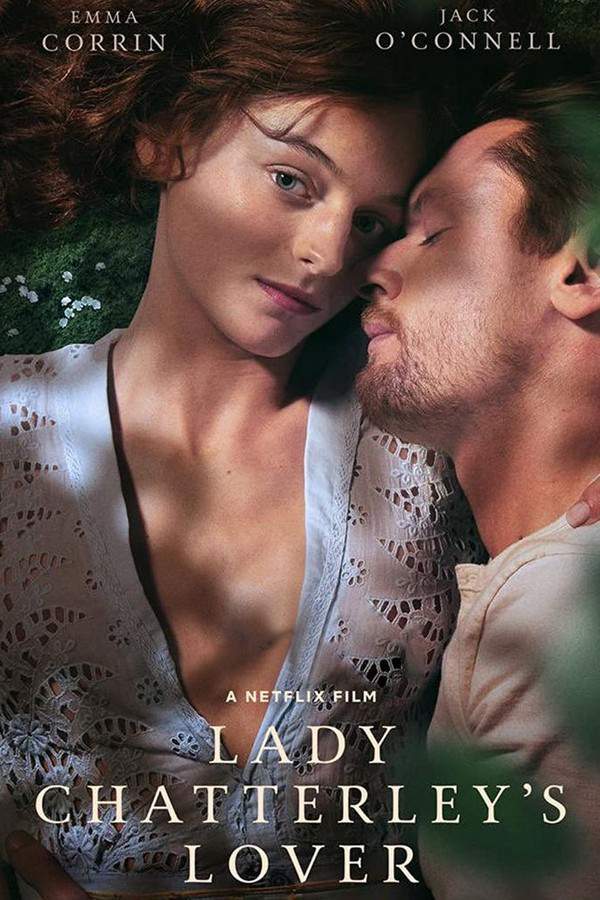
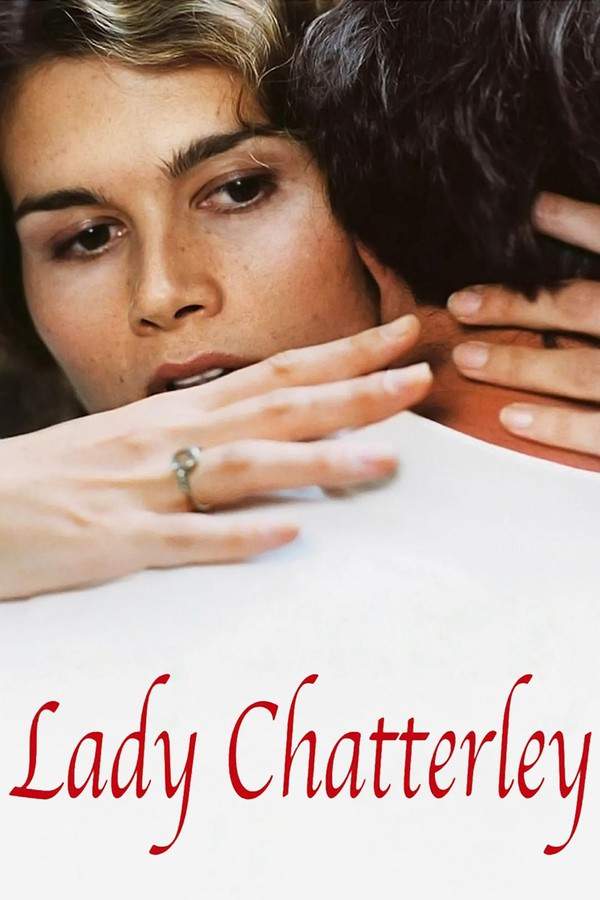
Lady Chatterley (2007) movie poster

Plot Summary

Lady Chatterley (2007) Plot Summary Explained

Release, runtime and language
2007 · 168 min · French
JustWatch #29,991 5
Directed by
Pascale Ferran

Constance Chatterley finds herself trapped in a loveless marriage to Sir Clifford, a man physically and emotionally scarred by the war. Living within the confines of their grand English estate, she seeks fulfillment beyond the limitations of her privileged but stifling life. A passionate and unexpected affair with Parkin, a gamekeeper, ignites a profound connection that challenges social conventions and awakens her to the joys of physical and emotional intimacy.

On this page (7)
  1. 1 Where to watch
  2. 2 What happens: full plot
  3. 3 Plot questions answered
  4. 4 The book behind the movie
  5. 5 Movie threads
  6. 6 Movies like Lady Chatterley
  7. 7 Every angle

Where to watch

Where to Watch Lady Chatterley (2007)

Where can you watch Lady Chatterley? Stream, rent or buy it in the US, including on Hoopla and Kanopy: current JustWatch availability with up-to-date prices.

Streaming availability powered by JustWatch

Full plot summary · contains spoilers

What Happens in Lady Chatterley: Full Plot Summary

The whole story of Lady Chatterley (2007) explained, from the opening scene to the final frame: every key event, every twist and what it all adds up to. Read it as a quick recap before the sequel, to check a scene you missed, or to finally understand what really happened.

In a quaint English country house, Sir Clifford Chatterley resides with his wife, Constance. After suffering severe injuries in World War I, he finds himself paralyzed from the waist down, reliant on a wheelchair. While Constance strives to fulfill her role as a devoted wife, her husband remains emotionally distant, leaving her feeling empty and disconnected.

One fateful day, when the maid falls ill, Constance takes it upon herself to seek out Parkin, the gamekeeper, for some pheasants to serve at dinner. As she approaches his hut nestled in the woods, she catches sight of him, half-naked and washing, a sight that leaves her both intrigued and unsettled.

Plagued by a deepening depression that her doctor insists has no physical cause, Constance is encouraged to take control of her life, unlike her mother did before her. Upon learning that the first daffodils have appeared in the woods, she decides to gather some, but soon finds herself exhausted and in need of rest. Reluctantly, Parkin allows her to take a break on the steps of his hut, where she eventually dozes off. Feeling a newfound sense of peace there, Constance resolves to visit more often and inquires about a duplicate key. Despite her husband's insistence that he does not have one, she turns to Parkin, who, as an employee, eventually accommodates her request.

Constance begins frequenting the hut, gradually growing interested in Parkin's quiet life. One day, while holding a newly hatched pheasant chick, she is suddenly overcome with emotion, leading to tears. Parkin, sensing her vulnerability, comforts her, which unexpectedly evolves into a passionate encounter. Although initially anxious after their brief union, Constance feels an exhilarating sense of liberation and begins to sought after Parkin for more intimate meetings. As their encounters progress, they share increasingly gentle and passionate moments, even frolicking together in the rain, adorning each other with flowers.

The situation takes a turn when Sir Clifford confronts Constance with rumors of her potential pregnancy, an allegation she firmly denies. Their conversation veers towards the topic of her possibly conceiving a child with another man, which could provide them both with much-desired offspring. She contemplates this notion as she prepares for a holiday with her family in the Mediterranean.

In newfound vigor, Sir Clifford invests in a motorized wheelchair, allowing him into the woods, though he faces complications when it becomes stuck. Embittered, he refuses assistance until both Constance and Parkin push him home together.

Before embarking on her holiday, Constance spends a sleepless night with Parkin in his cottage, which has been stripped of all memories of his wife, who has chosen to live with another man. Constance reveals to him her inheritance from her late mother and expresses her desire to buy him a small farm for his independence.

However, while away, Constance receives a letter from Sir Clifford's nurse, revealing local gossip, including the return of Parkin's wife, who was cast out by her lover. After a court ruling, Parkin learns he must divorce her first to regain control of his life.

Upon returning to England, Constance discovers that Sir Clifford has made strides towards a more ordinary existence, even managing to walk using crutches. Unfortunately, she also hears that Parkin had been involved in a scuffle with his wife’s lover, resulting in his termination as gamekeeper.

In a visit to Parkin, Constance reveals that she is pregnant, but he is dismayed, realizing that under the law, the child will be considered the property of Sir Clifford. Stripped of his job and home, Parkin is forced to live with his mother and search for factory work. He considers emigrating to Canada, though Constance disagrees, longing to keep him close. Ultimately, he tentatively accepts her offer to buy him a small farm, agreeing that they must part ways until after the baby is born. He expresses his hope that if she chooses to leave Sir Clifford then, he will be ready to take her in.
Last updated: November 15, 2024 at 20:16

Was this helpful?

Plot questions answered

Lady Chatterley Plot Explained: Your Questions Answered

The questions people ask most about Lady Chatterley (2007): what happens in the confusing scenes, why the characters do what they do, the twists, hidden details and what the ending means. Each answer contains spoilers.

Q1

Why does Constance start visiting Parkin so often?

Constance begins visiting Parkin after experiencing deepening depression and feeling empty in her marriage to the emotionally distant Sir Clifford. During a walk to gather daffodils, she becomes exhausted and rests on Parkin's hut steps, finding a sense of peace there that she lacks at the estate. She requests a duplicate key and continues returning, drawn to the tranquility of his simple life and eventually forming an emotional connection that evolves into romance.

  • constance depression
  • emotional connection
  • parkin relationship
  • isolation
Q2

How does Constance and Parkin's affair begin?

The affair begins when Constance visits Parkin's hut to get pheasants for dinner and unexpectedly sees him half-naked and washing, stirring intrigue within her. Later, during a visit where she holds a newly hatched pheasant chick, she becomes overwhelmed with emotion and cries. Parkin comforts her, and this moment of vulnerability transforms into their first passionate encounter, marking a turning point in Constance's emotional awakening.

  • first encounter
  • parkin half naked
  • emotional moment
  • affair beginning
Q3

Why does Sir Clifford accept the idea of Constance having another man's child?

Sir Clifford raises the possibility of Constance conceiving a child with another man because he desires an heir but is physically unable to father children due to his war injuries. Rather than viewing such a scenario as betrayal, he sees it as a practical solution to their shared problem, he would gain an heir while Constance would have a child. This conversation occurs after rumors circulate about her potential pregnancy.

  • sir clifford
  • heir
  • paralysis
  • pregnancy possibility
Q4

Why does Parkin lose his position as gamekeeper?

Parkin loses his job after getting into a scuffle with his wife's lover. When Parkin's wife returns after being cast out by her lover, the situation escalates into violence, resulting in Parkin's termination from his position as gamekeeper at the estate.

  • parkin fired
  • wife lover fight
  • job loss
Q6

Why does Parkin consider emigrating to Canada?

After losing his job and home, Parkin is forced to move in with his mother and seek factory work. Feeling stripped of his dignity and future prospects, he considers emigrating to Canada as a way to start fresh and escape the humiliation of his circumstances, though Constance hopes he will remain in England.

  • emigration
  • canada
  • factory work
  • loss of dignity
Q7

How does Sir Clifford's condition improve by the end?

When Constance returns from her Mediterranean holiday, she discovers that Sir Clifford has made significant progress, he is now able to walk using crutches. This improvement represents a dramatic change from his earlier reliance on a wheelchair, though the exact cause of this recovery is not detailed in the narrative.

  • sir clifford walking
  • crutches
  • physical improvement
Q8

What is the significance of Constance obtaining a duplicate key to Parkin's hut?

The duplicate key represents Constance's growing independence and her deliberate choice to pursue a secret life separate from her constrained existence at the estate. After her husband claims not to have a key, she asks Parkin for one, and he eventually complies as an employee. This key symbolizes her transition from a depressed, passive wife to an active seeker of fulfillment and intimacy.

  • duplicate key
  • independence
  • secret meetings
  • freedom
Q9

Why does Constance want to buy Parkin a farm?

Constance wants to buy Parkin a small farm to give him independence and a fresh start after he loses his job and home. She offers this using inheritance from her late mother, viewing it as a way to support him financially and symbolically redeem their difficult situation. The farm represents her commitment to building a future together outside the constraints of the estate.

  • farm purchase
  • inheritance
  • independence
  • financial support
Q10

What is the resolution between Constance and Parkin at the end?

Constance and Parkin agree to part ways temporarily until after the baby is born. Parkin reluctantly accepts Constance's offer to buy him a farm, hoping that after the child arrives, she will choose to leave Sir Clifford and be with him. The ending is bittersweet, Constance has found hope through her pregnancy, but their future together remains uncertain and dependent on her eventual decision.

  • separation
  • baby born
  • future together
  • hope

Movie threads

More Movies Like Lady Chatterley, by Mood & Story

Curated lists built around what makes Lady Chatterley tick: the same mood, the same kind of story or the same emotional payoff. Each list explains why these movies belong together.

Class-Defying Romance Movies Like Lady Chatterley

Heartfelt stories where love blossoms despite rigid social hierarchies. Explore more movies like Lady Chatterley that feature passionate, forbidden romances across rigid class divides. These stories focus on the intense emotional and social conflict that arises when love challenges societal norms and expectations.

  • passionate
  • yearning
  • oppressive
  • liberating
  • melancholic
  • forbidden
  • Tone: bittersweet, passionate
  • Pacing: slow, character-driven
Why these movies?

The story pattern: These stories typically unfold as a quiet discovery of intimacy between characters from different social worlds, leading to a passionate affair that must be kept secret. The central conflict involves navigating the oppressive weight of societal expectations versus the liberating power of authentic connection, often resulting in a precarious balance between personal happiness and public consequence.

Why they belong together: Movies are grouped here for their shared focus on love as a force of rebellion against social structure. They possess a similar melancholic yet passionate tone, a deliberate pacing that allows the relationship to develop authentically, and a thematic exploration of liberation through forbidden intimacy.

Movies About Emotional Awakening Like Lady Chatterley

Contemplative journeys of characters breaking free from stifling lives. If you liked Lady Chatterley's journey of liberation, find more films about quiet emotional awakenings from stifling circumstances. These character-driven stories share a reflective pace and explore the bittersweet joy of personal rebirth.

  • melancholic
  • yearning
  • liberating
  • sensual
  • lonely
  • reflective
  • Tone: melancholic, liberating, bittersweet
  • Pacing: slow, contemplative
Why these movies?

The story pattern: The narrative pattern follows a protagonist living a life of quiet desperation within a gilded cage—be it a marriage, a social role, or a physical space. A catalyst, often a person or a new experience, introduces them to emotional and physical intimacy, igniting a slow but steady process of self-discovery that challenges their entire worldview and demands difficult choices.

Why they belong together: These films are connected by a shared mood of melancholic yearning giving way to sensual liberation. They feature similar slow pacing that mirrors the internal process of awakening, a medium emotional weight that deals seriously with personal confinement, and a bittersweet tone that acknowledges both the cost and the reward of change.

If you liked this

Movies Like Lady Chatterley

Similar movies to Lady Chatterley: the same genre, themes or kind of story. Each one comes with its own plot summary, timeline and ending explained.

Browse all movie summaries

Every angle

Lady Chatterley (2007) Explained: Plot, Timeline & Characters

Everything about Lady Chatterley in one place: what happens in the plot summary, the timeline in chronological order, the characters and meaning and a spoiler-free summary. What's After the Movie adds the cast, box office and post-credit scenes.

Coming soon on iOS and Android

The Plot Explained Movie Summary App

Plot summaries, endings explained and timelines on your phone. Catch up on any movie in minutes, save your favorites and never miss a twist again.

Be the first to know when we launch. Your email stays private, always.

Learn more about the app