Plot Explained Spoilers guaranteed!
Plot Explained

Browse by genre

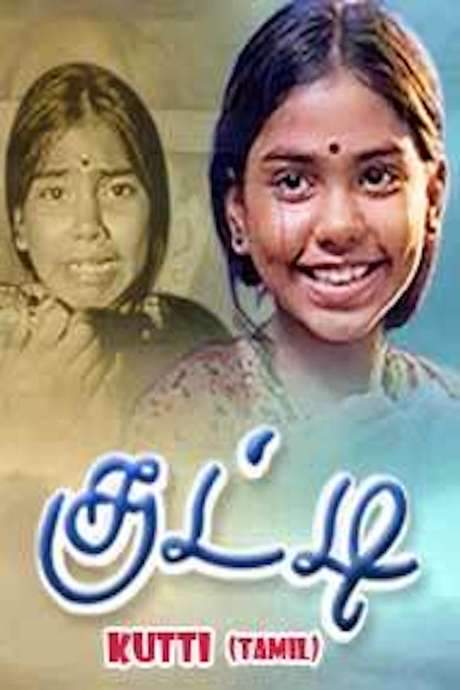
Kutty (2001) movie poster

Characters & Themes

Kutty (2001) Characters, Setting & Themes Explained

Release, runtime and language
2001 · 118 mins · Tamil
Directed by
Janaki Vishwanathan
Starring
Easwari Rao, Nassar, Ilavarasu, Ramesh Aravind, Vivek, Kalairani

The story follows a tender‑hearted girl whose world is shattered when her potter father, Paavaadai (Nassar), a humble artisan on the outskirts of Madurai, dies in an accident. Though he cherished dreams for his daughter Kannammaa (Baby Swetha) and raised her with love, his death forces her into child labour, sending her to work for an urban family to survive the tragedy that struck her own home.

On this page (6)
  1. 1 Characters explained (4)
  2. 2 Where & when it takes place
  3. 3 Themes & meaning (4)
  4. 4 Character & meaning questions
  5. 5 Movie threads
  6. 6 Every angle

4 main characters · contains spoilers

Kutty Characters Explained: Who Is Who

The main characters of Kutty (2001), heroes and villains: what drives them, how they change over the course of the story and what each of them reveals about the film's bigger ideas.

  • Kannammaa (Kutty)

    played by P. Shwetha

    Kannammaa, a young girl, is pulled from her rural life when her father dies and she is sent to work in an urban household. She experiences kindness from the couple but faces mistreatment from the mother-in-law, and she witnesses a coworker’s tragedy that deepens her fear. She longs to return to her village and mother, and the story follows her attempts to seek help, even as she boards a train toward an uncertain future.

    • 👧 Child
    • 🧩 Vulnerability
    • 💔 Trauma
  • Pavadai

    played by Nassar

    Pavadai is a potter by trade in the rural village near Madurai, who provides love and hope to his daughter Kannammaa. He dies in an accident, leaving Kutty to cope with loss and thrust into urban labor. His death triggers the central conflict and underscores rural poverty.

    • 👨‍👧 Father-Daughter Bond
    • 💔 Loss
    • 🏡 Rural Life
  • Viruthamba

    played by S. N. Lakshmi

    Viruthamba is Pavadai's mother, the elder who becomes the controlling grandmother figure in Kutty's life. She alternates between seeming kindness to Kutty's relatives and mistreating the girl, reflecting a harsh domestic power dynamic. Her actions shape Kutty's sense of safety within the urban home.

    • 👵 Grandmother
    • 🗝️ Control
    • 🧱 Domestic tension
  • Owner of provision store

    played by Vivek

    A kind shopkeeper who offers help to Kutty when she seeks assistance. He acts as a bridge between her vulnerability and potential support, though his help is limited by larger social forces. He represents a small ray of humanity in an indifferent urban landscape.

    • 🤝 Help
    • 🏪 Small business
    • 🧭 Guidance

Last updated: October 04, 2025 at 11:53

Was this helpful?

Setting

Where and When Does Kutty Take Place?

The setting of Kutty (2001): the year and time period, the places and locations, and how they shape the characters, the mood and the tension of the story.

Time period

Set in a contemporary Indian setting, the film juxtaposes rural livelihoods with urban mobility. It reflects current social realities, including child labor and fragile family dynamics. The narrative relies on everyday settings—villages, apartments, and trains—to tell a story rooted in modern life.

Location

Outskirts village near Madurai, Mumbai

Kutty's story unfolds between a rural village on the outskirts of Madurai and an urban home in the city. The contrast highlights the prosperity gap and the vulnerability of a child drawn into labor. The train-bound journey to Mumbai signals a looming, uncertain future.

  • 🏞️ Village outskirts
  • 🏙️ Urban setting
  • 🧭 Social issues

Last updated: October 04, 2025 at 11:53

Was this helpful?

4 major themes

Kutty Meaning: Themes & Message Explained

What is Kutty (2001) really about? The emotional, social and philosophical themes the film keeps returning to, its symbolism and the message beneath the surface.

  • Child Labor

    Kutty is forced to work for an urban family after her father's death, illustrating how children are pushed into labor beyond their years. The arrangement exposes her to hunger, neglect, and the harsh hierarchies within a host household. The theme highlights the vulnerability of young girls in precarious economic contexts.

  • Family Dynamics

    The film centers on a multi-generational power dynamic within the host family, where the elder matriarch exercises control and mistreats Kutty despite occasional kindness. The contrast between the loving father and the oppressive grandmother reveals how affection is unevenly distributed. Kutty's silence, fear, and longing to return home underscore the emotional costs of family strain.

  • Trafficking Risk

    The narrative foreshadows trafficking danger as Kutty is steered toward a train bound for Mumbai under false promises. The depiction of a broker and the ominous train journey signals a grim fate beyond the city walls. The uncertainty of her destination translates to a looming threat of exploitation.

  • Resilience & Hope

    Amid hardship, Kutty's resolve to reach her mother and village conveys a quiet resilience. Small acts of kindness from the store owner and glimpses of solidarity hint at hope within a bleak system. The ending, with Kutty's face shown in expectation, preserves a thread of longing for home.

Last updated: October 04, 2025 at 11:53

Was this helpful?

Character & theme questions

Kutty Characters & Meaning: Your Questions Answered

The questions people ask about Kutty (2001): who the characters really are, their relationships, what the symbols mean, where it takes place and what the movie is really about. Each answer contains spoilers.

Q1

Where is the movie set?

The story unfolds in two contrasting settings: a rural village on the outskirts of Madurai where Kutty lives with her potter father, and an urban environment where she is sent to work. The journey takes her toward Mumbai, representing the transition from rural poverty to uncertain urban exploitation.

  • madura
  • village
  • urban
  • mumbai
  • setting
  • locations
Q2

What time period does the film take place in?

The film is set in contemporary India, reflecting current social realities including child labor and fragile family dynamics. While no specific year is mentioned, the narrative portrays modern-day India with its rural-urban divide and ongoing social issues.

  • contemporary
  • modern
  • time period
  • india
Q3

What are the main themes of the movie?

The film explores several interconnected themes: child labor and exploitation, harsh family dynamics within the host household, the looming threat of trafficking as Kutty is sent toward Mumbai, and the resilience and hope of a child longing to return home. These themes create a dark, emotionally heavy narrative about vulnerability and survival.

  • themes
  • child labor
  • trafficking
  • family dynamics
  • resilience
  • hope
Q4

Who is Kutty and what is her role in the story?

Kutty (real name P. Shwetha) is a young girl whose world collapses when her potter father Pavadai dies in an accident. Forced into child labor, she is sent to work for an urban family where she experiences both kindness from the couple and mistreatment from the grandmother. She longs to return to her village and mother, representing the vulnerability of children in precarious economic situations.

  • kutty
  • kannammaa
  • protagonist
  • child labor
  • girl
Q5

Who is Pavadai and why is his death significant?

Pavadai (played by Nassar) is a potter in the rural village near Madurai who raises his daughter Kannammaa with love and hope. His death in an accident triggers the central conflict of the film, forcing Kutty into urban child labor to survive. His love contrasts sharply with the oppression she faces later, underscoring the loss of paternal protection.

  • pavadai
  • father
  • death
  • potter
  • nassar
Q6

Who is Viruthamba and what role does she play?

Viruthamba is Pavadai's mother, making her Kutty's grandmother. Within the urban host household, she becomes the controlling matriarch who alternates between seeming kindness to relatives and actively mistreating Kutty. She represents the harsh power dynamics and emotional abuse that children face in exploitative domestic situations.

  • viruthamba
  • grandmother
  • matriarch
  • abuse
  • family dynamics
Q7

What does the movie say about child labor?

The film portrays child labor as a devastating reality that robs children of their childhood. After her father's death, Kutty is pushed into labor beyond her years, where she faces hunger, neglect, and harsh hierarchies within the host household. The theme highlights the vulnerability of young girls in precarious economic contexts and the systemic cruelty of forcing children into work.

  • child labor
  • exploitation
  • vulnerability
  • poverty
Q8

What does the film reveal about trafficking risks?

The narrative strongly foreshadows trafficking danger as Kutty is persuaded to board a train bound for Mumbai under false promises. The involvement of a broker and the ominous train journey signal a grim fate of exploitation beyond the city walls. The uncertain destination represents the looming threat of prostitution and human trafficking that awaits many vulnerable children.

  • trafficking
  • mumbai
  • exploitation
  • broker
  • danger
Q9

How does the setting reflect the movie's message?

The contrast between the rural village outskirts of Madurai and the urban city setting highlights the prosperity gap and the vulnerability of children drawn into labor. The journey from the loving but impoverished rural home to the oppressive urban household illustrates how poverty forces children from protective environments into dangerous situations. The train to Mumbai represents the transition toward an uncertain, threatening future.

  • rural
  • urban
  • contrast
  • poverty
  • setting
  • social issues
Q10

What role does the provision store owner play?

The owner of the provision store (Vivek) is a kind shopkeeper who offers help to Kutty when she seeks assistance. He acts as a bridge between her vulnerability and potential support, representing a small ray of humanity in an indifferent urban landscape. However, his help is limited by larger social forces, highlighting both the existence of compassion and the systemic barriers to protecting vulnerable children.

  • store owner
  • vivek
  • kindness
  • support
  • hope

Movie threads

More Movies Like Kutty, by Mood & Story

Curated lists built around what makes Kutty tick: the same mood, the same kind of story or the same emotional payoff. Each list explains why these movies belong together.

Movies about childhood poverty like Kutty

Gritty stories of children crushed by the unforgiving weight of systemic poverty. If you were affected by the bleak portrayal of child labor in Kutty, this thread gathers similar stories. Discover other films that explore the tragic loss of innocence, the gritty realities of exploitation, and the heavy emotional toll of poverty on young lives.

  • somber
  • gritty
  • desperate
  • oppressive
  • melancholic
  • fearful
  • Tone: dark, melancholic, desperate
  • Pacing: steady, methodical
Why these movies?

The story pattern: These narratives typically follow a linear, downward trajectory where a child's life is shattered by a tragic event, often the loss of a guardian. This forces them into a cruel world of labor or exploitation, systematically stripping away their hope and childhood in a straightforward, devastating arc.

Why they belong together: Movies are grouped here based on their unflinching focus on child protagonists facing extreme adversity. They share a somber, gritty tone, a heavy emotional weight, and a pacing that steadily builds a sense of dread and despair, making the viewer intimately feel the character's vulnerability.

Bleak social realism dramas like Kutty

Unflinching portraits of vulnerable individuals trapped by oppressive social systems. For viewers seeking movies with a similar grim and realistic tone to Kutty, this collection focuses on stories of exploitation and systemic injustice. These films share a steady pacing, high emotional intensity, and often conclude with an ambiguous or bleak ending that underscores the characters' powerlessness.

  • oppressive
  • somber
  • desperate
  • gritty
  • lonely
  • anxious
  • Tone: dark, oppressive, somber
  • Pacing: steady, relentless
Why these movies?

The story pattern: The narrative pattern involves a vulnerable individual, often from a marginalized background, being forced into a dependent situation that turns exploitative. The story unfolds with a steady, relentless pace, revealing new layers of hardship and deception, leading to an ending that implies continued suffering or a tragically ambiguous fate.

Why they belong together: These films are united by their dark tone, steady pacing, and high intensity derived from themes of human exploitation and powerlessness. They create a cohesive viewing experience through their focus on realistic suffering, master-servant dynamics, and a general atmosphere of dread and somber reflection.

Every angle

Kutty (2001) Explained: Plot, Timeline & Characters

Everything about Kutty in one place: what happens in the plot summary, the timeline in chronological order, the characters and meaning and a spoiler-free summary. What's After the Movie adds the cast, box office and post-credit scenes.

Coming soon on iOS and Android

The Plot Explained Movie Summary App

Plot summaries, endings explained and timelines on your phone. Catch up on any movie in minutes, save your favorites and never miss a twist again.

Be the first to know when we launch. Your email stays private, always.

Learn more about the app