A stunning young escort named Paul is haunted by mysterious trip-like dreams that he cannot fully understand. These dreams are not only vivid but are also shared involuntarily with his clients during intimate encounters, creating a mixture of fear and fascination for both parties. Paul possesses a rare gift beyond his looks; his sexual experiences trigger transcendent visions that transport him to another realm. These visions often depict a beautiful world, yet tinged with darkness and shadow, reflecting the inner turmoil and unresolved fears that Paul carries.
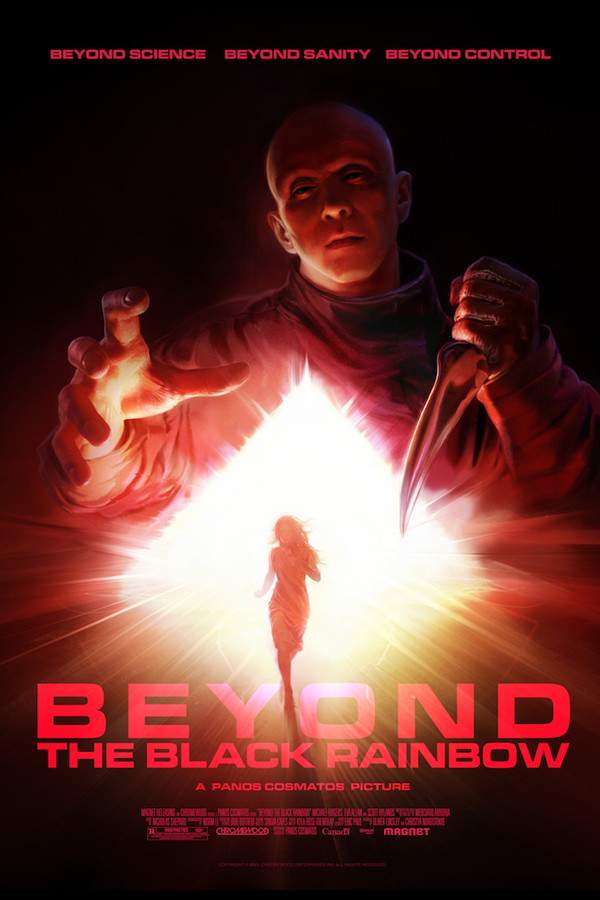
Throughout his journey, Paul is driven by the hope of finding his twin brother, Saul, from whom he was separated as a child. Saul is a recurring figure in his dreams, usually appearing as an identical twin, and Paul is convinced that his sibling is in trouble, perhaps caught in the dangerous world of escorting or pursued by a menacing client. This black-coated figure with a white mask symbolizes the unknown and potentially perilous forces threatening him, casting a shadow over his life and visions.
A turning point occurs when Paul meets Zhivago, a bartender who subtly introduces him to the outsider world of film director John Baxter. Although Paul keeps his emotional distance, insisting he can't love anyone at that moment, he shows interest when Zhivago gives him Baxter’s business card. Baxter, a mysterious filmmaker seeking to create a transcendent, mainstream masterpiece, recognizes the unique qualities in Paul and sees him as a muse. Baxter proposes that Paul star in an adult film, believing that through this process, he can unlock self-discovery and, ultimately, locate his lost brother. As Baxter eloquently asks, "Don't you want to live forever, Paul?", referencing the idea of eternal life through film akin to Dorian Gray.
Choosing to sleep in Baxter’s studio, Paul begins to unravel in a landscape filled with surreal dreams, where he frequently encounters Saul and the man in the mask. The studio doubles as an art space, shared with Gibson's model Griffin, an aspiring artist and another young escort Paul develops feelings for. One night, Paul stumbles upon a haunting painting that depicts a figure reminiscent of Narcissus—obsessed with their own reflection but also haunted by a dark, lurking presence. This artwork becomes a pivotal symbol for Paul, illustrating his own obsession with beauty and self-identity.
At a party hosted by Baxter, Paul meets DeLeon, a sinister producer working for the studio financing Baxter’s projects. DeLeon becomes fixated on Paul and his extraordinary gift. He pushes Paul toward dangerous experimentation, encouraging him to shoot films without condoms, aiming for a rawer, purer emotional and spiritual experience—believing this will reveal deeper truths from within the otherworldly visions.
As Paul becomes more obsessed with unveiling the mysteries of his past and his visions, he spirals into a darker phase involving drugs and risky encounters, trying to numb his senses and fill the void inside him. His trust is betrayed when a seemingly innocent model turns out to be untrustworthy, leading Paul into a final, fateful porn shoot. It is there that Paul finally uncovers the true identity of his twin and confronts the man in the mask, revealing the dark secrets hidden within his dreams and his reality.
Inspired by the vivid, color-rich works of filmmakers like Michael Powell and Mario Bava, this story explores themes of sensuality, identity, and spirituality. It advocates the importance of the physical body alongside the spirit, emphasizing that selling your body does not necessarily mean losing your soul. Through Paul’s harrowing journey, the film paints a compelling portrait of a man caught between multiple worlds—struggling to find himself amid haunting visions, dangerous encounters, and the relentless pursuit of truth.