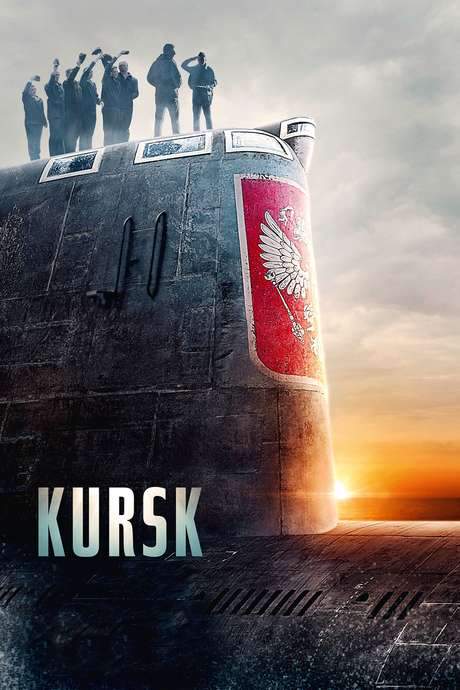
The Russian Navy’s Northern Fleet opens a training exercise in the cold expanse of the Barents Sea aboard the Kursk, a formidable Oscar-class submarine. Onboard, weapons officer Pavel Sonin voices a grave concern as the interior temperature of a hydrogen peroxide torpedo climbs rapidly, signaling a dangerous leak. The captain, Captain Gennady Shirokov, brushes off the warning, and moments later the torpedo detonates, inciting a catastrophic blast that annihilates the weapons room crew. A second explosion tears a hole in the forward hull, and the Kursk ceases to fight gravity as it sinks toward the sea bed, taking the lives of many aboard.
The surviving crew members huddle in the aft-most compartment, the water steadily rising and the oxygen dwindling. Below deck, the situation grows tenser as air becomes a precious commodity and two sailors must swim into a flooded section to retrieve oxygen cartridges. Back on land, the wives and families begin to hear alarming rumors about the submarine while waiting for word that their loved ones are alive. The tension between hope and despair stretches outward, casting a shadow over those who wait and those who must decide whether to intervene.
Detecting seismic disturbances, Royal Navy Commodore David Russell infers that the Kursk has met with disaster. On the surface, Admiral Vyacheslav Grudzinsky, commander of the Northern Fleet, initially believes there are no survivors, only to hear a faint ping echoing from within the hull and to mobilize a rescue submersible. The Russians deploy their own rescue craft, a ship that is old and poorly maintained; its seal is unreliable, and after a grueling struggle it cannot secure a proper connection to Kursk’s hull and is forced to surface, awaiting a battery recharge that will take twelve hours.
As the hours slip by, morale aboard the Kursk fluctuates between fatigue and stubbornly held resilience. The crew’s families watch with growing concern as more rescue attempts fail and the air inside the submarine grows dangerously thin. When Finland’s and Britain’s divers join the effort, the Russian authorities are initially reluctant to accept foreign assistance, fearing the exposure of naval secrets. Yet desperation eventually overrides pride, and foreign help is permitted, even as the rescue craft continues to struggle against the hull’s stubborn seal.
Aboard the Kursk, the mood shifts from quiet resignation to a fragile, almost ceremonial endurance. The crew share a makeshift “breakfast buffet” in a bid to lift spirits, an act that underscores their camaraderie even as danger looms. During the tense minutes that follow, a crew member accidentally knocks an oxygen cartridge into the water, triggering a flash fire that rapidly consumes the remaining breathable air. With only minutes left, the crew sing together, quietly marking their last moments with a haunting rendition of a sailor’s hymn.
When Russell’s divers finally reach the Kursk, they find the hull flooded and the compartments submerged; there is no sign of life. The tragedy culminates in a solemn funeral, where Misha Averin, son of one of the sailors, refuses to shake the hand of Admiral Vladimir Petrenko. The moment embodies the personal cost of a national catastrophe and the pain of those left behind. In a final, private detail, a land-based crew member gives Misha a maritime watch that once belonged to his father, a watch that had been sold earlier to fund a celebration for Pavel Sonin’s wedding. The juxtaposition of celebration and loss underscores the human cost behind the submarine’s doomed mission, leaving the families and the wider world to reckon with what happened beneath the Arctic waves.