Plot Explained Spoilers guaranteed!
Plot Explained

Browse by genre

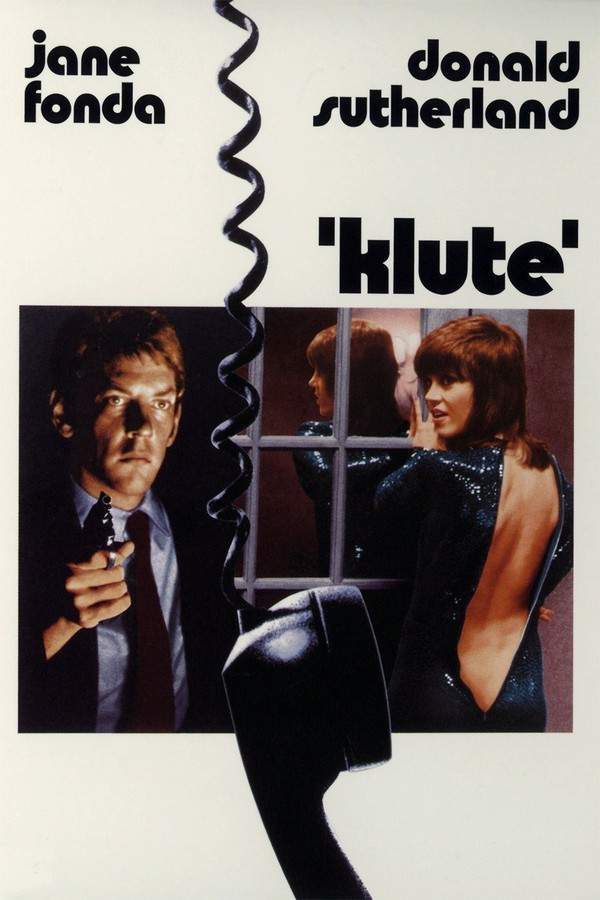
Klute (1971) movie poster

Characters & Themes

Klute (1971) Characters, Setting & Themes Explained

Release, runtime and language
1971 · 114 min · English
Loading streaming availability…
Directed by
Alan J. Pakula
Starring
Jane Fonda, Roy Scheider, Donald Sutherland, Barry Snider, Charles Cioffi, Dorothy Tristan

A resourceful call girl, Bree Daniel, finds her life complicated by a high-stakes investigation into a missing man. Detective John Klute is tasked with uncovering the truth, and as he delves deeper, he becomes increasingly drawn to Bree. However, their connection is threatened by a mysterious and dangerous force that seems to be watching Bree’s every move, putting them both in peril.

On this page (8)
  1. 1 Where to watch
  2. 2 Characters explained (3)
  3. 3 Where & when it takes place
  4. 4 Themes & meaning (3)
  5. 5 Character & meaning questions
  6. 6 Movie threads
  7. 7 Movies like Klute
  8. 8 Every angle
Loading streaming availability…

3 main characters · contains spoilers

Klute Characters Explained: Who Is Who

The main characters of Klute (1971), heroes and villains: what drives them, how they change over the course of the story and what each of them reveals about the film's bigger ideas.

  • Bree Daniels (Jane Fonda)

    Bree Daniels is a complex character, navigating the dark world of prostitution while aspiring to achieve her dreams of becoming a model and actress. Her journey is marked by resilience as she grapples with trauma and develops genuine feelings for Klute. The character embodies a mix of vulnerability and strength, representing the struggles of many women in similar situations.

    • 👩‍🎤 Aspiration
    • 💪 Resilience
    • 😔 Vulnerability
  • John Klute (Donald Sutherland)

    John Klute is a determined detective who becomes deeply involved in unraveling the mystery surrounding Tom Gruneman's disappearance. His compassionate yet firm demeanor allows him to connect with Bree and protect her from her dangerous past. Klute represents the archetype of a caring savior, revealing layers of complexity as he unravels the dark underbelly of the city.

    • 🕵️‍♂️ Detective
    • ❤️ Protector
    • 🔍 Investigator
  • Peter Cable (Charles Cioffi)

    Peter Cable is a seemingly innocuous character who turns out to be a key antagonist in the story. His involvement in the dark secrets surrounding Bree and her former colleagues paints him as a manipulative figure, emphasizing the theme of duality in human nature. His chilling persona reveals layers of deceit and obsession, marking him as a pivotal player in the unfolding mystery.

    • 😈 Antagonist
    • 🕵️ Manipulative
    • 🎭 Deceitful

Last updated: October 22, 2024 at 19:10

Was this helpful?

Setting

Where and When Does Klute Take Place?

The setting of Klute (1971): the year and time period, the places and locations, and how they shape the characters, the mood and the tension of the story.

Time period

The film does not specify an exact time period but reflects the societal issues of the 1970s. This era was marked by shifting attitudes towards crime, gender roles, and the struggles of urban life, which directly influence the characters’ experiences and choices.

Location

New York City, Tuscarora, Pennsylvania

New York City serves as the main backdrop for Bree's tumultuous life as a prostitute aspiring to be a model. It is known for its vibrant yet harsh environment, filled with opportunities and dangers alike. Tuscarora, Pennsylvania, provides a contrasting, quieter suburban setting where the story initially unfolds, highlighting the difference between Bree's chaotic life in the city and her roots.

  • 🏙️ Urban
  • 🏡 Suburban

Last updated: October 22, 2024 at 19:10

Was this helpful?

3 major themes

Klute Meaning: Themes & Message Explained

What is Klute (1971) really about? The emotional, social and philosophical themes the film keeps returning to, its symbolism and the message beneath the surface.

  • Mystery

    The theme of mystery permeates 'Klute' as the narrative revolves around the disappearance of Tom Gruneman and the investigation that unfolds. It showcases a tense exploration of hidden truths, with Bree as a key figure linked to the enigma. Each twist reveals the connection between past trauma and current danger, deepening viewer intrigue.

  • Survival

    Survival is a predominant theme, illustrating Bree's struggle to escape her life of prostitution and the controlling nature of her environment. As she grapples with her past and seeks independence, the film underscores the resilience required to overcome a life marked by exploitation and fear.

  • Love

    The evolving relationship between Bree and Klute introduces a nuanced take on love amidst chaos. As Bree seeks protection and support, genuine feelings develop, challenging her perceptions of intimacy and vulnerability. Their bond becomes a source of hope for Bree's future amid her troubled past.

Last updated: October 22, 2024 at 19:10

Was this helpful?

Character & theme questions

Klute Characters & Meaning: Your Questions Answered

The questions people ask about Klute (1971): who the characters really are, their relationships, what the symbols mean, where it takes place and what the movie is really about. Each answer contains spoilers.

Q1

Where is most of Klute set?

Most of Klute takes place in New York City, which serves as the backdrop for Bree's life as a prostitute aspiring to become a model. The city's vibrant yet harsh environment creates a sense of opportunity and danger that defines her daily existence. The urban setting reflects the gritty, unflinching tone of 1970s crime thrillers.

  • new york city
  • setting
  • urban
  • location
Q2

What is the significance of Tuscarora, Pennsylvania in the movie?

Tuscarora, Pennsylvania appears as a contrasting suburban setting where the story initially unfolds. It represents Bree's roots and provides a quieter, more peaceful environment compared to her chaotic life in New York City. The contrast between Tuscarora and New York highlights the duality in Bree's existence between her past and her present.

  • tuscarora
  • pennsylvania
  • suburb
  • contrast
Q3

When does Klute take place?

Klute is set in the 1970s, reflecting that era's shifting attitudes toward crime, gender roles, and urban life struggles. While no specific year is given, the film captures the social issues and cultural context of the decade, which directly influence the characters' experiences and choices.

  • 1970s
  • time period
  • era
  • 1970s society
Q4

What are the main themes in Klute?

The main themes in Klute are mystery, survival, and love. The mystery centers on the disappearance of Tom Gruneman and the investigation that unfolds. Survival depicts Bree's struggle to escape prostitution and achieve independence. Love explores the evolving relationship between Bree and Klute as they navigate genuine feelings amid chaos and danger.

  • themes
  • mystery
  • survival
  • love
  • meaning
Q5

Who is Bree Daniels in Klute?

Bree Daniels is a complex prostitute in New York City who dreams of becoming a model and actress. She represents a mix of vulnerability and resilience as she grapples with trauma from her past. Her journey involves seeking independence from her life of exploitation while developing genuine feelings for detective John Klute.

  • bree daniels
  • character
  • prostitute
  • protagonist
Q6

Who is John Klute?

John Klute is a determined detective assigned to investigate the disappearance of Tom Gruneman. He is compassionate yet firm, connecting with Bree to protect her from dangerous threats. Klute represents the caring savior archetype, uncovering the dark underbelly of the city while forming a meaningful bond with Bree.

  • john klute
  • detective
  • character
  • investigator
Q7

Who is Peter Cable in the story?

Peter Cable initially appears innocuous but is revealed as a key antagonist in the narrative. He is involved in the dark secrets surrounding Bree and her former colleagues, representing manipulation and deceit. His character emphasizes the theme of duality in human nature and serves as the hidden threat throughout the investigation.

  • peter cable
  • antagonist
  • villain
  • threat
Q8

What are Bree's aspirations in Klute?

Bree Daniels aspires to leave her life of prostitution behind and become a model and actress. Her dreams represent her desire for a conventional, respectable life away from exploitation. This ambition drives much of her character arc and her willingness to cooperate with Klute's investigation.

  • model
  • actress
  • aspiration
  • dreams
  • independence
Q9

How does the love story develop between Bree and Klute?

The relationship between Bree and Klute evolves from a case of protection and necessity into genuine romantic feelings. As Bree seeks safety and support, authentic emotions develop that challenge her perceptions of intimacy and vulnerability. Their bond becomes a source of hope for Bree's future despite her troubled past.

  • romance
  • relationship
  • love
  • connection
  • emotional
Q10

What creates the tension in Klute?

The central tension in Klute comes from a mysterious and dangerous stalker who threatens Bree, creating sustained suspense throughout the film. This stalker element, combined with the investigation into Tom Gruneman's disappearance, drives the thriller elements. The ever-present threat to Bree keeps the narrative tense and psychologically gripping.

  • stalker
  • threat
  • danger
  • tension
  • suspense
Q11

How does Klute address 1970s gender issues?

Klute reflects 1970s gender issues through Bree's struggle with exploitation, independence, and vulnerability in a male-dominated world. The film examines the struggles women faced in escaping exploitative situations while pursuing autonomy. These themes resonate with the era's changing attitudes toward gender roles and women's rights.

  • gender roles
  • feminism
  • women's issues
  • 1970s
  • exploitation

Movie threads

More Movies Like Klute, by Mood & Story

Curated lists built around what makes Klute tick: the same mood, the same kind of story or the same emotional payoff. Each list explains why these movies belong together.

Paranoid thrillers like Klute set in a gritty world

Moody stories of characters stalked by unseen threats in atmospheric cities. If you liked the tense, atmospheric dread of Klute, you'll find similar movies here. These stories feature characters under surveillance or stalked by an unknown threat, creating a constant feeling of anxiety within a gritty, realistic urban setting. This thread captures the specific mood of psychological unease and urban alienation.

  • paranoid
  • atmospheric
  • gritty
  • suspenseful
  • melancholic
  • alienating
  • Tone: tense, paranoid, melancholic
  • Pacing: steady, methodical build
Why these movies?

The story pattern: The narrative typically follows a lone individual, often isolated or on the fringes of society, who becomes the target of an obsessive antagonist. The plot is a slow unraveling of mystery and fear, where the investigation or pursuit reveals darker truths about the world and the characters within it, culminating in a confrontation that leaves deep emotional scars.

Why they belong together: Movies in this thread are grouped by their shared ability to generate a palpable sense of paranoid anxiety. They feature a similar tone of tense melancholy, a steady pacing that builds dread, and a focus on the psychological unraveling of a protagonist in a hostile and watchful environment.

Movies with bittersweet endings after heavy trauma like Klute

Stories where survival is achieved but at a deep emotional cost. This thread is for viewers who appreciated the emotionally complex conclusion of Klute. It groups films where characters survive a deeply harrowing ordeal, but the ending is bittersweet, blending a flicker of hope with the undeniable weight of their trauma. If you like endings that feel realistic and psychologically resonant, explore these similar stories.

  • melancholic
  • psychological
  • heavy
  • bittersweet
  • grim
  • emotionally complex
  • Tone: heavy, bittersweet, psychologically complex
  • Pacing: steady, character-focused
Why these movies?

The story pattern: The journey centers on a character grappling with extreme circumstances—violence, obsession, or psychological torment. The central conflict is as much internal as external. The climax resolves the physical danger but leaves the protagonist to confront the emotional aftermath, resulting in an ending that is hopeful yet profoundly altered, suggesting a difficult path forward rather than a simple happy-ever-after.

Why they belong together: These films are connected by their shared emotional trajectory: a heavy, traumatic narrative leading to a bittersweet resolution. They prioritize psychological realism over tidy conclusions, leaving the audience with a powerful and lingering emotional weight that reflects the complexity of healing.

If you liked this

Movies Like Klute

Similar movies to Klute: the same genre, themes or kind of story. Each one comes with its own plot summary, timeline and ending explained.

Browse all movie summaries

Every angle

Klute (1971) Explained: Plot, Timeline & Characters

Everything about Klute in one place: what happens in the plot summary, the timeline in chronological order, the characters and meaning and a spoiler-free summary. What's After the Movie adds the cast, box office and post-credit scenes.

Coming soon on iOS and Android

The Plot Explained Movie Summary App

Plot summaries, endings explained and timelines on your phone. Catch up on any movie in minutes, save your favorites and never miss a twist again.

Be the first to know when we launch. Your email stays private, always.

Learn more about the app