





Plot Explained Spoilers guaranteed!
Plot Explained

Browse by genre

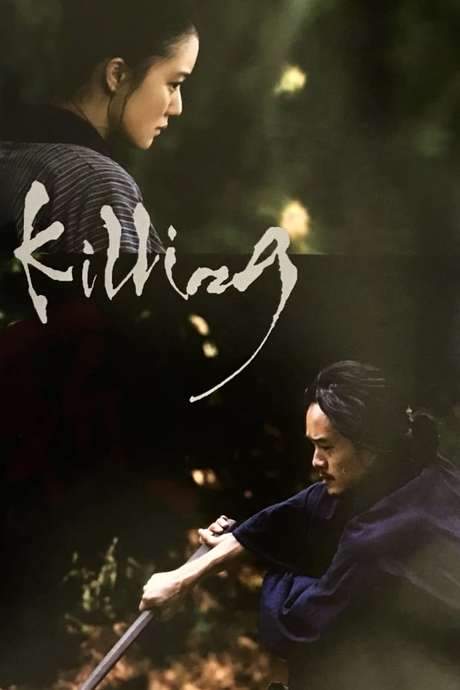
Killing (2018) movie poster

Characters & Themes

Killing (2018) Characters, Setting & Themes Explained

Release, runtime and language
2018 · 80 mins · Japanese
Starring
Shinya Tsukamoto, Kohji Katoh, Yu Aoi, Sosuke Ikematsu, Masahiro Kobayashi, Makiko Kuno

Set during the mid-19th century Edo period in Japan, the film follows Ikematsu Sosuke, a masterless samurai, also known as a ronin. As a time of peace gives way to looming war and conflict, the swordsman finds himself increasingly restless. He wanders the land, seeking purpose and encountering various challenges that test his skills and beliefs. The story explores themes of honor, loyalty, and the changing landscape of a nation on the brink of upheaval.

On this page (8)
  1. 1 Where to watch
  2. 2 Characters explained (6)
  3. 3 Where & when it takes place
  4. 4 Themes & meaning (2)
  5. 5 Character & meaning questions
  6. 6 Movie threads
  7. 7 Movies like Killing
  8. 8 Every angle

Where to watch

Where to Watch Killing (2018)

Where can you watch Killing? Stream, rent or buy it in the US, including on ARROW, Amazon Video and Apple TV Store: current JustWatch availability with up-to-date prices.

Streaming availability powered by JustWatch

6 main characters · contains spoilers

Killing Characters Explained: Who Is Who

The main characters of Killing (2018), heroes and villains: what drives them, how they change over the course of the story and what each of them reveals about the film's bigger ideas.

  • Mokunoshin Tsuzuki (Sosuke Ikematsu)

    A young wandering samurai who protects a poor village and trains with Ichisuke. He is guided by a strong sense of honor but struggles with killing, choosing restraint when possible. His loyalty to Sawamura pits personal ethics against the demand to wage war.

    • 🗡️ Protagonist
    • 🛡️ Protector
  • Jirozaemon Sawamura (Shinya Tsukamoto)

    An elderly samurai who recruits others to fight in Kyoto and defend Ichisuke’s honor. He embodies a traditional code of honor and leadership, taking decisive action even when it risks violence or injury. His plans set the village on a collision course with the outlaw group.

    • 🗡️ Mentor
    • 🔥 Honor
  • Yu (Yu Aoi)

    The host family’s sister who opposes recruiting warriors, and later mourns the death of Ichisuke. She embodies resilience and concern for family, pressuring Tsuzuki to balance peace with justice.

    • 👧 Sister
    • 💔 Loyalty
  • Ichisuke (Ryusei Maeda)

    The teenage son of the host family who is eager to prove himself. His provocation of the outlaw group triggers a violent chain of events, leading to tragedy that tests Tsuzuki’s resolve.

    • 🧒 Youth
  • Sezaemon Genda (Tatsuya Nakamura)

    Leader of the disbanded outlaws who arrives to recruit fighters. He is brutal and quick to retaliate when wrongs are perceived, escalating the village's peril.

    • 🗡️ Antagonist
  • Villager (Masahiro Kobayashi)

    A peasant villager who hosts Tsuzuki and Ichisuke, providing a temporary safe harbor and grounding the story in rural life and its costs.

    • 👨‍🌾 Villager

Last updated: February 18, 2026 at 23:01

Was this helpful?

Setting

Where and When Does Killing Take Place?

The setting of Killing (2018): the year and time period, the places and locations, and how they shape the characters, the mood and the tension of the story.

Time period

Location

Village, Kyoto

A small, impoverished farming village serves as the backdrop for rising tensions. It is a fragile sanctuary where a wandering samurai trains with a host family and confronts looming violence as gangs threaten the peace. The road to Kyoto hints at the wider civil war that compels warriors to leave the village and pursue battle.

  • 🌾 Rural village
  • 🏯 Feudal Japan setting
  • ⚔️ Samurai culture

Last updated: February 18, 2026 at 23:01

Was this helpful?

2 major themes

Killing Meaning: Themes & Message Explained

What is Killing (2018) really about? The emotional, social and philosophical themes the film keeps returning to, its symbolism and the message beneath the surface.

  • Duty

    The story centers on a warrior torn between his obligation to accompany Sawamura to Kyoto and his reluctance to kill. He seeks to protect the village while honoring a code that condemns unnecessary violence. The clash between duty and mercy drives crucial decisions and shapes the emotional arc.

  • Vengeance

    When Ichisuke is killed and Yu urges retaliation, the film tests whether revenge can bring closure or deepen the cycle of violence. Tsuzuki's hesitation highlights the limits of vengeance, while Sawamura's insistence on punishment escalates the conflict. The pursuit of retribution culminates in a fateful duel.

Last updated: February 18, 2026 at 23:01

Was this helpful?

Character & theme questions

Killing Characters & Meaning: Your Questions Answered

The questions people ask about Killing (2018): who the characters really are, their relationships, what the symbols mean, where it takes place and what the movie is really about. Each answer contains spoilers.

Q1

Where is the movie set?

The film takes place in a small, impoverished farming village in feudal Japan during the mid-19th century Edo period. This rural village serves as a fragile sanctuary where the wandering samurai trains with a host family and faces looming violence from gangs. The road to Kyoto appears in the background, hinting at the wider civil war that compels warriors to leave the village.

  • feudal japan
  • village setting
  • edo period
  • rural japan
  • samurai village
Q2

When does the story take place?

The movie is set during the mid-19th century Edo period in Japan, specifically during the late Edo era (Bakumatsu period). This was a time when Japan was transitioning from feudal samurai culture toward the Meiji Restoration, marking the end of the Tokugawa shogunate's rule.

  • edo period
  • 19th century japan
  • bakumatsu
  • historical japan
  • meiji restoration era
Q3

What is the main theme of the movie?

The film explores the theme of duty versus mercy. The protagonist, a wandering samurai named Tsuzuki, is torn between his obligation to accompany Sawamura to Kyoto and his reluctance to kill. He seeks to protect the village while honoring a code that condemns unnecessary violence. The clash between duty and mercy drives crucial decisions and shapes his emotional arc.

  • duty
  • mercy
  • samurai code
  • honor
  • moral conflict
  • loyalty
Q4

How does the movie handle vengeance?

Vengeance is a central theme that explores whether revenge can bring closure or simply deepen the cycle of violence. When Ichisuke is killed and Yu urges retaliation, Tsuzuki's hesitation highlights the limits of vengeance. Sawamura's insistence on punishment escalates the conflict, leading to a fateful duel that illustrates the destructive nature of retribution.

  • revenge
  • vengeance
  • cycle of violence
  • retaliation
  • justice
Q5

Who is the main character Tsuzuki?

Mokunoshin Tsuzuki (also known as Sosuke Ikematsu) is a young wandering samurai who protects a poor village and trains with Ichisuke's family. He is guided by a strong sense of honor but struggles with killing, choosing restraint when possible. His loyalty to Sawamura pits his personal ethics against the demand to wage war, leaving him torn between duty and his moral convictions.

  • tsuzuki
  • sosuke ikematsu
  • wandering samurai
  • protagonist
  • honor
Q6

Who is Sawamura and what does he want?

Jirozaemon Sawamura is an elderly samurai who recruits others to fight in Kyoto and defend Ichisuke's honor. He embodies a traditional code of honor and leadership, taking decisive action even when it risks violence or injury. His plans to gather warriors and march to Kyoto set the village on a collision course with the outlaw group.

  • sawamura
  • elderly samurai
  • recruiter
  • kyoto
  • traditional honor
Q7

What is Yu's role in the story?

Yu is the sister of the host family who hosts Tsuzuki in the village. She opposes recruiting warriors and later mourns the death of Ichisuke. She embodies resilience and concern for family, pressuring Tsuzuki to balance peace with justice. Her perspective represents those who suffer from the violence between warring factions.

  • yu
  • host family
  • village
  • family
  • resistance to war
Q8

Who is Ichisuke?

Ichisuke is the teenage son of the host family who eagerly seeks to prove himself as a warrior. His provocation of the outlaw group triggers a violent chain of events that leads to tragedy. His youthful idealism and desire to demonstrate his worth directly tests Tsuzuki's resolve and moral stance.

  • ichisuke
  • teenage son
  • eager warrior
  • youth
  • idealism
Q9

Who are the outlaws led by Genda?

Sezaemon Genda leads a group of disbanded outlaws who arrive in the village to recruit fighters. He is brutal and quick to retaliate when wrongs are perceived, escalating the village's peril. His group represents the violence that threatens the fragile peace of the farming community.

  • genda
  • outlaws
  • bandits
  • villains
  • threat
  • violence
Q10

Why is Kyoto important in the movie?

Kyoto represents the wider conflict of the approaching civil war. Sawamura recruits warriors to fight in Kyoto, which is historically tied to the events leading to the Meiji Restoration. The road to Kyoto symbolizes the path of duty that many samurai follow, drawing warriors away from their peaceful lives and into conflict.

  • kyoto
  • civil war
  • meiji restoration
  • destination
  • conflict
Q11

What does the movie say about samurai culture?

The film presents a dark examination of samurai culture during the late Edo period. It shows the grim realities of the samurai code, where warriors are expected to kill without hesitation and honor demands violent action. The story highlights the tension between the ideal of honorable warrior conduct and the brutal reality of constant violence.

  • samurai culture
  • warrior code
  • feudal japan
  • honor
  • bushido

Movie threads

More Movies Like Killing, by Mood & Story

Curated lists built around what makes Killing tick: the same mood, the same kind of story or the same emotional payoff. Each list explains why these movies belong together.

Samurai tales of bleak honor like Killing

Samurai dramas where noble codes clash with brutal realities. Movies like Killing explore the tension between rigid codes of honor and the brutal realities of violence. These stories feature masterless warriors navigating worlds where idealism leads to tragedy. If you liked Watching Killing's portrayal of moral collapse, discover similar films about honor's cost.

  • honor-bound
  • bleak
  • philosophical
  • brutal
  • melancholic
  • desperate
  • Tone: bleak, philosophical, brutal
  • Pacing: steady, methodical buildup
Why these movies?

The story pattern: These narratives typically follow warriors or principled characters whose ideals are systematically dismantled by escalating violence. The journey begins with conviction but descends into moral ambiguity, culminating in tragic realizations about the true cost of honor. The structure emphasizes gradual disillusionment through increasingly violent confrontations.

Why they belong together: Movies in this thread share a specific emotional trajectory: starting with noble purpose, building through moral challenges, and ending with tragic disillusionment. They balance philosophical themes with intense physical conflict, creating a sense of honor's inevitable failure against systemic violence.
Moral conflict stories in wartime like Killing

Character studies set against civil unrest and impossible choices. Films like Killing portray characters navigating moral decay during civil conflict. These stories explore how individuals maintain or abandon their principles when society collapses. Discover similar movies about honor versus survival during times of war and unrest.

  • tense
  • honor-bound
  • moral conflict
  • restless
  • desperate
  • Tone: melancholic, tense, honor-bound
  • Pacing: steady character development
Why these movies?

The story pattern: Stories typically unfold against the backdrop of impending or ongoing civil war, following characters whose personal codes are tested by political realities. The narrative builds through increasingly difficult moral choices, often culminating in the realization that some ideals cannot survive actual conflict. The journey emphasizes character over plot, focusing on internal struggle.

Why they belong together: These films share a specific thematic focus: the tension between individual honor and collective duty during times of conflict. They combine historical settings with intimate character studies, creating powerful explorations of how people navigate moral compromises when systems fail.

If you liked this

Movies Like Killing

Similar movies to Killing: the same genre, themes or kind of story. Each one comes with its own plot summary, timeline and ending explained.

Browse all movie summaries

Every angle

Killing (2018) Explained: Plot, Timeline & Characters

Everything about Killing in one place: what happens in the plot summary, the timeline in chronological order, the characters and meaning and a spoiler-free summary. What's After the Movie adds the cast, box office and post-credit scenes.

Coming soon on iOS and Android

The Plot Explained Movie Summary App

Plot summaries, endings explained and timelines on your phone. Catch up on any movie in minutes, save your favorites and never miss a twist again.

Be the first to know when we launch. Your email stays private, always.

Learn more about the app