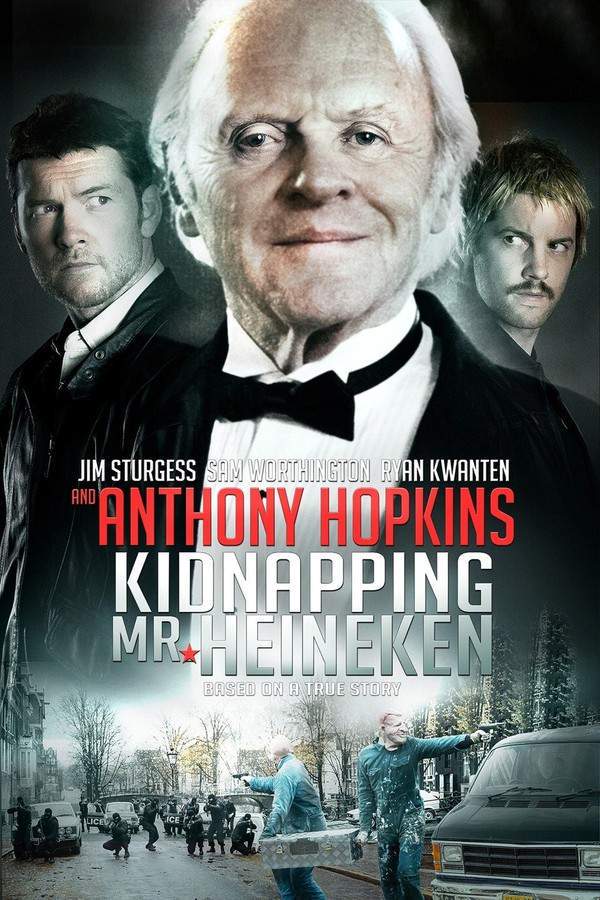
In the early summer of 1983, the canals of Amsterdam glisten under a gray sky as a restless energy sweeps through its narrow streets. The city, still humming from the lingering optimism of the post‑oil crisis boom, feels both intimate and unforgiving—a perfect backdrop for a story that balances everyday camaraderie with the lure of danger. At its heart are five inseparable childhood friends whose bond has been forged in construction sites, parties, and the inevitable disappointments that follow a rapid rise and fall. Among them, Willem Holleeder carries the quiet confidence of a natural leader, while Cor van Hout juggles loyalty to his mates with a growing sense of responsibility toward his pregnant wife, Sonja. Jan Boellard is the restless schemer, Martin Erkamps the pragmatic voice of caution, and Frans Meijer the charismatic wildcard who keeps the group’s morale buoyant even as their fortunes waver.
Their world collides with that of the iconic brewer Freddy Heineken, a man whose name is synonymous with wealth and tradition. The very idea of crossing paths with such a figure ignites a feverish ambition in the friends, prompting them to entertain a plan that feels both reckless and strangely inevitable. The tension between the bright allure of the Heineken name and the gritty reality of their own lives creates a seductive push‑and‑pull, drawing the group deeper into a web of possibility that threatens to upend everything they thought they understood about loyalty and success.
The film’s tone is a tightrope walk between gritty realism and stylish suspense. Amsterdam itself becomes a character, its historic façades and bustling markets reflecting the duality of nostalgia and modern desperation. The narrative is laced with a subtle, almost cinematic humor that slips in as the friends navigate their strained relationships, all while a palpable sense of impending consequence hangs in the air. The audience is invited to feel the electric tension of a daring idea taking shape—an audacious venture that promises both redemption and ruin—without ever revealing the exact nature of the storm that will soon follow.
Against this richly textured backdrop, each character stands on the edge of a decision that will test the limits of their friendship, their morals, and the fragile optimism that has kept them together since youth. The stage is set, the players are in place, and the city waits, humming with the promise of a story that is as much about the human craving for significance as it is about the shadowed alleys of a city on the brink.