Year: 1971
Runtime: 156 mins
Language: Hindi
Widower Ram Kapoor leads a wealthy but lonely life in Bombay; his son Rajesh works abroad and his aged father Diwan Bahadur lives in a village. Rajesh returns, brings Diwan home and the trio reunites, but they clash over love, marriage, caste and Rajesh’s wish to marry Monica instead of the arranged match with Rukmani. He seeks women causing scandal.
Warning: spoilers below!
Haven’t seen Kal Aaj Aur Kal yet? This summary contains major spoilers. Bookmark the page, watch the movie, and come back for the full breakdown. If you're ready, scroll on and relive the story!
Explore the full timeline and setting of Kal Aaj Aur Kal (1971). Follow every major event in chronological order and see how the environment shapes the story, characters, and dramatic tension.
Last updated: October 04, 2025 at 14:13
Meet the key characters of Kal Aaj Aur Kal (1971), with detailed profiles, motivations, and roles in the plot. Understand their emotional journeys and what they reveal about the film’s deeper themes.
Last updated: October 04, 2025 at 14:13
Explore the central themes of Kal Aaj Aur Kal (1971), from psychological, social, and emotional dimensions to philosophical messages. Understand what the film is really saying beneath the surface.
Last updated: October 04, 2025 at 14:13
Browse frequently asked questions about Kal Aaj Aur Kal (1971) focused on characters, relationships, themes, symbols, setting, and story context. This movie info FAQ gives spoiler-aware explanations for character arcs, world details, and thematic interpretation so readers can better understand what the film is really about.
The story takes place primarily in Bombay, India, within a traditional Kapoor household. London appears as a secondary setting representing Rajesh's education and exposure to Western ideas, which creates a contrast with the traditional Indian family values.
Rajesh's London education symbolizes his exposure to modern Western ideas and values, which clash with the traditional expectations of his grandfather Diwan Bahadur. This educational background shapes his desire for romantic autonomy and contributes to the central conflict between tradition and modernity.
The central conflict revolves around generational differences regarding marriage and duty. Grandfather Diwan Bahadur insists on an arranged marriage to Rukmani, while Rajesh wants to marry his choice, Monica. Ram, caught in the middle, must navigate between his father's traditional expectations and his son's modern desires.
The film explores three interconnected themes: generational conflict between traditional elders and modern youth, love versus duty in romantic choices, and tradition versus modernity in marriage customs. These themes converge as the family navigates conflicting values toward reconciliation.
Diwan Bahadur Kapoor is the family patriarch and grandfather of Rajesh. He represents traditional values and insists on arranged marriage to preserve lineage and family honor. Though he becomes ill, he remains the driving force behind the wedding plan and uses his position to push for a resolution that honors family duty.
Ram Kapoor is the widower father of Rajesh and son of Diwan Bahadur. He serves as the peacemaker caught between his father and son, bearing the brunt of the generational clash. Rather than choosing sides, he supports a path toward reconciliation, embodying patience and resilience.
Monica is Rajesh's girlfriend whose love becomes central to the plot. She demonstrates loyalty and adaptability by participating in a plan that protects Rajesh's future while ultimately becoming the person he marries in the film's pivotal reveal. Her character reflects the conflict between personal love and family strategy.
The film contrasts arranged marriage and generational expectations with the younger generation's desire for romantic autonomy. London-educated Rajesh embodies modern attitudes seeking personal choice in marriage, while grandfather Diwan represents traditional values focused on family lineage and duty. The resolution shows both sides ultimately value family happiness despite their conflicting methods.
The Kapoor household represents a traditional Indian family environment where honor and duty are negotiated through domestic spaces. It serves as the backdrop for weddings, confrontations, and moral tests that define the family dynamics. The setting emphasizes how family honor is maintained through accepted social rituals and expectations.
The film has a bittersweet tone, blending sadness from generational conflict and the grandfather's illness with the ultimate joy of reconciliation and a new birth. While the main conflict resolves happily with the family united and a new generation arriving, there is underlying melancholy from the patriarch's passing.
The key characters include Rajesh (the London-educated grandson), Ram (his widower father caught in the middle), Monica 'Mona' (Rajesh's devoted girlfriend), and Diwan Bahadur (the traditional patriarch grandfather). Supporting characters include Achala (Monica's mother), Munshi (family clerk), Ram's friend, and Sunny (Rajesh's college mate).
The film conveys that family unity requires understanding between generations and sometimes personal sacrifice. The resolution reveals that while traditional and modern values may conflict, both sides ultimately value family happiness. The story uses humorous deception and dramatic reversals to navigate toward reconciliation and stronger family bonds.
Discover curated groups of movies connected by mood, themes, and story style. Browse collections built around emotion, atmosphere, and narrative focus to easily find films that match what you feel like watching right now.
Stories where tradition and modernity collide across family generations.If you enjoyed the heartfelt family dynamics in Kal Aaj Aur Kal, explore more movies like it. This collection features similar dramas about clashes between tradition and modernity, complex family duty, and the emotional journey towards reconciliation across different generations.
The narrative typically follows a central family, often spanning three generations, as a modern value (like a love marriage) challenges deep-rooted traditions (like an arranged marriage). The conflict escalates through emotional debates and personal sacrifices, creating a rift that threatens to tear the family apart before culminating in a resolution that finds a middle ground or a newfound understanding.
Movies are grouped here for their shared focus on intergenerational conflict as the primary driver of drama. They share a bittersweet tone, balancing the sadness of familial strife with the hope of reconciliation, and feature steady-paced, character-driven stories with a medium emotional weight.
Emotional journeys where resolution comes with a mix of joy and sorrow.For viewers who appreciated the emotional balance of Kal Aaj Aur Kal, this list gathers movies with similar bittersweet endings. These stories deliver hopeful conclusions and family healing, but the happiness is nuanced by moments of sacrifice or melancholy, creating a deeply resonant and realistic emotional experience.
The narrative arc involves a significant emotional rift—often within a family or between loved ones—that requires characters to endure conflict and make personal sacrifices. The journey to a happy ending is not clean; it is accompanied by a tangible sense of loss (like the passing of an elder) or the acceptance of a compromise, making the final unity feel profound and realistic.
This thread groups films based on their distinct tonal balance: they are fundamentally hopeful stories that are unafraid to acknowledge sadness and sacrifice along the way. They share a specific emotional rhythm, moving from conflict to a resolution that is uplifting yet poignantly acknowledges what was lost or changed.
Don't stop at just watching - explore Kal Aaj Aur Kal in full detail. From the complete plot summary and scene-by-scene timeline to character breakdowns, thematic analysis, and a deep dive into the ending - every page helps you truly understand what Kal Aaj Aur Kal is all about. Plus, discover what's next after the movie.
Read a complete plot summary of Kal Aaj Aur Kal, including all key story points, character arcs, and turning points. This in-depth recap is ideal for understanding the narrative structure or reviewing what happened in the movie.
Track the full timeline of Kal Aaj Aur Kal with every major event arranged chronologically. Perfect for decoding non-linear storytelling, flashbacks, or parallel narratives with a clear scene-by-scene breakdown.
Discover movies like Kal Aaj Aur Kal that share similar genres, themes, and storytelling elements. Whether you’re drawn to the atmosphere, character arcs, or plot structure, these curated recommendations will help you explore more films you’ll love.
Kal Aaj Aur Kal (1971) Plot Summary & Movie Recap
Kal Aaj Aur Kal (1971) Scene-by-Scene Movie Timeline
Kal Aaj Aur Kal (1971) Spoiler-Free Summary & Key Flow
Movies Like Kal Aaj Aur Kal – Similar Titles You’ll Enjoy
Kapoor and Sons (2016) Ending Explained & Film Insights
Kal Ho Naa Ho (2003) Plot Summary & Ending Explained
Kalank (2019) Spoiler-Packed Plot Recap
Kabhi Khushi Kabhie Gham (2001) Film Overview & Timeline
Kalisundam Raa (2000) Complete Plot Breakdown
Naukar Biwi Ka (1983) Complete Plot Breakdown
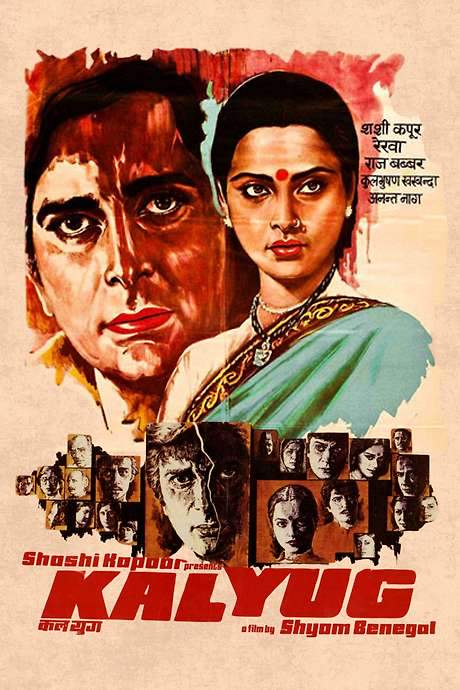
Kalyug (1981) Plot Summary & Ending Explained
Laadla (1994) Ending Explained & Film Insights
Ram Aur Shyam (1967) Plot Summary & Ending Explained
Pyar Kiye Jaa (1966) Spoiler-Packed Plot Recap
Love Aaj Kal (2009) Full Movie Breakdown
Joroo Ka Ghulam (1972) Complete Plot Breakdown
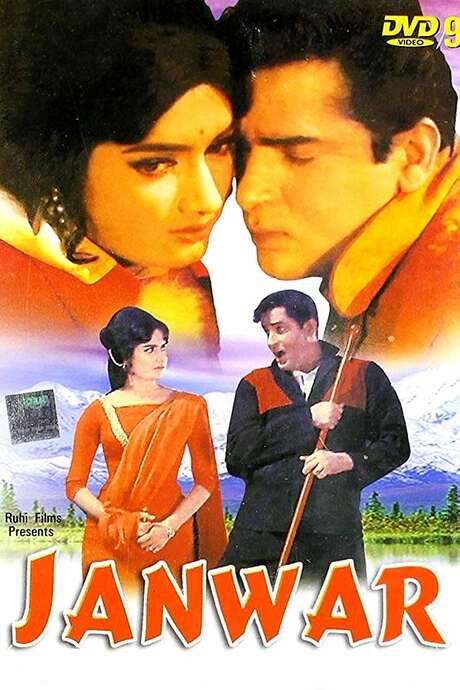
Janwar (1965) Movie Recap & Themes
Aakhri Khat (1966) Movie Recap & Themes
Kaalidhar Laapata (2025) Movie Recap & Themes