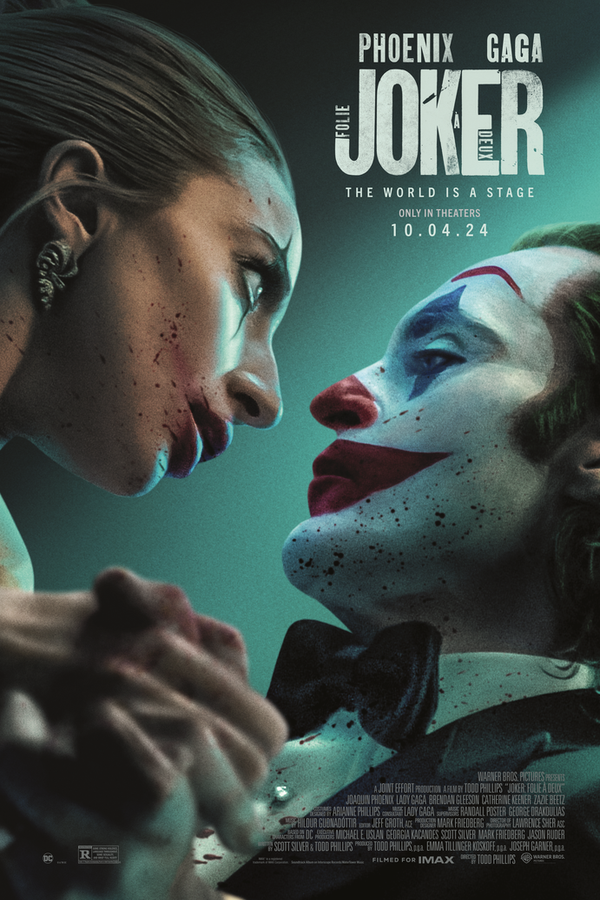
Joker: Folie à Deux
 #4,45321
 Year: 2024
Runtime: 2 h 18 m
Language: english
Director: Todd Phillips
Echo Score: 47Budget: $190M
While incarcerated at Arkham Asylum and awaiting trial, Arthur Fleck struggles with his identity as the Joker. A surprising connection and a burgeoning musical ability offer a glimmer of hope, but the darkness within him proves difficult to overcome.
Where to Watch Joker: Folie à Deux?
Find where to stream, rent, or buy Joker: Folie à Deux (2024) in the US with current JustWatch availability, up-to-date pricing, and platform listings for subscription, rental, and digital purchase options.









Warning: spoilers below!
Haven’t seen Joker: Folie à Deux yet? This summary contains major spoilers. Bookmark the page, watch the movie, and come back for the full breakdown. If you're ready, scroll on and relive the story!
Timeline – Joker: Folie à Deux (2024)
Trace every key event in Joker: Folie à Deux (2024) with our detailed, chronological timeline. Perfect for unpacking nonlinear stories, spotting hidden connections, and understanding how each scene builds toward the film’s climax. Whether you're revisiting or decoding for the first time, this timeline gives you the full picture.
Last updated: October 24, 2024 at 08:13
Joker: Folie à Deux (2024) Timeline Questions Answered – Chronology FAQ
Find frequently asked questions about the Joker: Folie à Deux (2024) timeline, including chronological order, nonlinear jumps, cause-and-effect links, and scene sequence clarifications. This timeline FAQ helps explain when key events happen, how moments connect, and why the story unfolds in that specific order.
Why does Arthur renounce the Joker during his closing statement?
Arthur renounces the Joker because he wants to take genuine accountability for his actions rather than hide behind a split personality defense. After hearing testimony from Gary Puddles and Sophie Dumond, who both knew him as a person rather than as the Joker, Arthur realizes his violence was a choice, not an alternate identity. He chooses to speak the truth about his own agency in the crimes, even knowing it will likely result in a guilty verdict.
Earlier in the film, Arthur's lawyer argues he has dissociative identity disorder, but Arthur's own statements throughout the trial gradually reveal his desire to separate his true self from the violence he committed.
Who is Lee Quinzel really and why did she lie to Arthur?
Lee Quinzel is actually a psychiatry student from the Upper West Side whose father is still alive. She voluntarily committed herself to Arkham and never burned down her childhood home. She fabricated her tragic backstory about an abusive childhood and murderous parents to manipulate Arthur, using his vulnerability to get close to him and study him. Her lies were an attempt to bond with Arthur over shared trauma, but she genuinely fell in love with his Joker persona.
Lee's initial meeting with Arthur in music therapy shows her immediate fascination with his Joker identity, hinting at her unhealthy obsession rather than genuine connection.
What happens to Harvey Dent during the car bombing?
As the jury foreman reads Arthur's guilty verdict, a car bomb detonates outside the courthouse. The explosion causes mass casualties and leaves Assistant District Attorney Harvey Dent severely scarred. This event transforms Dent into a character who will later become Two-Face in Gotham's criminal underworld, setting up his future arc as a villain.
The chaos following Arthur's trial creates the perfect opportunity for the bombing, which appears to be orchestrated by Arthur's followers.
Why does Lee leave Arthur after he renounces the Joker?
Lee leaves because she is obsessed specifically with the Joker persona, not with Arthur himself. When Arthur publicly rejects takes responsibility for his actions, the Joker and he destroys the version of him that Lee fell in love with. She cannot accept Arthur as a regular man who owns his crimes, which is why she abandons him at his lowest moment.
Throughout their relationship, Lee explicitly admires Arthur's Joker identity and his notorious deeds, demonstrating her fixation on the violent alter ego.
Why does Arthur fire his lawyer and represent himself at trial?
Arthur fires his lawyer Maryanne Stewart and chooses to represent himself after she exposes Lee's lies about her identity. This decision reflects Arthur's growing distrust of everyone and his desire to control his own narrative. Rather than mounting a defense through others, Arthur uses the trial as a platform to speak his truth, even if it means damning himself.
Arthur's isolation throughout the film, combined with his deteriorating trust in those around him, culminates in this desperate act of self-representation.
How do Gary Puddles and Sophie Dumond's testimonies affect Arthur?
Gary Puddles and Sophie Dumond's testimonies deeply shake Arthur because they represent the people who saw him as a person before the Joker violence. Gary was Arthur's friend who defended him, while Sophie was his neighbor who experienced his daily life. Their accounts remind Arthur of his humanity and the person he used to be, making it impossible for him to continue claiming the Joker was a separate entity responsible for his crimes.
Both characters appeared earlier in Arthur's story, with Sophie briefly becoming a love interest and Gary showing kindness to Arthur at Arkham.
Why does the young inmate stab Arthur to death in prison?
The young inmate approaches Arthur with a joke, mirroring Arthur's own method of earning laughs through violence, then brutally stabs him to death. This represents a dark mirror of Arthur's past, the inmate sees Arthur as the Joker and wants to claim that legacy for himself by taking Arthur's life. The attacker then carves a smile onto his own face, completing the cycle of violence and demonstrating that the Joker ideology has propagated beyond Arthur.
Arthur's own origin story began with similar circumstances, a man who suffered abuse and turned to violence, so this ending shows history repeating itself.
Why is Arthur found guilty despite his insanity defense?
Arthur is found guilty of first-degree murder because his lawyer's dissociative identity disorder argument fails. Assistant District Attorney Harvey Dent presents witnesses who undermine the insanity claim, demonstrating that Arthur knew right from wrong when he committed his crimes. Additionally, Arthur's own decision to renounce the Joker and take accountability proves he understood his actions were his own choice.
The courtroom tension builds as witnesses testify against the defense, while Arthur's erratic behavior throughout the trial raises questions about his credibility.
How does Arthur escape from the courthouse after the bombing?
In the chaos following the car bomb explosion, Arthur's followers, people who idolize him as the Joker, orchestrate his escape from the courthouse. They take advantage of the widespread panic and security breakdown caused by the bombing to free Arthur into Gotham City. This escape represents the culmination of Arthur's notoriety and the dangerous influence he has had on others.
Throughout the film, references to Arthur's followers and their devotion to his Joker persona hint at this violent loyalty.
What happens to Ricky in Arkham and why is his death significant?
Ricky, Arthur's friend at Arkham, is killed during a brutal assault by head guard Jackie Sullivan and other guards. This violent act demonstrates the systemic abuse within the asylum and represents the final breaking point for Arthur's spirit. Ricky's death also hardens Arthur's resolve to reject the Joker identity, as he sees firsthand the meaningless cruelty that exists without purpose or ideology.
The guards' abuse of inmates is established early in the film, building toward this tragic event that directly impacts Arthur's transformation.
What happens when Arthur serenades Lee during the TV interview?
During an interview with television host Paddy Meyers, Arthur breaks into a musical number directed at Lee, who is watching from elsewhere in the hospital. This moment deeply intensifies Lee's infatuation with Arthur, strengthening their connection. The performance also marks one of the few instances where Arthur expresses genuine emotion through music, a recurring element in the film that contrasts with his violent reality.
Music therapy sessions throughout the film establish Arthur's emerging musical abilities as a form of emotional expression.
Why does Lee set fire during the movie screening at Arkham?
Lee ignites a fire during their screening of The Band Wagon as part of an attempted escape from Arkham. This chaotic act demonstrates her willingness to engage in destructive behavior to be with Arthur, reflecting her unstable and manipulative nature. The failed escape attempt results in Arthur being placed in solitary confinement, temporarily separating them but also deepening their bond through shared rebellion.
Lee's violent tendencies and disregard for rules are established early, making this reckless escape attempt consistent with her character.

Explore Movie Threads
Discover curated groups of movies connected by mood, themes, and story style. Browse collections built around emotion, atmosphere, and narrative focus to easily find films that match what you feel like watching right now.
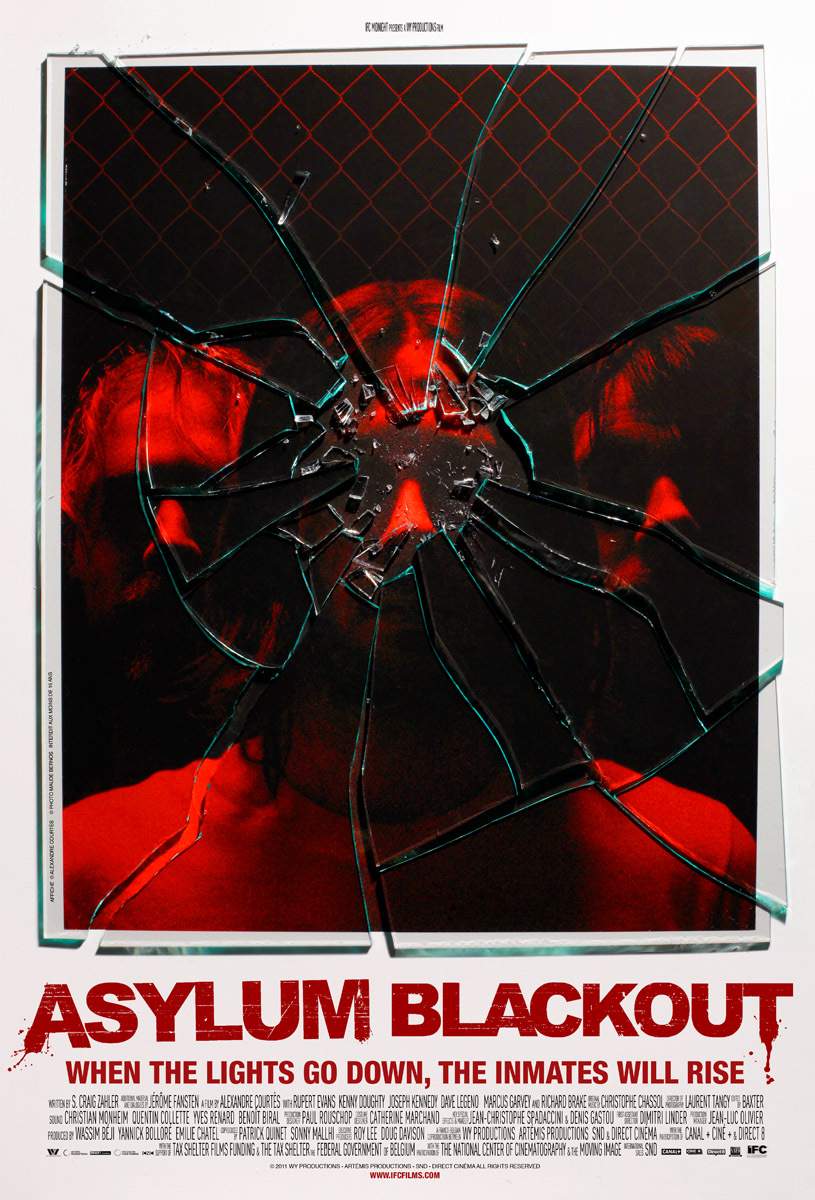
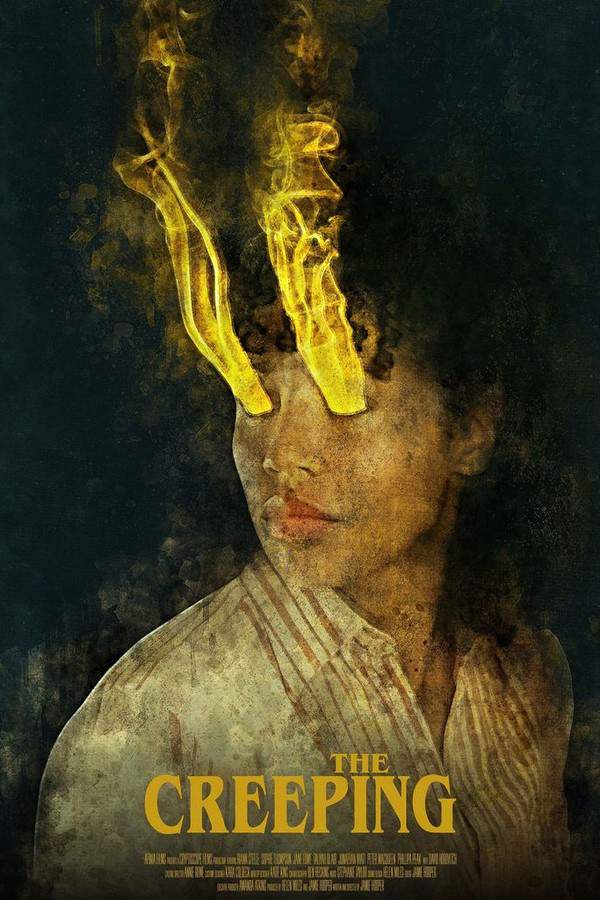
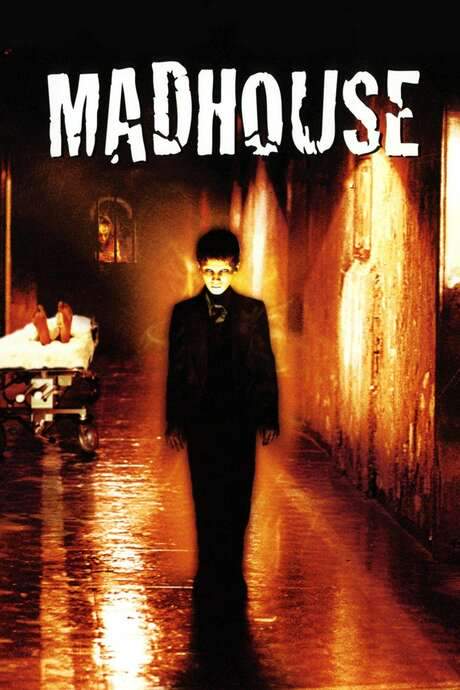
Movies about descent into madness like Joker: Folie à Deux
Psychological thrillers about losing sanity within oppressive, institutional walls.If the psychological breakdown within Arkham Asylum gripped you, these movies feature similar stories of characters losing their grip on reality in confined, oppressive settings. Discover more films like Joker: Folie à Deux that explore the dark journey of a crumbling mind.


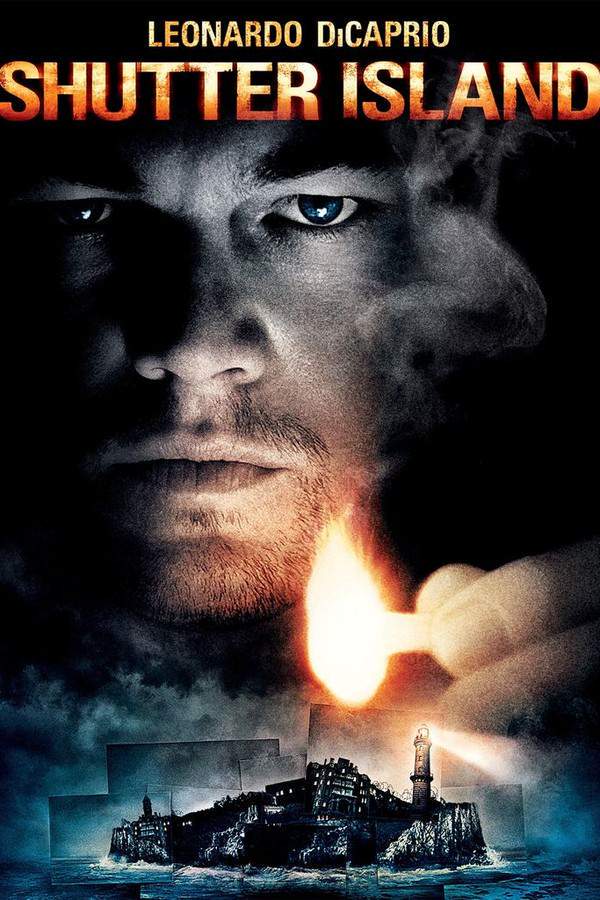

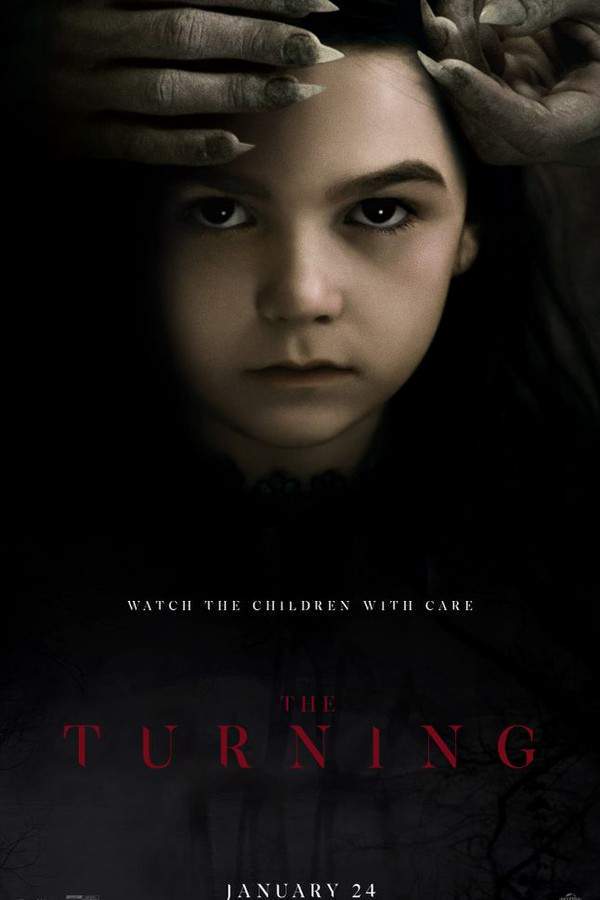



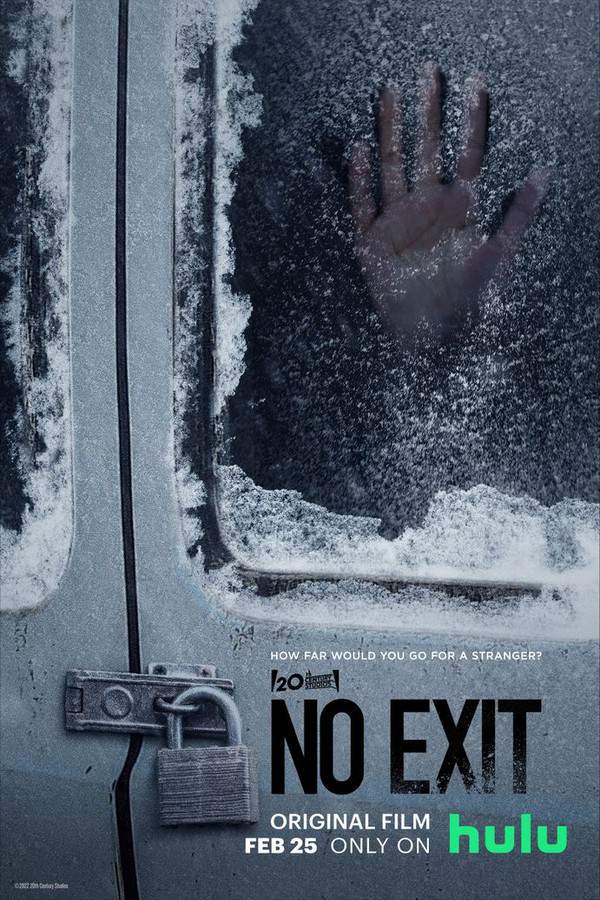
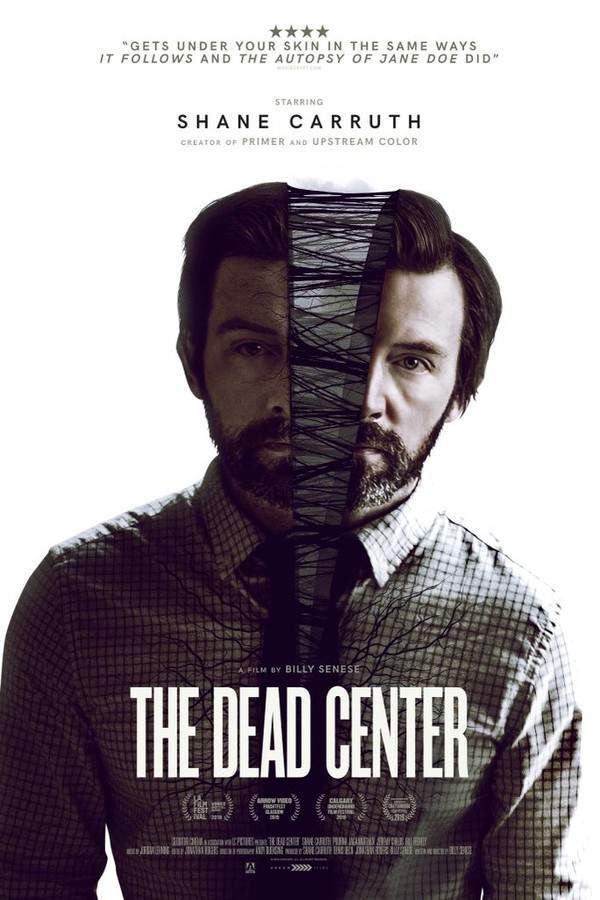
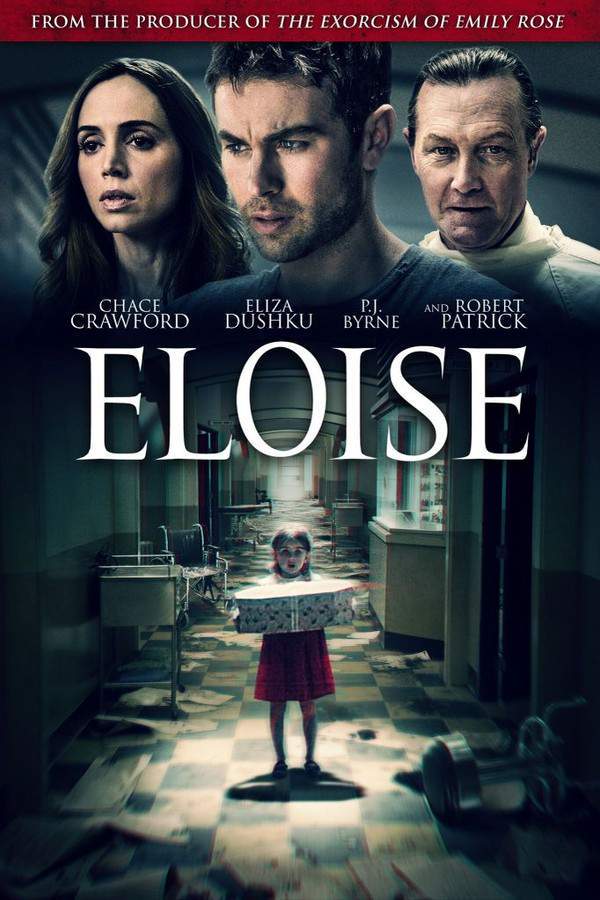
Narrative Summary
These narratives often follow a character's progressive loss of sanity, frequently triggered or amplified by their oppressive surroundings. The plot revolves around internal conflict, questioning what is real, and a tragic arc where the protagonist succumbs to their darkest impulses or delusions.
Why These Movies?
They are grouped by their intense focus on psychological decay, the use of a confined setting as a character itself, and a consistently dark, heavy tone that leaves little room for hope.
Movies with toxic relationships like in Joker: Folie à Deux
Stories of dangerous, codependent relationships that fuel a descent into chaos.If the dark, codynamic between Arthur and Harleen was compelling, explore these films about similarly twisted and destructive partnerships. Find movies like Joker: Folie à Deux where a toxic duo's relationship becomes the engine for betrayal and tragic outcomes.

Twisted Desire
1996
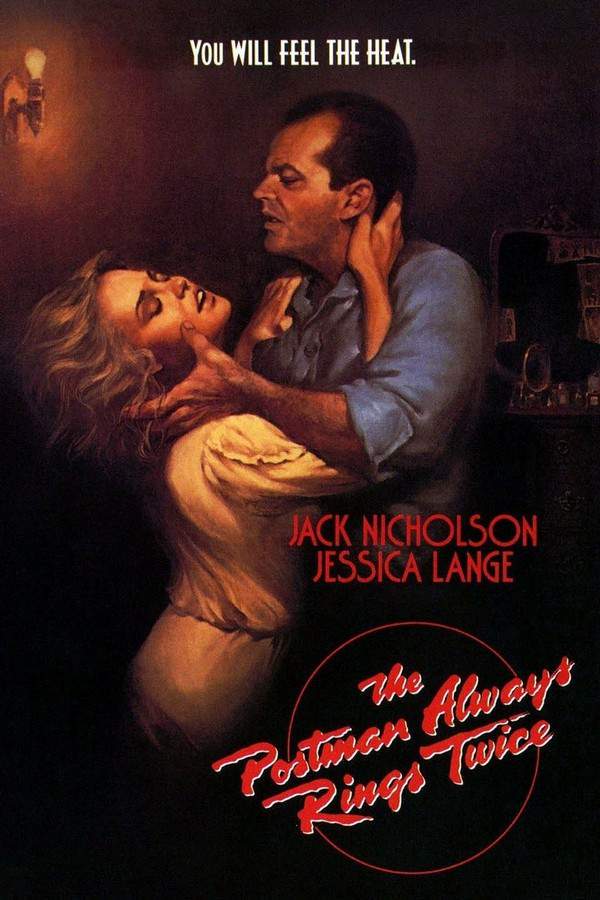
The Postman Always Rings Twice
1981
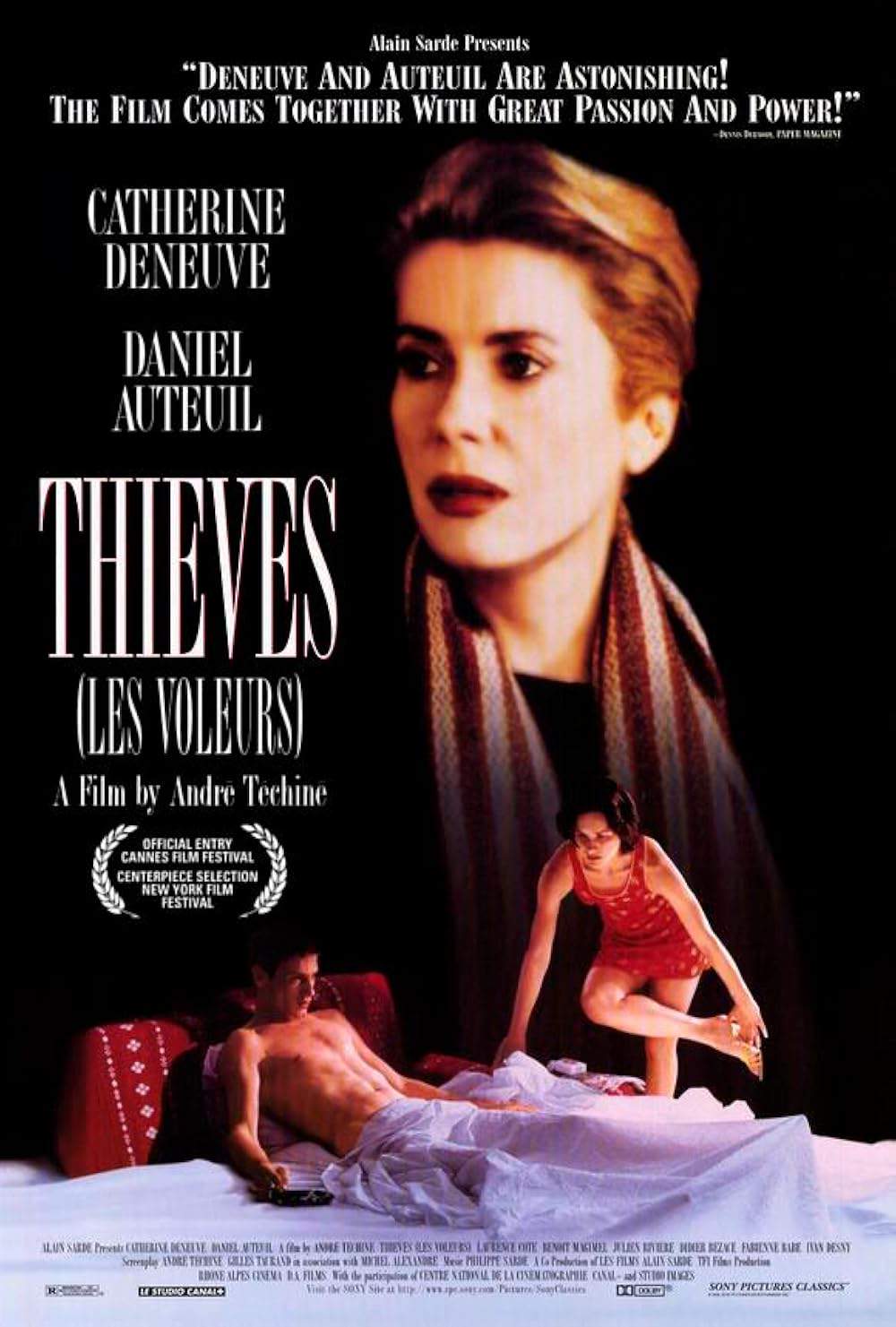
Thieves
1996
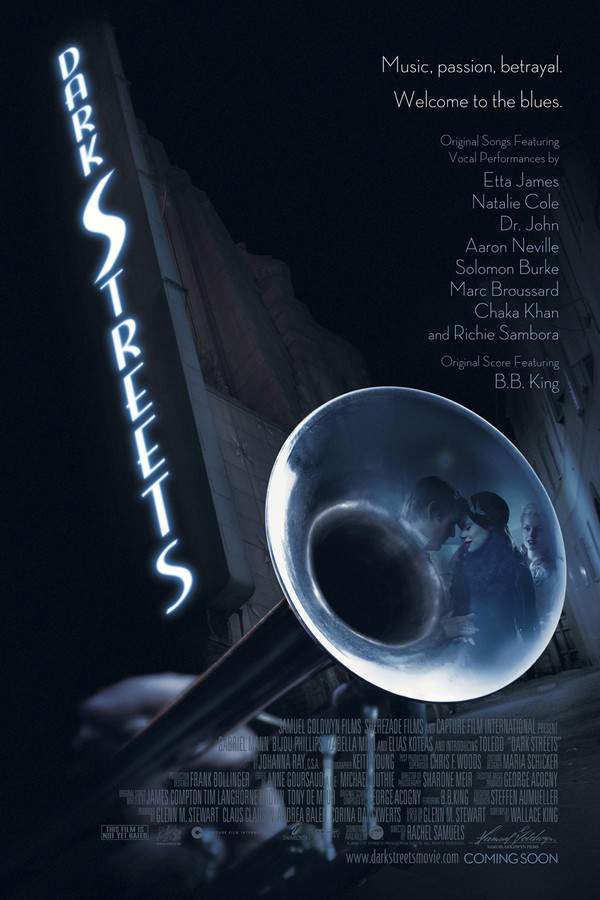
Dark Streets
2008

Crime of Passion
1956

Cruel Intentions
2016
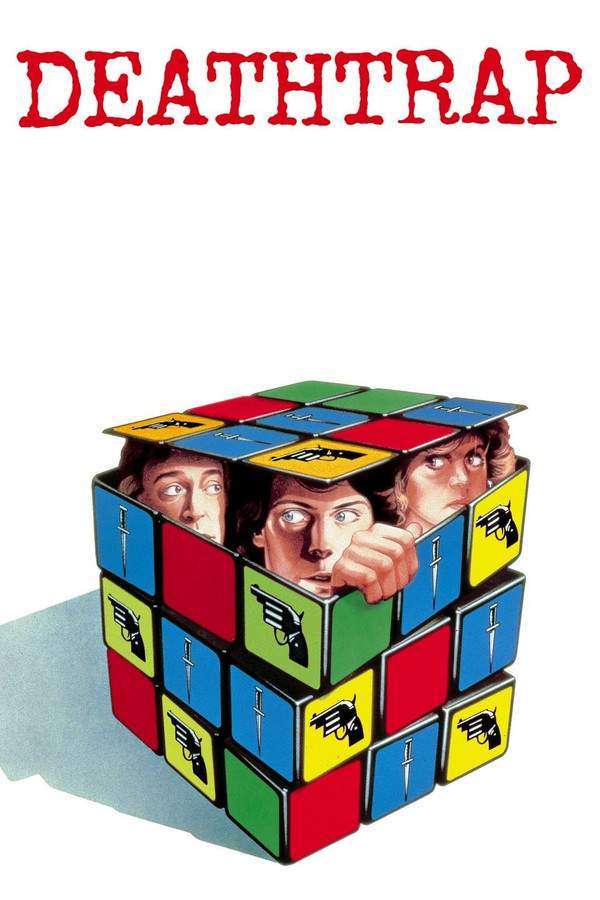
Deathtrap
1982

Pretty Poison
1968

Loving Adults
2022

The Damned Don’t Cry
2022
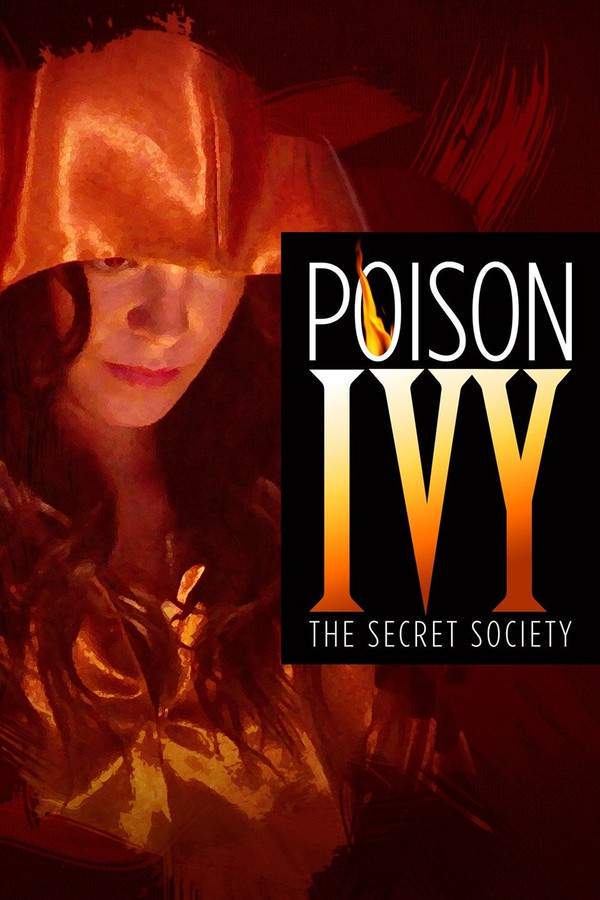
Poison Ivy
1992

Desperate for Love
1989

Such Good Friends
2025

Double Xposure
2012
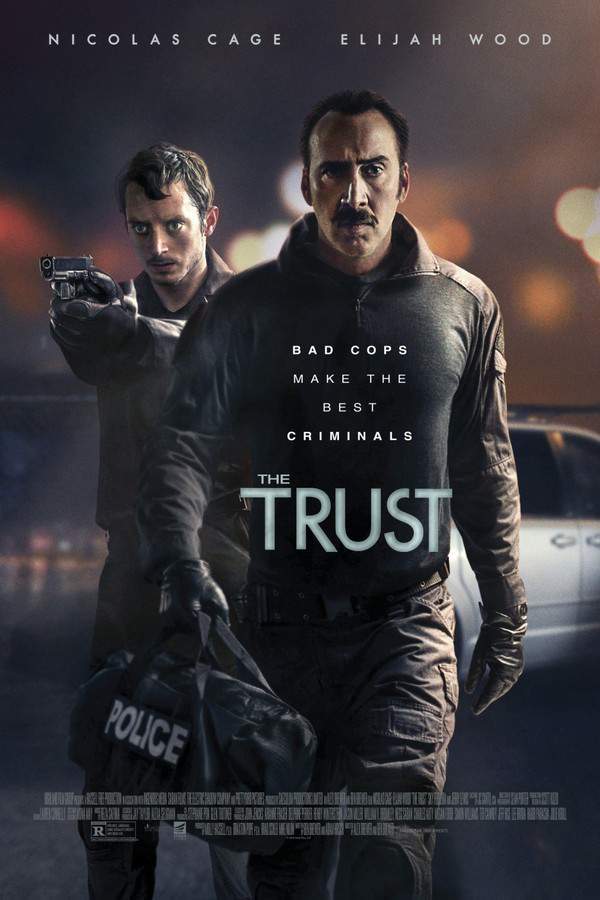
The Trust
2016
Narrative Summary
The plot is propelled by the complex, often destructive interplay between two central figures. Their relationship oscillates between intense connection and profound betrayal, serving as the core conflict. The story typically culminates in a climax where the partnership shatters, often with violent or tragic consequences.
Why These Movies?
They share a core focus on a central, dysfunctional relationship that is both the source of the story's energy and its ultimate tragedy, blending themes of love, manipulation, and betrayal within a dark narrative framework.
Unlock the Full Story of Joker: Folie à Deux
Don't stop at just watching - explore Joker: Folie à Deux in full detail. From the complete plot summary and scene-by-scene timeline to character breakdowns, thematic analysis, and a deep dive into the ending - every page helps you truly understand what Joker: Folie à Deux is all about. Plus, discover what's next after the movie.
Joker: Folie à Deux Summary
Read a complete plot summary of Joker: Folie à Deux, including all key story points, character arcs, and turning points. This in-depth recap is ideal for understanding the narrative structure or reviewing what happened in the movie.

Characters, Settings & Themes in Joker: Folie à Deux
Discover the characters, locations, and core themes that shape Joker: Folie à Deux. Get insights into symbolic elements, setting significance, and deeper narrative meaning - ideal for thematic analysis and movie breakdowns.

Joker: Folie à Deux Ending Explained
What really happened at the end of Joker: Folie à Deux? This detailed ending explained page breaks down final scenes, hidden clues, and alternate interpretations with expert analysis and viewer theories.



Similar Movies to Joker: Folie à Deux
Discover movies like Joker: Folie à Deux that share similar genres, themes, and storytelling elements. Whether you’re drawn to the atmosphere, character arcs, or plot structure, these curated recommendations will help you explore more films you’ll love.
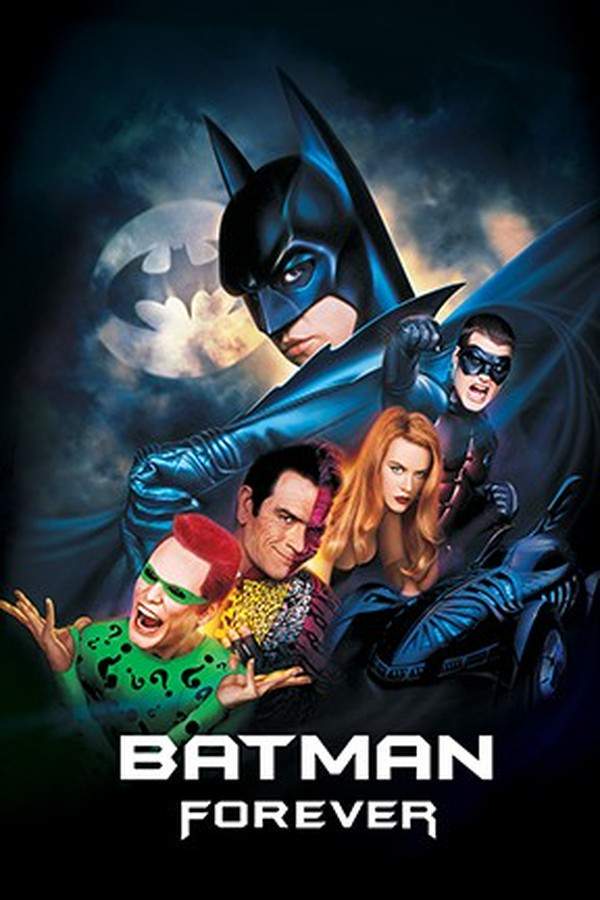



Explore More About Movie Joker: Folie à Deux
Joker: Folie à Deux (2024) Plot Summary & Movie Recap
Joker: Folie à Deux (2024) Scene-by-Scene Movie Timeline
Joker: Folie à Deux (2024) Ending Explained & Theories
Joker: Folie à Deux (2024) Spoiler-Free Summary & Key Flow
Movies Like Joker: Folie à Deux – Similar Titles You’ll Enjoy
Batman Forever (1995) Story Summary & Characters
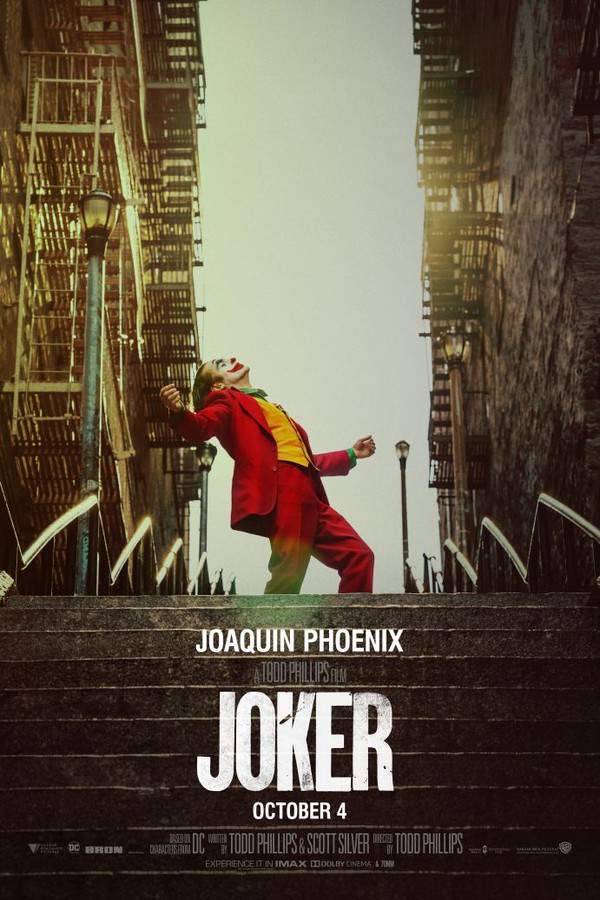
Joker (2019) Film Overview & Timeline
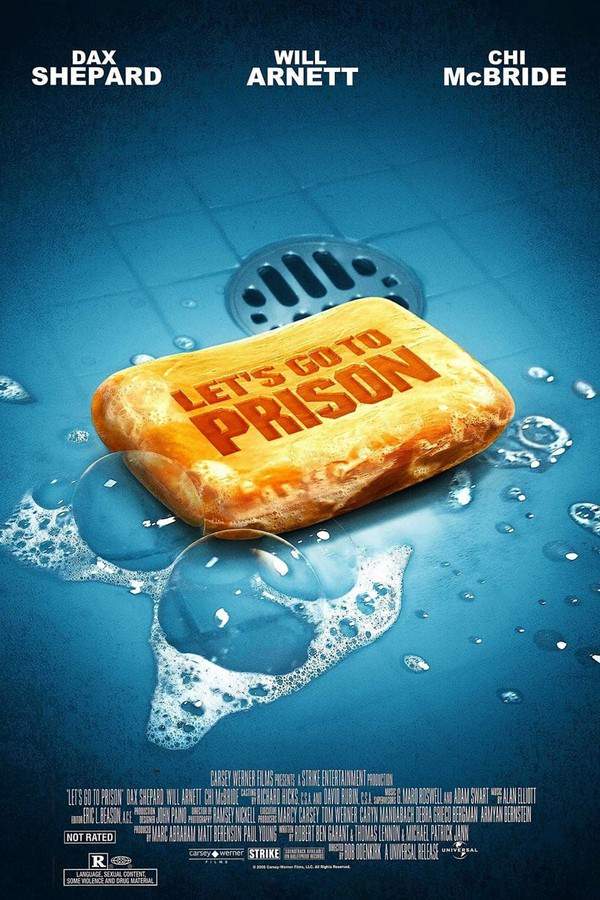
Let's Go to Prison (2006) Full Movie Breakdown
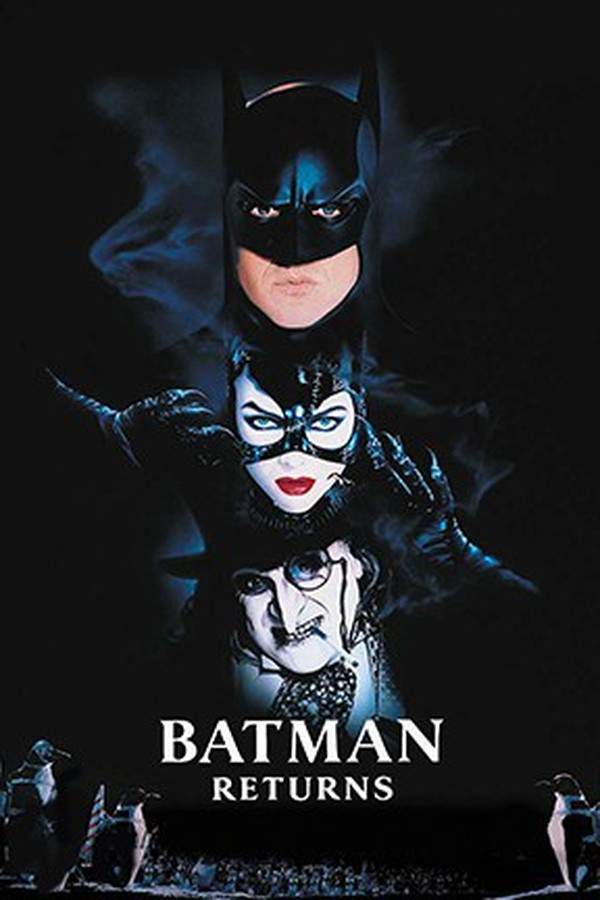
Batman Returns (1992) Film Overview & Timeline
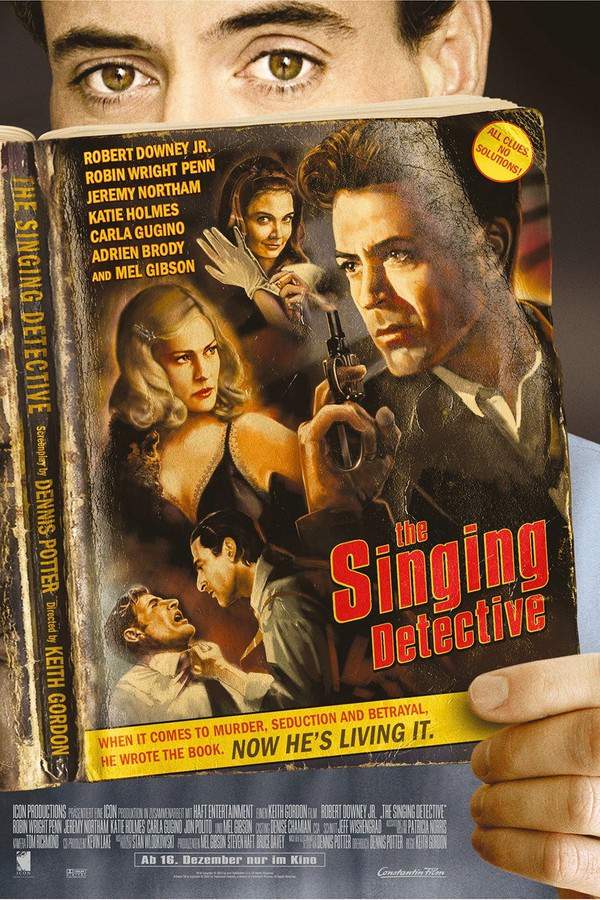
The Singing Detective (2003) Film Overview & Timeline
All That Jazz (1979) Full Summary & Key Details
Circus (2000) Full Summary & Key Details
The People's Joker (2024) Complete Plot Breakdown
Batman vs. Two-Face (2017) Story Summary & Characters
L’Addition (1984) Complete Plot Breakdown
Gotham (1988) Full Summary & Key Details
Joker (1991) Complete Plot Breakdown
The Jokers (1967) Complete Plot Breakdown
The Joker is Wild (1957) Film Overview & Timeline
The Criminals, Part 2: Homicides (1976) Full Movie Breakdown