Plot Explained Spoilers guaranteed!
Plot Explained

Browse by genre

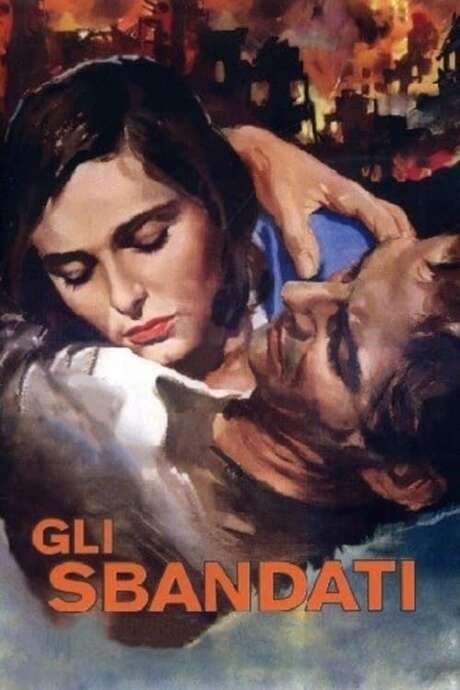
Johnny the Partisan (2000) movie poster

Plot Summary

Johnny the Partisan (2000) Plot Summary Explained

Release, runtime and language
2000 · 135 mins · Italian
Loading streaming availability…
Directed by
Guido Chiesa
Starring
Giovanni Esposito, Andrea Di Casa, Giuseppe Cederna, Antonio Petrocelli, Stefano Dionisi, Davide Lorino

After Germany occupies northern Italy on September 8 1943, Italian army collapses and civilians retreat to the mountains to resist. Johnny, a literature student, joins first the communist “red” partisans, then the “azure” bands, only to find both harsh. He witnesses Alba’s liberation, endures winter after many are captured, and takes part in an attack before war ends months later.

On this page (6)
  1. 1 Where to watch
  2. 2 What happens: full plot
  3. 3 Plot questions answered
  4. 4 Movie threads
  5. 5 Movies like Johnny the Partisan
  6. 6 Every angle
Loading streaming availability…

Full plot summary · contains spoilers

What Happens in Johnny the Partisan: Full Plot Summary

The whole story of Johnny the Partisan (2000) explained, from the opening scene to the final frame: every key event, every twist and what it all adds up to. Read it as a quick recap before the sequel, to check a scene you missed, or to finally understand what really happened.

Johnny, Stefano Dionisi, a university student with a passion for English literature, deserts the Italian Army in Rome after the September 1943 Badoglio Proclamation and returns home to Alba. He initially hides in a villa in the hills, where he devotes himself to his studies, a quiet interlude before the war reasserts itself. After the death of a friend, he decides to fight again and leaves the city to join the first partisan formation he encounters—the Reds—led by a commander named Biondo. He does not share their communist ideology, only their fierce determination to oppose the Fascists.

Left alone after the group disperses under a German attack, he reaches a formation of the Badogliani, also called the Blues, or Autonomous, led by the charismatic North Commander (Nord). This group is in contact with the Anglo-American allies, who are better equipped and organized. Among them, he meets his dear friend Ettore, Fabrizio Gifuni. Together they participate in the temporary, symbolic occupation of Alba.

Multiple small clashes decimate and disperse their forces, and Ettore is captured and sentenced to death. Johnny finds himself facing the hard winter of 1944 alone again. In the spring, Nord gathers the men and resumes guerrilla activities. The film ends on a still shot of Johnny engaged in combat, perhaps overwhelmed by enemies, followed by the words "Two months after the war was over."

> Two months after the war was over.

Last updated: January 28, 2026 at 12:45

Was this helpful?

Plot questions answered

Johnny the Partisan Plot Explained: Your Questions Answered

The questions people ask most about Johnny the Partisan (2000): what happens in the confusing scenes, why the characters do what they do, the twists, hidden details and what the ending means. Each answer contains spoilers.

Q1

Why does Johnny join the Reds after his friend's death?

Johnny joins the Reds after a close friend is killed because his death triggers a desire for revenge and action against the Fascists. Rather than staying hidden in the villa studying literature, he chooses to fight. He doesn't share their communist ideology, he only shares their determination to oppose the Fascists. The decision represents his shift from passive躲藏 to active resistance.

Foreshadowing: Earlier in the film, Johnny is shown studying peacefully in the villa, suggesting he initially preferred isolation over confrontation.

  • Johnny
  • Reds
  • Biondo
  • friend death
  • join partisans
Q2

Why does Johnny leave the Reds and join the Blues?

Johnny leaves the Reds after a German attack scatters the group, leaving him isolated. He then finds the Badogliani Blues (Autonomous) led by Nord, who maintains contact with Anglo-American allies and has better equipment and organization. The Blues are not communist but rather represent the monarchist Badoglio faction, which distinguishes them ideologically from the Reds.

Foreshadowing: The Reds are described as having communist ideology, which Johnny does not share, creating an underlying tension that becomes relevant when he seeks a new group.

  • Reds
  • Blues
  • Badogliani
  • Nord
  • switch groups
Q3

What happens to Ettore in the movie?

Ettore, Johnny's dear friend whom he reunites with among the Blues, is captured during a series of small clashes that decimate their forces. He is sentenced to death by the Fascists. This event marks a major turning point, intensifying the danger for Johnny and the remaining fighters while underscoring the harsh price of resistance.

Foreshadowing: Johnny and Ettore's reunion during the symbolic occupation of Alba is brief, hinting at the fragility of their success.

  • Ettore
  • capture
  • sentenced to death
  • Fabrizio Gifuni
Q4

Why does Johnny endure the winter alone?

Johnny is left alone after the Blues are decimated by a series of small clashes and forced to disperse. Ettore has been captured, many fighters have been killed or captured, and the group dissolves. Johnny must survive the harsh winter of 1944-45 in isolation, continuing his resistance despite being completely alone.

Foreshadowing: The dispersal after the clashes mirrors earlier dispersals, showing Johnny's pattern of repeated loss and isolation.

  • winter
  • isolation
  • 1944
  • alone
  • dispersion
Q5

What is the difference between the Reds and Blues partisan groups?

The Reds are communist partisans led by Biondo, representing left-wing ideological resistance. Johnny joins them simply because they are the first group he encounters, not because he shares their beliefs. The Blues (Badogliani or Autonomous) are non-communist, led by the charismatic Nord, and maintain contact with Anglo-American allies, giving them better equipment and coordination. They represent the monarchist faction that supported King Badoglio after Italy's surrender.

Foreshadowing: Johnny's initial refusal to adopt communist ideology hints at his eventual shift to the non-communist Blues.

  • Reds
  • Blues
  • communist
  • Badogliani
  • autonomous
  • difference
Q6

What does the ending mean when Johnny is still fighting two months after the war ended?

The ending shows a freeze-frame of Johnny in combat, followed by the words 'Two months after the war was over.' This ambiguous, bleak conclusion strongly suggests Johnny dies in battle even after Germany's surrender. It underscores the tragic fate of many resistance fighters who continued fighting or were caught in final skirmishes, highlighting the war's lingering violence and the uncertainty faced by partisans after Allied victory.

Foreshadowing: The repeated pattern of loss, dispersion, and solitary fighting throughout the film builds toward this tragic conclusion.

  • ending
  • freeze frame
  • war over
  • July 1945
  • tragic fate
Q7

Why does Johnny keep fighting after Ettore is captured and most fighters are killed?

Johnny continues fighting despite losing Ettore and many companions because his resolve to resist the Fascists remains strong. The death of his earlier friend already compelled him to join the fight, and the capture of Ettore only deepens his commitment. Even when alone during the harsh winter, he persists until Nord reorganizes the remaining fighters in spring.

Foreshadowing: Johnny's initial desertion from the Italian Army followed by his return to fight demonstrates his persistent resistance even when circumstances seem hopeless.

  • motivation
  • persistence
  • Ettore
  • resistance
  • fight
Q8

What motivates Johnny to join the resistance?

Johnny's primary motivation is personal revenge and a desire to fight Fascism after a close friend is killed. He is a literature student who initially retreats to a villa to study, but the friend's death compels him to action. Unlike many partisans, he has no ideological commitment, he simply wants to oppose the occupying forces. His motivation remains consistent: personal loss driving resistance rather than political ideology.

Foreshadowing: The peaceful interlude in the villa studying literature contrasts sharply with the violence that later consumes him.

  • motivation
  • revenge
  • friend death
  • resistance
  • literature student
Q9

Why does Johnny hide in the villa in the hills after deserting the army?

After deserting the Italian Army following the September 1943 Badoglio Proclamation, Johnny returns to his hometown of Alba and hides in a villa in the hills. He uses this time to devote himself to studying English literature, treating it as a quiet interlude before the war reasserts itself. This period represents his attempt to maintain normalcy and intellectual life despite the chaos surrounding Italy's surrender and the German occupation.

Foreshadowing: His peaceful study is disrupted when news of his friend's death reaches him, forcing him back into the conflict.

  • villa
  • hills
  • study
  • literature
  • hide
  • Alba
Q10

What is the significance of the symbolic occupation of Alba?

The symbolic occupation of Alba occurs in spring 1944 when Johnny and Ettore, now reunited among the Blues, participate in a temporary occupation of the town. It is described as symbolic rather than a sustained military gain, intended to boost local morale and demonstrate resistance presence. The action is short-lived as the partisans lack the resources to hold the town, but it represents a moment of defiance and hope amid the occupation.

Foreshadowing: This brief victory is followed by subsequent clashes that decimate their forces, showing the fleeting nature of their success.

  • occupation
  • Alba
  • symbolic
  • spring 1944
  • morale
Q11

Who is Nord and why is he important to Johnny?

Nord is the charismatic commander of the Badogliani Blues (Autonomous) partisan group. He maintains contact with Anglo-American allies, which provides the Blues with better equipment and organization compared to other partisan bands. When Johnny is left alone after the Reds disperse, Nord's group becomes his new home. Nord's leadership is crucial in reorganizing the resistance in spring 1945 after the harsh winter, gathering the remaining fighters including Johnny for renewed guerrilla action.

Foreshadowing: The transition from Biondo to Nord represents Johnny's shift from ideologically-driven groups to those with Allied support.

  • Nord
  • commander
  • Blues
  • charismatic
  • Allied support

Movie threads

More Movies Like Johnny the Partisan, by Mood & Story

Curated lists built around what makes Johnny the Partisan tick: the same mood, the same kind of story or the same emotional payoff. Each list explains why these movies belong together.

Solitary survival war stories like Johnny the Partisan

Stories of individuals navigating the harsh reality of conflict alone. Movies about individuals surviving war alone, featuring themes of isolation, harsh environments, and personal resilience. If you liked Johnny the Partisan's lonely journey through the Italian mountains, you'll find similar solitary wartime narratives here.

  • isolated
  • resilient
  • melancholic
  • grim
  • war-weary
  • solitary
  • Tone: melancholic, bleak, isolating
  • Pacing: variable, with periods of reflection punctuated by intense action
Why these movies?

The story pattern: These stories typically follow a lone protagonist navigating the harsh realities of war, often separated from larger units or groups. The narrative emphasizes personal survival, resourcefulness, and the psychological toll of isolation amid conflict.

Why they belong together: Movies are grouped by their focus on individual wartime survival rather than collective military action. They share a melancholic tone, heavy emotional weight, and themes of isolation, harsh environments, and personal endurance.
Ideological disillusionment war dramas like Johnny the Partisan

Characters confronting the gap between their beliefs and wartime reality. Movies about characters whose political ideals are tested by the brutality of war. If you liked Johnny the Partisan's journey through both communist and azure partisan groups, you'll appreciate these stories of political disillusionment.

  • disillusioned
  • reflective
  • grim
  • determined
  • political
  • morally complex
  • Tone: grim, reflective, disillusioned
  • Pacing: steady character development with moments of intensity
Why these movies?

The story pattern: These narratives typically follow idealistic characters who enter conflicts with strong political or moral beliefs, only to discover that reality is far more complex and brutal than their ideology suggested. The journey often involves loss, moral compromise, and ambiguous outcomes.

Why they belong together: Films are grouped by their shared theme of ideological disillusionment amid conflict. They feature characters who must reconcile their beliefs with the grim realities of war, creating emotionally heavy stories with ambiguous or bittersweet endings.

If you liked this

Movies Like Johnny the Partisan

Similar movies to Johnny the Partisan: the same genre, themes or kind of story. Each one comes with its own plot summary, timeline and ending explained.

Browse all movie summaries

Every angle

Johnny the Partisan (2000) Explained: Plot, Timeline & Characters

Everything about Johnny the Partisan in one place: what happens in the plot summary, the timeline in chronological order, the characters and meaning and a spoiler-free summary. What's After the Movie adds the cast, box office and post-credit scenes.

Coming soon on iOS and Android

The Plot Explained Movie Summary App

Plot summaries, endings explained and timelines on your phone. Catch up on any movie in minutes, save your favorites and never miss a twist again.

Be the first to know when we launch. Your email stays private, always.

Learn more about the app