Plot Explained Spoilers guaranteed!
Plot Explained

Browse by genre

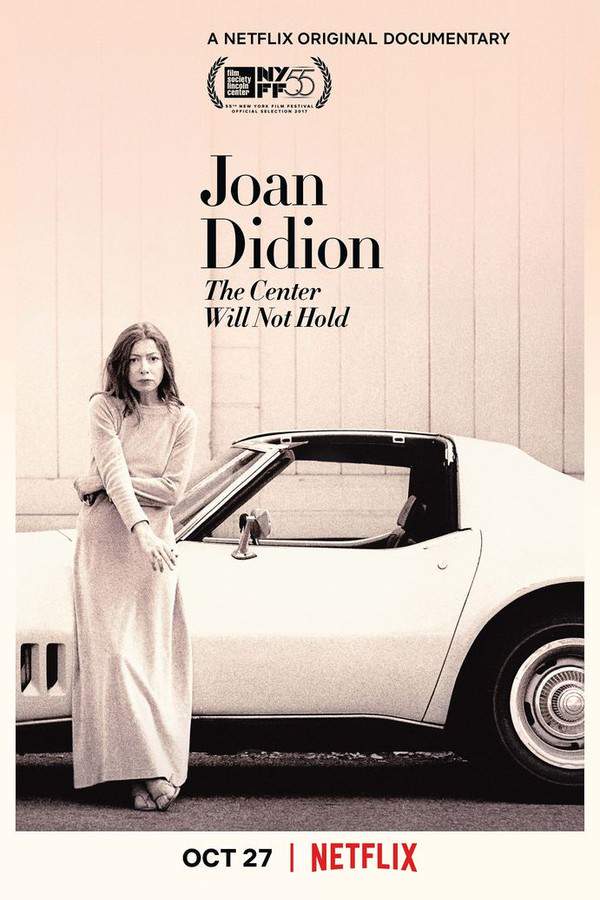
Joan Didion: The Center Will Not Hold (2017) movie poster

Characters & Themes

Joan Didion: The Center Will Not Hold (2017) Characters, Setting & Themes Explained

Release, runtime and language
2017 · 94 min · English
Echo score 65
Loading streaming availability…
Starring
Harrison Ford, Hilton Als, Griffin Dunne, Amy Robinson, Catherine Hearst, David Hare

This documentary explores the life and career of acclaimed writer Joan Didion, interweaving her personal story with the cultural and political landscape of America. Through candid conversations with her nephew, Griffin Dunne, the film reveals Didion’s journey as a writer, from her observations of the 1960s counterculture to her experiences with profound grief and loss. It offers an intimate look at a remarkable woman and her enduring impact on American literature.

On this page (9)
  1. 1 Where to watch
  2. 2 Characters explained (4)
  3. 3 Character relationship map
  4. 4 Where & when it takes place
  5. 5 Themes & meaning (3)
  6. 6 Character & meaning questions
  7. 7 Movie threads
  8. 8 Movies like Joan Didion: The Center Will Not Hold
  9. 9 Every angle
Loading streaming availability…

4 main characters · contains spoilers

Joan Didion: The Center Will Not Hold Characters Explained: Who Is Who

The main characters of Joan Didion: The Center Will Not Hold (2017), heroes and villains: what drives them, how they change over the course of the story and what each of them reveals about the film's bigger ideas.

  • Joan Didion

    Joan Didion is a complex and introspective character who reflects on her life experiences through her writing. As a renowned author, she grapples with themes of identity, loss, and societal changes that shape her worldview. Her vulnerability is contrasted with her resilience, as she uses her literary gifts to process grief and articulate her thoughts.

    • ✍️ Writer
    • 🌍 Observer
  • John Gregory Dunne

    John Gregory Dunne is portrayed as Didion's supportive yet complex partner, who influences her writing and life choices. His struggles and eventual death have a profound impact on Didion, forcing her to confront her own vulnerabilities as both a writer and a mother. Their relationship adds depth to her narrative of love, loss, and creative inspiration.

    • ❤️ Husband
    • 📖 Writer
  • Quintana Roo Dunne

    Quintana Roo Dunne, Joan Didion's adopted daughter, embodies the theme of motherhood and loss. Her struggles with illness and identity deeply affect Didion, prompting reflections on their relationship. Quintana's life and tragic death serve as a catalyst for Didion's exploration of grief in her later works.

    • 👶 Daughter
    • 💔 Loss
  • Griffin Dunne

    Griffin Dunne is portrayed as Joan Didion's supportive nephew, who plays a crucial role in helping her regain her health while preparing for a play about her life. His involvement showcases the importance of family and connection in the face of adversity, highlighting the oral and familial history of Didion's narrative.

    • 👦 Nephew
    • 🎭 Playwright

Last updated: October 27, 2026 at 13:00

Was this helpful?

4 characters · 5 connections · contains spoilers

Joan Didion: The Center Will Not Hold Character Relationship Map

Who is connected to whom in Joan Didion: The Center Will Not Hold: family, love, friendships, rivalries and hidden ties, colour-coded. Pick a character to see their side of the story, or a connection to see what brings two characters together.

How much of the story to show
JDJoan DidionJGJohn GregoryDunneQRQuintanaRoo DunneGDGriffin Dunne

Last updated: October 27, 2026 at 13:00

Was this helpful?

Setting

Where and When Does Joan Didion: The Center Will Not Hold Take Place?

The setting of Joan Didion: The Center Will Not Hold (2017): the year and time period, the places and locations, and how they shape the characters, the mood and the tension of the story.

Time period

1960s-2000s

The narrative unfolds from the 1960s through the early 2000s, a period marked by significant cultural shifts in America, including the rise of hippie culture and political turbulence. Didion's journey reflects the personal and societal transformations of this era, including her struggles with marriage, motherhood, and loss. This time is also characterized by Didion's evolving writing style and focus on more profound themes.

Location

San Francisco, Sacramento, New York, Portuguese Bend, Malibu

The movie explores various locations significant to Joan Didion's life, including San Francisco where she sought employment, and Sacramento, her birthplace. It also highlights New York, where she lived with her husband, and the coastal beauty of Malibu, where she experienced personal growth and writing inspiration. Portuguese Bend serves as a symbolic temporary home during a transformative period in Didion's life.

  • 🏙️ City
  • 🌊 Beach
  • 🏞️ Nature

Last updated: October 27, 2026 at 13:00

Was this helpful?

3 major themes

Joan Didion: The Center Will Not Hold Meaning: Themes & Message Explained

What is Joan Didion: The Center Will Not Hold (2017) really about? The emotional, social and philosophical themes the film keeps returning to, its symbolism and the message beneath the surface.

  • Writing & Identity

    The central theme revolves around the exploration of writing as a means of self-discovery and coping with personal crises. Didion uses her literary voice to articulate her experiences, shaping her identity as a writer. The act of writing becomes both a sanctuary and a confrontation with her inner turmoil and societal observations.

  • Grief & Loss

    The profound grief Didion experiences following the deaths of her husband and daughter is a key theme. This emotional turmoil leads her to reflect on her relationships and her role as a mother. Through her writing, Didion confronts her sorrow, capturing the complexities of mourning and the struggle to keep memories alive.

  • Change & Transition

    Didion's life is marked by continuous change and transition, from moving cities to shifts in her personal and professional life. This theme underlines her adaptability and the struggle to find stability amid chaos. It highlights the challenges of managing change within herself and the external world.

Last updated: October 27, 2026 at 13:00

Was this helpful?

Character & theme questions

Joan Didion: The Center Will Not Hold Characters & Meaning: Your Questions Answered

The questions people ask about Joan Didion: The Center Will Not Hold (2017): who the characters really are, their relationships, what the symbols mean, where it takes place and what the movie is really about. Each answer contains spoilers.

Q1

Where does Joan Didion's story unfold in the documentary?

The documentary moves through several locations that shaped Joan Didion's life, including Sacramento, where she was born, San Francisco, where she sought early employment, and New York, where she built her literary career with her husband. It also features Malibu and Portuguese Bend, coastal California settings tied to her later personal transformation. Together, these places trace her geographic and emotional journey across the second half of the 20th century.

  • San Francisco
  • Sacramento
  • New York
  • Malibu
  • Portuguese Bend
  • California
Q2

What time period does the documentary cover?

The film spans from the 1960s through the early 2000s, tracking Joan Didion's evolution alongside major shifts in American culture. It begins during the rise of the counterculture and political turbulence of the late 1960s and extends into a period of personal reckoning and continued literary output. This wide timeframe allows the documentary to connect her personal story to several decades of American history.

  • 1960s
  • counterculture
  • American history
  • cultural shifts
  • late 20th century
Q3

Who is Joan Didion and why does the film focus on her?

Joan Didion was an acclaimed American writer known for her sharp, observational prose and her ability to capture the emotional textures of American life. The documentary focuses on her because of her enduring influence on literature and her unique way of turning personal experience into cultural commentary. It presents her not just as an author but as a witness to decades of American change, from the counterculture to personal tragedy.

  • Joan Didion
  • writer
  • American literature
  • cultural observer
  • memoirist
Q4

How does writing function as a theme in the film?

Writing is presented as both Joan Didion's professional identity and her primary way of processing personal crisis. The documentary shows how she used her literary voice to make sense of grief, identity, and a rapidly changing country. Through her craft, Didion transforms private pain into widely resonant work, making writing itself a central force in her survival and self-understanding.

  • writing
  • identity
  • literary voice
  • self-discovery
  • craft
Q5

How does the documentary explore Joan Didion's experience of grief?

The film treats grief as one of its most defining emotional currents, particularly following the deaths of her husband, John Gregory Dunne, and her daughter, Quintana Roo Dunne. It shows how Didion turned to writing as a way to confront and articulate her sorrow, producing some of her most celebrated later work. Rather than avoiding the rawness of these losses, the documentary uses them as a lens into her inner world and her evolving relationship with memory.

  • grief
  • loss
  • mourning
  • John Gregory Dunne
  • Quintana Roo Dunne
  • memory
Q6

How does Joan Didion's life connect to broader American history?

The documentary consistently places Didion's personal experiences alongside the cultural and political shifts of her era, showing how her writing responded to events like the 1960s counterculture, social unrest, and political violence. Rather than treating her as a purely literary figure, the film argues that her observations helped Americans understand their own history and anxieties. Her life becomes a mirror for the country's transformations between the 1960s and the early 2000s.

  • American history
  • cultural shifts
  • chronicler
  • political turbulence
  • observer
Q7

What cultural and political events are referenced in the documentary?

The film weaves Joan Didion's personal story into several defining moments of late-20th-century America, including the counterculture of the 1960s, the Manson murders, and political unrest in Central America. It also touches on cases like the Central Park jogger case, showing how Didion reported on and absorbed the cultural anxieties of her time. These references position her not just as a writer but as a chronicler of American unease.

  • counterculture
  • Manson murders
  • Central Park
  • political unrest
  • 1960s
Q8

What role does Griffin Dunne play in the documentary?

Griffin Dunne serves as Joan Didion's nephew and the primary guide through the documentary, conducting candid conversations with her and framing the narrative. His involvement adds a deeply personal, familial dimension to the film, since he also has firsthand knowledge of her life and losses. He is also connected to a play about Didion's life, which the film references as part of his effort to honor and preserve her story.

  • Griffin Dunne
  • nephew
  • narrator
  • family
  • conversation
Q9

What was Joan Didion's relationship with John Gregory Dunne like?

John Gregory Dunne was Joan Didion's husband and longtime creative partner, and the documentary presents their relationship as both deeply supportive and complex. He influenced her writing and life choices, and their partnership shaped some of her most important work. His death, alongside the later loss of their daughter, marked the emotional turning point of the film and reframed Didion's later writing around mourning and reflection.

  • John Gregory Dunne
  • husband
  • creative partner
  • marriage
  • collaboration
Q10

Who was Quintana Roo Dunne and how is she portrayed?

Quintana Roo Dunne was Joan Didion's adopted daughter, whose life and tragic death became central to the documentary's exploration of motherhood and loss. The film portrays her as a figure who profoundly shaped Didion's emotional landscape, particularly through her struggles with illness and identity. Quintana's story serves as a catalyst for Didion's most introspective reflections on grief, memory, and parental love.

  • Quintana Roo Dunne
  • adopted daughter
  • motherhood
  • illness
  • loss
Q11

What kind of woman does the documentary portray Joan Didion as?

The film portrays Joan Didion as introspective, resilient, and emotionally complex, balancing sharp literary discipline with deep vulnerability. It emphasizes her ability to observe the world with precision while quietly enduring profound personal loss. Her portrayal is neither sentimental nor purely triumphant, presenting her instead as a writer whose strength came from confronting, rather than avoiding, her own grief.

  • Joan Didion
  • resilience
  • vulnerability
  • introspection
  • portrait
Q12

What role does California play in Joan Didion's story?

California functions as both a literal and emotional landscape throughout the documentary, beginning with her Sacramento origins and extending to her years in Malibu and Portuguese Bend. These coastal settings are tied to periods of personal growth, writing inspiration, and transformation. The film uses the California backdrop to suggest how place, identity, and Didion's literary voice were deeply intertwined.

  • California
  • Sacramento
  • Malibu
  • Portuguese Bend
  • West Coast

Movie threads

More Movies Like Joan Didion: The Center Will Not Hold, by Mood & Story

Curated lists built around what makes Joan Didion: The Center Will Not Hold tick: the same mood, the same kind of story or the same emotional payoff. Each list explains why these movies belong together.

Intimate writer portraits like Joan Didion: The Center Will Not Hold

Quiet films about literary voices holding their private devastation. Movies like Joan Didion: The Center Will Not Hold that follow acclaimed writers and thinkers through profound personal grief, blending biography, literary legacy, and quiet devastation. These intimate documentary portraits trace how loss reshapes a creative life and a public voice, offering reflective viewing for fans of literary biography.

  • literary
  • grief-stricken
  • intimate
  • contemplative
  • quiet devastation
  • biographical
  • Tone: melancholic, reflective
  • Pacing: slow, contemplative
Why these movies?

The story pattern: Stories in this thread usually unfold as a quiet accumulation of memory rather than a dramatic arc. They trace a writer or creative figure from early ambitions and craft, through cultural influence, into deeply personal losses, often the death of a partner or child. The narrative moves through interviews, archival footage, and reflective narration, slowly revealing how grief and creative work intertwine. Recognition or artistic vindication may arrive, but never fully erases the private sorrow at the center.

Why they belong together: They are grouped by their shared focus on literary and journalistic lives shaped by grief, their reliance on intimate testimony rather than spectacle, and their sustained melancholic register. The pacing is slow, the emotional weight is heavy, and the storytelling prioritizes reflection and craft over plot. Viewers come for the writer, but stay for the honesty about loss and creativity.
Slow, melancholic documentaries like Joan Didion: The Center Will Not Hold

Slow, reflective documentaries that carry the weight of a whole life. If you liked Joan Didion: The Center Will Not Hold, you'll love these slow-paced documentaries and intimate biographies that blend personal story with American cultural history. Each offers a contemplative, melancholic experience with a bittersweet ending, heavy emotional weight, and the sense of witnessing a remarkable life marked by both achievement and loss.

  • slow
  • contemplative
  • melancholic
  • intimate
  • nostalgic
  • bittersweet
  • Tone: melancholic, bittersweet
  • Pacing: slow, meditative
Why these movies?

The story pattern: Films in this thread typically trace a single life from formative years through public recognition, with cultural and political history woven in as backdrop rather than focus. Conflict is internal: regret, grief, aging, moral reckoning. The narrative privileges archival texture, lingering interviews, and quiet moments over action, and the ending usually carries a bittersweet or melancholic note that honors both triumph and what was lost along the way.

Why they belong together: They share a patient, reflective pacing, a melancholic or bittersweet tone, and a moderate complexity that invites viewers into a specific life and era. The intensity is restrained but the sadness score is high, and the stories reward close attention. Together they form a viewing mood of quiet devastation, ideal for audiences who value emotional truth and craftsmanship over spectacle.

If you liked this

Movies Like Joan Didion: The Center Will Not Hold

Similar movies to Joan Didion: The Center Will Not Hold: the same genre, themes or kind of story. Each one comes with its own plot summary, timeline and ending explained.

Browse all movie summaries

Every angle

Joan Didion: The Center Will Not Hold (2017) Explained: Plot, Timeline & Characters

Everything about Joan Didion: The Center Will Not Hold in one place: what happens in the plot summary, the timeline in chronological order, the characters and meaning and a spoiler-free summary. What's After the Movie adds the cast, box office and post-credit scenes.

Coming soon on iOS and Android

The Plot Explained Movie Summary App

Plot summaries, endings explained and timelines on your phone. Catch up on any movie in minutes, save your favorites and never miss a twist again.

Be the first to know when we launch. Your email stays private, always.

Learn more about the app