Year: 1951
Runtime: 107 mins
Language: English
Director: Michael Curtiz
The film chronicles the triumph and tragedy of Native American athlete Jim Thorpe, who captured gold in both the pentathlon and the decathlon at a single Olympic Games. Despite his historic double victory, he was later stripped of the medals on a technicality, a loss that underscored the personal and cultural costs of his achievement.
Find where to stream, rent, or buy Jim Thorpe – All-American (1951) in the US with current JustWatch availability, up-to-date pricing, and platform listings for subscription, rental, and digital purchase options.
Warning: spoilers below!
Haven’t seen Jim Thorpe – All-American yet? This summary contains major spoilers. Bookmark the page, watch the movie, and come back for the full breakdown. If you're ready, scroll on and relive the story!
Explore the full timeline and setting of Jim Thorpe – All-American (1951). Follow every major event in chronological order and see how the environment shapes the story, characters, and dramatic tension.
Last updated: October 04, 2025 at 18:30
Meet the key characters of Jim Thorpe – All-American (1951), with detailed profiles, motivations, and roles in the plot. Understand their emotional journeys and what they reveal about the film’s deeper themes.
Last updated: October 04, 2025 at 18:30
Explore the central themes of Jim Thorpe – All-American (1951), from psychological, social, and emotional dimensions to philosophical messages. Understand what the film is really saying beneath the surface.
Last updated: October 04, 2025 at 18:30
Browse frequently asked questions about Jim Thorpe – All-American (1951) focused on characters, relationships, themes, symbols, setting, and story context. This movie info FAQ gives spoiler-aware explanations for character arcs, world details, and thematic interpretation so readers can better understand what the film is really about.
The film is primarily set at the Carlisle Indian Industrial School in Carlisle, Pennsylvania. This boarding school served as both an educational institution and athletic training ground where Jim Thorpe developed his extraordinary talents. The setting reflects the complex environment of Native American students navigating competition and assimilation pressures.
The narrative spans the early 20th century through the 1932 Olympics, covering approximately three decades. It includes landmark moments like the 1912 Olympic Games where Thorpe won his historic gold medals, followed by his years in professional sports. The era was defined by strict amateurism rules and pervasive racial tensions affecting Native American athletes.
Jim Thorpe's identity sits at the core of the story, balancing his Indigenous heritage with the expectations of white-dominated institutions. The film highlights the discrimination he faced as a Native American athlete seeking equal opportunity in amateur sports. His journey explores what belonging means when cultural heritage is routinely questioned and scrutinized.
The film addresses the contradictions of amateur status rules that stripped Jim Thorpe of his Olympic medals when his prior professional baseball finances were exposed. The controversy probes whether greatness should depend on arbitrary labels rather than recognized talent and hard work. This plot point underscores the personal and cultural costs of competing within biased institutional frameworks.
Pop Warner is a visionary yet pragmatic coach who recognizes Jim Thorpe's unique talent and shapes his path across multiple sports. He serves as both mentor and father figure, guiding Jim through pivotal career decisions while balancing the risk of diluting his track program with the opportunity to harness his versatility for football. Warner represents the complex relationship between institutional leadership and individual athlete development.
Facing personal losses including the death of his son and public scrutiny over the medal stripping, Jim refuses to surrender to despair. His persistence leads him to continue teaching and mentoring others, even after tragedy. The theme frames resilience as a guiding force that keeps him connected to coaching and community despite overwhelming setbacks.
Reconciliation with Pop Warner and Jim's later coaching career illustrate that his legacy extends far beyond his medal count. The film emphasizes forgiveness, mentorship, and the enduring impact a leader can have on young athletes. The ending shows Jim finding renewed purpose in helping others discover their potential, suggesting legacy is about influence rather than trophies.
Margaret Miller is Jim Thorpe's love interest who becomes his wife, navigating the complexity of cross-cultural romance in a racially charged era. Her white identity adds social tension yet deepens the emotional stakes of their relationship. Her support helps Jim cope with both personal and professional setbacks throughout his career.
The Carlisle Indian Industrial School was one of the most prominent boarding schools for Native American students in the United States. It became renowned for producing elite athletes, particularly in track and field and football. The school represents a unique intersection of education, assimilation policies, and athletic excellence during the early 20th century.
The film explores four interconnected themes: Indigenous identity and belonging in white-dominated institutions, athletic ambition complicated by amateurism rules, personal resilience through tragedy and loss, and legacy defined by mentorship rather than medals. These themes interweave to create a bittersweet portrait of an athlete whose achievements were overshadowed by institutional bias.
Discover curated groups of movies connected by mood, themes, and story style. Browse collections built around emotion, atmosphere, and narrative focus to easily find films that match what you feel like watching right now.
Athletic triumphs overshadowed by the crushing personal costs of fame.If you liked the bittersweet story of Jim Thorpe – All-American, you'll find similar movies here. These films explore inspiring sports underdog stories and biographical dramas where great victories are tempered by personal tragedy, discrimination, or loss, creating a deeply resonant, heavy emotional experience.
Stories in this thread often follow a rise-and-fall structure, charting a character's ascent to glory followed by a descent fueled by external pressures or internal flaws. The narrative arc emphasizes the contrast between public triumph and private suffering, creating a complex emotional journey that is both uplifting and grieving.
Movies are grouped here because they share a core emotional dynamic: the bittersweet tension between celebratory achievement and profound personal cost. They deliver the thrill of victory while forcing a contemplation of its price, often through themes of racial discrimination, grief, and the fleeting nature of fame.
Straightforward life stories where great achievements are shadowed by loss.Find movies similar to Jim Thorpe – All-American in this collection of biographical dramas. These films offer straightforward, steady-paced narratives about real people, blending inspiring achievements with a melancholic tone and themes of grief, loss, and resilience for a powerfully human viewing experience.
The narrative pattern is a linear chronicle of a life, moving steadily through key events without complex flashbacks or non-linear tricks. This simple structure allows the emotional weight to build naturally, focusing on the emotional truth of the subject's experiences—both the peaks of success and the valleys of despair.
These films are grouped by their shared approach to biography: a steady pacing, a straightforward narrative complexity, and a fundamentally bittersweet tone that refuses to simplify a life into just a success or failure story. They resonate because they feel honest and emotionally rich.
Don't stop at just watching - explore Jim Thorpe – All-American in full detail. From the complete plot summary and scene-by-scene timeline to character breakdowns, thematic analysis, and a deep dive into the ending - every page helps you truly understand what Jim Thorpe – All-American is all about. Plus, discover what's next after the movie.
Read a complete plot summary of Jim Thorpe – All-American, including all key story points, character arcs, and turning points. This in-depth recap is ideal for understanding the narrative structure or reviewing what happened in the movie.
Track the full timeline of Jim Thorpe – All-American with every major event arranged chronologically. Perfect for decoding non-linear storytelling, flashbacks, or parallel narratives with a clear scene-by-scene breakdown.
Discover movies like Jim Thorpe – All-American that share similar genres, themes, and storytelling elements. Whether you’re drawn to the atmosphere, character arcs, or plot structure, these curated recommendations will help you explore more films you’ll love.
Jim Thorpe – All-American (1951) Plot Summary & Movie Recap
Jim Thorpe – All-American (1951) Scene-by-Scene Movie Timeline
Jim Thorpe – All-American (1951) Spoiler-Free Summary & Key Flow
Movies Like Jim Thorpe – All-American – Similar Titles You’ll Enjoy
Race (2016) Spoiler-Packed Plot Recap
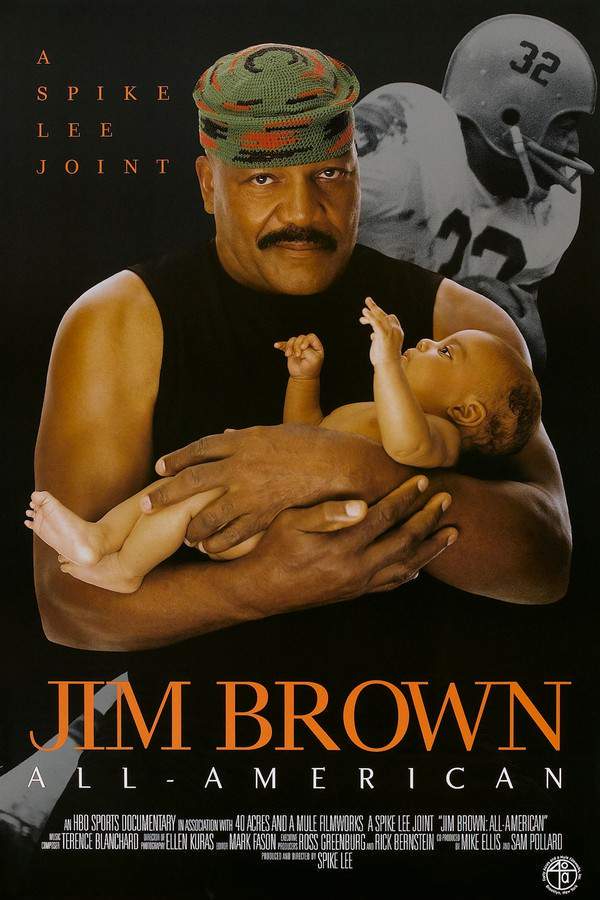
Jim Brown: All American (2002) Film Overview & Timeline
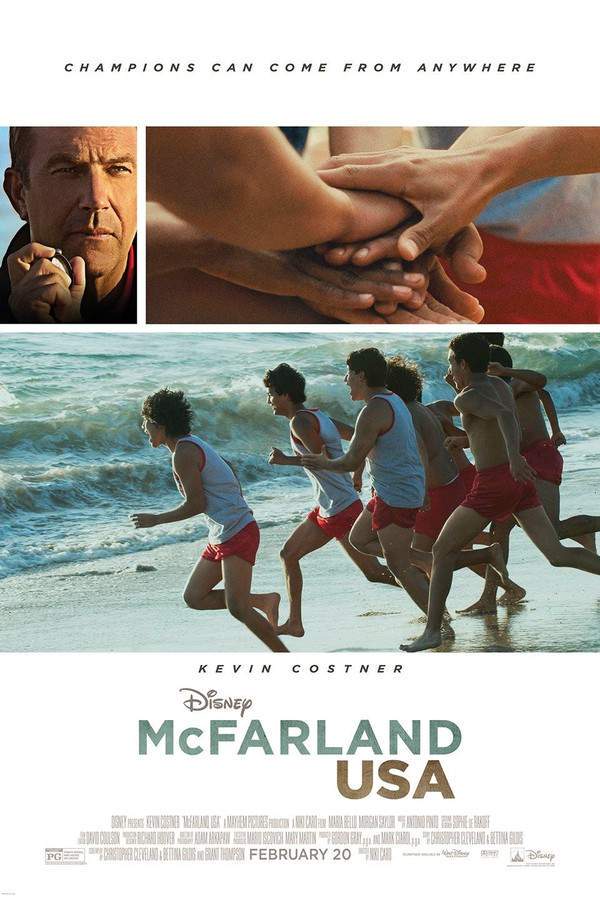
McFarland USA (2015) Movie Recap & Themes
The Natural (1984) Story Summary & Characters
American Underdog (2021) Ending Explained & Film Insights
Without Limits (1998) Full Summary & Key Details
The Jesse Owens Story (1984) Story Summary & Characters
Everybody’s All-American (1988) Plot Summary & Ending Explained
Running Brave (1983) Movie Recap & Themes
Colin in Black and White (1000) Film Overview & Timeline
That’s My Boy (1932) Spoiler-Packed Plot Recap
The Jackie Robinson Story (1950) Plot Summary & Ending Explained
Knute Rockne All American (1940) Detailed Story Recap
Jim Thorpe: Lit by Lightning (2025) Plot Summary & Ending Explained
The Athlete (2009) Story Summary & Characters