Year: 1951
Runtime: 107 mins
Language: English
Director: Michael Curtiz
The film chronicles the triumph and tragedy of Native American athlete Jim Thorpe, who captured gold in both the pentathlon and the decathlon at a single Olympic Games. Despite his historic double victory, he was later stripped of the medals on a technicality, a loss that underscored the personal and cultural costs of his achievement.
Warning: spoilers below!
Haven’t seen Jim Thorpe – All-American yet? This summary contains major spoilers. Bookmark the page, watch the movie, and come back for the full breakdown. If you're ready, scroll on and relive the story!
Read the complete plot breakdown of Jim Thorpe – All-American (1951), including all key story events, major twists, and the ending explained in detail. Discover what really happened, and what it all means.
During a banquet, legendary football coach Pop Warner Charles Bickford rises and gives a speech praising Jim Thorpe, which leads to a flashback.
Young Jim Thorpe runs all the way home before his first day at an Indian reservation school, but his father talks him into going back, telling him that he wants his son to make something of himself. Years later, a now-adult Jim arrives on the campus of Carlisle School to continue his education. He likes his roommates at the boarding school well enough, fast-talking Ed Guyac and the huge Little Boy Who Walk Like Bear, but nearly gets into a fight with upperclassman and football star Peter Allendine.
When the academic pressure becomes too much for him, Jim goes for a long run, during which he outraces some practicing track athletes. Witnessing this, Pop Warner talks Jim into joining the track team. Jim is so talented, versatile, and quick to learn that, at the next meet, Pop’s team consists of just him (competing in all but the distance running events) and one other man. Jim by himself beats the other team. After a while, the newspapers are reporting his impressive feats.
Jim is attracted to Margaret Miller Phyllis Thaxter, but has to compete for her affections with Peter Allendine. Seeing that football is more prestigious than track, he applies to join the football team. Pop, worried about losing most of his track team with a single injury, turns him down, then reluctantly gives in. However, he keeps Jim on the sideline. Finally, he lets Jim play in a game against Harvard, but only to kick the ball away. The first time, Jim is tackled for a loss before he can kick. The second time, he again has trouble catching the ball; about to be tackled, he starts running and scores a touchdown. Soon, he is a celebrated football star.
Jim tells Pop that he has finally figured out what he wants to do with his life: coach. Later, Pop tells him that scouts from a school looking for a coach will be in the crowd watching a showdown between Carlisle and an undefeated University of Pennsylvania juggernaut headed by another All-American, Tom Ashenbrunner. The teams end up in a 13–13 tie after Jim kicks a seemingly impossible field goal in the dying seconds. However, the job goes to the white Ashenbrunner. Jim suspects it is because he is an Indian.
By this time, he and Margaret are dating. Eventually, he tells he wants to marry her, in part because they belong together, as they are both Indians. When Margaret does not return for the new semester, Jim becomes despondent, particularly after he learns that Margaret is white. Pop arranges for Margaret to get a job as a nurse at the school, and steers Jim to her. They reconcile and get married.
Jim decides to become so famous someone will have to hire him as a coach. He enters the 1912 Olympics and wins both the pentathlon and the decathlon. However, when it is discovered that he was paid a pittance to play baseball one summer, he is disqualified and stripped of his medals and trophies because he is not an amateur.
Embittered, Jim turns to professional baseball and football to make a living. He and Margaret have a son, on whom he dotes. He envisions Jim Thorpe Jr. following in his footsteps and recapturing the glory stolen from him. However, the boy dies while Jim is away in Chicago with the Canton Bulldogs, sending him into a downward spiral. Eventually, Margaret leaves him.
Finally, Pop tracks him down, working as a lowly announcer at a dance marathon. Pop offers him a ticket to the opening of the 1932 Olympics, but Jim tears it up. Later, however, he tapes it back together and attends the ceremony. He reconciles with Pop and his resentment dissolves.
One day, he drives over a football that has gotten away from a group of kids. He buys a new one and presents it to the despondent bunch. Watching them play, he starts giving them pointers; they ask him to become their coach, lifting his spirits.
The film then returns to the banquet. Jim, who is in attendance, is inducted into Oklahoma’s Hall of Fame.
Last updated: October 07, 2025 at 09:50
Explore frequently asked questions about Jim Thorpe – All-American (1951) with spoiler-rich answers covering the full plot summary, major story beats, character motivations, hidden details, and ending meaning. This movie summary FAQ helps explain confusing scenes, plot twists, and narrative decisions in clear, searchable detail.
Jim Thorpe was disqualified and stripped of his gold medals because he was found to have received payment for playing baseball during the summer of 1912. The Olympic rules at the time required all athletes to be amateurs, meaning they could not receive any payment for their sport. When the Amateur Athletic Union discovered that Thorpe had been paid a small amount to play baseball, they ruled him ineligible, and the International Olympic Committee stripped him of his medals from both the pentathlon and decathlon.
Despite leading Carlisle to a dramatic 13-13 tie against Penn with a last-second impossible field goal, the coaching position went to Tom Ashenbrunner, the white Penn player. Jim suspected this was because he was Native American. The decision reflected the racial discrimination of the era, where even extraordinary athletic achievements by Native American athletes were often overlooked in favor of white candidates for prestigious positions.
Jim Thorpe had a son with Margaret named Jim Thorpe Jr. The boy died while Jim was away playing for the Canton Bulldogs in Chicago. This devastating loss sent Jim into a downward spiral of despair and contributed to the eventual breakdown of his marriage.
Margaret left Jim after the death of their son. The loss was too devastating for their marriage to survive, especially given Jim's downward spiral into grief and his career struggles after losing his Olympic medals and being forced into professional sports.
Pop Warner initially kept Jim Thorpe on the football sideline because he worried that if Jim got injured playing football, he would lose his best track athlete. Warner knew Jim was extraordinarily talented in multiple sports and wanted to protect his track team from a potentially season-ending injury. Eventually, Warner gave in and let Jim play, which led to his football stardom.
Jim Thorpe first played football in a game against Harvard. Initially, he was only supposed to kick the ball away, but when he had trouble catching the ball and was about to be tackled, he started running instead and scored a sensational touchdown. This breakout performance launched his football career and made him a celebrated star.
When Pop Warner tracked Jim down working as an announcer at a dance marathon and offered him a ticket to the 1932 Los Angeles Olympics opening ceremony, Jim tore it up in anger and bitterness. He was still resentful over the loss of his 1912 Olympic medals and felt the invitation was too little too late after years of struggling.
The Olympic amateurism rule required all athletes to compete without receiving any payment for their sport. Thorpe had played baseball for money during the summer of 1912, which technically violated this rule. While the payment was minimal, it was enough for the Amateur Athletic Union to rule him ineligible, leading to the stripping of his medals, a decision that has since been widely criticized as overly harsh.
Jim was furious that Tom Ashenbrunner got the coaching position instead of him, despite his heroics in the 13-13 tie game. He suspected the decision was racially motivated, Ashenbrunner was white and Jim was Native American. This was one of several instances in the film where Jim faced discrimination that prevented him from achieving his full potential despite his remarkable talents.
After losing his Olympic medals, turning professional in baseball and football, and suffering the death of his son and departure of his wife, Jim fell into despair. He drifted and eventually ended up working as a lowly announcer at a dance marathon, a far cry from his former glory as an Olympic champion and football star.
Jim told Margaret they belonged together because they were both Indians. This reflected the social context of the time, where shared cultural identity mattered deeply. However, the revelation that Margaret was actually white devastated Jim, and he became despondent when she disappeared at the start of a new semester.
After initially tearing up the ticket to the 1932 Olympics, Jim carefully taped it back together and attended the ceremony in Los Angeles. There, he reconciled with Pop Warner, and their previously strained relationship softened as Jim began to find peace and purpose again.
After returning from the 1932 Olympics, Jim noticed a group of kids playing with a football that had gotten away from them. He bought a new football and gave it to them, then began giving them pointers when they asked him to become their coach. This moment marked his redemption and found him purpose in passing on his knowledge to the next generation.
Discover curated groups of movies connected by mood, themes, and story style. Browse collections built around emotion, atmosphere, and narrative focus to easily find films that match what you feel like watching right now.
Athletic triumphs overshadowed by the crushing personal costs of fame.If you liked the bittersweet story of Jim Thorpe – All-American, you'll find similar movies here. These films explore inspiring sports underdog stories and biographical dramas where great victories are tempered by personal tragedy, discrimination, or loss, creating a deeply resonant, heavy emotional experience.
Stories in this thread often follow a rise-and-fall structure, charting a character's ascent to glory followed by a descent fueled by external pressures or internal flaws. The narrative arc emphasizes the contrast between public triumph and private suffering, creating a complex emotional journey that is both uplifting and grieving.
Movies are grouped here because they share a core emotional dynamic: the bittersweet tension between celebratory achievement and profound personal cost. They deliver the thrill of victory while forcing a contemplation of its price, often through themes of racial discrimination, grief, and the fleeting nature of fame.
Straightforward life stories where great achievements are shadowed by loss.Find movies similar to Jim Thorpe – All-American in this collection of biographical dramas. These films offer straightforward, steady-paced narratives about real people, blending inspiring achievements with a melancholic tone and themes of grief, loss, and resilience for a powerfully human viewing experience.
The narrative pattern is a linear chronicle of a life, moving steadily through key events without complex flashbacks or non-linear tricks. This simple structure allows the emotional weight to build naturally, focusing on the emotional truth of the subject's experiences—both the peaks of success and the valleys of despair.
These films are grouped by their shared approach to biography: a steady pacing, a straightforward narrative complexity, and a fundamentally bittersweet tone that refuses to simplify a life into just a success or failure story. They resonate because they feel honest and emotionally rich.
Don't stop at just watching - explore Jim Thorpe – All-American in full detail. From the complete plot summary and scene-by-scene timeline to character breakdowns, thematic analysis, and a deep dive into the ending - every page helps you truly understand what Jim Thorpe – All-American is all about. Plus, discover what's next after the movie.
Track the full timeline of Jim Thorpe – All-American with every major event arranged chronologically. Perfect for decoding non-linear storytelling, flashbacks, or parallel narratives with a clear scene-by-scene breakdown.
Discover the characters, locations, and core themes that shape Jim Thorpe – All-American. Get insights into symbolic elements, setting significance, and deeper narrative meaning - ideal for thematic analysis and movie breakdowns.
Discover movies like Jim Thorpe – All-American that share similar genres, themes, and storytelling elements. Whether you’re drawn to the atmosphere, character arcs, or plot structure, these curated recommendations will help you explore more films you’ll love.
Jim Thorpe – All-American (1951) Scene-by-Scene Movie Timeline
Jim Thorpe – All-American (1951) Movie Characters, Themes & Settings
Jim Thorpe – All-American (1951) Spoiler-Free Summary & Key Flow
Movies Like Jim Thorpe – All-American – Similar Titles You’ll Enjoy
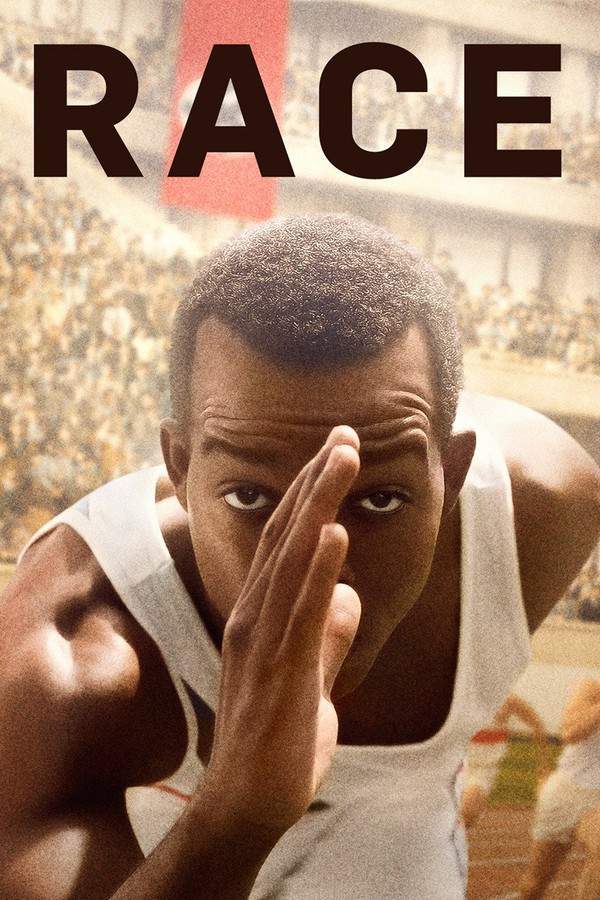
Race (2016) Movie Recap & Themes
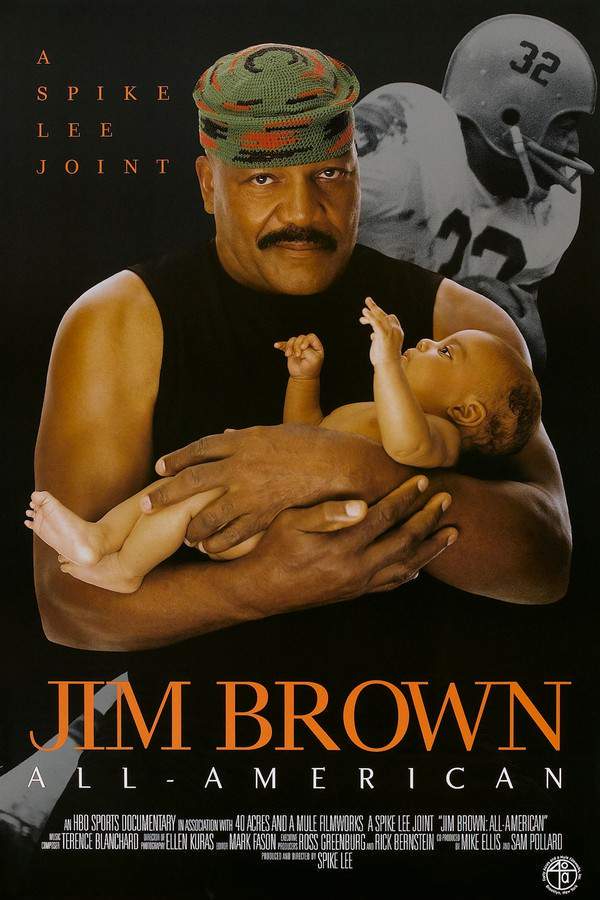
Jim Brown: All American (2002) Film Overview & Timeline
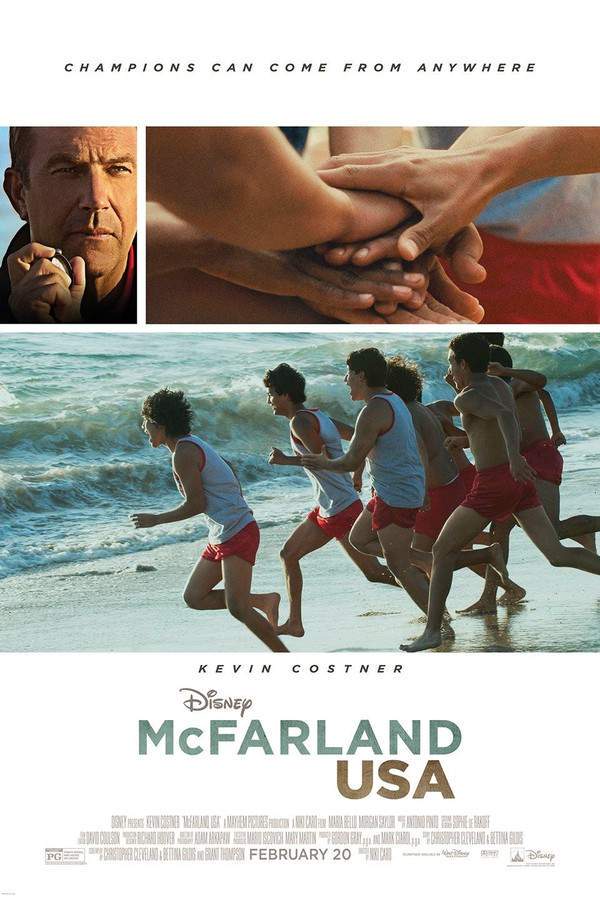
McFarland USA (2015) Spoiler-Packed Plot Recap
The Natural (1984) Movie Recap & Themes
American Underdog (2021) Movie Recap & Themes
Without Limits (1998) Full Summary & Key Details
The Jesse Owens Story (1984) Full Summary & Key Details
Everybody’s All-American (1988) Film Overview & Timeline
Running Brave (1983) Spoiler-Packed Plot Recap
Colin in Black and White (1000) Full Summary & Key Details
That’s My Boy (1932) Plot Summary & Ending Explained
The Jackie Robinson Story (1950) Spoiler-Packed Plot Recap
Knute Rockne All American (1940) Movie Recap & Themes
Jim Thorpe: Lit by Lightning (2025) Spoiler-Packed Plot Recap
The Athlete (2009) Movie Recap & Themes