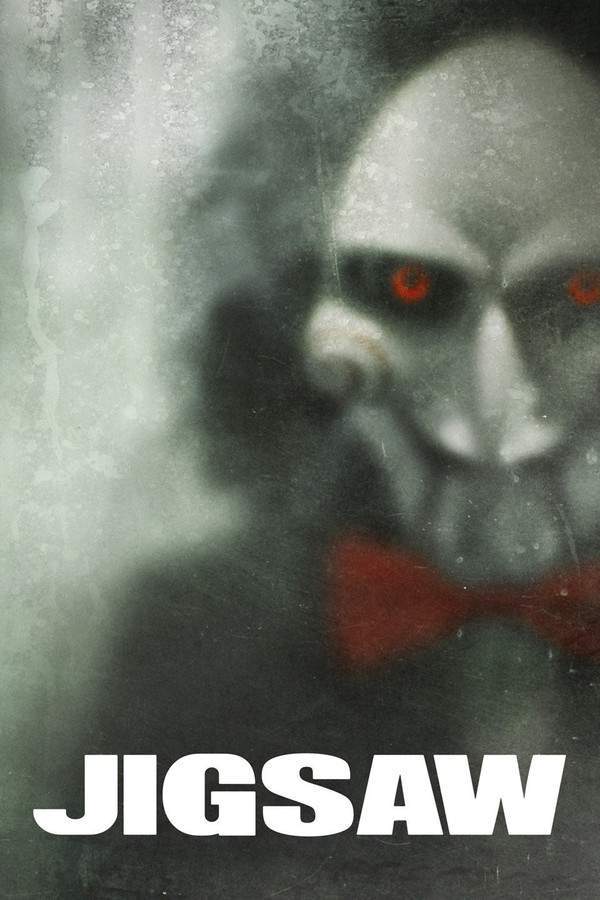
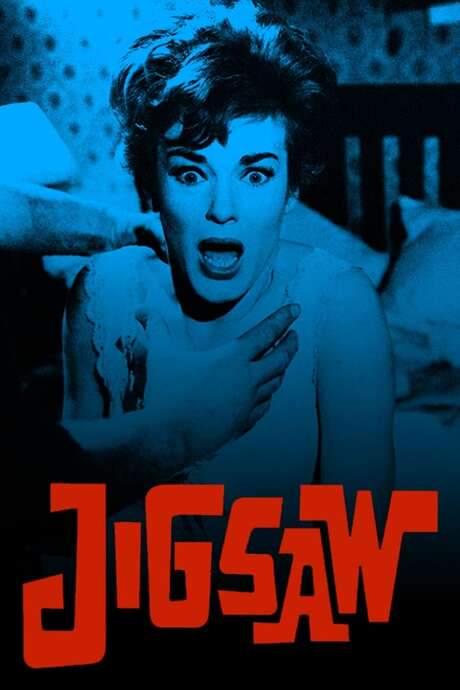
The ending of Jigsaw reveals complex twists that deepen the story of the infamous Jigsaw killer. The film is told through two timelines: one set in the past, before John Kramer's death, and another in the present, a decade after his demise. In what appears to be a continuation of Kramer's philosophy, the story unveils that the farm sequence, which features a series of deadly traps, was actually Jigsaw’s very first game. This was his attempt to reenact his own retribution and to reflect on the importance of appreciating life, targeting flawed individuals who had committed sins. These victims were chosen because they had avoided facing the consequences of their actions. The farm was owned by Kramer’s wife, who was later killed in the series, linking Kramer's personal history to his deadly pursuits.
The twist about John Kramer's return is that he’s alive and actively orchestrating the new game himself, contradicting what was previously thought—that he had died. The film also reveals a second major twist concerning the real identity of the copycat killer. It turns out that Logan Nelson, a hospital pathologist and Kramer’s former apprentice, is actually the mastermind behind the revived Jigsaw. Logan’s motivation was revenge on Detective Halloran, who had previously let murders slip away and was responsible for his wife’s death. Logan meticulously recreated Kramer's early traps and used doctored evidence to frame Halloran, aiming to enact his own form of justice by recreating the original game and getting revenge.
As the story concludes, Logan manipulates Halloran into a final deadly trap, a laser-based execution where Halloran is forced to confess his sins before being killed. Logan then reveals his true plan—his revenge scheme and his identity as the true Jigsaw copycat—by having Halloran's confession recorded and then slicing his head with the laser. The film’s clever use of dual timelines emphasizes that the initial farm game was actually Kramer’s first step in his journey, and the current game is a replication of that. In the end, Jigsaw challenges the viewer to reconsider the nature of justice and retribution, with Logan emerging as a new, dangerous inheritor of Kramer's legacy, hinting at the potential for future stories involving his character. The film’s ending thus redefines the franchise’s mythology, blending past and present to show how Kramer's deadly philosophy persists beyond his death.