








Plot Explained Spoilers guaranteed!
Plot Explained

Browse by genre

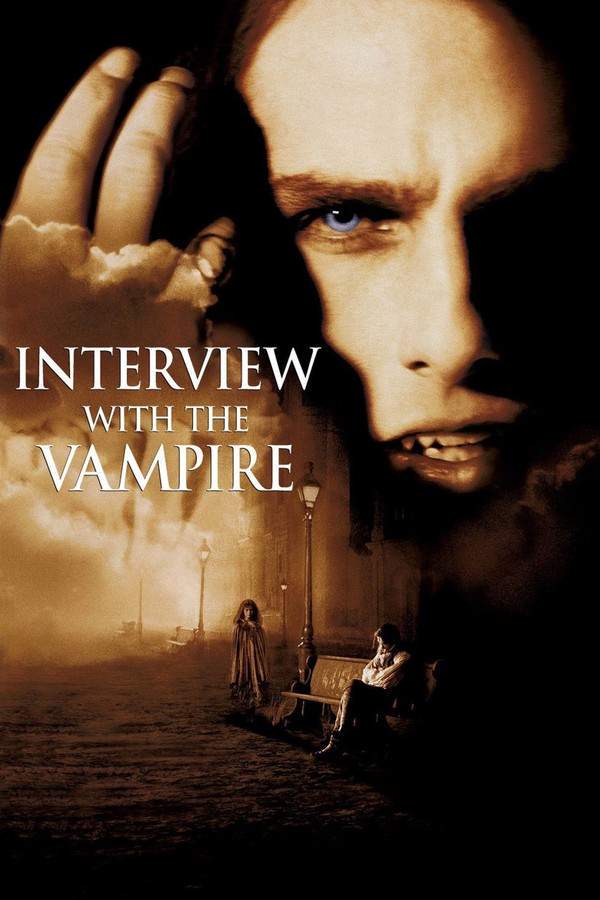
Interview with the Vampire: The Vampire Chronicles (1994) movie poster

Timeline

Interview with the Vampire: The Vampire Chronicles (1994) Timeline Explained – Every Event in Order

Release, runtime and language
1994 · 123 min · English
JustWatch #228 512
Directed by
Neil Jordan
Starring
Brad Pitt, Tom Cruise
Budget
$60M

In this haunting story of immortality, Louis, an 18th-century nobleman, tells his centuries-long existence as a vampire to a biographer. Plagued by suicidal thoughts, he is transformed and must confront the dark reality of his new life. His journey intertwines with the charismatic and manipulative Lestat, his maker, and a young vampire who brings both conflict and a chance for reflection on their shared existence.

On this page (6)
  1. 1 Where to watch
  2. 2 Events in order (15)
  3. 3 Timeline questions answered
  4. 4 Movie threads
  5. 5 Movies like Interview with the Vampire: The Vampire Chronicles
  6. 6 Every angle

Where to watch

Where to Watch Interview with the Vampire: The Vampire Chronicles (1994)

Where can you watch Interview with the Vampire: The Vampire Chronicles? Stream, rent or buy it in the US, including on HBO Max, YouTube TV and Amazon Video: current JustWatch availability with up-to-date prices.

Streaming availability powered by JustWatch

15 events in order · contains spoilers

Interview with the Vampire: The Vampire Chronicles Timeline: Events in Chronological Order

Every key event of Interview with the Vampire: The Vampire Chronicles (1994) in order, scene by scene, with when and where it takes place. Use it to untangle flashbacks, time jumps and parallel storylines, to refresh your memory before the sequel or to find the exact scene you are thinking of.

  1. Daniel Interviews Louis

    In modern-day San Francisco, reporter Daniel Molloy interviews Louis De Pointe Du Lac, who claims to be a vampire. This sets the stage for Louis to recount his extraordinary and tragic life story that spans over two centuries.

    When
    Modern day
    Where
    San Francisco
  2. Louis's Life as a Plantation Owner

    Louis describes his former life as a wealthy plantation owner in 1791 Spanish Louisiana. Despite his riches, he is filled with despondency after the death of his wife and unborn child.

    When
    1791
    Where
    Spanish Louisiana
  3. Attack by Lestat

    One fateful night, while wandering the waterfront of New Orleans in despair, Louis is attacked by the vampire Lestat De Lioncourt. Recognizing Louis's dissatisfaction with life, Lestat offers him a chance at immortality.

    When
    1791
    Where
    New Orleans
  4. Transformation into a Vampire

    Louis accepts Lestat’s offer and is transformed into a vampire after drinking Lestat's blood. However, he quickly regrets his decision as he grapples with the moral implications of his new life.

  5. Conflict Over Feeding

    As Lestat revels in hunting and killing humans, Louis chooses to feed only on animal blood. This choice leads to a deep internal conflict as he suffers from the instincts that come with being a vampire.

    Where
    New Orleans
  6. Servants' Revolt

    The slaves of New Orleans, angered and fed up with their situation, revolt against Louis and Lestat, attacking their house at night. During the chaos, Louis is horrified to find himself compelled to kill his gentle house slave, Yvette.

    Where
    New Orleans
  7. Feeding During the Plague

    While wandering the plague-ridden streets of New Orleans, Louis can no longer resist his hunger and feeds on a little girl whose mother has died of the disease. In a bid to keep him with him, Lestat turns the girl, Claudia, into a vampire.

    Where
    New Orleans
  8. Raising Claudia

    Louis and Lestat raise Claudia as their daughter. While Louis loves her purely, Lestat trains her to be a merciless killer, taking advantage of her youthful appearance to lure victims.

  9. Claudia's Rage

    As decades pass, Claudia matures psychologically but remains a young girl in appearance. In her frustration over never growing older, she plots against Lestat, leading to a confrontation.

  10. Lestat's Death

    Claudia tricks Lestat into drinking 'dead blood' which weakens him and then kills him. Although Louis is shocked and devastated, he helps Claudia dispose of Lestat's body in a swamp.

    Where
    Swamp
  11. Return of Lestat

    On the eve of their departure to Europe, Lestat returns unexpectedly, having survived on swamp creatures. Louis sets Lestat on fire during their struggle, allowing him and Claudia to escape.

    Where
    New Orleans
  12. Settling in Paris

    In 1870, after traveling Europe without finding other vampires, Louis and Claudia settle in Paris. They encounter a vampire coven led by Armand, who fascinates Louis with his insights on vampire existence.

    When
    1870
    Where
    Paris
  13. Punishment and Revenge

    Claudia, seeking a companion, forces Louis to turn a woman named Madeleine into a vampire. The Parisian vampires retaliate by punishing them for Lestat's murder, leading Louis to a revenge-fueled fire at the vampire theater.

    Where
    Paris
  14. Decades of Isolation

    Following the events in Paris, Louis suffers the loss of Claudia and meanders through the world alone. He eventually returns to New Orleans, a shadow of his former self, burdened by his past.

    When
    1988
    Where
    New Orleans
  15. Final Encounter with Lestat

    In a dilapidated mansion, Louis meets a weakened Lestat who regrets turning Claudia. Despite Lestat's pleas to reunite, Louis declines, cementing his embrace of solitude.

    Where
    New Orleans

Last updated: January 14, 2025 at 19:25

Was this helpful?

Timeline questions answered

Interview with the Vampire: The Vampire Chronicles Timeline Explained: Your Questions Answered

When does it happen, and why in that order? The questions people ask about the chronology of Interview with the Vampire: The Vampire Chronicles (1994): time jumps, flashbacks, cause and effect between scenes and the correct order of events, each answered with spoilers.

Q1

Why does Louis refuse to drink human blood?

Louis chooses to sustain himself on animal blood because he cannot stomach the act of killing humans. Even after becoming a vampire, he retains his moral conscience and finds the killing of humans repulsive. This decision creates constant suffering for him, as the vampire hunger fights against his ethical principles. Lestat, by contrast, freely feeds on humans and sees no moral issue with it, which creates ongoing tension between them.

Foreshadowing: Louis's compassion is foreshadowed early when he seeks self-destruction through fights rather than intentionally hurting others.

  • louis
  • animal blood
  • vampire diet
  • moral conflict
  • lestat
Q2

Why does Lestat turn Claudia into a vampire?

Lestat turns Claudia into a vampire primarily to keep Louis tied to him. After Louis feeds on the young girl during the plague, Lestat sees an opportunity to create a permanent family bond. He reasons that if Louis has a child to raise, he will never leave Lestat. This manipulation stems from Lestat's loneliness and desire to have Louis dependent on him, though Lestat frames it as a gift to save the dying girl.

Foreshadowing: Lestat's possessiveness over Louis appears early when he offers immortality specifically to someone he finds interesting.

  • lestat
  • claudia
  • turning vampire
  • manipulation
  • keeping louis
Q3

Why does Claudia plot against Lestat?

Claudia betrays Lestat because she resents being trapped in a child's body forever while mentally aging. After decades of being raised as a vampire, she realizes she will never grow up or escape her eternal childhood. She blames Lestat for this fate and manipulates him into drinking 'dead blood' from twin boys, which weakens him, allowing her to slit his throat. Her revenge is driven by rage at her permanent condition and anger at Lestat's control over her life.

Foreshadowing: Claudia's frustration with her appearance is shown when she kills her victims and expresses jealousy at growing older humans.

  • claudia
  • lestat
  • betrayal
  • revenge
  • eternal child
  • twins
Q4

Why does Louis help Claudia kill Lestat?

Louis assists in killing Lestat because he is torn between his love for Claudia and his complicated relationship with Lestat. Although Louis is shocked by Claudia's plan, he helps dispose of the body in the swamp because he cannot abandon Claudia after she has acted. Louis also harbors resentment toward Lestat for turning him into a vampire against his will and for corrupting Claudia. His decision reflects his loyalty to the only family he has left.

Foreshadowing: Louis's conflicted feelings about Lestat are evident throughout their time together in New Orleans.

  • louis
  • claudia
  • killing lestat
  • loyalty
  • swamp
Q5

How does Lestat survive after being killed?

Lestat survives his death by feeding on swamp creatures in the bayous after Claudia and Louis dispose of his body. The toxic 'dead blood' weakens him severely but does not kill him outright. He eventually recovers enough to return and confront Louis and Claudia before their departure to Europe. His survival demonstrates the resilience of vampires when they manage to consume even small amounts of blood, no matter how degraded.

Foreshadowing: The twins' 'dead blood' is established as weakening but not instantly lethal to vampires.

  • lestat survival
  • swamp creatures
  • dead blood
  • revival
Q6

Why does Louis turn Madeleine into a vampire?

Louis turns Madeleine into a vampire because Claudia demands a female companion to replace the motherly bond she lost. Claudia is frustrated by the absence of other vampires like herself and forces Louis to transform Madeleine, a dying woman who had lost her children, into a vampire. This decision is driven by Louis's desire to appease Claudia and ease her loneliness, though it ultimately leads to tragedy when the Parisian vampires punish them for their earlier actions.

Foreshadowing: Claudia expresses loneliness and the need for female companionship earlier in Paris.

  • madeleine
  • claudia
  • turning vampire
  • companionship
  • paris
Q7

Why does Armand help Louis after the theater fire?

Armand saves Louis from the burning theater because he is genuinely drawn to Louis and disagrees with the other vampires' punishment. After Louis burns down the Théâtre des Vampires in revenge, Armand pulls him from the daylight exposure. Although Armand was complicit in allowing Claudia's execution, he sees something unique in Louis and wants to explore a relationship with him. Armand's interest is both romantic and philosophical, as he sees Louis as a kindred spirit.

Foreshadowing: Armand's fascination with Louis is established when he offers to teach him about vampire existence.

  • armand
  • save louis
  • theater fire
  • paris
  • vampire coven
Q8

Why does Louis refuse Lestat's offer to reunite?

Louis rejects Lestat's attempt to reconcile in 1988 because he is still consumed by grief over Claudia's death and cannot forgive Lestat for turning her. Though Lestat expresses genuine remorse, Louis associates their relationship with tragedy and loss. He chooses to remain isolated rather than risk another devastating connection. Louis's rejection represents his ultimate rejection of companionship and his acceptance of eternal loneliness.

Foreshadowing: Louis's guilt over Claudia's fate is evident throughout the Paris storyline.

  • louis
  • lestat
  • reunion
  • rejection
  • 1988
  • grief
  • claudia
Q9

Why does Lestat approach Daniel Molloy at the end?

Lestat approaches Daniel Molloy because he has been resurrected through Daniel's blood, which was shed when Daniel fled Louis's apartment. After Louis storms off, Lestat awakens in the car, revived by the reporter's blood, and offers Daniel the same immortality he once offered Louis. This ending suggests Lestat is seeking a new companion and has chosen Daniel as his next subject, echoing his original recruitment of Louis decades earlier.

Foreshadowing: Louis's blood is established as having reviving properties earlier when Lestat offers it to him.

  • lestat
  • daniel molloy
  • interview
  • revival
  • offer vampire
Q10

Why does Lestat feed on slaves and aristocrats?

Lestat feeds indiscriminately on any humans, showing no moral hesitation. He hunts slaves in New Orleans because they are readily available and vulnerable, and he also targets aging aristocrats. Unlike Louis, Lestat views humans as nothing more than prey and feels no guilt about killing them. His feeding habits reflect his enjoyment of the predator-prey dynamic and his complete embrace of vampiric nature without human morality.

Foreshadowing: Lestat's predatory nature is established when he first approaches Louis seeking someone interesting to turn.

  • lestat
  • slaves
  • feeding
  • aristocrats
  • killing
  • new orleans
Q11

Why does Louis burn down the Théâtre des Vampires?

Louis sets fire to the vampire theater as an act of revenge after the Parisian vampires punish them for killing Lestat. The coven traps Louis in a coffin and executes Claudia and Madeleine in sunlight. Enraged and grieving, Louis returns to the theater and starts the fire, killing many vampires inside. This destruction represents Louis's breaking point after losing everyone he loves.

Foreshadowing: Louis's violent capabilities are shown when he kills during the slaves' revolt.

  • theater fire
  • paris
  • revenge
  • burning
  • Armand
  • coven
Q12

Why is Louis agreeing to the interview?

Louis agrees to tell his story to Daniel Molloy because he has lived with isolation and guilt for two centuries and needs to confess his existence. By 1988, he is the only remaining connection to the events that shaped him, and the interview serves as both catharsis and a way to pass on his story. Louis may also be seeking a human connection one final time before the story ends with his dramatic rejection of both Lestat and Daniel.

Foreshadowing: The interview frame opens the film, establishing Louis's desire to share his tale.

  • interview
  • daniel molloy
  • confession
  • telling story
  • modern day

Movie threads

More Movies Like Interview with the Vampire: The Vampire Chronicles, by Mood & Story

Curated lists built around what makes Interview with the Vampire: The Vampire Chronicles tick: the same mood, the same kind of story or the same emotional payoff. Each list explains why these movies belong together.

Gothic tales of immortal torment like Interview with the Vampire: The Vampire Chronicles

Atmospheric sagas where immortality is a curse, steeped in beauty and despair. If you liked the gothic melancholy and exploration of immortality's curse in Interview with the Vampire: The Vampire Chronicles, you'll find similar movies here. These stories often blend horror, drama, and romance, creating a moody, atmospheric experience centered on immortal beings wrestling with their monstrous nature and the weight of centuries.

  • gothic
  • melancholic
  • tragic
  • brooding
  • philosophical
  • romanticized horror
  • Tone: dark, melancholic
  • Pacing: steady, deliberate
Why these movies?

The story pattern: These narratives typically span long periods, following immortal or long-lived protagonists as they confront the loneliness, grief, and moral ambiguity of their condition. The central conflict is often internal—a battle against their own nature—set against opulent but decaying backdrops that mirror their inner turmoil.

Why they belong together: Movies in this thread share a specific aesthetic and mood: a romanticized but tragic view of the supernatural, a focus on existential dread, and a tone that is both beautiful and deeply sad. They prioritize atmosphere and philosophical questioning over fast-paced action.
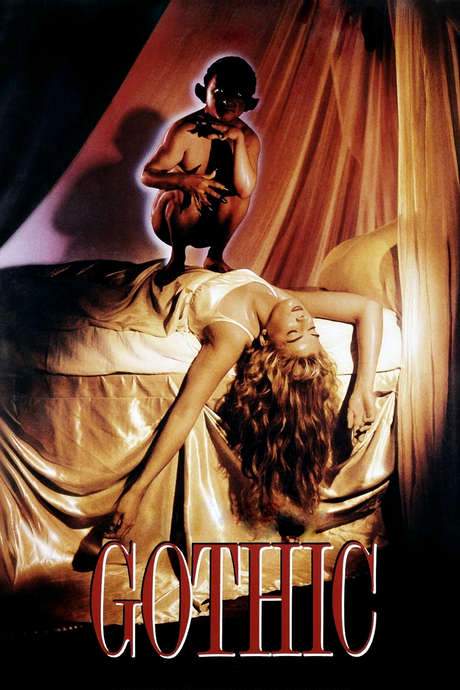
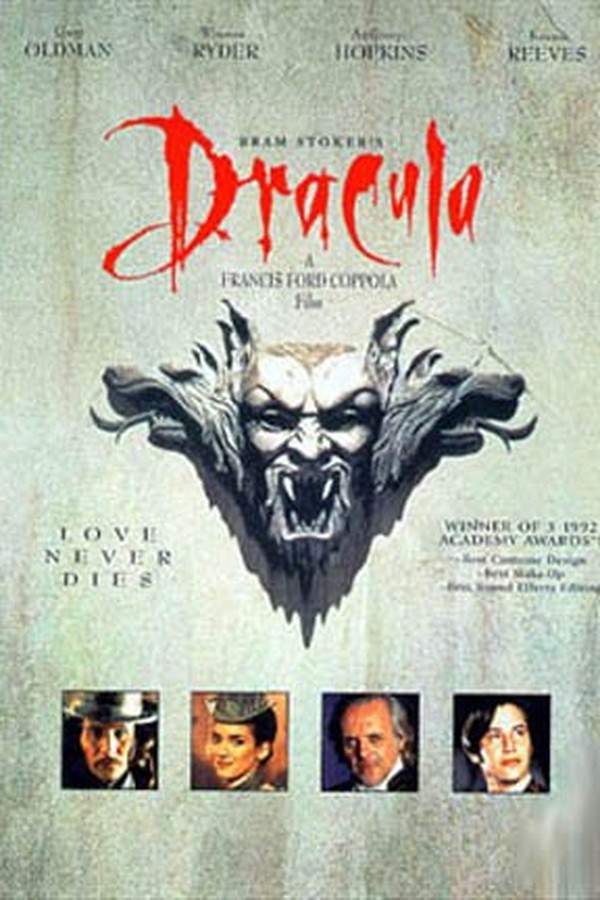
Movies about toxic found families like Interview with the Vampire: The Vampire Chronicles

Stories of dysfunctional, monstrous families bound by trauma and darkness. For viewers who appreciated the complex, dark dynamic between Louis, Lestat, and Claudia in Interview with the Vampire: The Vampire Chronicles, this thread finds similar movies. These films explore monstrous fatherhood, fraught creation, and the tragic, inescapable bonds that form within a deeply dysfunctional surrogate family.

  • claustrophobic
  • oppressive
  • tragic
  • betrayal
  • moral conflict
  • dysfunctional family
  • Tone: dark, oppressive
  • Pacing: steady, character-driven
Why these movies?

The story pattern: The narrative pattern involves a dominant, charismatic but destructive figure who 'creates' or gathers a family, trapping them in a cycle of abuse and dependency. The story follows the members, often including a child-like figure, as they attempt to assert their autonomy, leading to betrayal, violence, and a bleak resolution that offers little escape.

Why they belong together: These films are grouped by their central, emotionally heavy exploration of forced kinship. They share a high intensity driven by psychological manipulation and moral horror, a steady pace that allows the toxic relationships to simmer, and a consistently dark, bleak tone with no easy resolutions.

If you liked this

Movies Like Interview with the Vampire: The Vampire Chronicles

Similar movies to Interview with the Vampire: The Vampire Chronicles: the same genre, themes or kind of story. Each one comes with its own plot summary, timeline and ending explained.

Browse all movie summaries

Every angle

Interview with the Vampire: The Vampire Chronicles (1994) Explained: Plot, Timeline & Characters

Everything about Interview with the Vampire: The Vampire Chronicles in one place: what happens in the plot summary, the timeline in chronological order, the characters and meaning and a spoiler-free summary. What's After the Movie adds the cast, box office and post-credit scenes.

Coming soon on iOS and Android

The Plot Explained Movie Summary App

Plot summaries, endings explained and timelines on your phone. Catch up on any movie in minutes, save your favorites and never miss a twist again.

Be the first to know when we launch. Your email stays private, always.

Learn more about the app