Plot Explained Spoilers guaranteed!
Plot Explained

Browse by genre

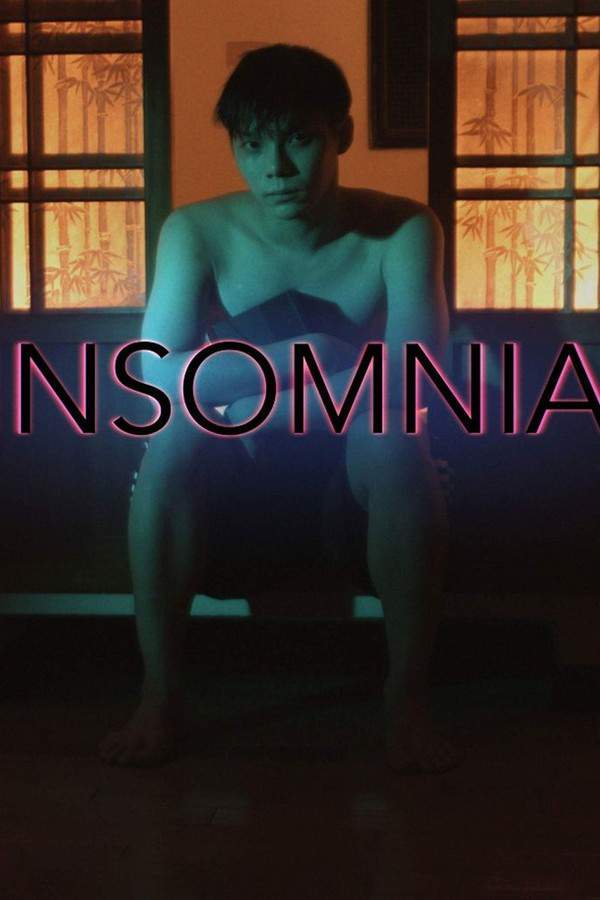
Insomnia (2002) movie poster

Plot Summary

Insomnia (2002) Plot Summary Explained

Release, runtime and language
2002 · 118 min · Chinese
Directed by
Christopher Nolan
Starring
Al Pacino, Hilary Swank, Robin Williams
Budget
$46M

A man's isolated existence is disrupted by a mysterious presence, forcing him to confront a past relationship and deeply buried trauma. As unsettling memories resurface, he finds himself battling both external threats and internal demons, struggling to distinguish between reality and nightmare. The unfolding events challenge his sanity and force him to face the consequences of his past.

On this page (6)
  1. 1 Where to watch
  2. 2 What happens: full plot
  3. 3 Plot questions answered
  4. 4 Movie threads
  5. 5 Movies like Insomnia
  6. 6 Every angle

Where to watch

Where to Watch Insomnia (2002)

Where can you watch Insomnia? Stream, rent or buy it in the US, including on Amazon Video, Apple TV Store and Fandango At Home: current JustWatch availability with up-to-date prices.

Streaming availability powered by JustWatch

Full plot summary · contains spoilers

What Happens in Insomnia: Full Plot Summary

The whole story of Insomnia (2002) explained, from the opening scene to the final frame: every key event, every twist and what it all adds up to. Read it as a quick recap before the sequel, to check a scene you missed, or to finally understand what really happened.

The film opens with a striking sequence, presenting shots of white fabric tainted by blood poured deliberately by an unseen figure against the backdrop of the Alaskan wilderness. Weary detective Will Dormer arrives in the small town of Nightmute, Alaska, alongside his younger partner, Detective Happy Eckhart. They are greeted by the enthusiastic local detective, Ellie Burr, who idolizes Dormer's previous work, a fact that irks Eckhart.

Upon reaching the station, the trio inspects the body of Kay Connell, a seventeen-year-old whose murder they have been called in to investigate at the request of Dormer’s old friend, Police Chief Nyback. Dormer’s astute observations reveal that the murderer showed a certain respect for Kay's body, evident in her meticulously combed hair and trimmed nails, as well as her elegant dress. While searching through Kay's belongings, Dormer also finds pictures of her friend Tanya and boyfriend Randy, leading him to suspect that Kay had admirers. When he interrogates Randy, he learns that Kay had a secret that she never disclosed, a fact that complicates their understanding of the case.

In a local restaurant, tensions rise as Eckhart reveals that Dormer is under investigation for misconduct back in LA, leaving him furious and determined to prove his innocence. The friction between the two detectives escalates, leading Dormer to confront Eckhart and later connect with Burr, impressed by her detective aspirations. As they delve deeper into the investigation, Dormer’s insights deepen their understanding, but the shadows of doubt about his integrity loom large.

Things take a dark turn when Dormer accidentally shoots Eckhart during a high-stakes chase after the real murderer in a fog-laden forest. In a moment of horror, he discovers he has fatally shot his partner and swiftly decides to cover up the truth. Perez actions weigh heavily on him—haunted by guilt and the relentless brightness of the Alaskan day, he struggles with insomnia.

The narrative continues to unfold as Burr picks up the case regarding Eckhart's murder, leading Dormer into deeper entanglements—both with Burr, who begins to suspect him, and with the true killer, Walter Finch, who toys with Dormer’s deteriorating mental state. Their cat-and-mouse game intensifies as Dormer struggles to balance his efforts to regain control of the situation while preventing evidence of his own guilt from surfacing.

During interactions with Finch, Dormer's grip on reality slips, catalyzed by hallucinations and sleeplessness, forcing him to confront his past decisions—morally questionable actions he took with the belief that "the end justifies the means." Even as he attempts to manipulate the investigation to frame Randy for Kay's death, he finds himself ensnared in a web of deceit and regret.

In a climactic confrontation at Finch’s cabin, all the tension culminates in a deadly exchange where both men shoot each other, resulting in tragic outcomes for both. As Dormer lies dying, he faces the crucial moment of honesty with Burr, urging her to uphold the truth even at the cost of their camaraderie. The film concludes with Dormer finding peace in the wake of his internal and external chaos, prompting Burr to reflect on her mentor’s downfall as she stands at the lake, determined to honor his legacy.

> “Let me sleep.”

With this haunting finale, "Insomnia" leaves a lingering message about morality and the costs of pursuing justice at any cost.

Last updated: November 08, 2024 at 01:18

Was this helpful?

Plot questions answered

Insomnia Plot Explained: Your Questions Answered

The questions people ask most about Insomnia (2002): what happens in the confusing scenes, why the characters do what they do, the twists, hidden details and what the ending means. Each answer contains spoilers.

Q1

Why does Detective Dormer accidentally shoot his partner Happy Eckhart?

Dormer shoots Eckhart during a high-stakes chase through a fog-laden forest while pursuing the real killer. The thick fog severely limits visibility, and in the chaotic moment of the chase, Dormer mistakenly identifies Eckhart as the threat and fires. The shooting is not intentional but a tragic accident caused by the poor visibility and extreme tension of the pursuit.

Foreshadowing: Earlier tension between Dormer and Eckhart intensifies after Eckhart reveals Dormer is under investigation for misconduct, creating friction that makes their partnership strained during the chase.

  • dormer
  • eckhart
  • shooting
  • accident
  • fog
  • police
Q2

Why does Dormer decide to cover up accidentally shooting his partner?

After realizing he fatally shot his partner, Dormer panics and chooses to hide the truth. Being already under investigation for misconduct in Los Angeles, he fears that another incident would destroy his career and reputation. His decision reflects his moral compromise, believing the ends justify the means, and his inability to face the consequences of his actions.

Foreshadowing: Eckhart's earlier revelation about the LA investigation establishes that Dormer's integrity is already questioned, making his cover-up seem motivated by self-preservation.

  • dormer
  • cover-up
  • eckhart death
  • lying
  • police misconduct
Q3

Who is Walter Finch and what is his connection to Kay Connell?

Walter Finch is the actual murderer of Kay Connell, a seventeen-year-old girl in Nightmute. He is a reclusive man who lives in a cabin outside town. Finch killed Kay and meticulously prepared her body, combing her hair and trimming her nails, showing an eerie respect for her appearance. He later manipulates Dormer by exploiting the detective's guilt over killing his partner.

Foreshadowing: Dormer notes early on that the murderer showed a strange respect for Kay's body, hinting at Finch's disturbed psychology and his connection to the victim.

  • walter finch
  • kay connell
  • killer
  • murderer
  • cabin
Q4

How does Walter Finch manipulate Detective Dormer during the investigation?

Finch discovers Dormer's secret, he accidentally shot his partner, and uses this knowledge to psychologically torment him. He toys with Dormer's deteriorating mental state through phone calls and interactions, deliberately blurring the lines between reality and hallucination. Finch manipulates Dormer into attempting to frame Randy for Kay's murder, further entangling the detective in his own web of deception.

Foreshadowing: The cat-and-mouse game begins after Finch makes contact with Dormer, exploiting the detective's guilt and insomnia to gain psychological leverage.

  • finch
  • manipulation
  • psychological
  • dormer
  • hallucination
  • phone calls
Q5

Why does Dormer struggle with insomnia in Alaska?

Dormer's insomnia stems primarily from psychological guilt over accidentally killing his partner, not just the constant daylight of the Alaskan summer. The guilt, combined with his moral compromises and Finch's psychological torment, leaves him unable to sleep. The relentless brightness of the Alaskan sun also serves as a literal reminder of his inability to hide in darkness, amplifying his internal torment.

Foreshadowing: The film opens with haunting imagery of the Alaskan wilderness, establishing the stark, unyielding light that will later contribute to Dormer's sleeplessness.

  • insomnia
  • alaska
  • sleep
  • guilt
  • brightness
  • daylight
Q6

What was the secret that Kay Connell was keeping?

The summary reveals that Kay had a secret she never disclosed to anyone, discovered when her boyfriend Randy is interrogated. While the specific details of this secret are not elaborated in the summary, it complicates the investigation and suggests Kay's life had hidden dimensions that may have contributed to her death.

Foreshadowing: Dormer finds pictures of Kay's friends Tanya and Randy among her belongings, hinting at relationships that might hold clues to her secret.

  • kay connell
  • secret
  • randy
  • boyfriend
  • mystery
Q7

Why does Dormer confess to Ellie Burr at the end of the film?

As Dormer lies dying from his wounds at Finch's cabin, he experiences a moment of clarity and moral reckoning. He urges Burr to uphold the truth and remain true to herself, even at the cost of their camaraderie. This confession represents his attempt at redemption, he finally accepts the consequences of his actions rather than continuing to hide behind deception.

Foreshadowing: Throughout the film, Burr's admiration for Dormer creates an ethical tension, as she must reconcile her idol's flaws with her own moral compass.

  • dormer
  • burr
  • confession
  • truth
  • death
  • redemption
Q8

Why does Dormer try to frame Randy for Kay's murder?

Desperate to control the investigation and prevent his own guilt from surfacing, Dormer attempts to manipulate the case to frame Randy as Kay's killer. This aligns with his belief that the ends justify the means, he sees framing an innocent person as acceptable if it protects him from exposure. Finch exploits this manipulation attempt, further entangling Dormer in criminal behavior.

Foreshadowing: Dormer's earlier decision to cover up his shooting of Eckhart establishes his pattern of using deception to control outcomes.

  • randy
  • frame
  • dormer
  • manipulation
  • kay murder
Q9

What does the film say about the 'ends justify the means' philosophy?

The film critically examines Dormer's belief that achieving justice justifies morally questionable actions. His compromises, covering up his partner's death, attempting to frame an innocent man, manipulating the investigation, lead to his psychological unraveling and ultimately his death. The tragic outcome demonstrates that unethical choices, even when made with noble intentions, carry devastating personal consequences.

Foreshadowing: Dormer's history of questionable conduct in Los Angeles, revealed early in the film, establishes this moral failing as a defining character trait.

  • morality
  • ends justify means
  • dormer
  • ethics
  • corruption
Q10

What is the significance of the Alaska setting in Insomnia?

The Alaskan setting serves multiple purposes: the constant daylight of summer amplifies Dormer's insomnia and psychological torment by denying him darkness and sleep; the isolated, vast wilderness mirrors his emotional isolation and the moral wilderness he inhabits; and the small-town environment creates intimacy that makes his crimes harder to conceal. The stark, bleak landscape reflects the coldness of his moral decline.

Foreshadowing: The opening sequence presents striking shots of the Alaskan wilderness, establishing it as more than just a backdrop but a character influencing the narrative.

  • alaska
  • nightmute
  • setting
  • isolation
  • landscape
  • daylight
Q11

What happens in the climactic confrontation at Finch's cabin?

The final confrontation at Finch's cabin results in a deadly exchange of gunfire between Dormer and Finch. Both men shoot each other, leading to tragic consequences, Finch is killed and Dormer succumbs to his wounds. This shootout represents the culmination of their cat-and-mouse psychological game, where Dormer's attempt to bring justice to Kay's murder becomes entangled with his own crimes.

Foreshadowing: The cat-and-mouse game between Dormer and Finch has been building throughout the second half of the film, with Finch constantly manipulating Dormer's fragile mental state.

  • finch
  • cabin
  • confrontation
  • shootout
  • death
  • finale
Q12

What moral dilemma does Detective Ellie Burr face regarding Dormer?

Burr idolizes Dormer and views him as a mentor, but as she investigates Eckhart's murder, she begins to suspect Dormer's involvement. She faces a painful choice between protecting her mentor and upholding the truth. In the end, Dormer urges her to choose integrity over loyalty, and she is left to honor his legacy while grappling with the knowledge of his moral failures.

Foreshadowing: Burr's admiration for Dormer is established early, and her investigation into Eckhart's death creates tension between her professional duty and personal feelings.

  • burr
  • dormer
  • loyalty
  • truth
  • moral dilemma
  • mentor

Movie threads

More Movies Like Insomnia, by Mood & Story

Curated lists built around what makes Insomnia tick: the same mood, the same kind of story or the same emotional payoff. Each list explains why these movies belong together.

Bleak crime stories with moral collapse like in Insomnia

Protagonists compromised by guilt descend into ethical decay in unforgiving settings. For viewers who liked the ethical deterioration in Insomnia, this collection features movies where protagonists grapple with profound guilt and corruption. These similar thrillers and dramas are set in oppressive environments that amplify the characters' psychological descent and moral conflict.

  • guilty
  • oppressive
  • isolated
  • paranoid
  • moral conflict
  • psychological
  • Tone: dark, tense, bleak
  • Pacing: steady, deliberate
Why these movies?

The story pattern: The narrative typically follows a flawed professional—often a detective or investigator—who commits an ethical transgression. This single act sends them spiraling, as the external investigation becomes intertwined with their internal battle against guilt, paranoia, and the consequences of their actions, leading to a climax of personal reckoning.

Why they belong together: They are grouped by their shared focus on a protagonist's moral and psychological downfall, a consistently dark and tense tone, and the use of a stark setting as a character in itself. The experience is defined by heavy emotional weight and a steady, suffocating build towards a bittersweet or bleak resolution.

Psychological thrillers about insomnia like in Insomnia

Stories where the terror of insomnia blurs reality and accelerates a mental collapse. If you liked the sleepless paranoia in Insomnia, this list features movies where characters battle exhaustion and hallucinations. These similar psychological thrillers and dramas focus on the horror of insomnia, creating a disorienting and intensely anxious viewing experience.

  • sleepless
  • anxious
  • exhausting
  • paranoid
  • hallucinatory
  • disorienting
  • Tone: anxious, paranoid, dark
  • Pacing: steady, unrelenting
Why these movies?

The story pattern: The plot hinges on a character's inability to sleep, which acts as a catalyst for their psychological decline. As they struggle with an external threat or investigation, their perception becomes unreliable, forcing the audience to question what is real. The narrative structure often mimics the fractured, cyclical nature of extreme fatigue.

Why they belong together: They share the unique, high-intensity vibe of using sleep deprivation as a primary source of horror and suspense. The viewing experience is intentionally exhausting and disorienting, characterized by an anxious, paranoid mood and a steady pacing that mirrors the unrelenting pressure of insomnia.

If you liked this

Movies Like Insomnia

Similar movies to Insomnia: the same genre, themes or kind of story. Each one comes with its own plot summary, timeline and ending explained.

Browse all movie summaries

Every angle

Insomnia (2002) Explained: Plot, Timeline & Characters

Everything about Insomnia in one place: what happens in the plot summary, the timeline in chronological order, the characters and meaning and a spoiler-free summary. What's After the Movie adds the cast, box office and post-credit scenes.

Coming soon on iOS and Android

The Plot Explained Movie Summary App

Plot summaries, endings explained and timelines on your phone. Catch up on any movie in minutes, save your favorites and never miss a twist again.

Be the first to know when we launch. Your email stays private, always.

Learn more about the app