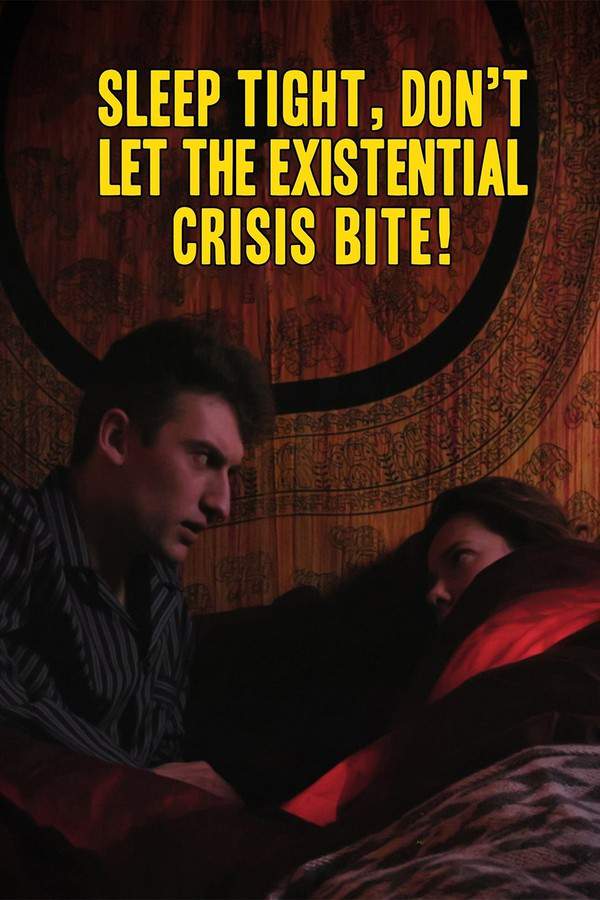
Daiga, a Lithuanian woman with little money, arrives in Paris with dreams of becoming an actor, but soon finds herself taking a job as a maid in a hotel owned by a friend of her great-aunt. The arrival is quiet but loaded with hesitation, as Daiga steps into a city that feels both familiar and intimidating, where every corridor could hide a new challenge. Daiga
In a parallel thread, Theo is navigating a turbulent home life. He wants to leave Paris for Martinique with their young son, yet his wife resists the move, preferring to stay in the city they know. The tension at home is palpable, and Theo’s visits from his brother—who brings a mix of concern and distance—do little to ease the strain. The city outside buzzes with a darker energy, a string of violent murders targeting elderly women living alone casting a long, unsettled shadow over everyone who moves through its streets.
The killings are carried out by Camille, whose presence in the hotel where Daiga works becomes a troubling link between these two lives. Camille is a figure who moves through the story with a quiet menace, and his lover shares the same dangerous secrecy. The hotel itself becomes a liminal space where private lives collide with public danger, and the fear of who might be watching grows with every new nightfall.
Daiga’s curiosity and the unsettling proximity of Camille pull the two narratives closer. She begins to shadow him, driven by a nagging suspicion that something terrible is unfolding just out of sight. When a police sketch of Camille surfaces, she pieces together enough to confirm that the man is indeed the killer roaming the city’s shadowed avenues and hotel rooms. In a decisive moment, she breaks into his room, discovers a bag of cash, and makes the bold choice to seize what could fund a way out; she then leaves swiftly, aiming to return to Lithuania with a marked sense of resolve and relief.
As the police close in, Camille is spotted after one of the victims manages to provide a description that matches the sketch. The investigation tightens its grip around the hotel and its surrounding streets, while Theo is brought to the police station for questioning. He insists, with a calm, stubborn clarity, that he had nothing to do with the murders and that he had remained oblivious to his brother’s actions throughout the period in question. The tension between truth and suspicion threads through every scene, leaving characters at a crossroads where past loyalties, new desires, and the weight of fear all vie for how they will move forward in a city that never fully reveals its secrets.