Plot Explained Spoilers guaranteed!
Plot Explained

Browse by genre

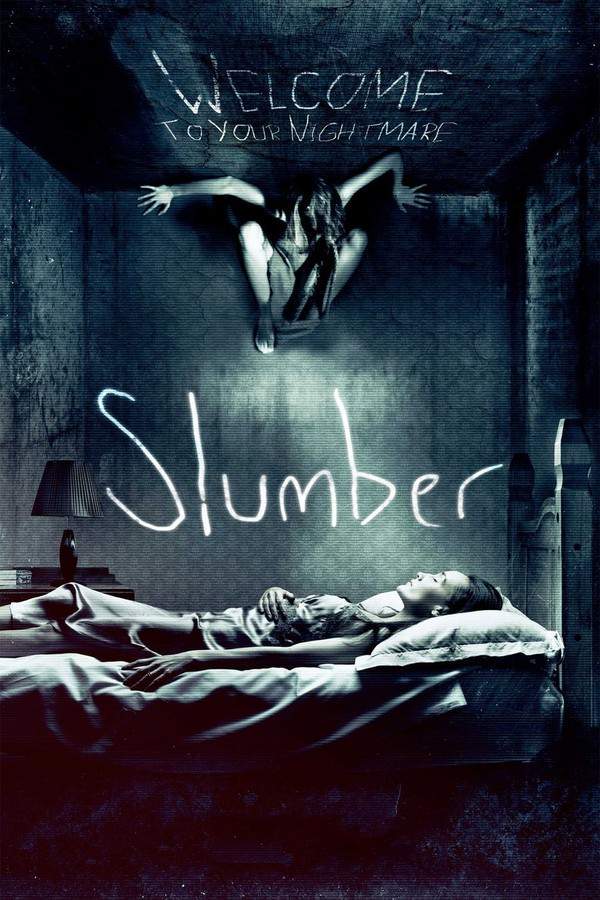
Slumber (2017) movie poster

Plot Summary

Slumber (2017) Plot Summary Explained

Release, runtime and language
2017 · 84 min · English
Echo score 29
JustWatch #13,248 5
Directed by
Jonathan Hopkins
Starring
Honor Kneafsey, Sylvester McCoy, Will Kemp, William Hope, Sam Troughton, Maggie Q

As night falls, a rationalist named Alice finds herself facing inexplicable supernatural events when a family’s terrifying nightmares worsen. Investigating the escalating disturbances, she uncovers a sinister entity known as the Night Hag, which appears connected to her brother's death and her own troubled history. Alice must confront the malevolent force and unravel the mystery behind the family's shared terrors.

On this page (6)
  1. 1 Where to watch
  2. 2 What happens: full plot
  3. 3 Plot questions answered
  4. 4 Movie threads
  5. 5 Movies like Slumber
  6. 6 Every angle

Where to watch

Where to Watch Slumber (2017)

Where can you watch Slumber? Stream, rent or buy it in the US, including on Amazon Prime Video, Hoopla and Fandango at Home Free: current JustWatch availability with up-to-date prices.

Streaming availability powered by JustWatch

Full plot summary · contains spoilers

What Happens in Slumber: Full Plot Summary

The whole story of Slumber (2017) explained, from the opening scene to the final frame: every key event, every twist and what it all adds up to. Read it as a quick recap before the sequel, to check a scene you missed, or to finally understand what really happened.

Dr. Alice Arnolds, Maggie Q, is a renowned sleep therapist and neurologist, whose calm, clinical exterior hides a traumatic memory from childhood: her younger brother died under mysterious circumstances while sleepwalking, found at the base of the stairs with his eyes wide open in terror. Though his death was ruled an accident, she has never fully accepted that explanation, and the fear has lingered like a shadow she can neither shake nor explain.

Now an adult, she works at the Whittingham Sleep Clinic, where she conducts overnight studies on patients suffering from parasomnias. She remains fiercely analytical, skeptical of anything that isn’t grounded in science, and she prides herself on maintaining professional detachment even when the cases brush up against the unnerving boundary of the unknown.

She is introduced to the Morgan family—Charlie Morgan, Sam Troughton, the father; Sarah Morgan, Kristen Bush, the mother; Emily Morgan, Honor Kneafsey, the teenage daughter; and Daniel Morgan, Lucas Bond, the younger son. Daniel has been plagued by night-time terrors: he wakes with screams, thrashes in his bed, and insists that something in his room at night is real and dangerous. The fear tightens its grip, and the family seeks relief and answers through the clinic’s monitoring.

During an overnight observation, Alice tracks Daniel’s vitals and brainwave patterns while the family watches with a mix of hope and dread. But as the night deepens, Charlie experiences a violent episode of his own: he sinks into a suffocating sleep, his breathing quickens, he convulses, and then, with his eyes still shut, he lunges and attacks Alice, leaving the room filled with tension and fear. It takes several staff members to restrain him, and when he’s sedated, his EEG appears flat, as if he no longer inhabits his own body. The incident unsettles Alice, who begins to suspect night terrors or sleepwalking, yet the circumstances feel increasingly disturbing and inexplicable.

Over the next twenty-four hours, Daniel’s condition deteriorates. He becomes paler, bruises appear around his chest and neck without any obvious injury, and he speaks more insistently of a “dark thing” that now also stalks him by day. Emily begins to see it too—a tall, skeletal figure with hollow eye sockets that lingers in the corners of rooms, vanishing whenever she approaches. Sarah reports that Charlie has grown withdrawn and erratic at night, mumbling in his sleep and waking in different parts of the house with bloody fingernails, as though he’s clawed at something unseen. The strain tears through the family, and Alice’s clinical calm starts to crack under the weight of these escalating phenomena.

Meanwhile, Alice herself begins to experience unsettling intrusions. She has vivid waking nightmares or perhaps lucid glimpses—she lies down to rest and suddenly finds herself paralyzed, a monstrous figure climbing onto her chest. Its face is contorted, its mouth filled with jagged, rotting teeth, and it hisses in an unknown language. When she comes to, she notices scratch marks on her body, a haunting reminder that the boundary between sleep and waking is leaking into her own life.

Desperate for answers, Alice seeks out Cam, the clinic’s janitor, who points her toward his uncle Amado, a once-renowned sleep expert who now lives off the grid after a mental breakdown. Cam, Vincent Andriano, introduces Amado, Sylvester McCoy, who speaks of an ancient sleep demon called the Nocnitsa, the Night Hag. This parasitic entity feeds on human fear, slips into the subconscious during REM sleep, and can bring about hallucinations, paralysis, and even death. It particularly targets the vulnerable—children and those bearing emotional trauma—and once inside a person’s dreams, it drains life and can possess its victims, turning them into carriers who spread the darkness through shared trauma.

Armed with this folklore, Alice returns to the clinic and persuades Sarah to help induce a deep REM sleep in Daniel while she engages in a controversial, experimental technique to enter a lucid dream state herself. The plan is to confront the demon inside Daniel’s dream by stepping into his nightmare alongside him. They perform the induced sleep protocol, and Alice, entering the shared dream, finds herself in a decaying replica of the Morgan house. Daniel is trapped in a nightmarish version of his room, where rot-streaked walls and mangled toys pulse with a malignant energy. The Nocnitsa appears—a towering, eyeless shadow with limbs that twist like tendrils, its voice a chilling blend of Daniel’s tones and the memory of her own dead brother.

Within the dream, Alice fights the creature while reliving visions of her brother’s death, each memory intensified by the Nocnitsa’s taunts. The entity whispers that she let him die, and it seems determined to consume her as she’s pulled toward an abyss. In a pivotal breakthrough, she accepts a painful truth: her brother’s death was not her fault, but rather the Nocnitsa’s design, something that latched onto her since childhood. This emotional reckoning becomes her weapon, lending her a strength she didn’t know she possessed.

Guided by this newfound resolve, she coordinates a risky move in the real world: at the precise moment, she administers a stimulant to Daniel, intending to punch through the nightmare and sever the demon’s hold. The shared dream erupts in a violent rupture—windows shatter, monitors explode, and Alice is hurled across the room. Daniel awakens, gasping for air, his bruises fading as if the nightmare itself was made of shadow rather than matter. The immediate danger passes for now, the family breathing a cautious sigh of relief, grateful to be together and intact.

Yet the final scene leaves a lingering chill. Exhausted and alone in her apartment, Alice begins to drift toward sleep once more. The camera closes in as the room grows quiet, and the Nocnitsa’s growl returns—the unmistakable sound of the Night Hag. Her body freezes, her eyes snap open, and the sense that the shadow has merely paused rather than left lingers, hinting that the battle is far from over and that the demon may return when sleep finally finds her again.
Last updated: October 09, 2025 at 16:20

Was this helpful?

Plot questions answered

Slumber Plot Explained: Your Questions Answered

The questions people ask most about Slumber (2017): what happens in the confusing scenes, why the characters do what they do, the twists, hidden details and what the ending means. Each answer contains spoilers.

Q1

Why does Charlie attack Alice during the sleep study?

Charlie is possessed by the Nocnitsa while in deep sleep. The demon takes control of his body, causing him to attack Alice with unnatural strength while his eyes remain shut. His EEG flatlines during the episode, indicating he isn't consciously present in his own body, the demon is using him as a vessel.

Foreshadowing: Earlier, Daniel describes a dark figure with glowing eyes tormenting him at night, establishing that something supernatural is invading the sleep clinic.

  • charlie morgan
  • alice
  • attack
  • possession
  • nocnitsa
  • sleep study
Q2

What is the Nocnitsa?

The Nocnitsa is an ancient parasitic demon, also called the Night Hag. It feeds on human fear and invades the subconscious during REM sleep, causing nightmares, sleep paralysis, and even death. It targets vulnerable individuals, particularly children and those with emotional trauma, and can possess victims, turning them into carriers who spread the darkness through shared trauma.

  • nocnitsa
  • night hag
  • demon
  • folklore
  • sleep demon
  • parasite
Q3

How does Alice enter Daniel's dream?

Alice uses an experimental technique to induce deep REM sleep in both herself and Daniel. With Sarah's help monitoring the procedure, she deliberately enters a shared dream state to confront the Nocnitsa directly inside Daniel's nightmare. This allows her to fight the demon from within rather than treating the symptoms externally.

  • alice
  • daniel
  • dream
  • shared dream
  • lucid dream
  • confrontation
Q4

Why does Daniel develop bruises on his chest and neck?

The bruises appear because the Nocnitsa is literally draining Daniel's life force while tormenting him in his dreams. The physical marks manifest on his body as the demon feeds on his fear and vitality. No external injury causes them, they're a physical manifestation of the supernatural attack.

Foreshadowing: The demon's description as a parasite that drains life essence explains why Daniel visibly deteriorates.

  • daniel
  • bruises
  • life force
  • drain
  • demon
Q5

Why can Emily see the demon during the day?

Emily can see the Nocnitsa in daylight because the demon has grown powerful enough to manifest beyond sleep. Initially it only torments Daniel at night, but as it feeds on his fear, it becomes strong enough to appear during waking hours. Emily's ability to perceive it indicates the entity is spreading its influence across the entire household.

Foreshadowing: Daniel mentions the dark thing now appears in daylight, foreshadowing Emily's later perception.

  • emily
  • demon
  • daylight
  • visible
  • manifestation
Q6

What happened to Alice's brother?

Alice's younger brother died while sleepwalking when they were children. He was found at the base of the stairs with his eyes wide open in terror. While ruled an accident, Alice always suspected something more. The Nocnitsa reveals it was responsible for her brother's death all along, having latched onto her family since childhood.

Foreshadowing: Alice's opening monologue about her brother's mysterious death establishes this unresolved trauma that connects her to the demon.

  • alice brother
  • death
  • sleepwalking
  • childhood trauma
  • nocnitsa
Q7

How does Alice defeat the demon?

Alice defeats the Nocnitsa temporarily through two key actions: first, she accepts the painful truth that her brother's death wasn't her fault, it was caused by the Nocnitsa, not her perceived failure to save him. This emotional breakthrough weakens the demon's power over her. Second, she times a stimulant injection into Daniel at the precise moment, which shatters the shared dream, forcing the demon to release its hold.

Foreshadowing: The demon's taunts about Alice letting her brother die establish the psychological hold it has over her, which she must overcome.

  • alice
  • defeat
  • demon
  • stimulant
  • emotional breakthrough
  • dream
Q8

Does the demon survive after the ending?

Yes, the Nocnitsa survives and remains a threat to Alice. The final scene shows her alone in her apartment, beginning to drift toward sleep, when she hears the demon's growl and experiences the same freezing paralysis she fought in Daniel's dream. Her eyes snap open, suggesting the demon has marked her and will return when she sleeps again. The family is safe, but Alice's battle is far from over.
Foreshadowing: Amado warns that the Nocnitsa can return and continue feeding on fear, establishing this isn't a permanent victory.

  • ending
  • alice
  • demon
  • return
  • survive
  • final scene
Q9

Why does the Nocnitsa target Alice?

The Nocnitsa targets Alice because she carries deep emotional trauma from her brother's death, a vulnerability the demon exploits. The demon has apparently latched onto her since childhood, using her suppressed guilt as a gateway. Its continued pursuit of Alice in the ending suggests she was its original target all along, with Daniel's family simply being a means to draw her in.

Foreshadowing: The demon speaks in Daniel's dream using the voice of Alice's dead brother, indicating a personal connection.

  • alice
  • target
  • victim
  • trauma
  • guilt
  • demon
Q10

How does the Nocnitsa spread to other family members?

The Nocnitsa spreads through shared trauma and the dream realm. Once it possesses Daniel and feeds on his fear, it gains enough power to reach other family members through their connected dreams and emotional bonds. Charlie becomes possessed, Emily begins seeing the entity, and the entire household falls under its influence, all because they're connected through fear and family ties.

Foreshadowing: Amado explains the demon can turn victims into carriers who spread darkness through shared trauma.

  • family
  • spread
  • possession
  • trauma
  • connected
  • carriers

Movie threads

More Movies Like Slumber, by Mood & Story

Curated lists built around what makes Slumber tick: the same mood, the same kind of story or the same emotional payoff. Each list explains why these movies belong together.

Traumatic Horror Investigations like Slumber

Characters confront supernatural threats that force them to face their own buried grief. Movies like Slumber where a supernatural investigation forces characters to grapple with personal trauma. If you liked how Slumber connects the Night Hag to Alice's past, you'll find similar stories here where horror is deeply intertwined with grief, guilt, and psychological healing.

  • psychological
  • unsettling
  • grief-stricken
  • investigative
  • haunting
  • traumatic
  • Tone: dark, psychological, heavy
  • Pacing: steady, investigative
Why these movies?

The story pattern: Stories follow a protagonist, often a skeptic or expert, who investigates a haunting or entity. As they gather evidence and seek a logical explanation, the mystery unravels to reveal a direct connection to their own traumatic history, forcing a climactic confrontation that is as much about emotional resolution as it is about surviving the supernatural threat.

Why they belong together: These films are grouped by their dual-layered conflict: a tangible supernatural menace and an intangible psychological one. They share a dark, heavy tone where the horror is amplified by the emotional weight of the characters' pasts, creating a deeply personal and unsettling experience.

Sleep Paralysis Horror Movies like Slumber

Stories where the terror of being trapped between sleep and wakefulness becomes real. If you were terrified by the Night Hag in Slumber, explore similar movies about sleep paralysis and dream demons. These films capture the unique horror of being attacked in your sleep, where the bedroom is no longer a safe haven but a cage for your worst nightmares.

  • claustrophobic
  • anxious
  • paranoid
  • disturbing
  • dreamlike
  • ominous
  • Tone: anxious, dark, ominous
  • Pacing: steady, escalating
Why these movies?

The story pattern: The narrative revolves around a character or family plagued by terrifying occurrences during sleep. The horror escalates as these dream-world intrusions begin to have real-world consequences, forcing the characters to find a way to fight back against an enemy that operates in a realm where normal rules don't apply.

Why they belong together: These movies are united by their core concept: horror that originates from the vulnerable state of sleep. They share a specific, unsettling vibe built on anxiety, claustrophobia, and the violation of the one place you should feel safe, leading to a steady build of pervasive dread.

If you liked this

Movies Like Slumber

Similar movies to Slumber: the same genre, themes or kind of story. Each one comes with its own plot summary, timeline and ending explained.

Browse all movie summaries

Every angle

Slumber (2017) Explained: Plot, Timeline & Characters

Everything about Slumber in one place: what happens in the plot summary, the timeline in chronological order, the characters and meaning and a spoiler-free summary. What's After the Movie adds the cast, box office and post-credit scenes.

Coming soon on iOS and Android

The Plot Explained Movie Summary App

Plot summaries, endings explained and timelines on your phone. Catch up on any movie in minutes, save your favorites and never miss a twist again.
Be the first to know when we launch. Your email stays private, always.

Learn more about the app