Inside the Walls of Folsom Prison

Inside the Walls of Folsom Prison

Year: 1951

Runtime: 87 mins

Language: English

Director: Crane Wilbur

CrimeDrama

1000 convicts as dangerous as dynamite … with a killer-warden who lit the fuse ! A warden and his assistant clash over prison reform, triggering a violent riot.

Where to Watch Inside the Walls of Folsom Prison?

Find where to stream, rent, or buy Inside the Walls of Folsom Prison (1951) in the US with current JustWatch availability, up-to-date pricing, and platform listings for subscription, rental, and digital purchase options.

Warning: spoilers below!

Haven’t seen Inside the Walls of Folsom Prison yet? This summary contains major spoilers. Bookmark the page, watch the movie, and come back for the full breakdown. If you're ready, scroll on and relive the story!

Timeline – Inside the Walls of Folsom Prison (1951)

Trace every key event in Inside the Walls of Folsom Prison (1951) with our detailed, chronological timeline. Perfect for unpacking nonlinear stories, spotting hidden connections, and understanding how each scene builds toward the film’s climax. Whether you're revisiting or decoding for the first time, this timeline gives you the full picture.

1

Warden Rickey's brutal regime at Folsom

In the 1920s, Warden Ben Rickey rules Folsom Prison with an iron fist. He views punishment as the core tool for preventing recidivism and rehabilitation as secondary. His methods are violent and designed to crush prisoner resistance.

1920s Folsom Prison
2

Chuck Daniels and the escape plan

Chuck Daniels, one of the toughest inmates, and his group of followers are intent on escaping. They plot the plan and coordinate actions within the prison walls. The scheme foreshadows the clash with Rickey's regime.

1920s Folsom Prison
3

Escape attempt thwarted; riot begins

Rickey thwarts the escape attempt, and tensions within the prison explode into a riot. Violence spirals as guards and inmates clash, resulting in the deaths of two officers and several prisoners. The aftermath cements Rickey's hold on the prison through punitive measures.

During the escape attempt Folsom Prison
4

Rickey's brutal punishments after the riot

Rickey doles out severe and cruel punishments to all prisoners connected to the incident. The punishments are meant to suppress dissent and deter further rebellion. The heavy-handed response deepens the rift between the warden and the inmate population.

Shortly after the riot Folsom Prison
5

Board appoints Mark Benson as captain of guards

To curb rising violence, the prison board hires Mark Benson as captain of the guards. Benson believes that inmates, despite their crimes, deserve education and preparation for life outside as a path to release. The appointment signals a shift in prison philosophy and policy.

After the riot Folsom Prison
6

Benson implements rehabilitation and education

Benson implements rehabilitation programs and education for inmates, including employment help. He envisions giving prisoners a realistic chance to reenter society as productive members. This ambitious approach challenges the existing guard culture.

After Benson's appointment Folsom Prison
7

Regimen changes: meals and dialogue allowed

Benson changes daily routines, such as serving meat and allowing inmates to talk during meals. These changes aim to soften the harsh climate and reduce tensions. Inmates begin to notice subtle improvements in daily life.

After Benson's appointment Folsom Prison
8

Guard reforms: professionalism and end to beatings

The guard force is instructed to come to work clean, behave professionally, and discontinue the senseless beatings. These changes reshape the power dynamics inside the prison. Resistance from some guards and older regime supporters tests the new system.

After Benson's appointment Folsom Prison
9

Rickey resists; Benson leaves his post

Rickey's opposition to the reforms grows, and the friction between him and Benson intensifies. Ultimately, Benson leaves his post as captain of the guards. The departure signals a return to the old order under Rickey.

After Benson's removal Folsom Prison
10

Reforms rolled back; punitive regime returns

With Benson gone, Rickey reverts all of the reforms and reinstates the punitive regime. The inmates sense the shift and experience renewed tension and dissatisfaction. Security tightens as a new cycle of discipline begins.

Post-Benson departure Folsom Prison
11

Inmates plot another escape attempt

Following the rollback, inmates retaliate by planning another escape attempt. The prison atmosphere grows tenser as preparations escalate. The ongoing friction sets the stage for a new confrontation.

After Benson's departure Folsom Prison
12

Second riot erupts; many are fatally wounded

A riot erupts as the inmates attempt to escape, and many are fatally wounded. The violence underscores the clash between a reform-minded approach and a punitive tradition. The incident marks a brutal culmination of the power struggle inside Folsom.

During the second escape attempt Folsom Prison

Last updated: October 09, 2025 at 10:50

Was this helpful?

Inside the Walls of Folsom Prison (1951) Timeline Questions Answered – Chronology FAQ

Find frequently asked questions about the Inside the Walls of Folsom Prison (1951) timeline, including chronological order, nonlinear jumps, cause-and-effect links, and scene sequence clarifications. This timeline FAQ helps explain when key events happen, how moments connect, and why the story unfolds in that specific order.

Q1

Why does Warden Rickey use such brutal methods in Folsom Prison?

A.

Warden Rickey believes incarceration should be purely punitive, not rehabilitative. He views punishment as the primary tool to prevent recidivism and sees any inmate defiance as a threat that must be crushed through violence and torture. His philosophy is that fear and harsh treatment are the only ways to control dangerous criminals.

Rickey's brutal approach is established from the opening scene, setting the stage for the inevitable conflict with reform-minded guards.

warden rickeyfolsom prisonbrutal methodspunitive approachprison control
Q2

What causes the first riot at Folsom Prison?

A.

The first riot erupts when Warden Rickey thwarts an escape attempt led by inmate Chuck Daniels and his followers. The tensions that have been building under Rickey's oppressive regime explode into violence, resulting in the deaths of two guards and several prisoners.

The escape plan is introduced early in the film, foreshadowing the violent confrontation that follows.

first riotchuck danielsescape attemptinmate violencefolsom riot
Q3

Who is Mark Benson and what are his reform plans?

A.

Mark Benson is a captain of the guards hired by the prison board to address rising violence at Folsom. Unlike Warden Rickey, Benson believes even serious criminals deserve a chance at rehabilitation. He implements programs focused on education, job placement, and preparing inmates for productive lives after release.

Benson's arrival marks a pivotal shift in the prison's direction, foreshadowing the ideological clash that drives the film.

mark bensoncaptain of guardsrehabilitationprison reformfolsom prison
Q4

What changes does Mark Benson implement at Folsom?

A.

Benson transforms daily prison life by introducing meat in meals instead of just bread, allowing inmates to talk during meals, and requiring guards to maintain professional conduct with clean uniforms. He also ends the routine beatings that had sparked fear and rebellion among the inmate population.

These reforms contrast sharply with the earlier brutal regime, setting up the conflict with Rickey.

benson reformsprison conditionsguard conductinmate treatmentrehabilitation programs
Q5

Why does Mark Benson leave his position at Folsom?

A.

Benson leaves because Warden Rickey continuously opposes and undermines his reforms. The conflict between Rickey's punitive philosophy and Benson's rehabilitation approach becomes unsustainable. Facing resistance from the warden and some guards, Benson steps down from his post.

The escalating tension between Rickey and Benson foreshadows the eventual showdown.

benson departurewarden rickey conflictresignationreform failurepower struggle
Q6

What happens after Benson leaves Folsom Prison?

A.

After Benson departs, Warden Rickey immediately reverses all the reforms and reinstates the old punitive regime. The inmates, sensing weakness in the system, become restless and begin plotting another escape attempt. The prison returns to its brutal methods, creating renewed tension among the population.

Rickey's reversal directly leads to the second, deadlier riot that closes the film.

reforms reversedrickey returnsinmate unrestescape plotprison tension
Q7

What triggers the second riot at Folsom Prison?

A.

The second riot is triggered by another escape attempt organized by the inmates after Benson's reforms are rolled back. The violence escalates fatally, with many inmates and guards being fatally wounded. This brutal confrontation represents the culmination of the clash between punitive authority and reform.

The second riot is the direct consequence of Rickey's reversal of Benson's reforms and the inmates' desperation.

second riotescape attemptfatal violenceinmate riotguard casualties
Q8

Why do the prison reforms fail in Inside the Walls of Folsom Prison?

A.

The reforms fail because Warden Rickey holds ultimate authority and continuously opposes Benson's methods. Once Benson leaves, Rickey immediately dismantles all rehabilitation programs. The institution's entrenched punitive culture, combined with the power imbalance, makes lasting reform impossible under the existing leadership.

The film's tragic ending demonstrates how easily progressive changes are undone by a single authority figure.

reform failureinstitutional resistancewarden authorityrehabilitation vs punishmentfolsom system
Q9

What is the main conflict in Inside the Walls of Folsom Prison?

A.

The main conflict is between Warden Rickey's brutal, punitive approach to incarceration and Captain Mark Benson's reformist belief in rehabilitation. This ideological battle plays out through violent riots, policy changes, and ultimately demonstrates the failure of reform within a corrupt institutional system.

The central clash between these two philosophies structures the entire narrative arc of the film.

main conflictwarden rickeymark bensonpunishment vs rehabilitationideological battle
Q10

How does the movie end - do the inmates escape?

A.

The movie ends tragically with the second riot, where many inmates and guards are fatally wounded. The escape attempt fails, and the violence underscores the film's pessimistic view of the prison system. Hope for reform is crushed as Rickey's brutal regime prevails, leaving the outcome devastating.

The tragic ending validates Rickey's pessimistic view that violence is the only language prisoners understand.

movie endinginmate escapetragic conclusionriot outcomefolsom结局
Mobile App Preview

Coming soon on iOS and Android

The Plot Explained Mobile App

From blockbusters to hidden gems - dive into movie stories anytime, anywhere. Save your favorites, discover plots faster, and never miss a twist again.

Sign up to be the first to know when we launch. Your email stays private, always.

Explore Movie Threads

Discover curated groups of movies connected by mood, themes, and story style. Browse collections built around emotion, atmosphere, and narrative focus to easily find films that match what you feel like watching right now.

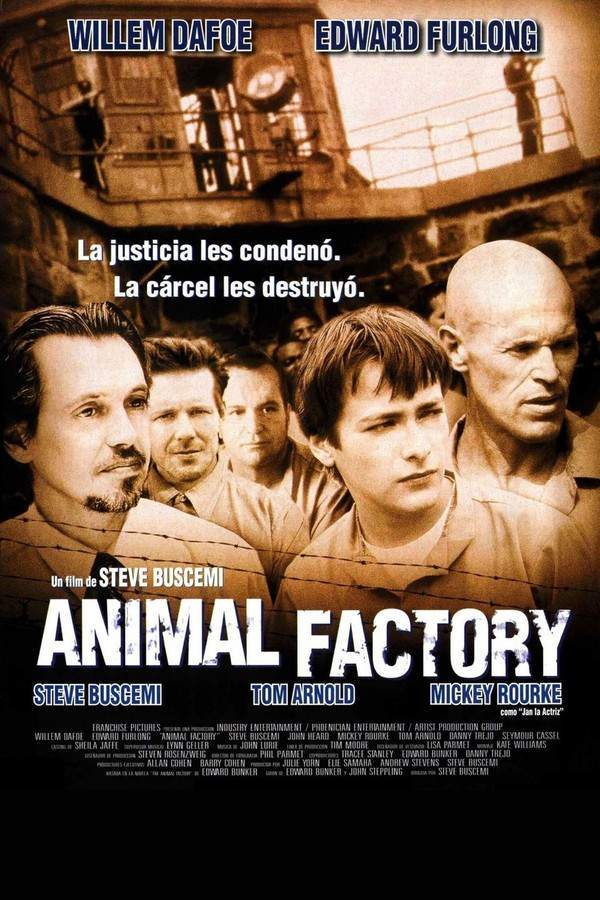
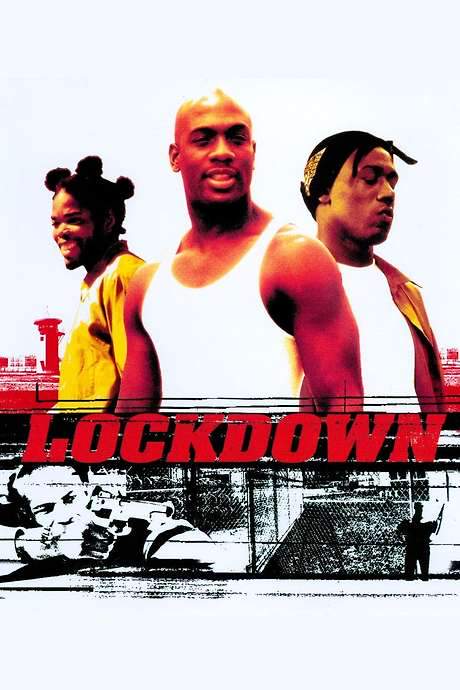
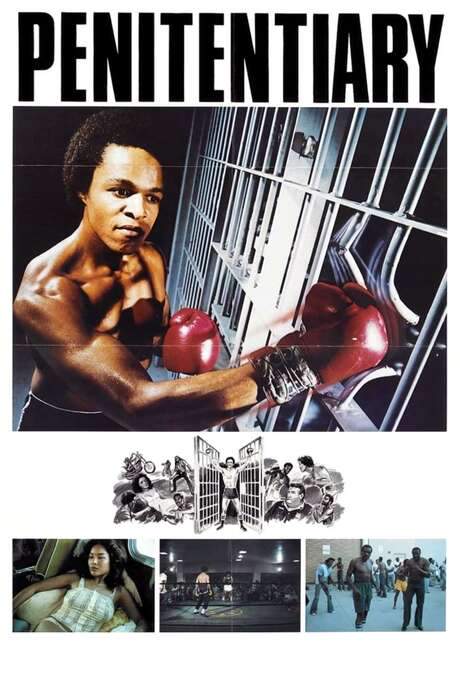
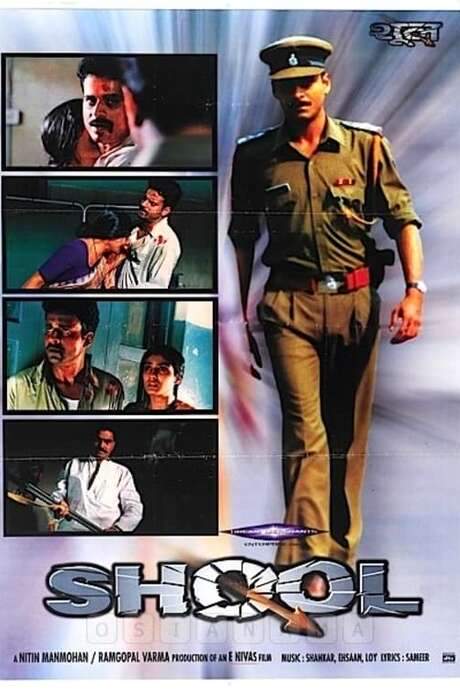
Gritty Prison System Dramas like Inside the Walls of Folsom Prison

Gritty stories that expose the brutal realities and explosive tensions within carceral systems.Explore movies like Inside the Walls of Folsom Prison that delve into the brutal realities of prison life. If you liked the intense power struggles, prison riots, and themes of reform vs. punishment, this list features similar hard-hitting crime and drama stories set behind bars.

oppressivebrutalclaustrophobictensegrittyhopelessanxious

Narrative Summary

These narratives typically follow a clear arc: the establishment of an oppressive regime, the introduction of a hopeful but fragile reform effort, the subsequent conflict with entrenched authority, and the ultimate, often tragic, failure leading to a violent climax like a riot. The central conflict is usually ideological, pitting humane change against systemic brutality.

Why These Movies?

They are grouped together for their shared setting, thematic focus on institutional critique, and their depiction of the inevitable, violent consequences of systemic oppression. They create a specific, claustrophobic world where hope is systematically crushed.

Stories of Crushed Idealism like in Inside the Walls of Folsom Prison

Stories where hopeful reformers are broken by the immovable weight of a corrupt institution.Find movies similar to Inside the Walls of Folsom Prison where a character's hope for change is systematically destroyed. If you appreciated the heavy emotional weight and sad ending stemming from the failure of reform, these films explore similar tragic arcs within corrupt institutions.

grimhopelesstragicheavypessimistictensefrustrating

Narrative Summary

The plot follows a clear, tragic trajectory: a reformer arrives, implements positive changes that briefly create hope, faces fierce resistance from the old guard, and witnesses their efforts catastrophically fail, often causing more harm than good. The emotional journey is defined by the rise and crushing of hope, underscoring a bleak view of systemic change.

Why These Movies?

They share a core narrative pattern and emotional arc: the tragedy of a well-intentioned individual being broken by a system too powerful or corrupt to change. The unifying element is the heavy, pessimistic feeling that idealism cannot survive in a hostile environment.

Unlock the Full Story of Inside the Walls of Folsom Prison

Don't stop at just watching - explore Inside the Walls of Folsom Prison in full detail. From the complete plot summary and scene-by-scene timeline to character breakdowns, thematic analysis, and a deep dive into the ending - every page helps you truly understand what Inside the Walls of Folsom Prison is all about. Plus, discover what's next after the movie.

Inside the Walls of Folsom Prison Summary

Read a complete plot summary of Inside the Walls of Folsom Prison, including all key story points, character arcs, and turning points. This in-depth recap is ideal for understanding the narrative structure or reviewing what happened in the movie.

Inside the Walls of Folsom Prison Summary

Characters, Settings & Themes in Inside the Walls of Folsom Prison

Discover the characters, locations, and core themes that shape Inside the Walls of Folsom Prison. Get insights into symbolic elements, setting significance, and deeper narrative meaning - ideal for thematic analysis and movie breakdowns.

Characters, Settings & Themes in Inside the Walls of Folsom Prison

Inside the Walls of Folsom Prison Spoiler-Free Summary

Get a quick, spoiler-free overview of Inside the Walls of Folsom Prison that covers the main plot points and key details without revealing any major twists or spoilers. Perfect for those who want to know what to expect before diving in.

Inside the Walls of Folsom Prison Spoiler-Free Summary

More About Inside the Walls of Folsom Prison

Visit What's After the Movie to explore more about Inside the Walls of Folsom Prison: box office results, cast and crew info, production details, post-credit scenes, and external links - all in one place for movie fans and researchers.

More About Inside the Walls of Folsom Prison

Similar Movies to Inside the Walls of Folsom Prison

Discover movies like Inside the Walls of Folsom Prison that share similar genres, themes, and storytelling elements. Whether you’re drawn to the atmosphere, character arcs, or plot structure, these curated recommendations will help you explore more films you’ll love.