


Plot Explained Spoilers guaranteed!
Plot Explained

Browse by genre

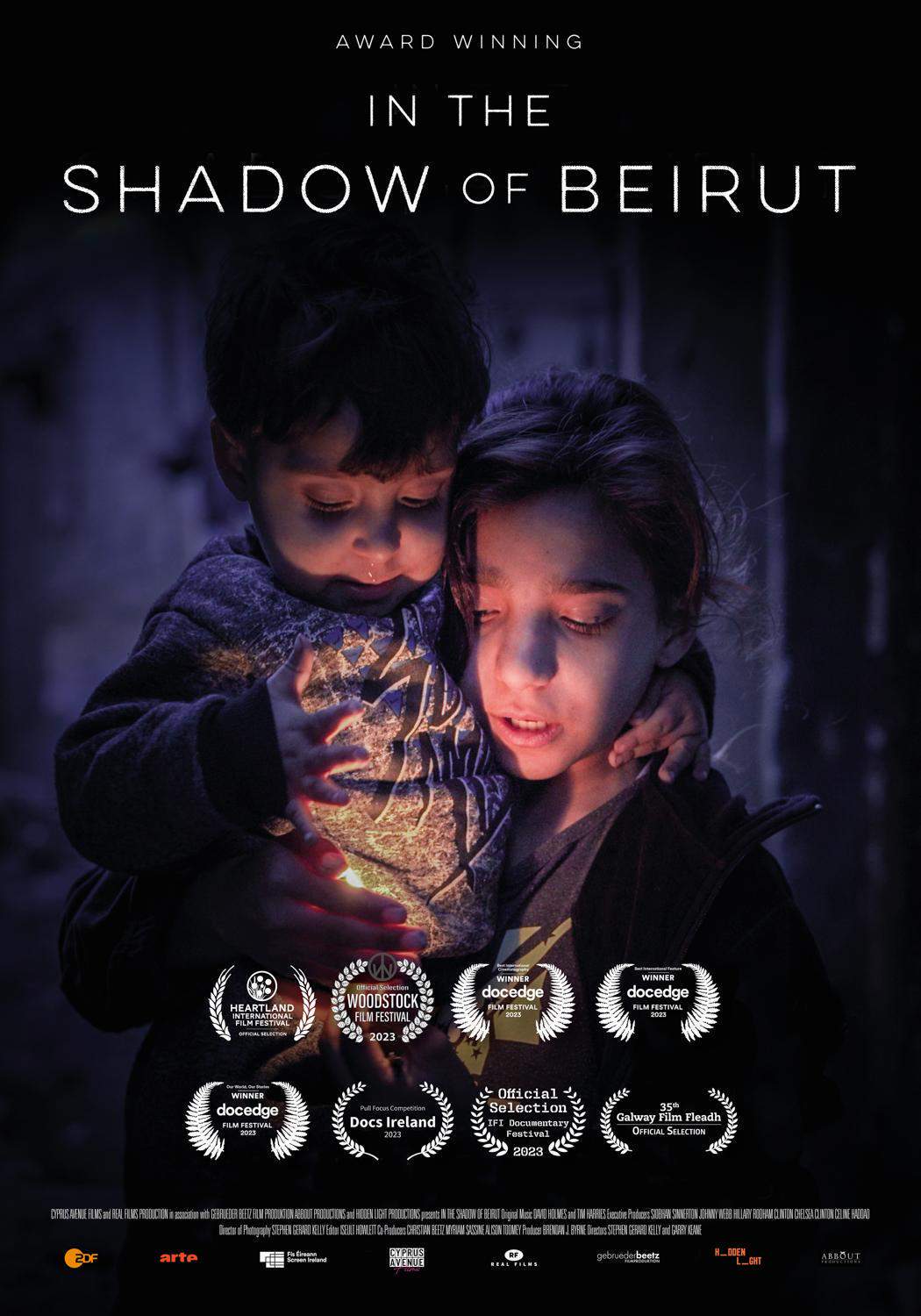
In the Shadow of Beirut (2025) movie poster

Timeline

In the Shadow of Beirut (2025) Timeline Explained – Every Event in Order

Release, runtime and language
2025 · 1 h 32 m · English

In one of Beirut’s most challenging neighborhoods, Sabra, sectarianism and violence are inescapable realities. Rabia, a Lebanese mother struggling to make ends meet as an undocumented worker, faces a heartbreaking dilemma: she cannot afford the medical care her chronically ill daughter desperately needs. Meanwhile, Ayman, a father of five, is preparing for an uncertain future amidst the ongoing conflict.

On this page (6)
  1. 1 Where to watch
  2. 2 Events in order (14)
  3. 3 Timeline questions answered
  4. 4 Movie threads
  5. 5 Movies like In the Shadow of Beirut
  6. 6 Every angle

Where to watch

Where to Watch In the Shadow of Beirut (2025)

Where can you watch In the Shadow of Beirut? Stream, rent or buy it in the US, including on Amazon Video and Apple TV Store: current JustWatch availability with up-to-date prices.

Streaming availability powered by JustWatch

14 events in order · contains spoilers

In the Shadow of Beirut Timeline: Events in Chronological Order

Every key event of In the Shadow of Beirut (2025) in order, scene by scene, with when and where it takes place. Use it to untangle flashbacks, time jumps and parallel storylines, to refresh your memory before the sequel or to find the exact scene you are thinking of.

  1. Introduction to Beirut's Struggles

    The film opens with a powerful depiction of Beirut, a city beautiful yet troubled, on the brink of financial collapse. The filmmakers emphasize the ongoing multifaceted crisis faced by its inhabitants, setting the stage for the intimate stories that will unfold.

    Where
    Beirut
  2. Life in Sabra

    We are introduced to Sabra, one of Beirut's toughest urban slums, where sectarianism and violence permeate everyday life. This environment creates immense challenges for its residents, highlighting the social and economic struggles they endure.

    Where
    Sabra
  3. Rabia's Struggles

    Rabia, a hardworking undocumented Lebanese mother, faces the heartbreaking decision of whether to admit her chronically ill daughter into the hospital. The film captures her desperation as she confronts a healthcare system she cannot afford, revealing the harsh realities of survival.

    Where
    Sabra
  4. Ayman's Preparations

    Ayman, the father of five, prepares for his daughter Sanaa's engagement to ensure her safety in the neighborhood. As he struggles to provide for his family, the pressure mounts to protect his daughter from the violent surroundings that threaten her future.

    Where
    Sabra
  5. Aboodi's Battle

    Aboodi, a young father, is depicted grappling with his drug addiction, which has led him to prison in the past. The film captures his efforts to find a new path towards sobriety, aiming to become a better parent for his small son, despite the overwhelming obstacles he faces.

    Where
    Sabra
  6. Abu Ahmad's Friendship

    In Shatila, we meet 8-year-old Abu Ahmad, a Syrian boy who escaped ISIS. He works tirelessly to support his family while developing an unexpected bond with a civil war veteran who owns a fruit stall, showcasing the power of friendship amidst adversity.

    Where
    Shatila
  7. Community Resonance

    The film underscores the importance of community, revealing the warmth and connections among residents of Sabra and Shatila despite their dire circumstances. The filmmakers' commitment to deepening relationships with their subjects allows for a genuine representation of their lives.

  8. Exploring Humanity

    Through the lens of the filmmakers, we witness intimate moments of life in the neighborhoods. The cinematography captures both the celebrations and struggles, providing a full spectrum of human emotions and resilience in the face of despair.

  9. Impact of the Beirut Port Explosion

    The narrative touches on the devastating Beirut port explosion of August 2020, which resulted from government negligence. This tragedy highlights the ongoing struggles of the citizens, many of whom were left grappling with loss and despair as the news cycle moved on.

    When
    August 2020
    Where
    Beirut
  10. Filmmakers' Dedication

    The filmmakers reflect on their journey, emphasizing the six years spent building trust with the communities of Sabra and Shatila. Their dedication resulted in an authentically intimate portrayal of the lives of those they filmed, resonating strongly with audiences.

  11. Political Underpinnings

    While the film is not overtly political, it reveals the underlying issues of failed leadership and socio-economic struggles in Lebanon. The protagonists' stories symbolize the broader challenges faced by many in the country, burdened by corruption and neglect.

    Where
    Lebanon
  12. Hope Amidst Despair

    Despite the harsh realities, the film highlights glimmers of hope among the characters. Their resilience and love for one another shine through as they strive for better lives, reminding viewers of the indomitable human spirit even in the worst of conditions.

  13. Call for Empathy

    The filmmakers aim to evoke empathy in the audience, urging viewers to understand the complexities of life in Lebanon. By sharing these intimate stories, they hope to change perceptions and inspire action towards supporting those in need.

  14. Conclusion and Reflection

    As the film concludes, viewers are left reflecting on the profound challenges faced by the protagonists. It serves as a powerful reminder of the human cost of crises and the importance of compassion and advocacy for those who are struggling.

Last updated: January 19, 2025 at 18:49

Was this helpful?

Timeline questions answered

In the Shadow of Beirut Timeline Explained: Your Questions Answered

When does it happen, and why in that order? The questions people ask about the chronology of In the Shadow of Beirut (2025): time jumps, flashbacks, cause and effect between scenes and the correct order of events, each answered with spoilers.

Q1

Why can't Rabia afford medical treatment for her daughter?

Rabia is an undocumented Lebanese worker living in Sabra, one of Beirut's poorest neighborhoods. Due to her undocumented status and Lebanon's severe economic crisis, she lacks access to the public healthcare system and cannot afford private medical care for her chronically ill daughter. The documentary highlights how the country's financial collapse has made basic services inaccessible even to citizens, let alone undocumented workers.

Foreshadowing: The film opens by establishing the dire economic conditions in Beirut, setting up the healthcare access issues that Rabia will face.

  • rabia
  • undocumented worker
  • healthcare
  • lebanon economic crisis
  • sabra
Q2

Why is Ayman arranging an engagement for his daughter Sanaa?

Ayman believes that arranging his daughter Sanaa's engagement to a suitable local man will protect her from the violence and sectarian dangers in their Sabra neighborhood. As a father of five struggling to provide for his family, he sees marriage as a way to ensure her safety while he works to meet their basic needs. The engagement represents his attempt to secure his daughter's future in an environment where women face significant risks.

Foreshadowing: Earlier in the film, the dangerous nature of Sabra is established, where sectarian violence threatens residents daily.

  • ayman
  • sanaa
  • engagement
  • protection
  • sabra
  • arranged marriage
Q3

Why was Aboodi in prison?

Aboodi, a young father, was previously imprisoned due to his drug addiction. The documentary follows his ongoing struggle to overcome his addiction and become a better parent to his young son. His story illustrates the cycle of poverty and addiction that traps many residents in these marginalized communities, where addiction treatment resources are scarce.

Foreshadowing: The film introduces Aboodi's addiction struggle early, showing how it impacts his ability to care for his family.

  • aboodi
  • drug addiction
  • prison
  • father
  • recovery
Q4

What is Abu Ahmad's background in the film?

Abu Ahmad is an 8-year-old Syrian boy who fled from ISIS. He works to help support his family while living in the Shatila refugee camp. Despite his traumatic past, he maintains an innocent and mischievous demeanor, forming a heartwarming friendship with a civil war veteran who owns a fruit stall and mentors him.

Foreshadowing: The film hints at the ongoing refugee crisis in Lebanon, which has the world's highest refugee populations per capita.

  • abu ahmad
  • syrian refugee
  • isis
  • shatila
  • child labor
Q5

Why does the film reference the Beirut port explosion?

The documentary references the devastating August 2020 Beirut port explosion to illustrate how government negligence has compounded the suffering of Lebanese citizens. The explosion, which killed and injured many, is used as a symbol of the broader systemic failures that have left communities like Sabra and Shatila without support. The filmmakers note that while the world moved on, the affected communities continue to grapple with the aftermath.

Foreshadowing: The opening section establishes the multiple crises facing Beirut, laying groundwork for discussing this tragedy.

  • beirut port explosion
  • 2020
  • government negligence
  • corruption
Q6

What makes Sabra and Shatila dangerous neighborhoods?

Sabra and Shatila are among Beirut's most challenging neighborhoods, characterized by pervasive sectarianism, violence, poverty, and crime. These areas have historically been marked by political instability and conflict, making them hazardous for residents, particularly women and children. The documentary shows how daily life in these neighborhoods requires constant negotiation for safety.

Foreshadowing: The film's introduction explicitly describes Sabra as an urban slum where sectarian violence permeates everyday life.

  • sabra
  • shatila
  • sectarian violence
  • poverty
  • beirut
  • refugee camp
Q7

How are the four main characters' stories connected?

While Rabia, Ayman, Aboodi, and Abu Ahmad have individual narratives, their stories are interconnected through their shared experience of living in Sabra and Shatila. All four face different aspects of the same systemic issues: poverty, lack of government support, and survival in a crisis-ridden environment. The filmmakers weave their stories together to create a broader social portrait of Lebanon's marginalized communities.

Foreshadowing: The film explicitly states it masterfully intertwines these four gripping arcs to paint a raw portrait of a resilient populace.

  • rabia
  • ayman
  • aboodi
  • abu ahmad
  • interconnected stories
  • lebanon
Q8

What is Lebanon's economic crisis about?

Lebanon is experiencing one of the world's worst economic crises, characterized by currency collapse, hyperinflation, unemployment, and shortages of basic services. The film depicts how this crisis has devastated ordinary citizens, particularly in impoverished neighborhoods like Sabra and Shatila. The documentary attributes these problems to corrupt sectarian governments that have failed their people.

Foreshadowing: The opening scene explicitly establishes Beirut as a city on the brink of financial collapse.

  • lebanon economic crisis
  • inflation
  • poverty
  • financial collapse
  • government corruption
Q9

Why does the film focus on undocumented workers in Lebanon?

The documentary highlights Rabia's status as an undocumented worker to expose the vulnerability of marginalized populations in Lebanon. Even Lebanese citizens without proper documentation face severe barriers to healthcare, employment, and legal protection. Rabia's story exemplifies how the economic crisis has pushed countless families into desperation, unable to access basic services.

Foreshadowing: The film's description emphasizes that the protagonists live where sectarian violence and poverty are stark daily realities.

  • undocumented worker
  • immigration
  • lebanon
  • vulnerable population
  • healthcare access
Q10

What is the film's message about Lebanon?

The filmmakers aim to evoke empathy and understanding about life in Lebanon's marginalized communities. Rather than focusing on politics, they emphasize the humanity, resilience, and warmth of families like Rabia's, Ayman's, Aboodi's, and Abu Ahmad's. The film serves as a call for viewers to recognize the human cost of ongoing crises and to see beyond headlines about Lebanon's political problems.

Foreshadowing: The conclusion explicitly states the film invites viewers into a rarely seen world rich in culture yet marred by struggle.

  • empathy
  • resilience
  • lebanon
  • humanity
  • documentary message

Movie threads

More Movies Like In the Shadow of Beirut, by Mood & Story

Curated lists built around what makes In the Shadow of Beirut tick: the same mood, the same kind of story or the same emotional payoff. Each list explains why these movies belong together.

Intimate Portraits of Resilience in Crisis like In the Shadow of Beirut

Stories where ordinary people show profound strength against insurmountable hardships. Movies like In the Shadow of Beirut that offer raw, intimate looks at people persevering through extreme hardship. If you were moved by the film's focus on human strength amidst societal collapse and poverty, you'll find similar powerful documentaries and dramas here.

  • gritty
  • resilient
  • heartbreaking
  • intimate
  • raw
  • hopeful
  • Tone: bleak, resilient, raw
  • Pacing: steady, observational
Why these movies?

The story pattern: Narratives typically follow one or several characters navigating the grim realities of a broken system—be it economic, political, or social. The journey is less about a traditional plot and more about documenting the small acts of survival and tenderness that sustain life against all odds.

Why they belong together: These films are grouped by their shared focus on intimate human stories set against a backdrop of large-scale crisis, a steady pacing that allows for deep immersion, a bleak yet tender tone, and a heavy emotional weight derived from real-world struggles.
Bleak Social Realism with Ambiguous Endings like In the Shadow of Beirut

Unflinching looks at systemic failure and its human cost, without easy answers. If you liked the unflinching social realism and ambiguous ending of In the Shadow of Beirut, explore these similar movies. This list features gritty documentaries and dramas that tackle poverty, corruption, and violence, offering no simple solutions.

  • gritty
  • oppressive
  • somber
  • raw
  • unflinching
  • thought-provoking
  • Tone: bleak, gritty, raw
  • Pacing: steady, deliberate
Why these movies?

The story pattern: These films often use a multi-character or vignette structure to paint a broader portrait of a failing society. The narrative avoids clean, Hollywood-style resolutions, instead opting for an ending that reflects the persistent, cyclical nature of the problems faced by the characters.

Why they belong together: They share a commitment to gritty realism, a bleak tone grounded in real-world issues, a moderate narrative complexity, and a preference for ambiguous or unresolved endings that provoke thought rather than provide closure.

If you liked this

Movies Like In the Shadow of Beirut

Similar movies to In the Shadow of Beirut: the same genre, themes or kind of story. Each one comes with its own plot summary, timeline and ending explained.

Browse all movie summaries

Every angle

In the Shadow of Beirut (2025) Explained: Plot, Timeline & Characters

Everything about In the Shadow of Beirut in one place: what happens in the plot summary, the timeline in chronological order, the characters and meaning and a spoiler-free summary. What's After the Movie adds the cast, box office and post-credit scenes.

Coming soon on iOS and Android

The Plot Explained Movie Summary App

Plot summaries, endings explained and timelines on your phone. Catch up on any movie in minutes, save your favorites and never miss a twist again.

Be the first to know when we launch. Your email stays private, always.

Learn more about the app