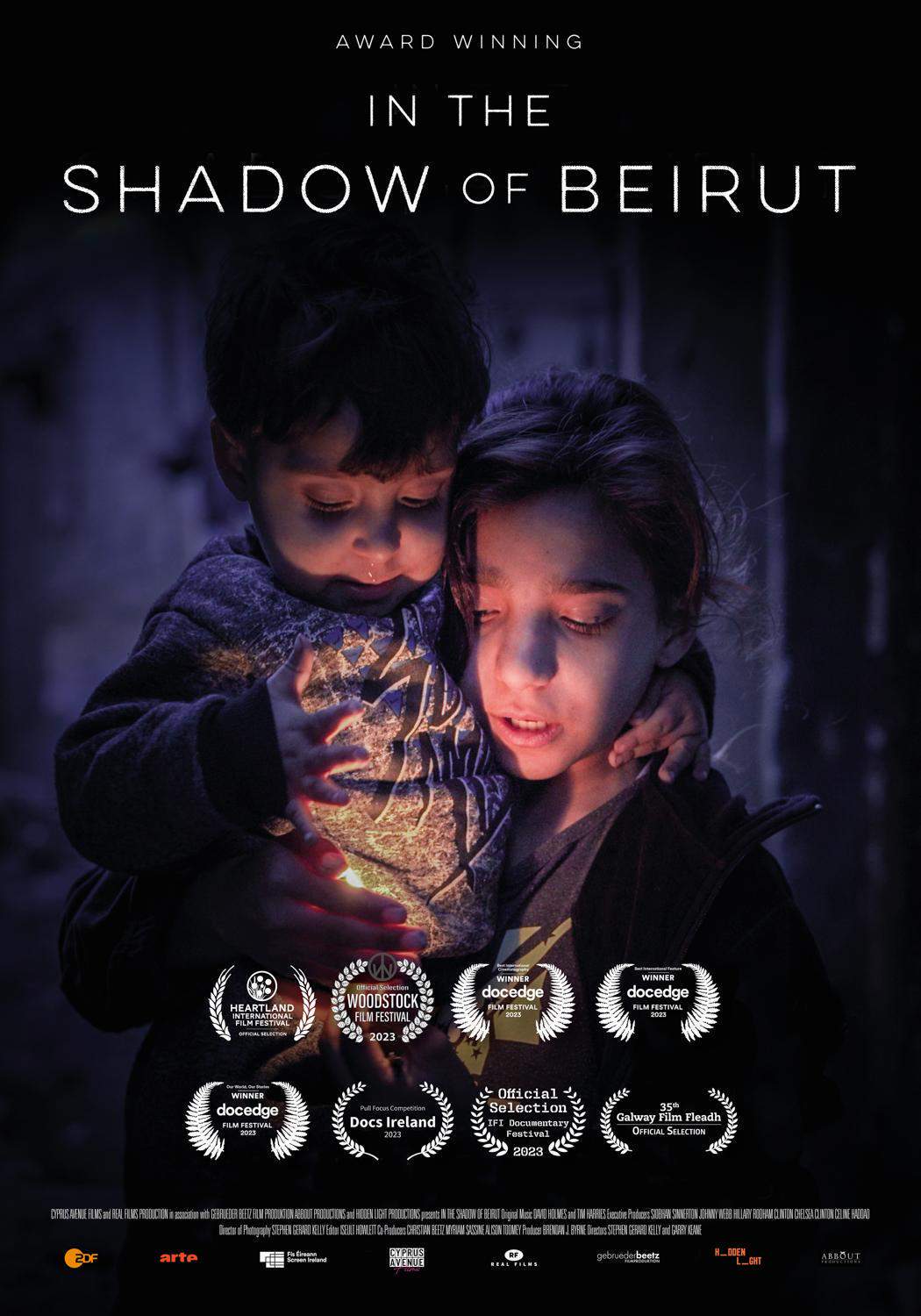
In the Shadow of Beirut

In the Shadow of Beirut

Year: 2025

Runtime: 1 h 32 m

Language: english

Documentary

In one of Beirut’s most challenging neighborhoods, Sabra, sectarianism and violence are inescapable realities. Rabia, a Lebanese mother struggling to make ends meet as an undocumented worker, faces a heartbreaking dilemma: she cannot afford the medical care her chronically ill daughter desperately needs. Meanwhile, Ayman, a father of five, is preparing for an uncertain future amidst the ongoing conflict.

Where to Watch In the Shadow of Beirut?

Find where to stream, rent, or buy In the Shadow of Beirut (2025) in the US with current JustWatch availability, up-to-date pricing, and platform listings for subscription, rental, and digital purchase options.

Warning: spoilers below!

Haven’t seen In the Shadow of Beirut yet? This summary contains major spoilers. Bookmark the page, watch the movie, and come back for the full breakdown. If you're ready, scroll on and relive the story!

In the Shadow of Beirut (2025) – Full Plot Summary & Ending Explained

Read the complete plot breakdown of In the Shadow of Beirut (2025), including all key story events, major twists, and the ending explained in detail. Discover what really happened, and what it all means.

From the creative minds behind GAZA, a poignant film emerges that delves into the heart of Beirut, a stunning yet fraught city facing severe economic turmoil. “In the Shadow of Beirut” highlights the lives of its protagonists living in Sabra and Shatila, where sectarian violence and poverty are stark daily realities.

The film centers around Rabia, a 38-year-old undocumented Lebanese mother who finds herself in a harrowing predicament as she struggles to provide medical aid for her chronically ill daughter, jeopardizing her child’s health due to a lack of funds. Meanwhile, Ayman, a father of five, navigates the challenges of securing an engagement for his daughter Sanaa to a suitable local man, an act he believes will protect her in their dangerous neighborhood while he works tirelessly to meet the basic needs of his family.

Adding to the narratives is Aboodi, a young father fighting against his drug addiction, a battle that has previously landed him in prison. He yearns to redefine his life, seeking a path that will allow him to be a better father figure to his young son. The story further intertwines with that of Abu Ahmad, an 8-year-old Syrian boy who fled from the clutches of ISIS. Sporting an innocent yet mischievous demeanor, Abu Ahmad takes up labor to help sustain his family while forming an unlikely yet heartwarming bond with a civil war veteran and fruit stall owner who mentors him.

Through exquisite cinematography and storytelling, In the Shadow of Beirut masterfully intertwines these four gripping arcs, painting a raw portrait of a resilient populace striving to endure amidst dire circumstances. Viewers are offered a profound glimpse into the lives of these individuals, symbolizing the countless others in Lebanon who are grappling with the harsh realities of existence in a nation marked by the world’s highest refugee populations and an ongoing financial crisis.

The filmmakers immerse themselves in the community with a level of respect and authenticity that is profoundly moving. Their commitment to portraying the humanity of these families, rather than reducing them to mere subjects, shines in every frame. It’s apparent that Myriam Sassine, a Lebanese producer, feels a deep connection to the material. She passionately expresses her admiration for the filmmakers’ ethical approach: “their dedication to immersing themselves in the community where they shoot is evident throughout the film.”

Similarly, editor Zeina Aboul-Hosn describes this production as a true labor of love. She emphasizes the significance of the relationships cultivated over the five years of filming, which transformed the subjects from mere acquaintances into what she describes as adopted family. “It’s impossible to capture the footage without investing significant time and developing real friendships,” she states, highlighting the genuine connections formed throughout the filming process.

Director’s statement encapsulates the core of this project: the “plight of the people of Lebanon, under successive corrupt sectarian governments, has largely been forgotten.” The devastating Beirut port explosion in August 2020, linked closely to government negligence, left deep scars on the community, yet the world has gradually shifted its focus away from the ongoing struggles faced by countless citizens.

By showcasing the intimate lives of families in the marginalized neighborhoods of Sabra and Shatila, the film not only reflects their resilience but also underlines the overarching political issues that have led to their plight. Each story is a testament to the human spirit’s capacity for love, hope, and perseverance in the face of adversity, amplified by various emotional moments that illuminate their daily struggles and aspirations for a brighter future.

As the dust from the past settles and the shadows of economic collapse loom over the vibrant streets of Beirut, “In the Shadow of Beirut” emerges as a vital cinematic experience. It invites viewers into a rarely seen world—a space rich in culture yet marred by struggle, where simple human rights, survival, and the ability to dream remain luxuries few can afford. The film is more than just a documentary; it’s a heartfelt invitation to empathize and engage with a community that, despite its challenges, continues to radiate warmth and strength.
Last updated: January 19, 2025 at 18:49

Was this helpful?

In the Shadow of Beirut (2025) Plot Questions Answered – Summary FAQ

Explore frequently asked questions about In the Shadow of Beirut (2025) with spoiler-rich answers covering the full plot summary, major story beats, character motivations, hidden details, and ending meaning. This movie summary FAQ helps explain confusing scenes, plot twists, and narrative decisions in clear, searchable detail.

Q1

Why can't Rabia afford medical treatment for her daughter?

A.

Rabia is an undocumented Lebanese worker living in Sabra, one of Beirut's poorest neighborhoods. Due to her undocumented status and Lebanon's severe economic crisis, she lacks access to the public healthcare system and cannot afford private medical care for her chronically ill daughter. The documentary highlights how the country's financial collapse has made basic services inaccessible even to citizens, let alone undocumented workers.

The film opens by establishing the dire economic conditions in Beirut, setting up the healthcare access issues that Rabia will face.

rabiaundocumented workerhealthcarelebanon economic crisissabra
Q2

Why is Ayman arranging an engagement for his daughter Sanaa?

A.

Ayman believes that arranging his daughter Sanaa's engagement to a suitable local man will protect her from the violence and sectarian dangers in their Sabra neighborhood. As a father of five struggling to provide for his family, he sees marriage as a way to ensure her safety while he works to meet their basic needs. The engagement represents his attempt to secure his daughter's future in an environment where women face significant risks.

Earlier in the film, the dangerous nature of Sabra is established, where sectarian violence threatens residents daily.

aymansanaaengagementprotectionsabraarranged marriage
Q3

Why was Aboodi in prison?

A.

Aboodi, a young father, was previously imprisoned due to his drug addiction. The documentary follows his ongoing struggle to overcome his addiction and become a better parent to his young son. His story illustrates the cycle of poverty and addiction that traps many residents in these marginalized communities, where addiction treatment resources are scarce.

The film introduces Aboodi's addiction struggle early, showing how it impacts his ability to care for his family.

aboodidrug addictionprisonfatherrecovery
Q4

What is Abu Ahmad's background in the film?

A.

Abu Ahmad is an 8-year-old Syrian boy who fled from ISIS. He works to help support his family while living in the Shatila refugee camp. Despite his traumatic past, he maintains an innocent and mischievous demeanor, forming a heartwarming friendship with a civil war veteran who owns a fruit stall and mentors him.

The film hints at the ongoing refugee crisis in Lebanon, which has the world's highest refugee populations per capita.

abu ahmadsyrian refugeeisisshatilachild labor
Q5

Why does the film reference the Beirut port explosion?

A.

The documentary references the devastating August 2020 Beirut port explosion to illustrate how government negligence has compounded the suffering of Lebanese citizens. The explosion, which killed and injured many, is used as a symbol of the broader systemic failures that have left communities like Sabra and Shatila without support. The filmmakers note that while the world moved on, the affected communities continue to grapple with the aftermath.

The opening section establishes the multiple crises facing Beirut, laying groundwork for discussing this tragedy.

beirut port explosion2020government negligencecorruption
Q6

What makes Sabra and Shatila dangerous neighborhoods?

A.

Sabra and Shatila are among Beirut's most challenging neighborhoods, characterized by pervasive sectarianism, violence, poverty, and crime. These areas have historically been marked by political instability and conflict, making them hazardous for residents, particularly women and children. The documentary shows how daily life in these neighborhoods requires constant negotiation for safety.

The film's introduction explicitly describes Sabra as an urban slum where sectarian violence permeates everyday life.

sabrashatilasectarian violencepovertybeirutrefugee camp
Q7

How are the four main characters' stories connected?

A.

While Rabia, Ayman, Aboodi, and Abu Ahmad have individual narratives, their stories are interconnected through their shared experience of living in Sabra and Shatila. All four face different aspects of the same systemic issues: poverty, lack of government support, and survival in a crisis-ridden environment. The filmmakers weave their stories together to create a broader social portrait of Lebanon's marginalized communities.

The film explicitly states it masterfully intertwines these four gripping arcs to paint a raw portrait of a resilient populace.

rabiaaymanaboodiabu ahmadinterconnected storieslebanon
Q8

What is Lebanon's economic crisis about?

A.

Lebanon is experiencing one of the world's worst economic crises, characterized by currency collapse, hyperinflation, unemployment, and shortages of basic services. The film depicts how this crisis has devastated ordinary citizens, particularly in impoverished neighborhoods like Sabra and Shatila. The documentary attributes these problems to corrupt sectarian governments that have failed their people.

The opening scene explicitly establishes Beirut as a city on the brink of financial collapse.

lebanon economic crisisinflationpovertyfinancial collapsegovernment corruption
Q9

Why does the film focus on undocumented workers in Lebanon?

A.

The documentary highlights Rabia's status as an undocumented worker to expose the vulnerability of marginalized populations in Lebanon. Even Lebanese citizens without proper documentation face severe barriers to healthcare, employment, and legal protection. Rabia's story exemplifies how the economic crisis has pushed countless families into desperation, unable to access basic services.

The film's description emphasizes that the protagonists live where sectarian violence and poverty are stark daily realities.

undocumented workerimmigrationlebanonvulnerable populationhealthcare access
Q10

What is the film's message about Lebanon?

A.

The filmmakers aim to evoke empathy and understanding about life in Lebanon's marginalized communities. Rather than focusing on politics, they emphasize the humanity, resilience, and warmth of families like Rabia's, Ayman's, Aboodi's, and Abu Ahmad's. The film serves as a call for viewers to recognize the human cost of ongoing crises and to see beyond headlines about Lebanon's political problems.

The conclusion explicitly states the film invites viewers into a rarely seen world rich in culture yet marred by struggle.

empathyresiliencelebanonhumanitydocumentary message
Mobile App Preview

Coming soon on iOS and Android

The Plot Explained Mobile App

From blockbusters to hidden gems - dive into movie stories anytime, anywhere. Save your favorites, discover plots faster, and never miss a twist again.

Sign up to be the first to know when we launch. Your email stays private, always.

Explore Movie Threads

Discover curated groups of movies connected by mood, themes, and story style. Browse collections built around emotion, atmosphere, and narrative focus to easily find films that match what you feel like watching right now.

Intimate Portraits of Resilience in Crisis like In the Shadow of Beirut

Stories where ordinary people show profound strength against insurmountable hardships.Movies like In the Shadow of Beirut that offer raw, intimate looks at people persevering through extreme hardship. If you were moved by the film's focus on human strength amidst societal collapse and poverty, you'll find similar powerful documentaries and dramas here.

grittyresilientheartbreakingintimaterawhopefulsomberoppressive

Narrative Summary

Narratives typically follow one or several characters navigating the grim realities of a broken system—be it economic, political, or social. The journey is less about a traditional plot and more about documenting the small acts of survival and tenderness that sustain life against all odds.

Why These Movies?

These films are grouped by their shared focus on intimate human stories set against a backdrop of large-scale crisis, a steady pacing that allows for deep immersion, a bleak yet tender tone, and a heavy emotional weight derived from real-world struggles.

Bleak Social Realism with Ambiguous Endings like In the Shadow of Beirut

Unflinching looks at systemic failure and its human cost, without easy answers.If you liked the unflinching social realism and ambiguous ending of In the Shadow of Beirut, explore these similar movies. This list features gritty documentaries and dramas that tackle poverty, corruption, and violence, offering no simple solutions.

grittyoppressivesomberrawunflinchingthought-provokingheavyrealistic

Narrative Summary

These films often use a multi-character or vignette structure to paint a broader portrait of a failing society. The narrative avoids clean, Hollywood-style resolutions, instead opting for an ending that reflects the persistent, cyclical nature of the problems faced by the characters.

Why These Movies?

They share a commitment to gritty realism, a bleak tone grounded in real-world issues, a moderate narrative complexity, and a preference for ambiguous or unresolved endings that provoke thought rather than provide closure.

Unlock the Full Story of In the Shadow of Beirut

Don't stop at just watching - explore In the Shadow of Beirut in full detail. From the complete plot summary and scene-by-scene timeline to character breakdowns, thematic analysis, and a deep dive into the ending - every page helps you truly understand what In the Shadow of Beirut is all about. Plus, discover what's next after the movie.

In the Shadow of Beirut Timeline

Track the full timeline of In the Shadow of Beirut with every major event arranged chronologically. Perfect for decoding non-linear storytelling, flashbacks, or parallel narratives with a clear scene-by-scene breakdown.

In the Shadow of Beirut Timeline

Characters, Settings & Themes in In the Shadow of Beirut

Discover the characters, locations, and core themes that shape In the Shadow of Beirut. Get insights into symbolic elements, setting significance, and deeper narrative meaning - ideal for thematic analysis and movie breakdowns.

Characters, Settings & Themes in In the Shadow of Beirut

In the Shadow of Beirut Spoiler-Free Summary

Get a quick, spoiler-free overview of In the Shadow of Beirut that covers the main plot points and key details without revealing any major twists or spoilers. Perfect for those who want to know what to expect before diving in.

In the Shadow of Beirut Spoiler-Free Summary

More About In the Shadow of Beirut

Visit What's After the Movie to explore more about In the Shadow of Beirut: box office results, cast and crew info, production details, post-credit scenes, and external links - all in one place for movie fans and researchers.

More About In the Shadow of Beirut

Similar Movies to In the Shadow of Beirut

Discover movies like In the Shadow of Beirut that share similar genres, themes, and storytelling elements. Whether you’re drawn to the atmosphere, character arcs, or plot structure, these curated recommendations will help you explore more films you’ll love.