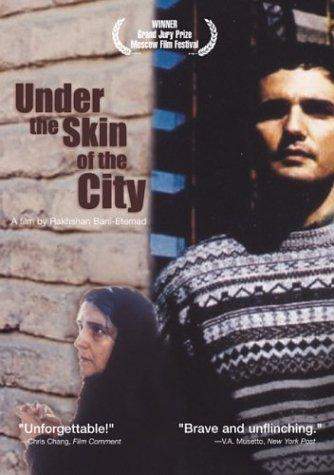
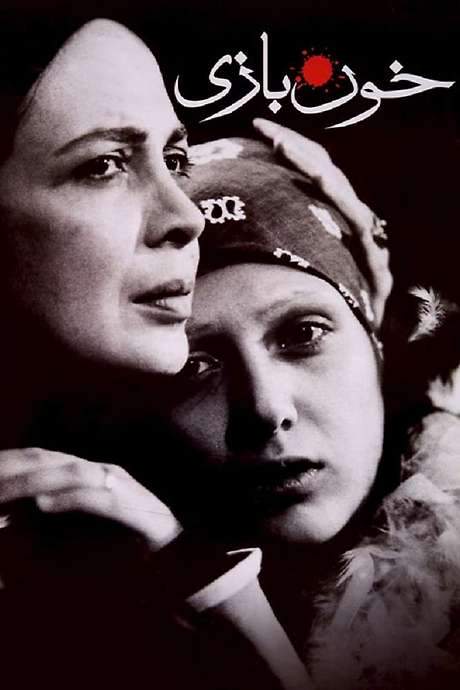
Tooba, a working-class woman living in Tehran, navigates a life defined by scarcity and resilience alongside her husband, daughter Mahboubeh, and their two sons, Abbas and Ali. Ali, the youngest, is curious about the country’s politics and becomes increasingly involved in campaigns during the sixth House of Representatives elections, despite his father’s warnings. His budding political interest often lands him at the police station, pulled in by the authorities for taking part in demonstrations. Tooba herself bears the strain of poverty and long hours at a textile factory, where unsafe working conditions take a toll on her health, especially her asthma.
Abbas, the eldest son, toils in a clothing shop and dreams of earning enough to someday travel to Japan to support the family financially. He longs for the affection of a local girl who works nearby, hoping that such a connection could bring some happiness into their tough life. The elder daughter returns home pregnant after suffering abuse from her husband, and Tooba urges her to stay with the family, even as her siblings protest and worry about the stability of their home. The family’s plight deepens when Abbas and his father, without Tooba’s presence to intervene, transfer the deed to their house to an “architect” who has been pressing to buy the property.
Meanwhile, their neighbor Maryam, who shares a bond with Tooba at the factory, is preparing to celebrate her eldest daughter Somaya’s wedding. Masoumeh, Maryam’s younger daughter, runs away from home after enduring abuse from her brother for coming home late. Mahboubeh, a close friend to Masoumeh, secretly searches for her in Mellat Park and brings her back home, only to be seized by the police when leaving the park. The news of Mahboubeh’s arrest becomes a turning point for the family, triggering a desperate plan: Tooba decides to pawnbroker the house deed to secure her daughter’s release, but the deed has vanished from their home. She confronts the architect, yet the deed remains elusive.
In a bid to set things straight, Abbas uses the money he has been saving for his Japan journey to bail out his sister. When he returns to the visa office, he finds the building empty and realizes the operation was illegitimate. In a desperate move to make fast money, Abbas begins working for a local drug trafficker who offers him money in exchange for smuggling drugs into the city. He delivers clothes embedded with drugs to Orumieh, but discovers, too late, that Ali has secretly stowed away in the back of the truck out of concern for his safety and ends up being beaten by Abbas for meddling.
With the job left incomplete, Abbas hides in the city and is visited by Tooba, who provides him with the rest of the family’s savings and urges him to flee. The boss catches up with Abbas, but he escapes with his mother’s help. In the final moments, Tooba speaks to documentarians on Election Day, reflecting on her choice to reveal the truth about their family’s struggles and declaring that it is better to capture a video from inside her heart. The film closes on a note that underscores personal sacrifice, social pressure, and the cost of political engagement in a corner of Tehran where the family’s fate is tightly bound to the wider currents of public life.