Year: 2022
Runtime: 98 mins
Language: French
Director: Émilie Frèche
While driving near Briançon, David accidentally hits a teenage immigrant fleeing the police. He hurriedly hides the boy in his car’s trunk and brings him home, where his wife Gabrielle and their two children await. Moved by the teen’s plight, David resolves to protect and support him, risking everything for the young refugee.
Warning: spoilers below!
Haven’t seen In a Better World yet? This summary contains major spoilers. Bookmark the page, watch the movie, and come back for the full breakdown. If you're ready, scroll on and relive the story!
Trace every key event in In a Better World (2022) with our detailed, chronological timeline. Perfect for unpacking nonlinear stories, spotting hidden connections, and understanding how each scene builds toward the film’s climax. Whether you're revisiting or decoding for the first time, this timeline gives you the full picture.
Last updated: October 01, 2025 at 10:23
Find frequently asked questions about the In a Better World (2022) timeline, including chronological order, nonlinear jumps, cause-and-effect links, and scene sequence clarifications. This timeline FAQ helps explain when key events happen, how moments connect, and why the story unfolds in that specific order.
Anton treats the warlord because as a doctor, he believes in providing medical care regardless of the patient's moral character. However, he imposes strict conditions, requiring the warlord to leave his weapons and guards outside the clinic, showing his attempt to maintain some control over the situation. This decision reflects the film's central moral tension between professional duty and personal ethics.
Anton chooses not to retaliate against the mechanic's physical and verbal abuse because he believes in bearing the weight of danger without breaking. This non-violent response aligns with his broader philosophy of moral restraint, even when provoked. His calm demeanor in the face of humiliation contrasts sharply with the escalating violence in other parts of the story, highlighting his character's commitment to non-escalation.
Earlier, Anton makes a similar choice in Sudan when he decides to treat the warlord rather than refuse him.
Christian gives Elias the knife as a symbolic gesture of protection and solidarity. After assaulting the bully to defend Elias, Christian places the knife in Elias' hands to show they are now allies who will protect each other. The boys then lie to authorities about the incident, creating a secret bond built on shared guilt and mutual protection.
After Anton treats the warlord's wounded leg, the warlord shows contempt for a victim under his control. Anton then drags him away from the clinic's protection, allowing local people to beat him to death. This represents a dramatic shift from Anton's earlier stance of non-interference, as he actively facilitates the warlord's execution rather than directly committing the act himself.
The warlord's initial visit establishes his cruelty, making his death feel like a form of delayed justice.
Christian and Elias plan to bomb the mechanic's car as an act of revenge for how the mechanic humiliated and physically assaulted Anton. The bombing is specifically planned for Sunday morning when no one would be around, showing they wanted destruction without casualties. Their motivation stems from wanting to protect Elias' family and exact justice for the abuse Anton suffered.
The mechanic's repeated slaps of Anton at his workshop directly precede this decision.
Elias spots two joggers, a mother and her young daughter, approaching the area where the bomb is about to explode. Despite knowing this would expose their plan and put himself at risk, he leaps from cover to warn them, sacrificing his own safety to save theirs. This act demonstrates that even in their misguided revenge plot, the boys retained basic moral instincts about protecting innocent life.
Marianne refuses Christian access to Elias because she is overwhelmed by fear, she genuinely believes her son might die from his injuries. Her emotional response is shaped by the trauma of nearly losing her child, and she blames Christian for involving Elias in a dangerous plan that nearly killed him. She tells Christian he has "killed" her son, reflecting her anger and protective instinct in that moment.
Christian climbs to the top of the silo believing that Elias has died from his injuries. Overwhelmed by guilt and grief, he decides to commit suicide. His belief that he caused his friend's death, combined with his existing emotional trauma from his mother's death and fractured relationship with his father, drives him to this desperate act.
Christian's history of blaming himself for his mother's death creates the psychological foundation for this suicidal response.
Anton finds Christian on the roof of the silo and talks him down, physically stopping him from jumping. This rescue becomes a pivotal moment of connection between Anton and Christian, bridging their two troubled families. It marks a turning point where Anton, who has struggled to connect with his own family, takes on a protective paternal role for Christian.
The two storylines explore different forms of violence, moral responsibility, and forgiveness across vastly different contexts. In Sudan, Anton faces violence as a doctor navigating war and cruelty. In Denmark, his family faces domestic violence and the consequences of youthful rage. Both storylines force characters to make impossible moral choices, ultimately converging through Anton's rescue of Christian and the theme of whether violence begets more violence or can be transcended through compassion.
The film ends with Anton and Marianne appearing to resume their marriage, as they are shown having sex, suggesting a physical reconciliation. However, this reunion is tentative and bittersweet, coming after immense trauma and moral compromise. The ending emphasizes healing rather than a complete resolution, leaving their future uncertain but hopeful.
Discover curated groups of movies connected by mood, themes, and story style. Browse collections built around emotion, atmosphere, and narrative focus to easily find films that match what you feel like watching right now.
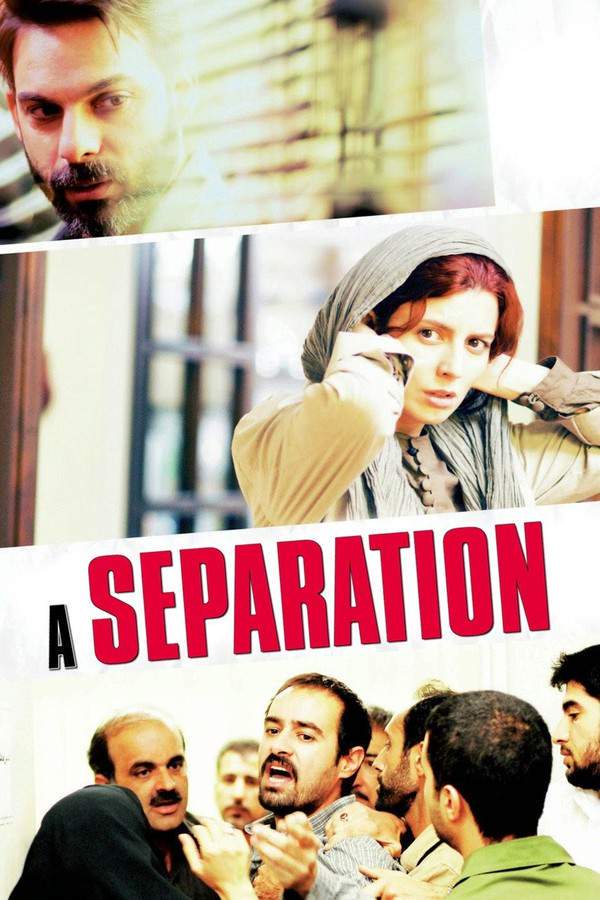
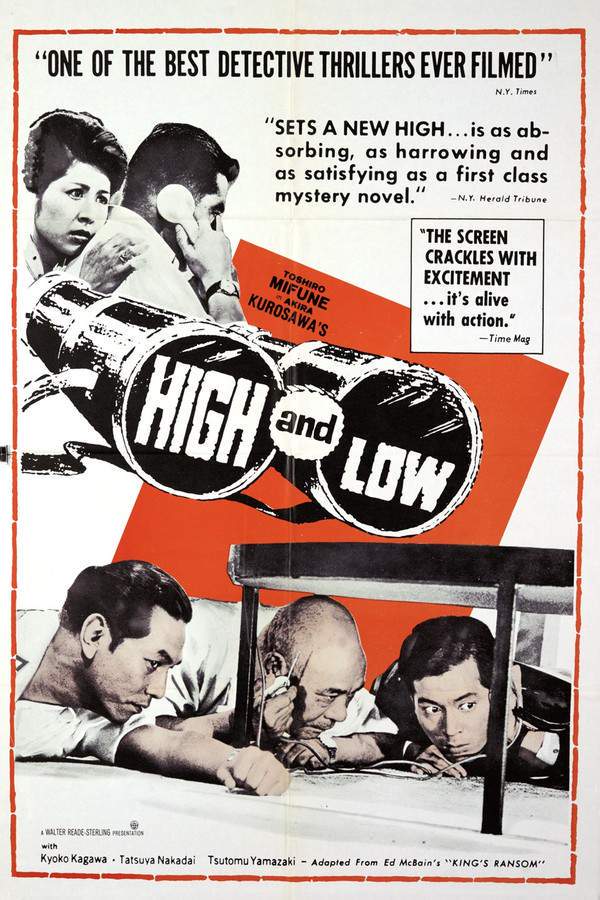
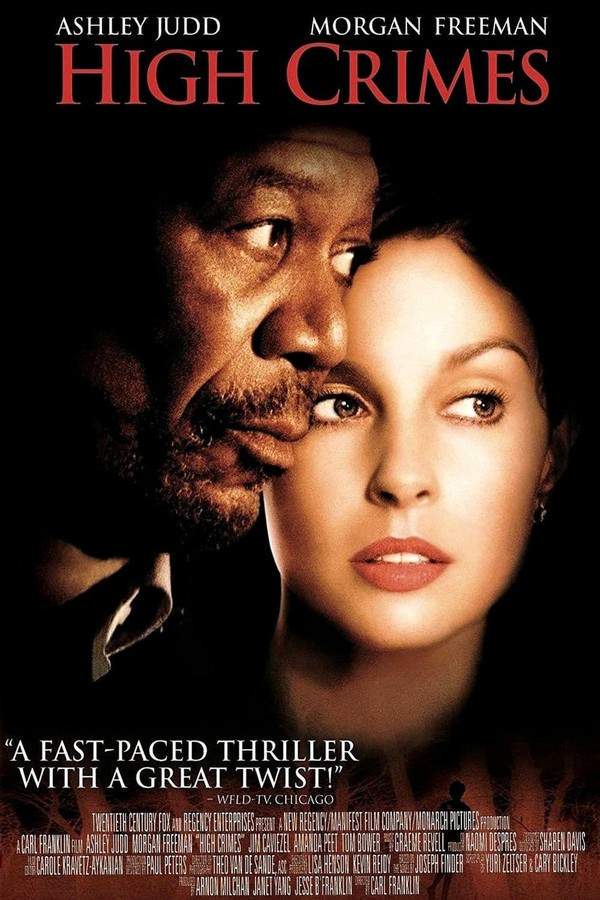
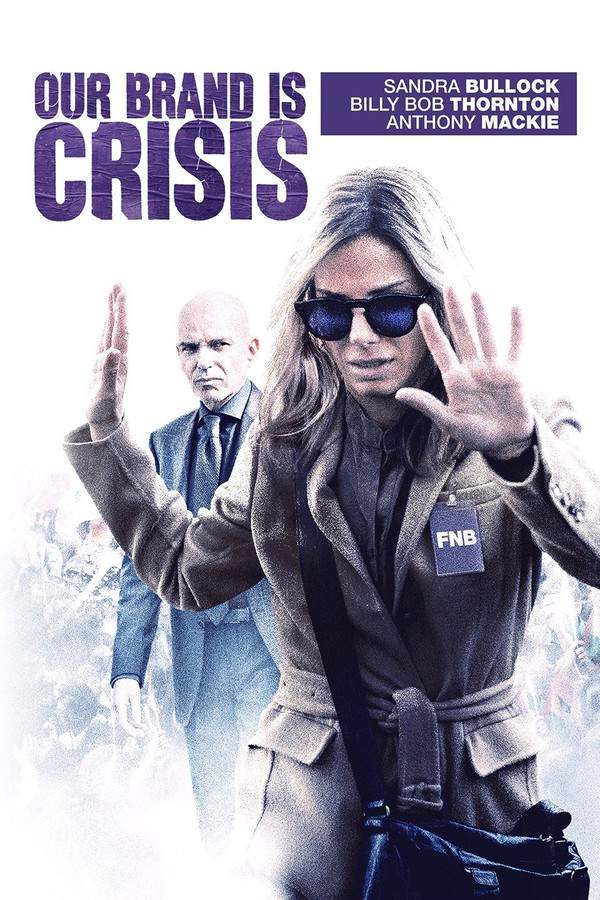
Stories where personal choices collide with harsh global realities.If you liked the heavy ethical choices in In a Better World, this list features similar movies where characters face impossible decisions. Discover other tense dramas about moral compromise, family fracturing under pressure, and stories of personal sacrifice set against societal divides.
The narrative often follows a protagonist who is thrust into a situation where their moral compass is tested by external, large-scale conflicts (like war, political unrest, or refugee crises). Their personal life becomes inextricably linked to these events, creating a domino effect of consequences that challenges their relationships and core beliefs.
Movies are grouped here because they share a focus on intense, morally charged scenarios that blur the lines between personal and political responsibility. They create a somber, anxious atmosphere and feature characters whose lives are upended by the weight of their choices.
Narratives where personal trauma and domestic strife meet a bittersweet resolution.For viewers who appreciated the complex family dynamics and bittersweet ending of In a Better World, this collection highlights similar emotionally heavy dramas. Find films that explore grief, reconciliation, and the delicate process of mending broken relationships after trauma.
These films typically employ a multi-thread narrative structure, showing how a central traumatic event or ongoing tension affects each member of a family or close-knit group differently. The journey is one of navigating anger, loss, and misunderstanding, slowly moving toward a resolution that acknowledges the pain endured while offering a glimmer of hard-won connection.
These movies are connected by their focus on the emotional fallout within personal relationships following a crisis. They share a contemplative, reflective mood, a complex narrative structure, and a bittersweet emotional arc that prioritizes realistic, fragile hope over tidy endings.
Don't stop at just watching - explore In a Better World in full detail. From the complete plot summary and scene-by-scene timeline to character breakdowns, thematic analysis, and a deep dive into the ending - every page helps you truly understand what In a Better World is all about. Plus, discover what's next after the movie.
Read a complete plot summary of In a Better World, including all key story points, character arcs, and turning points. This in-depth recap is ideal for understanding the narrative structure or reviewing what happened in the movie.
Discover the characters, locations, and core themes that shape In a Better World. Get insights into symbolic elements, setting significance, and deeper narrative meaning - ideal for thematic analysis and movie breakdowns.