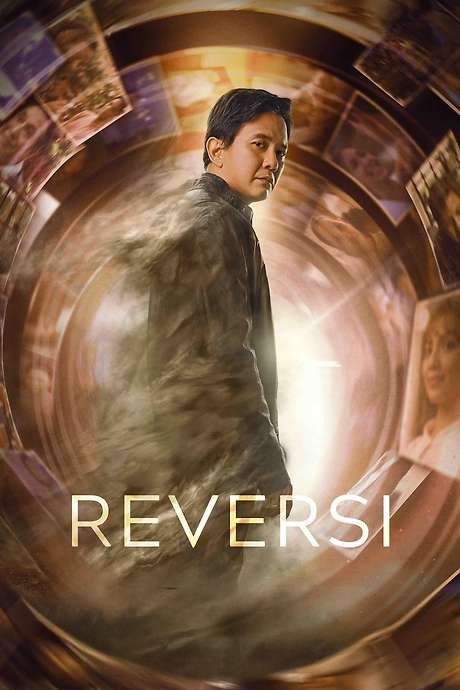
Year: 2022
Runtime: 98 mins
Language: French
Director: Émilie Frèche
While driving near Briançon, David accidentally hits a teenage immigrant fleeing the police. He hurriedly hides the boy in his car’s trunk and brings him home, where his wife Gabrielle and their two children await. Moved by the teen’s plight, David resolves to protect and support him, risking everything for the young refugee.
Warning: spoilers below!
Haven’t seen In a Better World yet? This summary contains major spoilers. Bookmark the page, watch the movie, and come back for the full breakdown. If you're ready, scroll on and relive the story!
Explore the full timeline and setting of In a Better World (2022). Follow every major event in chronological order and see how the environment shapes the story, characters, and dramatic tension.
Last updated: October 01, 2025 at 10:00
Meet the key characters of In a Better World (2022), with detailed profiles, motivations, and roles in the plot. Understand their emotional journeys and what they reveal about the film’s deeper themes.
Last updated: October 01, 2025 at 10:00
Explore the central themes of In a Better World (2022), from psychological, social, and emotional dimensions to philosophical messages. Understand what the film is really saying beneath the surface.
Last updated: October 01, 2025 at 10:00
Browse frequently asked questions about In a Better World (2022) focused on characters, relationships, themes, symbols, setting, and story context. This movie info FAQ gives spoiler-aware explanations for character arcs, world details, and thematic interpretation so readers can better understand what the film is really about.
The story unfolds in two contrasting locations: a quiet Danish home and a crowded Sudanese refugee camp. This dual setting highlights the clash between stable domestic life and the humanitarian crisis in war-torn Sudan, showing how global conflicts intrude on everyday existence.
The events take place in the early 2010s, reflecting contemporary social tensions, humanitarian issues, and family dynamics. This modern setting emphasizes present-day ethical dilemmas rather than historical events.
Anton, a doctor who works in both Denmark and Sudan, faces a profound ethical conflict when he must treat a violent warlord in the refugee camp. He must weigh his medical duty to save lives against the potential harm the warlord could cause to himself, colleagues, and the vulnerable patients around him.
Violence cascades from war and retaliation in Sudan to domestic plans for revenge in Denmark, showing how anger fuels destructive acts beyond control. The bomb plot and the warlord's brutal treatment illustrate how taking justice into one's own hands can escalate dangerously, with characters confronting heavy costs.
The film centers on marital strain and parental pressures as Anton's affair threatens his marriage to Marianne. Their separation forces both to navigate trust and forgiveness while protecting their son Elias from bullying at school. The story treats family resolution as a hard-won process rather than a neat ending.
Mercy is tested as characters navigate compassion toward others and themselves. Anton's restraint toward the warlord contrasts with the community's instinct for retribution, highlighting empathy's limits. Christian's moral awakening and possibility of reconciliation point to healing, even amid tragedy, though consequences remain.
Anton is a Swedish doctor who divides his life between his Denmark home and a Sudanese refugee camp. He is deeply committed to his patients but emotionally strained by a personal affair and the risk it poses to his family. His work in Sudan tests medical ethics and personal loyalty.
Marianne is Anton's wife, currently separated and contemplating divorce due to his affair. She navigates the pressures of motherhood and a fragile family dynamic while confronting questions of trust and forgiveness, shaping the emotional core of the domestic storyline.
Elias is Anton and Marianne's 12-year-old son who experiences bullying at school. His vulnerability becomes a focal point for the clash between private family turmoil and public danger, with his resilience anchoring the emotional gravity of the narrative.
Christian is a new student who befriends Elias and stands up to bullies on his behalf. He later becomes entangled in a dangerous plan with Elias, grappling with loyalty, guilt, and moral responsibility as consequences unfold. His arc moves from innocence toward difficult reckoning.
The Sudanese refugee camp setting underscores the moral stakes of the characters' decisions. It represents the volatile environment where global conflicts and humanitarian crises intrude on everyday life, creating high-stakes ethical dilemmas that contrast with the domestic storyline in Denmark.
The ending is bittersweet, offering tentative reconciliation for the couples and a fragile bond between Christian and his father. However, this healing is tempered by the heavy weight of preceding trauma and moral compromises, leaving resolution incomplete but hopeful.
Discover curated groups of movies connected by mood, themes, and story style. Browse collections built around emotion, atmosphere, and narrative focus to easily find films that match what you feel like watching right now.
Stories where personal choices collide with harsh global realities.If you liked the heavy ethical choices in In a Better World, this list features similar movies where characters face impossible decisions. Discover other tense dramas about moral compromise, family fracturing under pressure, and stories of personal sacrifice set against societal divides.
The narrative often follows a protagonist who is thrust into a situation where their moral compass is tested by external, large-scale conflicts (like war, political unrest, or refugee crises). Their personal life becomes inextricably linked to these events, creating a domino effect of consequences that challenges their relationships and core beliefs.
Movies are grouped here because they share a focus on intense, morally charged scenarios that blur the lines between personal and political responsibility. They create a somber, anxious atmosphere and feature characters whose lives are upended by the weight of their choices.

Narratives where personal trauma and domestic strife meet a bittersweet resolution.For viewers who appreciated the complex family dynamics and bittersweet ending of In a Better World, this collection highlights similar emotionally heavy dramas. Find films that explore grief, reconciliation, and the delicate process of mending broken relationships after trauma.
These films typically employ a multi-thread narrative structure, showing how a central traumatic event or ongoing tension affects each member of a family or close-knit group differently. The journey is one of navigating anger, loss, and misunderstanding, slowly moving toward a resolution that acknowledges the pain endured while offering a glimmer of hard-won connection.
These movies are connected by their focus on the emotional fallout within personal relationships following a crisis. They share a contemplative, reflective mood, a complex narrative structure, and a bittersweet emotional arc that prioritizes realistic, fragile hope over tidy endings.
Don't stop at just watching - explore In a Better World in full detail. From the complete plot summary and scene-by-scene timeline to character breakdowns, thematic analysis, and a deep dive into the ending - every page helps you truly understand what In a Better World is all about. Plus, discover what's next after the movie.
Read a complete plot summary of In a Better World, including all key story points, character arcs, and turning points. This in-depth recap is ideal for understanding the narrative structure or reviewing what happened in the movie.
Track the full timeline of In a Better World with every major event arranged chronologically. Perfect for decoding non-linear storytelling, flashbacks, or parallel narratives with a clear scene-by-scene breakdown.