Plot Explained Spoilers guaranteed!
Plot Explained

Browse by genre

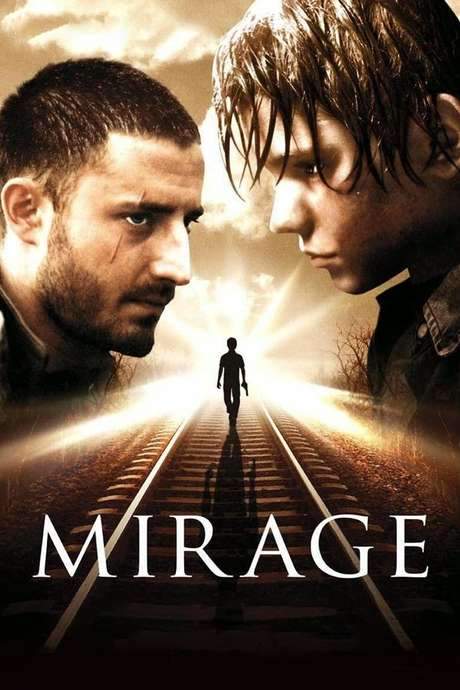
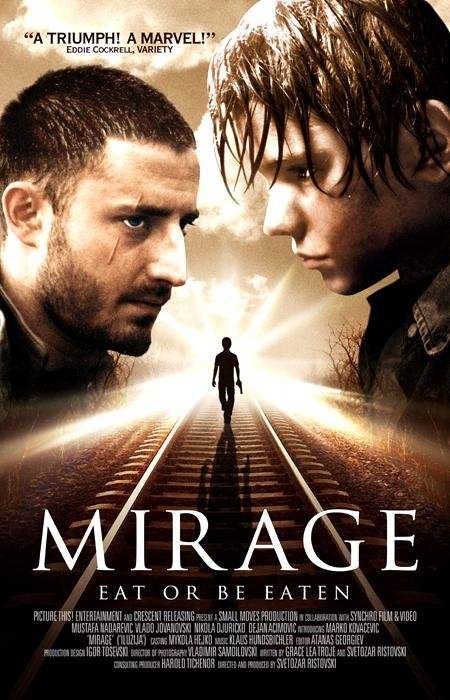
Iluzija (2006) movie poster

Timeline

Iluzija (2006) Timeline Explained – Every Event in Order

Release, runtime and language
2006 · 107 min
Loading streaming availability…
Directed by
Svetozar Ristovski

Amidst a landscape where hope seems scarce, a young poet named Marko finds refuge in a radiant city. When his teacher loses his resolve, Marko seeks guidance from an unexpected mentor. He learns that enduring hardship requires accepting one's authentic self, or face being overwhelmed by those around him.

On this page (6)
  1. 1 Where to watch
  2. 2 Events in order (14)
  3. 3 Timeline questions answered
  4. 4 Movie threads
  5. 5 Movies like Iluzija
  6. 6 Every angle
Loading streaming availability…

14 events in order · contains spoilers

Iluzija Timeline: Events in Chronological Order

Every key event of Iluzija (2006) in order, scene by scene, with when and where it takes place. Use it to untangle flashbacks, time jumps and parallel storylines, to refresh your memory before the sequel or to find the exact scene you are thinking of.

  1. Marko's Home Life

    Marko Trifunovski, a 13-year-old boy, lives in a dilapidated house near a railway track in Veles. His family life is marred by neglect, with a father consumed by bingo addiction and a mother oppressed by poverty, contributing to Marko's struggles and emotional turmoil.

    Where
    Veles
  2. School Struggles

    At school, Marko faces relentless bullying by Levi, the son of the local police chief, which exacerbates his isolation. Despite his bright mind and poetic talents, school becomes another battleground rather than a sanctuary.

    Where
    School in Veles
  3. Hiding at the Train Graveyard

    To escape his relentless troubles, Marko often retreats to a nearby train graveyard where he plays chess. The graveyard becomes a sanctuary for him, symbolizing his desire for a life outside the chaos surrounding him.

    Where
    Train Graveyard
  4. A Glimmer of Hope

    Marko's life takes a turn when his Bosnian teacher recognizes his poetic talent and encourages him to enter a poetry competition. The teacher's support ignites Marko's hope of escaping his bleak surroundings and achieving his artistic dreams.

    Where
    Veles
  5. Challenges and Mockery

    Despite his aspirations, Marko's family remains oblivious to his talent, and he faces mockery from his peers. The lack of support from his environment deepens his feelings of despair and isolation.

    Where
    School and Home
  6. Fanny's Turmoil

    Marko's situation worsens as his sister Fanny's promiscuous behavior and involvement with a Kosovo Force soldier bring further shame and turmoil to their family. This new source of suffering intensifies the bullying Marko faces at school.

    Where
    Veles
  7. Meeting Paris

    Marko encounters Paris, a scarred soldier who begins to mentor him in the train graveyard. Their bond grows as they share chess games, and Paris provides Marko with survival wisdom, though it leads him down a risky path.

    Where
    Train Graveyard
  8. Marko's Descent

    Under Paris's influence, Marko begins to engage in criminal activities including drinking, smoking, and participating in burglaries. Their heist at a local Orthodox church marks a pivotal moment that leads Marko further into a world of crime.

    Where
    Veles
  9. Caught in Crime

    Marko's criminal activities catch up with him when he is caught selling stolen perfumes. Faced with blackmail from Blashko, he is coerced into tutoring Levi, further entrenching him in Levi's gang and their illicit schemes.

    Where
    Veles
  10. Escalating Violence

    The tension reaches a boiling point when Levi's gang breaks into the school, leading to destruction and chaos. Marko is trapped in a burning room, scarred by the desperation of his circumstances.

    Where
    School
  11. Confrontation with Authority

    After the vandalism incident, Marko is summoned by the school principal and chooses to protect Levi, resulting in his expulsion. His teacher's betrayal leaves him feeling abandoned during a crucial moment in his life.

    Where
    School
  12. Marko's Defiance

    In a drastic turn of events, Marko confronts Levi's gang and forces his way to take back the gun. This act of rebellion symbolizes the culmination of his frustrations and desires to reclaim some control over his life.

    Where
    Veles
  13. Tragic Conclusion

    During the Independence Day celebration, fueled by uncontainable rage and despair, Marko fatally shoots his teacher. This tragic act signifies the complete breakdown of hope and the irreversible consequences of his journey.

    When
    Independence Day
    Where
    School
  14. Aftermath

    As Marko stumbles away from the scene of horror, he is left to grapple with the weight of his actions. The life he hoped for slips further away, echoing Nietzsche's aphorism about the dangers of hope as he faces the reality of his situation.

    Where
    Veles

Last updated: November 03, 2024 at 11:39

Was this helpful?

Timeline questions answered

Iluzija Timeline Explained: Your Questions Answered

When does it happen, and why in that order? The questions people ask about the chronology of Iluzija (2006): time jumps, flashbacks, cause and effect between scenes and the correct order of events, each answered with spoilers.

Q1

Why does Marko kill his teacher?

Marko kills his teacher because he feels completely abandoned by every adult who was supposed to protect him. After being expelled from school, betrayed by his teacher who replaced him with another student for the poetry competition, and abandoned by Paris, Marko's desperation reaches a breaking point. During the Independence Day celebration, he confronts his teacher and fatally shoots him, declaring 'There is no escape from the sewer', symbolizing his belief that hope is futile.

Foreshadowing: Earlier, Marko's teacher retreats when he sees Levi assaulting Marko, showing his unwillingness to truly fight for his student.

  • Marko kills teacher
  • Independence Day shooting
  • Marko Trifunovski
  • movie ending
  • murder scene
Q2

Why does Paris abandon Marko?

Paris abandons Marko after the school break-in when things escalate out of control. When Marko returns to the train graveyard seeking refuge, he finds Paris gone, leaving only the pawn with the bullet as a final reminder. Paris had promised to help Marko escape Veles, but his mentorship was ultimately self-serving, he used Marko for criminal activities without genuine commitment to his future.

Foreshadowing: Paris's survival advice 'Eat or be eaten' hints at his self-preserving nature.

  • Paris character
  • train graveyard
  • Marko mentor
  • character betrayal
Q3

What happened to Marko's poetry competition?

Marko's poetry competition opportunity is destroyed when his teacher abandons him. After Marko gets expelled and the teacher discovers his substance use, the teacher replaces Marko with classmate Jasmina for the Independence Day event and ghostwrites a patriotic poem for her. This final betrayal represents the complete collapse of Marko's hope for escape through his artistic talent.

Foreshadowing: The teacher's initial encouragement to enter the French-sponsored competition creates false hope that makes the eventual abandonment more devastating.

  • poetry competition
  • Koco Racin II
  • Paris opportunity
  • teacher betrayal
Q4

Why does Marko turn to crime?

Marko turns to crime primarily due to Paris's influence and his desperate circumstances. After his teacher fails to protect him from bullying and his family continues to neglect him, Paris introduces him to a survival philosophy of 'Eat or be eaten.' Under Paris's guidance, Marko begins drinking, smoking, and participating in burglaries, including a significant heist at a local Orthodox church, to finance their planned escape from Veles.

Foreshadowing: The ominous bullet replacing the missing pawn in their chess game foreshadows the violent criminal path Marko will take.

  • Marko criminal activities
  • church burglary
  • Paris influence
  • Veles crime
Q5

Why does Marko's teacher give up on him?

Marko's teacher gives up on him after witnessing the brutal assault by Levi's gang and facing pressure from police chief Blashko. When Levi cruelly assaults Marko outside his home, the teacher attempts to have Levi removed from classes but is thwarted by Blashko's interference. This failure, combined with Marko's subsequent involvement in crime and expulsion, leads the teacher to abandon his support and replace Marko with Jasmina for the competition.

Foreshadowing: The teacher's initial kindness and belief in Marko's talent set up the tragedy of his eventual cowardice.

  • teacher Mustafa
  • Marko mentor failure
  • bullying
  • school principal
Q6

Why does Marko protect Levi after the school break-in?

Marko protects Levi when summoned by the principal despite being expelled, refusing to betray him to authorities. This decision stems from a twisted code of loyalty developed through his coerced involvement with Levi's gang, combined with his desire to maintain some dignity rather than cooperate with an authority figure who failed him. His refusal represents both misplaced loyalty and a final act of defiance against a system that condemned him.

Foreshadowing: Levi's threat using Marko's father's weapon forced Marko into the gang, creating a forced bond.

  • Levi gang
  • Marko expulsion
  • school break-in
  • loyalty code
Q7

What does the pawn with the bullet represent?

The pawn with the bullet serves as a powerful symbol of the harsh reality Marko lives in. When Paris replaces the missing chess pawn with a bullet, it represents the fusion of childhood innocence (chess, the train graveyard sanctuary) with the violent adult world surrounding him. Paris leaves this symbol behind when he abandons Marko, serving as a painful reminder of their bond and the dangerous path Paris introduced him to.

Foreshadowing: This symbol appears early in their relationship, foreshadowing the violence that will consume Marko's story.

  • chess pawn
  • bullet symbol
  • train graveyard
  • Paris Marko relationship
Q8

How does Fanny's relationship affect Marko?

Fanny's affair with a Kosovo Force soldier brings additional shame and suffering to Marko's family, which intensifies the bullying he faces from Levi and his racist classmates. This new source of family turmoil compounds Marko's existing hardships and deepens his sense of hopelessness. The abusive and promiscuous behavior from his sister further illustrates the dysfunction in Marko's home life.

Foreshadowing: Fanny's behavior is established early as part of the family's cycle of dysfunction that traps Marko.

  • Fanny Marko sister
  • Kosovo soldier
  • family dysfunction
  • bullying escalation
Q10

Why did the film include the Nietzsche quote about hope?

The Nietzsche epigraph 'Hope is the worst of evils, for it prolongs the torments of man' establishes the film's central theme, that hope in a broken system only leads to greater suffering. Marko's entire arc demonstrates this: his hope for a better future through poetry, his trust in mentors, and his belief in escape all lead to deeper disappointment and ultimately tragic violence. The quote serves as a warning that false hope can destroy those who cling to it.

  • Nietzsche quote
  • hope theme
  • movie epigraph
  • Friedrich Human All Too Human
Q11

What happened to Marko's father Lazo?

Marko's father Lazo is consumed by bingo addiction and is involved in a workers' strike, completely neglecting his family's needs. His addiction and inability to provide for the family contribute directly to Marko's hardships. Lazo's weapon is later used by Levi to threaten Marko into joining his gang, showing how even the absent father figure becomes a tool of Marko's destruction.

Foreshadowing: Lazo's neglect is established in the opening scenes, showing the father's failure to protect his son.

  • Lazo Marko father
  • bingo addiction
  • workers strike
  • family neglect

Movie threads

More Movies Like Iluzija, by Mood & Story

Curated lists built around what makes Iluzija tick: the same mood, the same kind of story or the same emotional payoff. Each list explains why these movies belong together.

Stories of shattered innocence like in Iluzija

Stories of vulnerable youth crushed by relentless poverty and betrayal. If you were moved by the tragic story of Marko in Iluzija, this list features movies with similar themes of youth endangered by poverty and neglect. These films explore the painful loss of innocence and the devastating impact of a cruel world on a vulnerable protagonist, often with a heavy emotional weight and bleak outcome.

  • hopeless
  • somber
  • oppressive
  • desperate
  • gritty
  • tragic
  • Tone: bleak, hopeless
  • Pacing: steady, methodical
Why these movies?

The story pattern: Stories in this thread typically follow a clear downward trajectory for a young protagonist. They begin with a glimmer of hope or sensitivity, which is then systematically eroded by a series of betrayals, hardships, and the failure of adult figures meant to protect them. The narrative arc is one of inevitable decline, culminating in a tragic loss of the character's original self.

Why they belong together: These films are grouped together because they share a central, heartbreaking theme: the destruction of a young person's spirit by forces beyond their control. They create a cohesive experience through their oppressive mood, heavy emotional weight, and unflinching look at social failure and its tragic consequences on the most vulnerable.

Films about a steady moral descent like Iluzija

Methodical character studies of a person's tragic fall from grace. For viewers who appreciated the methodical buildup of despair in Iluzija, this collection highlights movies with a similar narrative of a character's moral collapse. These dramas use a steady pace to explore how hardship and corruption can systematically break down an individual's ethics, leading to a devastating and bleak conclusion.

  • anxious
  • gritty
  • oppressive
  • desperate
  • somber
  • unsettling
  • Tone: bleak, tense
  • Pacing: steady, slow burn
Why these movies?

The story pattern: The narrative pattern is a slow, inevitable burn toward tragedy. The story avoids sudden twists in favor of a cause-and-effect chain of events that pushes the protagonist further into despair. Key moments often involve the failure of potential saviors or mentors, forcing the character to make increasingly desperate choices that seal their fate.

Why they belong together: These movies are united by their focus on a specific type of character journey: the moral downfall. They share a similar viewing experience defined by a steady, oppressive pacing, high emotional intensity, and a bleak tone that makes the tragic outcome feel both shocking and inevitable.

If you liked this

Movies Like Iluzija

Similar movies to Iluzija: the same genre, themes or kind of story. Each one comes with its own plot summary, timeline and ending explained.

Browse all movie summaries

Every angle

Iluzija (2006) Explained: Plot, Timeline & Characters

Everything about Iluzija in one place: what happens in the plot summary, the timeline in chronological order, the characters and meaning and a spoiler-free summary. What's After the Movie adds the cast, box office and post-credit scenes.

Coming soon on iOS and Android

The Plot Explained Movie Summary App

Plot summaries, endings explained and timelines on your phone. Catch up on any movie in minutes, save your favorites and never miss a twist again.

Be the first to know when we launch. Your email stays private, always.

Learn more about the app