Plot Explained Spoilers guaranteed!
Plot Explained

Browse by genre

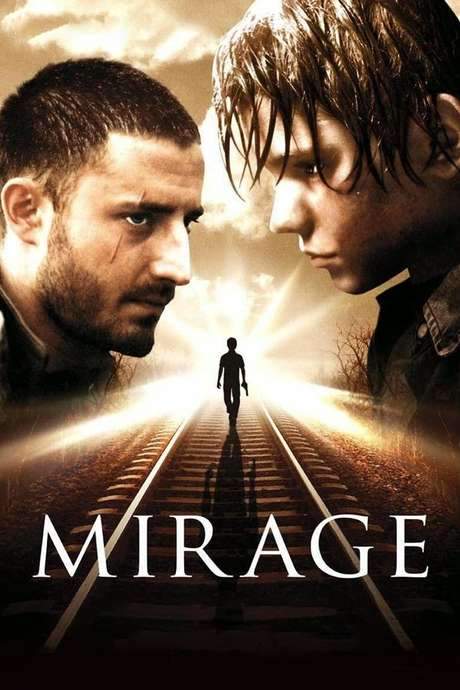
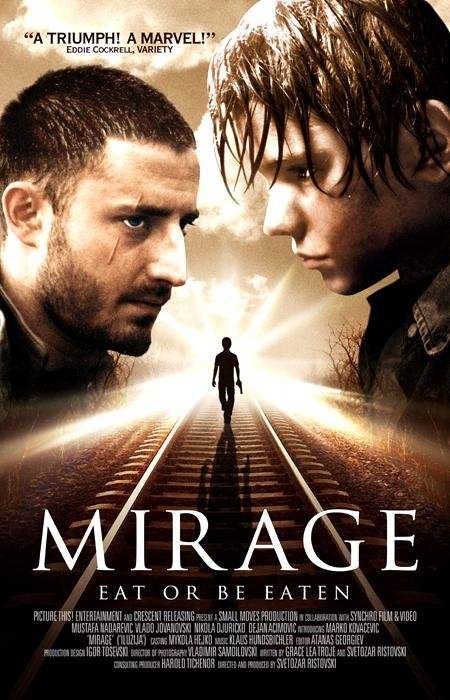
Iluzija (2006) movie poster

Characters & Themes

Iluzija (2006) Characters, Setting & Themes Explained

Release, runtime and language
2006 · 107 min
Loading streaming availability…
Directed by
Svetozar Ristovski

Amidst a landscape where hope seems scarce, a young poet named Marko finds refuge in a radiant city. When his teacher loses his resolve, Marko seeks guidance from an unexpected mentor. He learns that enduring hardship requires accepting one's authentic self, or face being overwhelmed by those around him.

On this page (8)
  1. 1 Where to watch
  2. 2 Characters explained (5)
  3. 3 Where & when it takes place
  4. 4 Themes & meaning (3)
  5. 5 Character & meaning questions
  6. 6 Movie threads
  7. 7 Movies like Iluzija
  8. 8 Every angle
Loading streaming availability…

5 main characters · contains spoilers

Iluzija Characters Explained: Who Is Who

The main characters of Iluzija (2006), heroes and villains: what drives them, how they change over the course of the story and what each of them reveals about the film's bigger ideas.

  • Marko Trifunovski

    Marko is a 13-year-old schoolboy with a troubled family life and a talent for poetry. His sensitivity and aspirations are quickly overshadowed by the harsh realities of bullying and neglect, leading him down a dark path. His character arc reflects the pain of hope in a deteriorating environment, culminating in tragic choices that forever alter his identity.

    • 👦 Youth
    • 📜 Poetry
    • ⚔️ Defiance
  • Lazo

    Marko's father, Lazo, is depicted as a bingo addict entrenched in dissatisfaction and financial instability. His neglectful and preoccupied demeanor exacerbates Marko's struggles, contributing to a family dynamic rife with pain and abandonment. Lazo's involvement in a workers' strike showcases his own battles with the system, yet he remains largely absent from Marko's emotional needs.

    • 👨‍👧 Neglect
    • 🎲 Addiction
  • Angja

    Marko's mother, Angja, embodies the struggles of a woman trapped in oppressive circumstances. Faced with her husband's addiction and a chaotic household, she is unable to provide the support Marko desperately seeks, further isolating him. Her character reflects the challenges faced by women in similar societal contexts, navigating personal loss and familial dysfunction.

    • 👩‍👧 Struggle
    • 💔 Indifference
  • Levi

    Levi is portrayed as a cruel bully and the son of the local police chief, embodying elitism and aggression. He uses his social status to terrorize Marko relentlessly, showcasing how power dynamics can influence behavior in youth. His character represents the oppressive forces that contribute to a cycle of violence and fear within the school environment.

    • 💣 Bully
    • 👮‍♂️ Authority
  • Paris

    Known for his scars and turbulent past, Paris serves as a pivotal mentor figure for Marko. He introduces Marko to a harsh reality, emphasizing survival instincts over moral principles. Paris’s wisdom is double-edged, leading Marko toward both empowerment and destruction, illuminating the complexities of mentorship in adverse conditions.

    • 🔫 Mentor
    • 💔 Trauma

Last updated: October 22, 2024 at 20:12

Was this helpful?

Setting

Where and When Does Iluzija Take Place?

The setting of Iluzija (2006): the year and time period, the places and locations, and how they shape the characters, the mood and the tension of the story.

Time period

Post-Independence Era

The movie takes place in the turbulent years following Macedonia's independence in the early 1990s. This period was marked by significant social and political upheaval, with many individuals and families grappling with the consequences of newfound freedom. A backdrop of unrest contributes to the characters' struggles and transformations throughout the narrative.

Location

Veles

Veles is a city in northern Macedonia known for its rich cultural heritage and historical significance. The bustling railway tracks through the city symbolize the constant movement and struggles of its residents. The dilapidated surroundings depicted in the film highlight the socioeconomic challenges faced by its inhabitants in the wake of independence.

  • 🏙️ City
  • 🛤️ Railway

Last updated: October 22, 2024 at 20:12

Was this helpful?

3 major themes

Iluzija Meaning: Themes & Message Explained

What is Iluzija (2006) really about? The emotional, social and philosophical themes the film keeps returning to, its symbolism and the message beneath the surface.

  • Despair

    Despair looms heavily over the characters, particularly Marko, whose bright future is continually overshadowed by harsh realities. The film explores the impact of neglect and societal failures on vulnerable youth, showcasing how despair can lead to destructive paths. The message reflects a poignant commentary on the cycle of violence and hopelessness in challenging environments.

  • Identity

    Marko's journey is a profound exploration of identity amidst chaos. As he navigates bullying, familial neglect, and criminality, the film illustrates the complex factors that shape one's identity and sense of self-worth. His aspirations and failures become intertwined with the harsh realities of his environment, leading to a tragic culmination of self-discovery.

  • Art as Escape

    The theme of using art as a means of escape is prevalent in Marko's life, as his talent for poetry symbolizes his yearning for a better life. Supported by his teacher, Marko's engagement in art offers fleeting hope amid the despair of his everyday existence. However, the eventual disregard he faces highlights the challenges artists often encounter in oppressive environments.

Last updated: October 22, 2024 at 20:12

Was this helpful?

Character & theme questions

Iluzija Characters & Meaning: Your Questions Answered

The questions people ask about Iluzija (2006): who the characters really are, their relationships, what the symbols mean, where it takes place and what the movie is really about. Each answer contains spoilers.

Q1

Where is the movie set?

The film takes place in Veles, a city in northern Macedonia. The movie depicts Veles as a struggling urban environment with dilapidated surroundings and bustling railway tracks that symbolize the constant movement and hardships of its residents. This setting reflects the socioeconomic challenges faced by inhabitants in the post-independence era.

  • veles
  • macedonia
  • setting
  • city
  • location
Q2

What time period does the film depict?

Iluzija is set in the turbulent years following Macedonia's independence in the early 1990s. This period was marked by significant social and political upheaval, with many families grappling with the consequences of newfound freedom. The backdrop of unrest contributes to the characters' struggles and transformations throughout the narrative.

  • 1990s
  • post-independence
  • macedonia
  • time period
  • era
Q3

What does the film say about despair?

The film explores how despair looms heavily over characters, particularly Marko, whose bright future is continually overshadowed by harsh realities. The movie showcases how neglect and societal failures impact vulnerable youth, demonstrating how despair can lead to destructive paths. The message serves as a poignant commentary on the cycle of violence and hopelessness in challenging environments.

  • despair
  • hopelessness
  • social failure
  • youth
  • cycle of violence
Q4

How does Iluzija explore identity?

Marko's journey represents a profound exploration of identity amidst chaos. As he navigates bullying, familial neglect, and criminality, the film illustrates the complex factors that shape one's sense of self-worth. His aspirations and failures become intertwined with the harsh realities of his environment, leading to a tragic culmination of self-discovery.

  • identity
  • self-worth
  • Marko
  • bullying
  • neglect
  • self-discovery
Q5

What role does art play in the movie?

Art serves as a means of escape in Marko's life. His talent for poetry symbolizes his yearning for a better life, and his engagement in art offers fleeting hope amid the despair of his everyday existence. However, the eventual disregard he faces highlights the challenges artists often encounter in oppressive environments.

  • art
  • poetry
  • escape
  • creativity
  • hope
  • oppression
Q6

Who is the main character Marko?

Marko Trifunovski is a 13-year-old schoolboy with a troubled family life and a natural talent for poetry. His sensitivity and aspirations are quickly overshadowed by the harsh realities of bullying and neglect, leading him down a dark path. His character arc reflects the pain of hope in a deteriorating environment.

  • Marko
  • protagonist
  • poet
  • teenager
  • bullying
Q7

Who is Levi and what is his role?

Levi is portrayed as a cruel bully and the son of the local police chief, embodying elitism and aggression in the film. He uses his social status to terrorize Marko relentlessly, showcasing how power dynamics can influence behavior among youth. Levi represents the oppressive forces that contribute to a cycle of violence and fear within the school environment.

  • Levi
  • bully
  • police chief
  • oppression
  • violence
  • antagonist
Q8

Who is Paris in the story?

Paris is a pivotal mentor figure known for his scars and turbulent past. He introduces Marko to a harsh reality, emphasizing survival instincts over moral principles. His wisdom is double-edged, leading Marko toward both empowerment and destruction, illustrating the complexities of mentorship in adverse conditions.

  • Paris
  • mentor
  • guide
  • survival
  • corruption
Q9

How does Marko's family situation affect him?

Marko's family life is marked by neglect and dysfunction. His father Lazo is a bingo addict entrenched in financial instability and dissatisfaction, while his mother Angja is trapped in oppressive circumstances, unable to provide the emotional support Marko desperately needs. This familial neglect exacerbates Marko's struggles and contributes to his isolation.

  • family
  • parents
  • Lazo
  • Angja
  • neglect
  • dysfunction
Q10

What is the significance of the opening quote about hope?

The film opens with the Nietzsche epigraph 'Hope is the worst of evils,' which establishes the dominant bleak tone of the narrative. This philosophical framing sets the stage for a story that deals unflinchingly with themes of child endangerment and systemic failure, confirming the tragic trajectory that unfolds throughout the film.

  • Nietzsche
  • hope
  • quote
  • opening
  • tone
  • philosophy

Movie threads

More Movies Like Iluzija, by Mood & Story

Curated lists built around what makes Iluzija tick: the same mood, the same kind of story or the same emotional payoff. Each list explains why these movies belong together.

Stories of shattered innocence like in Iluzija

Stories of vulnerable youth crushed by relentless poverty and betrayal. If you were moved by the tragic story of Marko in Iluzija, this list features movies with similar themes of youth endangered by poverty and neglect. These films explore the painful loss of innocence and the devastating impact of a cruel world on a vulnerable protagonist, often with a heavy emotional weight and bleak outcome.

  • hopeless
  • somber
  • oppressive
  • desperate
  • gritty
  • tragic
  • Tone: bleak, hopeless
  • Pacing: steady, methodical
Why these movies?

The story pattern: Stories in this thread typically follow a clear downward trajectory for a young protagonist. They begin with a glimmer of hope or sensitivity, which is then systematically eroded by a series of betrayals, hardships, and the failure of adult figures meant to protect them. The narrative arc is one of inevitable decline, culminating in a tragic loss of the character's original self.

Why they belong together: These films are grouped together because they share a central, heartbreaking theme: the destruction of a young person's spirit by forces beyond their control. They create a cohesive experience through their oppressive mood, heavy emotional weight, and unflinching look at social failure and its tragic consequences on the most vulnerable.

Films about a steady moral descent like Iluzija

Methodical character studies of a person's tragic fall from grace. For viewers who appreciated the methodical buildup of despair in Iluzija, this collection highlights movies with a similar narrative of a character's moral collapse. These dramas use a steady pace to explore how hardship and corruption can systematically break down an individual's ethics, leading to a devastating and bleak conclusion.

  • anxious
  • gritty
  • oppressive
  • desperate
  • somber
  • unsettling
  • Tone: bleak, tense
  • Pacing: steady, slow burn
Why these movies?

The story pattern: The narrative pattern is a slow, inevitable burn toward tragedy. The story avoids sudden twists in favor of a cause-and-effect chain of events that pushes the protagonist further into despair. Key moments often involve the failure of potential saviors or mentors, forcing the character to make increasingly desperate choices that seal their fate.

Why they belong together: These movies are united by their focus on a specific type of character journey: the moral downfall. They share a similar viewing experience defined by a steady, oppressive pacing, high emotional intensity, and a bleak tone that makes the tragic outcome feel both shocking and inevitable.

If you liked this

Movies Like Iluzija

Similar movies to Iluzija: the same genre, themes or kind of story. Each one comes with its own plot summary, timeline and ending explained.

Browse all movie summaries

Every angle

Iluzija (2006) Explained: Plot, Timeline & Characters

Everything about Iluzija in one place: what happens in the plot summary, the timeline in chronological order, the characters and meaning and a spoiler-free summary. What's After the Movie adds the cast, box office and post-credit scenes.

Coming soon on iOS and Android

The Plot Explained Movie Summary App

Plot summaries, endings explained and timelines on your phone. Catch up on any movie in minutes, save your favorites and never miss a twist again.

Be the first to know when we launch. Your email stays private, always.

Learn more about the app