Plot Explained Spoilers guaranteed!
Plot Explained

Browse by genre

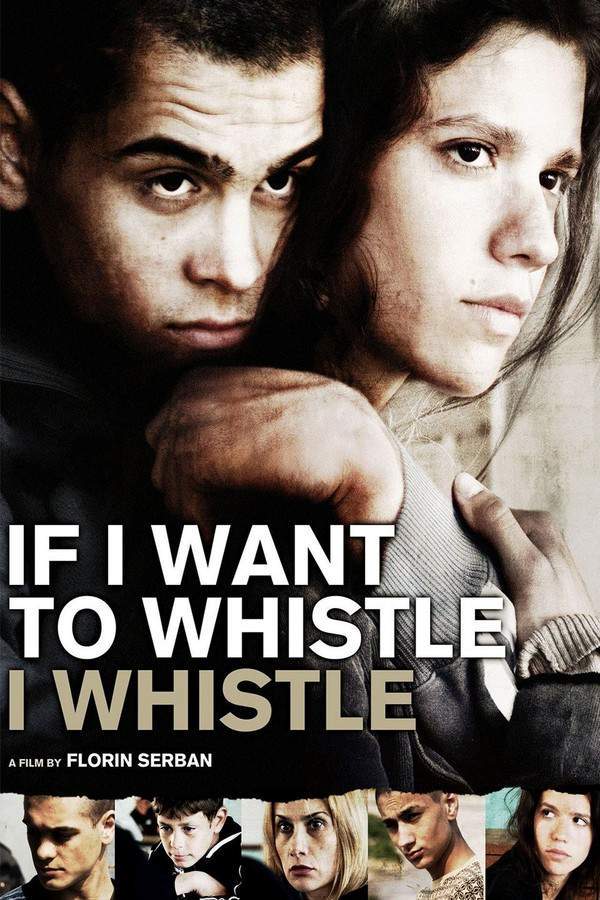
If I Want to Whistle, I Whistle (2011) movie poster

Characters & Themes

If I Want to Whistle, I Whistle (2011) Characters, Setting & Themes Explained

Release, runtime and language
2011 · 94 min · Romanian
Directed by
Florin Serban

Within a challenging juvenile detention center, Silviu's life is disrupted by his mother's unexpected return, jeopardizing his role as caretaker for his younger brother. Facing immense pressure and diminishing hope, he navigates the harsh realities of his environment while grappling with a burgeoning, forbidden romance. As circumstances worsen, Silviu is driven to a final, defiant act.

On this page (6)
  1. 1 Characters explained (2)
  2. 2 Where & when it takes place
  3. 3 Themes & meaning (3)
  4. 4 Character & meaning questions
  5. 5 Movie threads
  6. 6 Every angle

2 main characters · contains spoilers

If I Want to Whistle, I Whistle Characters Explained: Who Is Who

The main characters of If I Want to Whistle, I Whistle (2011), heroes and villains: what drives them, how they change over the course of the story and what each of them reveals about the film's bigger ideas.

  • Silviu (George Piștereanu)

    Silviu is a conflicted young man grappling with feelings of abandonment and betrayal from his mother. His volatile nature leads him to both threaten and protect those he loves, showcasing a deep inner turmoil. Despite his aggressive facade, he seeks genuine connections and struggles with his own identity within the confines of prison.

    • 👤 Protagonist
    • 🔥 Troubled Youth
    • 🥀 Rebel
  • Ana (Ada Condeescu)

    Ana is a dedicated social worker and psychology student who finds herself in a complicated relationship with Silviu. She is compassionate yet challenged as she navigates the dangers of his emotional volatility. Her role as a mediator offers a glimpse into the potential for understanding amidst chaos, though it puts her own safety at risk.

    • 👩‍🏫 Social Worker
    • 💓 Compassionate
    • ⚠️ Vulnerable

Last updated: October 22, 2024 at 21:41

Was this helpful?

Setting

Where and When Does If I Want to Whistle, I Whistle Take Place?

The setting of If I Want to Whistle, I Whistle (2011): the year and time period, the places and locations, and how they shape the characters, the mood and the tension of the story.

Time period

The movie is set in contemporary times, highlighting modern societal issues such as familial estrangement and the penal system. This modern setting allows for an exploration of themes relevant to today, such as migration and the search for identity.

Location

Prison, Café, Italy

The primary setting is a Romanian prison where Silviu is serving his sentence. It's a stark and confining environment that influences his interactions and decisions. The café represents a brief moment of freedom and normalcy for Silviu and Ana, while Italy symbolizes both hope and abandonment as it's the destination his mother seeks.

  • 🏢 Prison
  • ☕ Café
  • 🇮🇹 Italy

Last updated: October 22, 2024 at 21:41

Was this helpful?

3 major themes

If I Want to Whistle, I Whistle Meaning: Themes & Message Explained

What is If I Want to Whistle, I Whistle (2011) really about? The emotional, social and philosophical themes the film keeps returning to, its symbolism and the message beneath the surface.

  • Familial Estrangement

    The theme of familial estrangement is central to the story as Silviu grapples with feelings of abandonment by his mother. His tumultuous relationship with her reflects the pain and confusion often experienced in dysfunctional families. This struggle for connection sparks his rebellious behavior and desire for reconciliation.

  • Redemption and Consequences

    Silviu's journey in prison conveys the quest for redemption amidst an environment filled with consequences. His interactions with Ana and his mother highlight his internal battle between wanting freedom and confronting the repercussions of his actions. This theme explores the complexity of human emotions in the face of personal failures.

  • Desire for Freedom

    The desire for freedom is palpable as Silviu attempts to break the shackles of his past and prison life. His escape with Ana symbolizes a fleeting opportunity to experience life outside confinement. However, that fleeting nature reflects the harsh reality he must ultimately confront upon returning.

Last updated: October 22, 2024 at 21:41

Was this helpful?

Character & theme questions

If I Want to Whistle, I Whistle Characters & Meaning: Your Questions Answered

The questions people ask about If I Want to Whistle, I Whistle (2011): who the characters really are, their relationships, what the symbols mean, where it takes place and what the movie is really about. Each answer contains spoilers.

Q1

Where is the film primarily set?

The film takes place primarily in a Romanian prison, which serves as the stark, confining environment that shapes Silviu's daily existence. A café outside the prison represents a brief moment of freedom and normalcy in his life. Italy also appears as a symbolic location, the destination his mother seeks, representing both hope and abandonment.

  • romanian prison
  • setting
  • locations
  • cafe
  • italy
Q2

When does the story take place?

The movie is set in contemporary times, depicting modern societal issues like familial estrangement and the penal system. While no specific year is given, the setting allows the film to explore themes relevant to today's world, including migration and the search for personal identity.

  • contemporary
  • modern
  • time period
  • era
Q3

What are the main themes of the film?

The film explores three interconnected themes: familial estrangement, as Silviu grapples with feelings of abandonment by his mother; redemption and consequences, highlighting his internal battle between wanting freedom and confronting the repercussions of his actions; and the desire for freedom, as he attempts to break the shackles of his past and prison life.

  • themes
  • familial estrangement
  • redemption
  • freedom
  • consequences
Q4

Who is Silviu and what defines his character?

Silviu is a conflicted young man serving time in a Romanian prison, grappling with deep feelings of abandonment and betrayal by his mother. Despite his volatile nature and aggressive facade, he seeks genuine connections and struggles with his identity within the confines of the prison system.

  • silviu
  • main character
  • prisoner
  • identity
  • abandonment
Q5

Who is Ana and what is her role in the story?

Ana is a social worker and psychology student who develops a complicated relationship with Silviu. She is portrayed as a compassionate figure who attempts to mediate and understand him, though his emotional volatility puts her own safety at risk. Her role highlights the potential for human connection even in the most challenging circumstances.

  • ana
  • social worker
  • psychology student
  • relationship
Q6

How does the film address family and abandonment?

Familial estrangement is central to the story, with Silviu's tumultuous relationship with his absent mother reflecting the pain and confusion experienced in dysfunctional families. His mother's unexpected return disrupts his life as a caretaker for his younger brother, triggering his desperate and rebellious behavior.

  • abandonment
  • mother
  • family
  • estrangement
  • dysfunctional family
Q7

What does the film say about freedom and confinement?

The desire for freedom is palpable throughout the film, with Silviu attempting to break the shackles of both his past and his prison sentence. His escape with Ana symbolizes a fleeting opportunity to experience life outside confinement, though the film ultimately reflects on the harsh reality that freedom is difficult to attain.

  • freedom
  • prison
  • confinement
  • escape
  • incarceration
Q8

What is the overall tone and mood of the film?

The film has a dark, intense tone rooted in themes of institutionalization, betrayal, and coercive behavior. While not entirely bleak, it deals directly with heavy emotional subjects like abandonment, incarceration, and desperate acts, creating a somber atmosphere punctuated by the protagonist's internal struggle.

  • tone
  • mood
  • dark
  • intensity
  • emotional
Q9

Why is the Romanian prison setting important?

The Romanian prison setting is crucial as it creates the confined environment that shapes Silviu's interactions, decisions, and emotional state. The harsh, institutional setting contrasts with his yearning for freedom and connection, reinforcing the film's exploration of how prison both defines and limits those who live within it.

  • romania
  • prison setting
  • institutional
  • environment
Q10

What does Italy represent in the story?

Italy symbolizes both hope and abandonment in the narrative. It is the destination Silviu's mother seeks when she returns, representing her pursuit of a better life away from her past. This location underscores themes of migration and the idea that leaving, one's family, country, or past, can be both a hopeful escape and a painful abandonment.

  • italy
  • migration
  • hope
  • abandonment
  • symbolism
Q11

Is the film about redemption?

Yes, redemption is a central theme as Silviu navigates his quest for redemption amidst an environment filled with consequences. His interactions with Ana and his mother highlight his internal battle between wanting freedom and confronting the repercussions of his actions. The film explores the complexity of human emotions when facing personal failures.

  • redemption
  • consequences
  • forgiveness
  • personal failure
  • change

Movie threads

More Movies Like If I Want to Whistle, I Whistle, by Mood & Story

Curated lists built around what makes If I Want to Whistle, I Whistle tick: the same mood, the same kind of story or the same emotional payoff. Each list explains why these movies belong together.

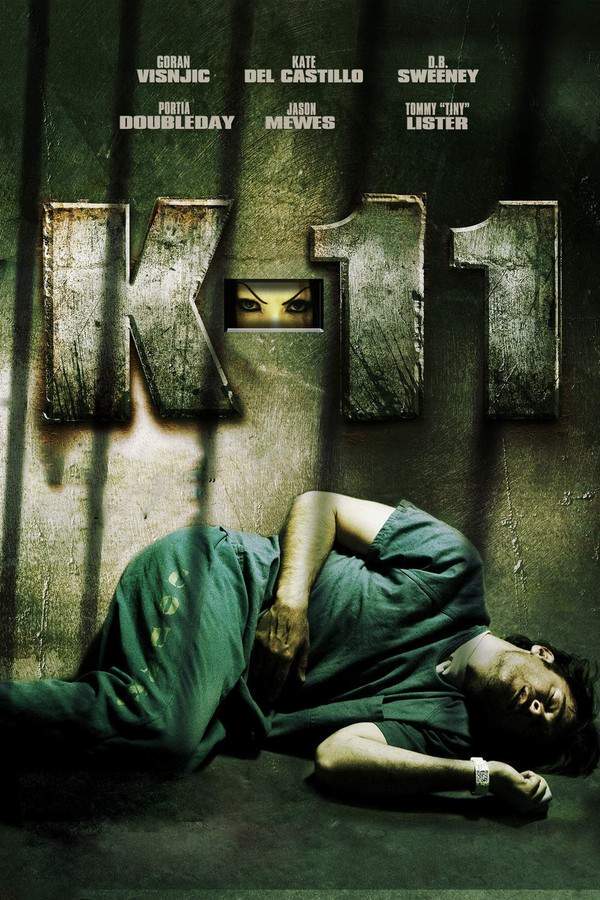
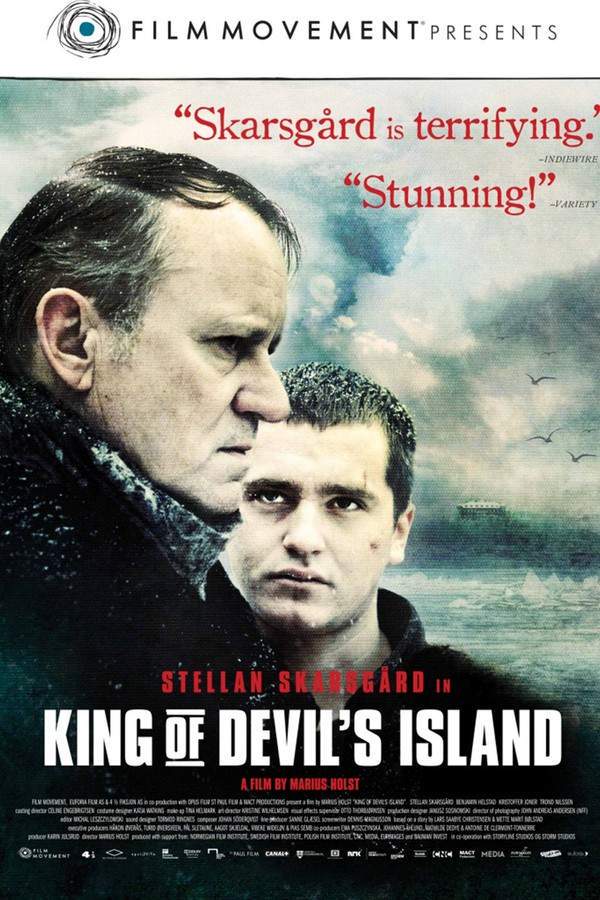
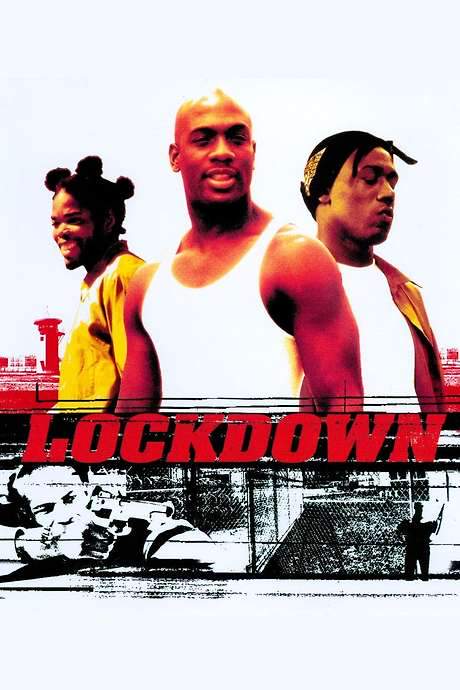
Movies about desperate acts in captive worlds like If I Want to Whistle, I Whistle

Stories of characters pushed to the edge within oppressive, confined spaces. Discover movies like 'If I Want to Whistle, I Whistle' that explore the explosive consequences of confinement. These films share a tense, claustrophobic atmosphere and focus on characters whose desperate actions are a direct response to the oppressive systems they are trapped within.

  • claustrophobic
  • oppressive
  • desperate
  • tense
  • anxious
  • volatile
  • Tone: dark, tense, desperate
  • Pacing: steady, building towards a climax
Why these movies?

The story pattern: These narratives typically unfold within a closed system that imposes strict rules and limits freedom. A catalyst—often a personal threat or a loss of hope—pushes the protagonist to plan and execute a drastic, high-risk action, challenging the authority of their environment. The story builds steadily towards this climax, exploring the psychological toll of confinement and the extreme measures it can provoke.

Why they belong together: Movies are grouped here for their shared setting of institutional oppression and their focus on a protagonist's volatile, last-ditch effort to change their fate. They create a similar viewing experience defined by high tension, emotional heaviness, and a dark, often ambiguous, tone.
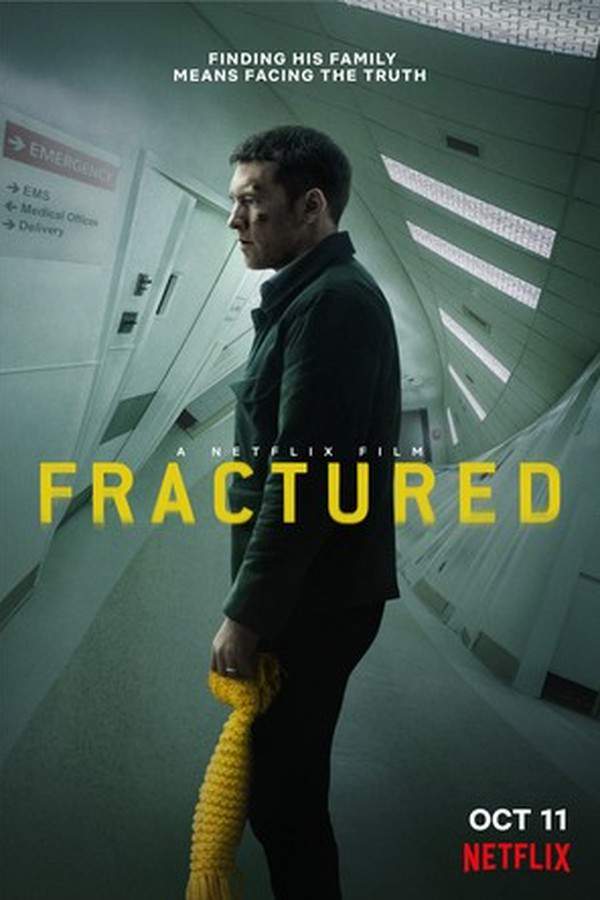
Dramas about fractured families and heavy choices like If I Want to Whistle, I Whistle

Emotional journeys where broken family bonds lead to morally complex decisions. If you liked the family drama in 'If I Want to Whistle, I Whistle,' explore these similar movies. They feature protagonists grappling with dysfunctional family bonds, the weight of responsibility, and the morally grey choices they make in desperate attempts to hold their families together.

  • melancholic
  • desperate
  • anxious
  • heavy
  • dysfunctional
  • abandonment
  • Tone: dark, melancholic, heavy
  • Pacing: steady, character-driven
Why these movies?

The story pattern: The narrative pattern begins with a protagonist, often young, who carries the emotional or practical burden of a broken family. A new threat to this fragile stability—such as a returning absent parent or external pressure—forces the protagonist to take extreme action. The story is a steady, character-driven exploration of the sacrifices and compromises made in the name of family, leading to an emotionally heavy and often unresolved conclusion.

Why they belong together: These films are connected by their deep exploration of family dysfunction as a primary motivator for the plot. They share a heavy emotional weight, a dark or bittersweet tone, and a focus on the immense pressure that family obligations place on an individual, driving them to their limits.

Every angle

If I Want to Whistle, I Whistle (2011) Explained: Plot, Timeline & Characters

Everything about If I Want to Whistle, I Whistle in one place: what happens in the plot summary, the timeline in chronological order, the characters and meaning and a spoiler-free summary. What's After the Movie adds the cast, box office and post-credit scenes.

Coming soon on iOS and Android

The Plot Explained Movie Summary App

Plot summaries, endings explained and timelines on your phone. Catch up on any movie in minutes, save your favorites and never miss a twist again.

Be the first to know when we launch. Your email stays private, always.

Learn more about the app