


Plot Explained Spoilers guaranteed!
Plot Explained

Browse by genre

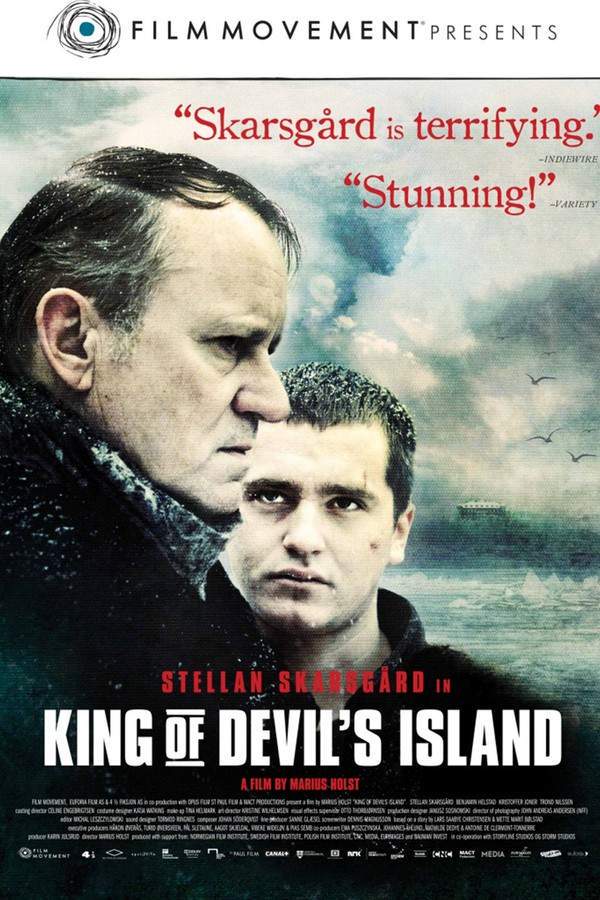
King of Devil's Island (2011) movie poster

Characters & Themes

King of Devil's Island (2011) Characters, Setting & Themes Explained

Release, runtime and language
2011 · 120 min · Norwegian
JustWatch #31,821 2
Directed by
Marius Holst

In this gripping true story, seventeen-year-old Erling is sent to Bastoy Boys Home, a correctional facility in Norway that resembles a tropical island paradise, but operates under a harsh and unusual system. The facility's governor maintains a brutal regime, suppressing the boys' spirits. However, Erling’s rebellious nature ignites a defiance that spreads amongst the inmates. As they challenge their oppressors, a tragic series of events unfolds, leading to a desperate fight for survival and freedom against a system seemingly designed to break them.

On this page (7)
  1. 1 Where to watch
  2. 2 Characters explained (5)
  3. 3 Where & when it takes place
  4. 4 Themes & meaning (3)
  5. 5 Character & meaning questions
  6. 6 Movie threads
  7. 7 Every angle

Where to watch

Where to Watch King of Devil's Island (2011)

Where can you watch King of Devil's Island? Stream, rent or buy it in the US, including on Amazon Video: current JustWatch availability with up-to-date prices.

Streaming availability powered by JustWatch

5 main characters · contains spoilers

King of Devil's Island Characters Explained: Who Is Who

The main characters of King of Devil's Island (2011), heroes and villains: what drives them, how they change over the course of the story and what each of them reveals about the film's bigger ideas.

  • Erling "C19"

    Erling is a strong-willed and resilient young offender who quickly becomes a leader among the boys. He forms a close bond with Olav, showing compassion even in the direst circumstances. His journey embodies the struggle against oppression and ultimately leads to both bravery and sacrifice.

    • 👊 Leadership
    • 🔥 Resilience
  • Olav "C1"

    Olav is depicted as courageous yet deeply affected by the trauma around him. His loyalty to his friends drives him to confront injustice, as seen in his reporting of Bråthen's actions. His quest for vengeance and eventual escape highlight his determination for both justice and freedom.

    • 🔍 Justice
    • ⚔️ Vengeance
  • Bråthen

    Bråthen is portrayed as a predatory and cruel unit manager with a sadistic streak. His abuse of power creates an atmosphere of fear and despair among the boys. His eventual confrontation with Erling and Olav triggers a violent uprising, showcasing the consequences of unchecked authority.

    • ⚖️ Authority
    • 💢 Cruelty
  • Ivar "C5"

    Ivar represents the vulnerability within the prison system, suffering at the hands of Bråthen and ultimately succumbing to his despair. His tragic story highlights the severe impact of bullying and the dire consequences of emotional neglect among youth.

    • 😢 Vulnerability
    • 💔 Loss
  • Bjarne

    Bjarne stands out as one of the few boys who remains on the island to help others. His bravery and willingness to act as a caretaker demonstrate the spirit of solidarity among the boys, especially during the rebellion. He plays a crucial role in rescuing Erling and Olav during their toughest moments.

    • 👥 Solidarity
    • 🛡️ Caretaker

Last updated: October 22, 2024 at 21:56

Was this helpful?

Setting

Where and When Does King of Devil's Island Take Place?

The setting of King of Devil's Island (2011): the year and time period, the places and locations, and how they shape the characters, the mood and the tension of the story.

Time period

The movie does not specify a distinct time period but depicts a post-war era characterized by strict punitive measures within juvenile institutions. This time is marked by severe social attitudes towards youth and an unforgiving approach to rehabilitation.

Location

Bastøy prison island

Bastøy prison island is a remote location known for its harsh and oppressive conditions, specifically designed for young offenders. The atmosphere is bleak and cold, especially during the brutal winter months depicted in the film. It serves as a backdrop for the struggles and resilience of the boys imprisoned there.

  • 🏝️ Island
  • 🏢 Prison

Last updated: October 22, 2024 at 21:56

Was this helpful?

3 major themes

King of Devil's Island Meaning: Themes & Message Explained

What is King of Devil's Island (2011) really about? The emotional, social and philosophical themes the film keeps returning to, its symbolism and the message beneath the surface.

  • Freedom & Rebellion

    The theme of freedom is central to the narrative, as the boys recognize their mistreatment and unite in a rebellion against their captors. This desire for freedom drives their actions, culminating in an uprising that challenges the oppressive system. The struggle intensifies as they seek to reclaim their dignity and autonomy.

  • Isolation & Survival

    Isolation is a recurring theme in the film, both physically on the island and emotionally among the boys. The harsh winter environment serves as a metaphor for their struggles for survival amidst neglect and abuse. The extreme isolation forces them to forge deep bonds in their fight against despair.

  • Tragedy

    The film doesn't shy away from the tragic consequences of the boys’ plight. Ivar's heartbreaking decision to take his own life reflects the extreme emotional toll of their environment. Such tragedies serve as pivotal moments that propel the narrative and deepen the characters' motivations.

Last updated: October 22, 2024 at 21:56

Was this helpful?

Character & theme questions

King of Devil's Island Characters & Meaning: Your Questions Answered

The questions people ask about King of Devil's Island (2011): who the characters really are, their relationships, what the symbols mean, where it takes place and what the movie is really about. Each answer contains spoilers.

Q1

What is Bastøy prison island like?

Bastøy is a remote Norwegian island used as a correctional facility for young offenders. The prison is deliberately isolated, with a bleak and cold atmosphere, especially during harsh winter months. Despite its island setting that resembles a tropical paradise on the surface, the facility operates under brutal conditions designed to suppress the boys' spirits and maintain control through fear.

  • bastøy prison island
  • norwegian youth prison
  • correctional facility
  • island prison
Q2

When does the story take place?

The movie is set in the post-war era, a time characterized by strict punitive approaches toward youth offenders. This historical context reflects the severe social attitudes of the period, where institutions operated with little oversight and employed unforgiving methods of rehabilitation that often prioritizing punishment over healing.

  • post-war norway
  • 1950s norway
  • youth correctional system
  • historical setting
Q3

What does the movie say about freedom and rebellion?

Freedom and rebellion is the central theme of the film. The boys at Bastøy recognize their mistreatment and unite against their oppressors, with their desire for dignity and autonomy driving the narrative. Erling's rebellious nature sparks a collective uprising that challenges the oppressive system, showing how shared suffering can catalyze collective resistance.

  • freedom
  • rebellion
  • oppression
  • uprising
  • juvenile detention rebellion
Q4

How does isolation affect the boys on the island?

The extreme isolation of Bastøy functions both physically and emotionally. The harsh winter environment serves as a metaphor for the boys' struggles for survival amidst neglect and abuse. This isolation forces the boys to forge deep bonds with each other, creating a sense of solidarity as they fight together against despair and the dehumanizing conditions of the institution.

  • isolation
  • survival
  • emotional trauma
  • prison isolation
  • solidarity
Q5

What role does tragedy play in the story?

Tragedy is a pivotal element in the narrative, illustrating the devastating consequences of the prison system's abuse. The most heartbreaking moment is Ivar's suicide, which reflects the extreme emotional toll the environment has on vulnerable young people. These tragic events serve to deepen the characters' motivations and propel the narrative toward the violent uprising.

  • tragedy
  • suicide
  • emotional trauma
  • consequences of abuse
  • youth prison abuse
Q6

Who is Erling and what is his role in the story?

Erling, known as C19, is a strong-willed and resilient seventeen-year-old who becomes a natural leader among the inmates. His rebellious nature challenges the brutal regime imposed by the facility's governor and unit managers. Throughout the story, he forms a close bond with Olav and demonstrates compassion even in the direst circumstances. His journey embodies the struggle against oppression and ultimately leads to both acts of bravery and sacrifice.

  • erling c19
  • prison leader
  • rebellious character
  • main character
Q7

Who is Olav and what motivates him?

Olav, designated as C1, is portrayed as a courageous young man who is deeply affected by the trauma surrounding him. His loyalty to his friends drives him to confront injustice, as evidenced when he reports Bråthen's abusive actions. His quest for vengeance and his determination to achieve both justice and freedom highlight his complex motivation, making him a central figure in the rebellion against the oppressive system.

  • olav c1
  • vengeance
  • justice
  • loyal character
  • escape
Q8

Who is Bråthen and what makes him a villain?

Bråthen is the unit manager at Bastøy, portrayed as a predatory and cruel figure with a sadistic streak. He abuses his position of power to instill fear and despair among the boys, particularly targeting the most vulnerable. His unchecked authority and brutal treatment of inmates create the toxic atmosphere that eventually triggers the violent uprising when he confronts Erling and Olav.

  • bråthen
  • abusive guard
  • villain
  • power abuse
  • prison authority
Q9

Why is Ivar's character important to the story?

Ivar, designated C5, represents the extreme vulnerability within the prison system. He suffers direct physical and emotional abuse at the hands of Bråthen, ultimately succumbing to his despair by taking his own life. His tragic fate highlights the severe impact of bullying and emotional neglect on young offenders, serving as a catalyst that deepens the other characters' motivations and underscores the desperate conditions of the institution.

  • ivar c5
  • suicide
  • vulnerable character
  • bullying
  • emotional neglect
Q10

What role does Bjarne play among the boys?

Bjarne stands out as one of the few boys who remains on the island to help others rather than focusing solely on escape. His bravery and willingness to act as a caretaker demonstrate the spirit of solidarity among the inmates. During the rebellion, Bjarne plays a crucial role in rescuing Erling and Olav during their most dangerous moments, showing that not all resistance is about flight, some is about staying to support one's fellow prisoners.

  • bjarne
  • caretaker
  • solidarity
  • brave character
  • rescue
Q11

What are the main themes explored in the film?

The film explores several interconnected themes: freedom and rebellion against oppressive systems, isolation as both a physical and emotional barrier to healing, and tragedy as a consequence of institutional cruelty. The narrative examines how young people subjected to abuse and neglect respond to their circumstances, whether through resistance, survival, or in some cases, tragic collapse. The movie ultimately presents a bittersweet exploration of human dignity under extreme oppression.

  • themes
  • oppression
  • dignity
  • institutional cruelty
  • juvenile justice

Movie threads

More Movies Like King of Devil's Island, by Mood & Story

Curated lists built around what makes King of Devil's Island tick: the same mood, the same kind of story or the same emotional payoff. Each list explains why these movies belong together.

Oppressive Institution Dramas like King of Devil's Island

True stories of defiance within brutal, closed systems that demand change. If you liked King of Devil's Island, explore these movies about rebellion within brutal institutions. These films share a tense, oppressive mood, themes of justice and survival, and often depict true stories of desperate uprisings against systemic abuse.

  • oppressive
  • rebellious
  • tense
  • claustrophobic
  • desperate
  • gritty
  • Tone: dark, tense, grim
  • Pacing: steady, building dread
Why these movies?

The story pattern: These narratives typically begin with a character's arrival at a seemingly inescapable institution, where they witness or endure systemic abuse. A catalyst, often a tragic event, sparks a growing defiance that culminates in a desperate, violent rebellion. The journey is one of survival against overwhelming odds, exploring the human spirit's resilience in the face of designed oppression.

Why they belong together: They are grouped by their shared setting of a closed, authoritarian system, a central theme of principled rebellion, and a consistently tense and claustrophobic mood. The pacing is often steady, building methodically towards a violent climax that leaves a bittersweet or heavy emotional impact.
Bittersweet Survival Stories like King of Devil's Island

Stories where survival is a painful victory, leaving deep emotional scars. Discover movies like King of Devil's Island with a heavy emotional tone and a bittersweet ending. These films focus on desperate survival against overwhelming odds, where the characters' hard-won freedom is shadowed by loss and trauma.

  • bittersweet
  • melancholic
  • heavy
  • desperate
  • traumatic
  • hopeful
  • Tone: dark, melancholic, desperate
  • Pacing: steady, character-driven
Why these movies?

The story pattern: The narrative follows characters through a harrowing experience that tests their physical and mental limits. The central conflict is against an oppressive force or environment. While they may achieve their immediate goal of survival or escape, the conclusion is tempered by significant loss—often of friends, innocence, or peace of mind—resulting in a victory that feels hollow and deeply personal.

Why they belong together: These movies share a specific emotional arc: a journey from hope through despair to a conclusion that is neither purely happy nor sad. They are united by a heavy emotional weight, a dark tone, and an ending feel that is complex and bittersweet, focusing on the lasting impact of trauma.

Every angle

King of Devil's Island (2011) Explained: Plot, Timeline & Characters

Everything about King of Devil's Island in one place: what happens in the plot summary, the timeline in chronological order, the characters and meaning and a spoiler-free summary. What's After the Movie adds the cast, box office and post-credit scenes.

Coming soon on iOS and Android

The Plot Explained Movie Summary App

Plot summaries, endings explained and timelines on your phone. Catch up on any movie in minutes, save your favorites and never miss a twist again.

Be the first to know when we launch. Your email stays private, always.

Learn more about the app