Plot Explained Spoilers guaranteed!
Plot Explained

Browse by genre

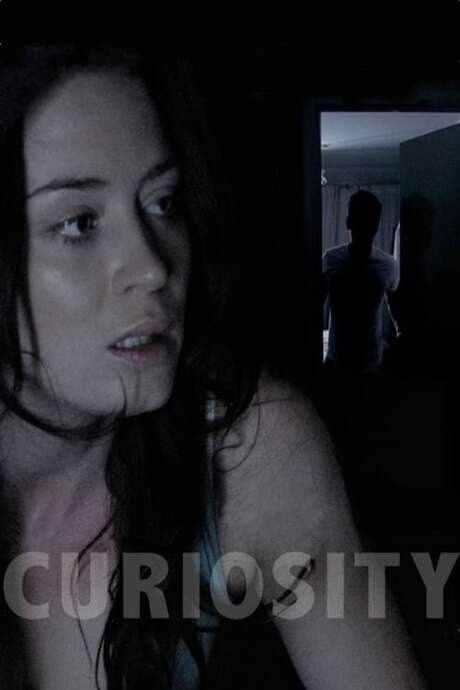
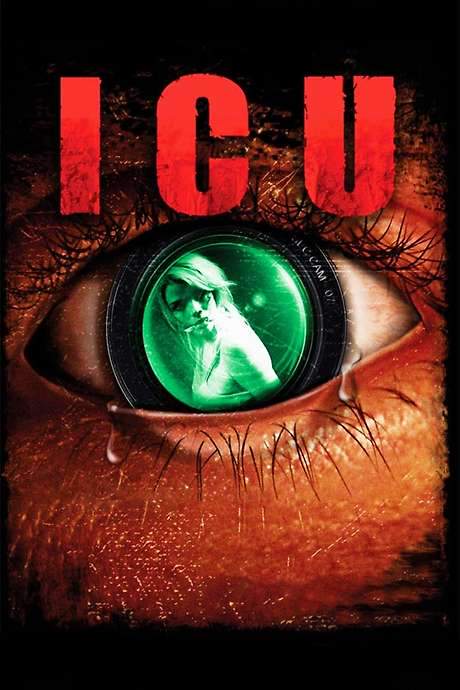
I.C.U. (2009) movie poster

Timeline

I.C.U. (2009) Timeline Explained – Every Event in Order

Release, runtime and language
2009 · 91 mins · English
Loading streaming availability…
Starring
Margot Robbie, James Dean, Ozzie Devrish, Christian Radford, Kate Boladian, Aash Aaron

A sadistic, voyeuristic killer stalks the city, and three curious teenagers who spend their time spying on neighbors think they have uncovered his identity. Their obsession leads them to a high‑rise holiday apartment rigged with hidden CCTV cameras, turning the hunters into the watched. The film asks who is really observing whom.

On this page (6)
  1. 1 Where to watch
  2. 2 Events in order (11)
  3. 3 Timeline questions answered
  4. 4 Movie threads
  5. 5 Movies like I.C.U.
  6. 6 Every angle
Loading streaming availability…

11 events in order · contains spoilers

I.C.U. Timeline: Events in Chronological Order

Every key event of I.C.U. (2009) in order, scene by scene, with when and where it takes place. Use it to untangle flashbacks, time jumps and parallel storylines, to refresh your memory before the sequel or to find the exact scene you are thinking of.

  1. Arrival at the holiday home

    Tristen Waters, her brother Troy, and his friend Ricky arrive at their father William's holiday home. William is a police officer who is preoccupied with work to pay off the gambling debt that ruined his marriage to the children's mother. The kids end up spending most of their time alone as he tries to manage his burdens.

    When
    Afternoon
    Where
    William's holiday home
  2. Neighbors under suspicion

    The trio starts spying on their neighbors from the property and notices something troubling. They observe a man who hires prostitutes who go into the house but never come out. The pattern hints at a dangerous secret that could affect them all.

    When
    Evening
    Where
    Neighbourhood vicinity
  3. Filming the activity

    Intrigued, the children begin filming the suspicious activity from their vantage point. They document the pattern of visits and disappearances, unaware of how perilous their actions may become. Their curiosity crosses into real risk as they get closer to the truth.

    When
    Evening
    Where
    Neighbour's house / surrounding area
  4. The killer discovers the cameras

    The man responsible for the prostitution operation discovers that someone is filming him. He closes in on the kids, who realize they must hide inside the flat to avoid detection. Tension spikes as the threat draws nearer to them.

    When
    Night
    Where
    Neighbour's flat
  5. The children are captured

    The murderer finds the hiding trio and ties them up, leaving them immobilized in the flat. Fear grips the kids as they face a direct threat to their safety. William remains away, unaware of the danger unfolding next door.

    When
    Night
    Where
    Neighbour's flat
  6. William arrives and fights

    William arrives at the scene and a brutal fight erupts with the murderer. He is knocked out during the struggle, and the killer appears to have the upper hand. The confrontation sets the stage for a deadly turn of events.

    When
    Midnight
    Where
    Neighbour's flat
  7. William awakens and shoots

    William regains consciousness and confronts the killer. In a grim moment, he declares his rage, saying, 'I thought I told you to wait till their mother was here,' and shoots the murderer to death. The act ends the immediate threat but leaves the family reeling from the violence.

    When
    Shortly after
    Where
    Neighbour's flat
  8. Descent into paranoia

    In a frantic turn, William becomes fixated on protecting his children in a way that blinds him to his own fragility. He contemplates harming them, revealing how extreme stress can distort a parent’s judgment. The home becomes a place of impending danger rather than refuge.

    When
    After the fight
    Where
    William's holiday home
  9. The ex-wife's murder of William

    William, in a final act of desperation, is stabbed to death by his ex-wife. Her violent act immediately shifts the focus from the immediate danger at the home to uncovering a larger conspiracy. Her involvement ties back to the murders and the camera network.

    When
    Night
    Where
    William's holiday home
  10. The reveal of a broader conspiracy

    It is revealed that the ex-wife is the killer behind the prostitutes’ murders and has been filming the crimes. The bodies were provided to her by a pimp, indicating a wider network of crime at play. The revelation reframes the danger as a systemic one, not just a single killer.

    When
    Following night
    Where
    Hotel / various locations
  11. The camera network and the unknown operator

    The ex-wife finds a text message reading 'I C U' and notices a camera in the room amid a hotel full of cameras. She seems to recognize the person operating them, though their identity remains unknown. The discovery closes the timeline with a lingering sense of unseen observers.

    When
    Later that night
    Where
    Hotel

Last updated: February 17, 2026 at 19:56

Was this helpful?

Timeline questions answered

I.C.U. Timeline Explained: Your Questions Answered

When does it happen, and why in that order? The questions people ask about the chronology of I.C.U. (2009): time jumps, flashbacks, cause and effect between scenes and the correct order of events, each answered with spoilers.

Q1

Why does William say he told the killer to wait until their mother arrived?

William's line reveals he was working with the killer. He had made a deal with the murderer, likely connected to his gambling debts and corruption as a police officer. William wanted the killer to wait because he wanted his ex-wife present, suggesting she was either part of the plan or target. This moment reframes William from protective father to conspirator.

Foreshadowing: William's obsession with work and gambling debt established early on hints at his moral corruption.

  • william waters
  • killer
  • mother
  • collaboration
  • corruption
Q2

Who is the actual killer in I.C.U.?

William's ex-wife is the true killer. She orchestrated the murders of the prostitutes, recruiting victims through a pimp who supplied her with bodies. The man the teenagers were watching was merely her supplier, not the murderer. She killed William when he turned violent, then discovered she herself was being watched through a hidden camera network.

Foreshadowing: The ex-wife's appearance during the confrontation and her sudden attack on William signals her deeper involvement.

  • ex-wife
  • killer
  • prostitute murders
  • reveal
  • twist
Q3

What does the 'I C U' text message mean in the movie?

The 'I C U' message appears after the ex-wife discovers the hotel room full of hidden cameras. It signals that someone has been watching her the entire time, just as she and her network watched others. The message implies an even larger conspiracy beyond what has been revealed, with an unknown operator still observing from the shadows.

Foreshadowing: The film's title and the teenagers' voyeuristic spying theme foreshadow that observation goes both ways.

  • I C U
  • text message
  • cameras
  • surveillance
  • watching
Q4

Why does William's ex-wife stab him to death?

William, having just killed the initial killer, descends into paranoid desperation. He turns on his own children, attempting to harm them in his distorted attempt at 'protection.' His ex-wife intervenes and kills him, not out of love for the children, but to silence him and maintain her operation. Her action removes a liability while she takes control of the situation.

Foreshadowing: William's erratic behavior and shift toward violence in the earlier scenes planted the seeds for this betrayal.

  • ex-wife
  • william
  • stabbing
  • betrayal
  • murder
Q5

What is the camera network the ex-wife discovers?

The hotel contains an extensive network of hidden CCTV cameras, operated by an unknown person. This network represents a larger web of surveillance beyond the teenagers' amateur filming. The ex-wife realizes she's been watched, just as she watched her victims, suggesting someone above her in the criminal chain was monitoring everything.

Foreshadowing: The constant emphasis on voyeurism throughout the film builds toward this realization of layered observation.

  • cameras
  • hotel
  • surveillance
  • network
  • hidden
Q6

What was William's connection to the criminal operation?

William, a police officer with gambling debts, was corrupt. He likely arranged the deal between his ex-wife and the pimp who supplied victims. His partnership with the killer explains how the operation ran undetected and why he told the murderer to wait for the ex-wife, he was facilitating her access to victims.

Foreshadowing: William's gambling debt and divorce from the children's mother established his vulnerability to criminal entanglement.

  • william
  • corruption
  • gambling
  • police
  • pimp
  • deal
Q7

Why does the killer target the teenagers?

The killer discovers the teenagers have been filming his activities and the prostitution operation. Their camera work threatens to expose him and his connection to the pimp. Rather than ignore them, he tracks them down to eliminate the threat they pose to his operation.

Foreshadowing: The children's escalating curiosity and filming hobby directly draws the killer's attention.

  • teenagers
  • killer
  • filming
  • captured
  • targeting
Q8

How was the pimp involved with the ex-wife's crimes?

The pimp served as the supplier for the ex-wife's murder operation. He delivered prostitutes to the network, knowing they would be killed. This established a systematic pipeline of victims, something the teenagers uncovered when they noticed women entering the house but never leaving.

Foreshadowing: The children observed the pattern of vanishing prostitutes, hinting at this supply chain.

  • pimp
  • prostitutes
  • supply
  • victims
  • ex-wife
Q9

Does the ex-wife recognize who is behind the cameras?

The film leaves this ambiguous. When the ex-wife sees the camera in the hotel room and receives the 'I C U' message, she appears to recognize something or someone, but the camera operator's identity is never revealed. This leaves the mystery open, suggesting a powerful figure above her in the criminal hierarchy.

Foreshadowing: The unresolved ending reflects the film's theme that observation is everywhere and no one is truly safe.

  • ex-wife
  • camera operator
  • recognition
  • mystery
  • unknown
Q10

Why does William try to harm his own children?

After killing the killer and experiencing extreme stress, William suffers a psychological break. His notion of 'protecting' his children becomes twisted, he believes eliminating them is the only way to shield them from the danger he brought into their lives. This represents the film's exploration of how extreme trauma distorts parental judgment.

Foreshadowing: Earlier scenes showing William's mounting stress and guilt foreshadow this collapse into paranoia.

  • william
  • children
  • paranoia
  • protection
  • breakdown

Movie threads

More Movies Like I.C.U., by Mood & Story

Curated lists built around what makes I.C.U. tick: the same mood, the same kind of story or the same emotional payoff. Each list explains why these movies belong together.

Voyeuristic horror thrillers like I.C.U.

Characters trapped in a web of surveillance and hidden threats. These movies explore themes of surveillance, paranoia, and the unsettling feeling of being watched. If you enjoyed the tense atmosphere and voyeuristic tension in I.C.U., you'll find similar unsettling experiences here.

  • voyeuristic
  • claustrophobic
  • paranoid
  • ominous
  • terrifying
  • unsettling
  • Tone: tense, unsettling
  • Pacing: steady
Why these movies?

The story pattern: Characters typically become obsessed with uncovering a hidden threat or secret, only to find themselves becoming the targets of surveillance. The narrative often involves a descent into a claustrophobic setting where the hunters become the hunted.

Why they belong together: These films share a focus on the psychological horror of surveillance, betrayal, and the corruption of trust, creating an atmosphere of constant unease.

Family corruption thrillers like I.C.U.

Dark revelations shatter the illusion of safety within the family unit. These films explore the devastating impact of family secrets, addiction, and betrayal. If you were drawn to the shocking familial twist and moral decay in I.C.U., these stories deliver similar gut-wrenching reveals.

  • betrayal
  • corruption
  • family secrets
  • addiction
  • moral decay
  • Tone: dark, bleak
  • Pacing: steady
Why these movies?

The story pattern: The story often begins with a seemingly normal family dynamic, but as the plot unfolds, dark secrets emerge. Characters discover that those closest to them are complicit in or perpetrators of heinous acts, leading to a collapse of trust and a bleak resolution.

Why they belong together: They are grouped by their exploration of familial betrayal, the shock of discovering a loved one's darkness, and the heavy emotional weight of shattered trust.

If you liked this

Movies Like I.C.U.

Similar movies to I.C.U.: the same genre, themes or kind of story. Each one comes with its own plot summary, timeline and ending explained.

Browse all movie summaries

Every angle

I.C.U. (2009) Explained: Plot, Timeline & Characters

Everything about I.C.U. in one place: what happens in the plot summary, the timeline in chronological order, the characters and meaning and a spoiler-free summary. What's After the Movie adds the cast, box office and post-credit scenes.

Coming soon on iOS and Android

The Plot Explained Movie Summary App

Plot summaries, endings explained and timelines on your phone. Catch up on any movie in minutes, save your favorites and never miss a twist again.

Be the first to know when we launch. Your email stays private, always.

Learn more about the app