Plot Explained Spoilers guaranteed!
Plot Explained

Browse by genre

The Tell-Tale Heart (1960) movie poster

Plot Summary

The Tell-Tale Heart (1960) Plot Summary Explained

Release, runtime and language
1960 · 78 mins · English
Loading streaming availability…
Directed by
Ernest Morris
Starring
Richard Bennett, John Scott, John Martin, Laurence Payne, David Lander, Adrienne Corri

A nervous librarian named Edgar Marsh becomes obsessed with his attractive next‑door neighbor. Consumed by unrequited love and voyeuristic fixation, his anxiety drives him to murder when she remains out of reach. The film weaves Poe’s classic themes of madness, guilt and a haunting conscience into a tense, suspenseful reinterpretation.

On this page (6)
  1. 1 Where to watch
  2. 2 What happens: full plot
  3. 3 Plot questions answered
  4. 4 Movie threads
  5. 5 Movies like The Tell-Tale Heart
  6. 6 Every angle
Loading streaming availability…

Full plot summary · contains spoilers

What Happens in The Tell-Tale Heart: Full Plot Summary

The whole story of The Tell-Tale Heart (1960) explained, from the opening scene to the final frame: every key event, every twist and what it all adds up to. Read it as a quick recap before the sequel, to check a scene you missed, or to finally understand what really happened.

Edgar Marsh [Laurence Payne], a shy librarian with a fervent fixation on erotica, becomes infatuated with his neighbor Betty Clare [Adrienne Corri] after catching a glimpse of her undressing in her bedroom. He invites her to dinner, and while she clearly feels uncomfortable with the intensity of his attention, he lavishly showers her with jewellery and fantasizes about a future where they are together. The enchantment grows brittle when he introduces her to his friend Carl Loomis [Dermot Walsh], a man Betty finds far more attractive and immediately more appealing.

From his window, Edgar watches as Betty and Carl share a private moment in her bedroom, a sight that unsettles him deeply. In a surge of jealousy and fear, Edgar strikes, bludgeoning Carl to death with a poker and then concealing him beneath the floorboards of his piano room. The act sets off a chain of guilt and paranoia that gnaws at him relentlessly, so that every stray sound—like a ticking metronome or the endless dripping of a tap—seems to mimic the heartbeat of his victim.

As the story unfolds, Betty unexpectedly enters Edgar’s world again. She sneaks into his house and, discovering the hidden poker, reports what she has found to the police. The confrontation with the authorities intensifies the pressure on Edgar, and the imagined heartbeat becomes louder and more insistent as he is questioned. Overwhelmed by fear and guilt, he confesses to the crime, yet the mental strain continues to fray his grip on reality.

In a shocking twist of fate, Edgar attempts to flee up the stairs and is shot, collapsing onto a spike and dying. Then comes the jarring revelation: all the events have been a dream. Yet the final image lingers—Edgar wakes to find Betty arriving in town, and the chilling fear remains that the nightmare could begin again.

Last updated: March 05, 2026 at 18:41

Was this helpful?

Plot questions answered

The Tell-Tale Heart Plot Explained: Your Questions Answered

The questions people ask most about The Tell-Tale Heart (1960): what happens in the confusing scenes, why the characters do what they do, the twists, hidden details and what the ending means. Each answer contains spoilers.

Q1

Why does Edgar kill Carl instead of acting on his obsession with Betty?

Edgar's jealousy is redirected toward Carl because he represents the rival who won Betty's attention. When Edgar watches Carl and Betty together from his window, his obsession transforms into rage at the man who took what he wanted. Rather than confronting Betty, he attacks the obstacle to his fantasy, bludgeoning Carl with a poker in a surge of jealous fury.

Foreshadowing: Edgar's introduction of Carl to Betty, hoping to appear generous, plants the seeds for this violent redirection of his obsession.

  • edgar marsh
  • carl loomis
  • jealousy
  • murder
  • obsession
Q2

What causes Edgar to hear the heartbeat sound after killing Carl?

Edgar experiences intense guilt that manifests as an auditory hallucination. After burying Carl beneath the floorboards of his piano room, the ticking metronome and dripping tap trigger his conscience. He becomes convinced these sounds mimic the dead man's heart, a psychological projection of his guilt that grows louder and more insistent as he is questioned by police.

Foreshadowing: The sound of the metronome during his earlier fantasies about Betty establishes the auditory connection that later torments him.

  • guilt
  • hallucination
  • heartbeat
  • paranoia
  • conscience
Q3

Why does Betty report the poker she found in Edgar's house?

Betty becomes suspicious of Edgar after witnessing his intense, uncomfortable attention during dinner and observing his obsessive behavior from afar. When she sneaks into his house and discovers the poker hidden in his closet, she connects it to Carl's disappearance and reports it to the police, believing Edgar may be involved in something sinister.

Foreshadowing: Betty's discomfort during dinner and her attraction to Carl instead of Edgar establish her distrust of the librarian.

  • betty clare
  • poker
  • police
  • suspicion
  • discovery
Q4

Why does Edgar confess to the police if he could have remained silent?

Edgar's guilt becomes unbearable under the pressure of interrogation. The imagined heartbeat grows louder as the police question him, symbolizing his cracking conscience. Overwhelmed by psychological torment and unable to bear the internal pressure, he confesses to the murder, believing confession will silence the haunting sound.

Foreshadowing: The escalating sounds throughout the interrogation scene build toward his breaking point.

  • confession
  • police
  • guilt
  • interrogation
  • madness
Q5

What is the significance of revealing the entire story was a dream?

The dream revelation serves multiple purposes: it provides a traditional Gothic twist while exploring the psychological themes of obsession and guilt. Even within the dream, Edgar commits murder and is consumed by conscience, suggesting these violent impulses and anxieties exist regardless of whether the events literally occurred. The dream structure allows the film to fully explore his psychological collapse within a narrative safety net.

  • dream
  • twist
  • ending
  • psychological
  • revelation
Q6

Why does the ending remain frightening even after revealing it was all a dream?

The ending is terrifying because Edgar wakes to find Betty actually arriving in town, recreating the exact situation that triggered his obsession and violent actions in the dream. This suggests the nightmare could become reality, he now knows what his fixation might drive him to do. The final image implies the cycle of obsession, jealousy, and violence is about to begin again in waking life.

Foreshadowing: The dream's events mirror exactly what could happen in reality, making Betty's arrival the trigger for a potential repeat.

  • betty arrival
  • ending
  • fear
  • cycle
  • repetition
Q7

Why does Edgar bury Carl's body under the floorboards of his piano room?

Edgar hides the body in his piano room because it's a private, personal space where he spends time alone. The floorboards provide a literal and symbolic burial of his crime, concealing the evidence beneath the surface of his home while continuing to live above it, just as he must live with the psychological weight of his act. The piano room becomes a space of both artistic pursuit and hidden guilt.

Foreshadowing: The piano room appears earlier as a reflection of Edgar's private, introspective nature.

  • body
  • floorboards
  • piano room
  • concealment
  • evidence
Q8

How does Edgar's voyeuristic watching lead to murder?

Edgar progresses from passive observation to violent action because his fixation grows from desire into possessive obsession. His watching from the window establishes his pattern of fixating on Betty without real interaction. When he sees Carl with Betty, his role shifts from observer to jealous actor. The murder represents the escalation of his obsession, he cannot control or possess her, so he eliminates the rival who can, turning his voyeuristic energy into destructive action.

Foreshadowing: The opening scene establishes his pattern of watching from windows, building toward active violence.

  • voyeurism
  • observation
  • obsession
  • escalation
  • violence
Q9

Why does Edgar introduce Carl to Betty if he's obsessed with her?

Edgar believes presenting Carl as suitable company will make him appear generous and socially confident, enhancing his image in Betty's eyes. He genuinely thinks he is helping the situation by introducing a friend, underestimating Betty's attraction to Carl. His social naïveté and desperate desire to seem like a confident man lead him to facilitate the very situation that destroys him.

Foreshadowing: Edgar's insecurity and lack of self-awareness drive this fatal miscalculation.

  • carl
  • introduction
  • social mistake
  • jealousy
  • betty
Q10

What is the purpose of the metronome sound throughout the film?

The metronome serves as an early symbol of Edgar's disturbed mind and a sonic link to the heartbeat he later imagines. It represents the mechanical passage of time and his obsessive focus on specific sounds. Later, his guilt transforms this familiar sound into evidence of his crime, as his mind twists the steady tick into the imagined heart of his victim.

Foreshadowing: The metronome appears early in his fantasies about Betty, establishing its psychological significance.

  • metronome
  • sound
  • heartbeat
  • symbol
  • obsession
Q11

How does Edgar's psychological breakdown progress throughout the film?

Edgar's collapse follows a clear arc: initial infatuation transforms into obsessive fixation, then jealous rage drives murder, and finally guilt creates hallucinations that destroy his sanity. Each stage builds on the previous, his inability to connect with Betty normally leads to jealousy, jealousy to violence, and violence to psychological torment. The timeline shows a methodical descent from shy librarian to confessing murderer to broken man who flees and dies.

Foreshadowing: The steady pacing builds tension from his first observation of Betty through to his final breakdown.

  • breakdown
  • psychology
  • descent
  • guilt
  • madness
Q12

What happens to Edgar at the end of the film?

After confessing to the police, Edgar attempts to flee up the stairs and is shot by the authorities. He falls onto a spike and dies. However, this death is revealed to be part of his dream, the entire sequence from murder through confession and death is imaginary. He wakes in bed, but the terror persists because Betty is actually arriving in town, threatening to make his nightmare a reality.

Foreshadowing: The entire sequence mirrors the psychological journey his waking mind fears taking.

  • death
  • spike
  • shot
  • escape
  • confession

Movie threads

More Movies Like The Tell-Tale Heart, by Mood & Story

Curated lists built around what makes The Tell-Tale Heart tick: the same mood, the same kind of story or the same emotional payoff. Each list explains why these movies belong together.

Movies about obsessive paranoia like The Tell-Tale Heart

Stories where a single fixation spirals into madness and violence. If you were fascinated by the obsessive descent in The Tell-Tale Heart, you'll find similar tension in these psychological thrillers. This list features movies where a character's fixation leads to paranoia, crime, and a haunting sense of guilt, perfect for fans of intense character studies.

  • obsessive
  • paranoid
  • claustrophobic
  • unsettling
  • anxious
  • guilt-ridden
  • Tone: tense, dark, unsettling
  • Pacing: steady, methodical build
Why these movies?

The story pattern: These narratives follow a linear but accelerating descent, beginning with a seemingly minor fixation that grows into an all-consuming obsession. The plot is driven internally by the protagonist's fractured psyche, often culminating in a violent act and the subsequent, inescapable psychological torment.

Why they belong together: Movies are grouped here because they share a core focus on a character's internal psychological collapse. They create a claustrophobic, tense atmosphere by aligning the viewer with a protagonist losing their grip on reality, resulting in a heavy, unsettling viewing experience.
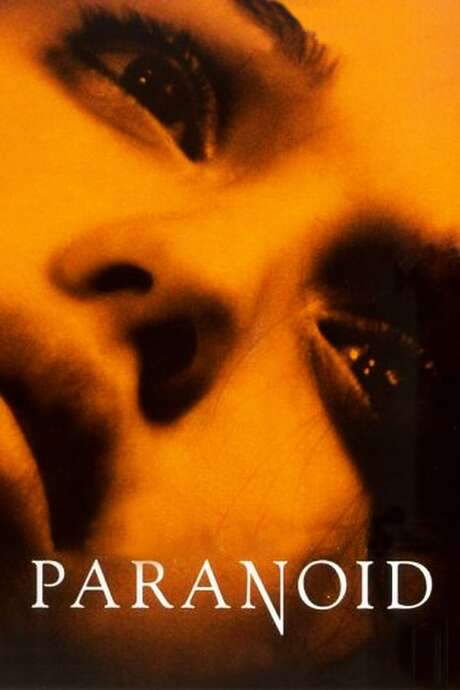
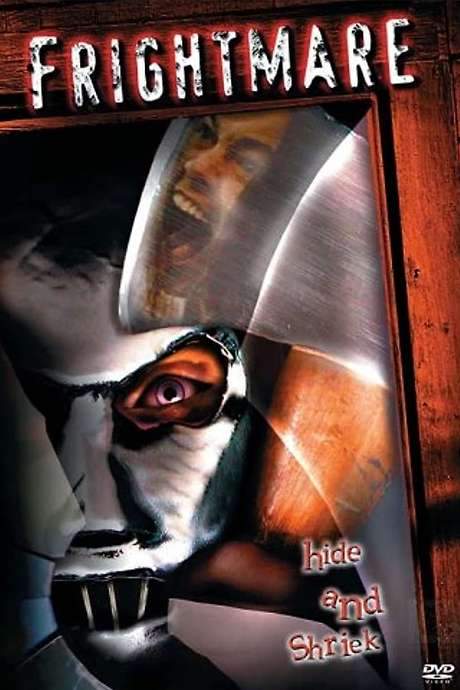
Psychological guilt horror movies like The Tell-Tale Heart

Horror stories where the real terror is a haunted conscience. For viewers who appreciated the focus on guilt and a haunted conscience in The Tell-Tale Heart, this list offers more chilling tales. These similar movies explore the psychological aftermath of a crime, featuring bleak endings and a heavy, tense mood that lingers long after the credits.

  • guilt-ridden
  • unsettling
  • psychological
  • tense
  • bleak
  • haunting
  • Tone: bleak, tense, unsettling
  • Pacing: steady, suspenseful
Why these movies?

The story pattern: The narrative pattern centers on a crime—often a murder—committed by the protagonist. The bulk of the story then focuses on the agonizing psychological aftermath, where guilt manifests as paranoia, hallucinations, and a pervasive sense of being haunted, leading to a bleak conclusion with no redemption.

Why they belong together: These films are connected by their shared exploration of guilt as the central horror element. They prioritize internal psychological torment over external jump scares, resulting in a similar vibe of steady-building dread, heavy emotional weight, and profoundly bleak endings.

If you liked this

Movies Like The Tell-Tale Heart

Similar movies to The Tell-Tale Heart: the same genre, themes or kind of story. Each one comes with its own plot summary, timeline and ending explained.

Browse all movie summaries

Every angle

The Tell-Tale Heart (1960) Explained: Plot, Timeline & Characters

Everything about The Tell-Tale Heart in one place: what happens in the plot summary, the timeline in chronological order, the characters and meaning and a spoiler-free summary. What's After the Movie adds the cast, box office and post-credit scenes.

Coming soon on iOS and Android

The Plot Explained Movie Summary App

Plot summaries, endings explained and timelines on your phone. Catch up on any movie in minutes, save your favorites and never miss a twist again.

Be the first to know when we launch. Your email stays private, always.

Learn more about the app