

Plot Explained Spoilers guaranteed!
Plot Explained

Browse by genre

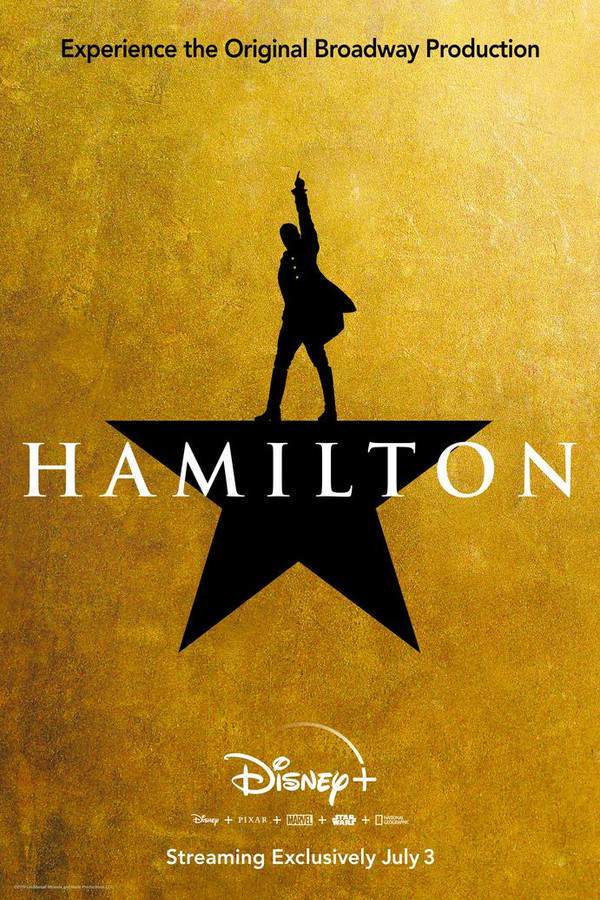
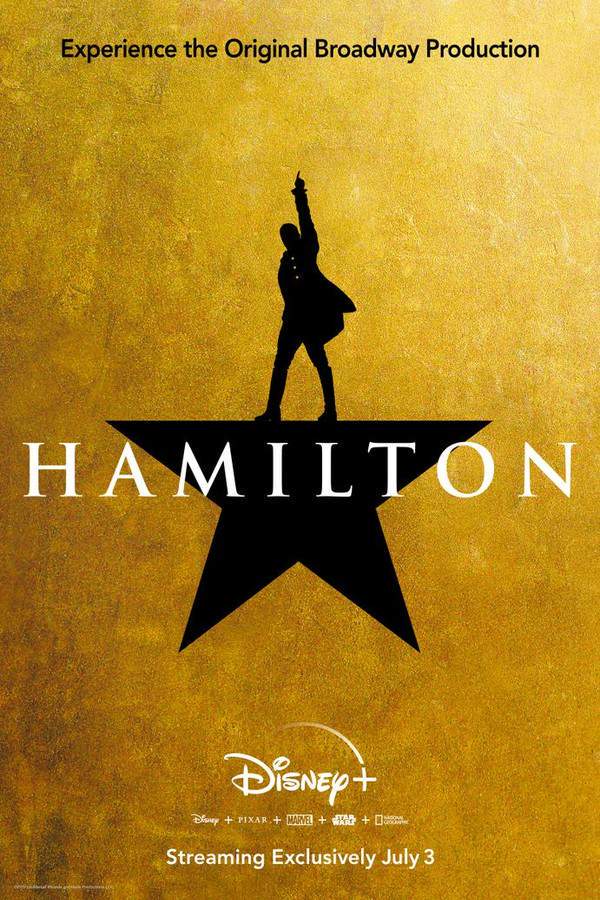
Hamilton (2020) movie poster

Timeline

Hamilton (2020) Timeline Explained – Every Event in Order

Release, runtime and language
2020 · 160 min · English
Echo score 86
JustWatch #4,811 7
Directed by
Thomas Kail
Starring
Daveed Diggs, Anthony Ramos, Jonathan Groff, Chris Jackson, Emmy Raver-Lampman, Jasmine Cephas Jones
Budget
$12.5M

This cinematic presentation captures the Richard Rodgers Theatre production of the acclaimed musical. It explores the ambitious life and legacy of Alexander Hamilton, one of America’s founding fathers and the first Secretary of the Treasury. The story is told through a vibrant mix of musical styles, including hip-hop, jazz, R&B, and Broadway show tunes, offering a fresh and dynamic perspective on a pivotal moment in American history.

On this page (6)
  1. 1 Where to watch
  2. 2 Events in order (15)
  3. 3 Timeline questions answered
  4. 4 Movie threads
  5. 5 Movies like Hamilton
  6. 6 Every angle

Where to watch

Where to Watch Hamilton (2020)

Where can you watch Hamilton? Stream, rent or buy it in the US, including on Disney Plus: current JustWatch availability with up-to-date prices.

Streaming availability powered by JustWatch

15 events in order · contains spoilers

Hamilton Timeline: Events in Chronological Order

Every key event of Hamilton (2020) in order, scene by scene, with when and where it takes place. Use it to untangle flashbacks, time jumps and parallel storylines, to refresh your memory before the sequel or to find the exact scene you are thinking of.

  1. Departure from Nevis

    The story kicks off with the orphan Alexander Hamilton leaving Nevis in search of a better life. He arrives in New York City in 1776, ready to make his mark on history.

    When
    1776
    Where
    Nevis
  2. Meeting Key Allies

    Upon his arrival in New York, Hamilton meets a group of revolutionaries including Aaron Burr, John Laurens, Marquis de Lafayette, and Hercules Mulligan. Impressed by Hamilton's rhetorical skills, they bond over their shared passion for revolutionary ideals.

    Where
    New York
  3. The Call to Revolution

    The group expresses their aspirations for revolution in the song 'My Shot,' igniting their fervor for independence. This pivotal moment lays the foundation for their upcoming battles against British rule.

    Where
    New York
  4. An Awakening of the Schuyler Sisters

    Simultaneously, the Schuyler sisters—Angelica, Eliza, and Peggy—begin their own search for suitors in the vibrant social scene of New York. Their charismatic presence adds a dynamic layer to the revolutionary fervor brewing around them.

    Where
    New York
  5. Challenging the Status Quo

    Samuel Seabury raises concerns about the Congress's actions, prompting Hamilton to challenge him with a passionate rebuttal in 'Farmer Refuted.' This marks Hamilton's early efforts to defend the revolutionary cause and assert his political beliefs.

    Where
    New York
  6. King George's Declaration

    In a powerful moment, King George III asserts his authority in the song 'You'll Be Back,' reminding the colonists of their allegiance to the crown. His words foreshadow the tumultuous battles to come.

    Where
    London
  7. Appointment as Aide-de-Camp

    During the New York and New Jersey campaign, Hamilton is appointed as aide-de-camp to General George Washington. This strategic role highlights Hamilton's importance in the revolutionary war efforts, despite his desire for direct combat.

  8. Love Blossoms

    At a grand ball, Hamilton and Eliza Schuyler are drawn to each other, leading to a passionate romance. They eventually marry, with Angelica grappling with her own unspoken feelings for Hamilton.

    Where
    New York
  9. Duel and Pregnancy

    In a tense moment, Hamilton helps Laurens win a duel against Charles Lee, resulting in Hamilton's temporary suspension from action. Soon after, he receives joyful news from Eliza about her pregnancy, prompting introspection about their future.

  10. Alliance with France

    As the war continues, Lafayette successfully persuades France to support the American cause. Washington sees the importance of Hamilton's role as he prepares for the critical Siege of Yorktown.

    Where
    Yorktown
  11. Victory at Yorktown

    At the Siege of Yorktown, Hamilton collaborates with Lafayette and Mulligan to devise a successful battle strategy against the British forces. Their triumph signifies a turning point in the Revolutionary War.

    Where
    Yorktown
  12. The Burdens of Leadership

    Following victory, King George raises questions about the future of the newly independent country in 'What Comes Next?' This foreshadows the challenges ahead as they transition to self-governance.

  13. Personal Loss and Career Advancement

    Hamilton faces personal sorrow with the death of Laurens, pushing him to immerse himself in work. He co-authors The Federalist Papers and is appointed Secretary of the Treasury, solidifying his role in shaping the new nation.

  14. Tensions with Jefferson

    Thomas Jefferson's return from France sparks debates at the Cabinet meetings as tensions rise between him and Hamilton. Meanwhile, Eliza and Angelica's relationship continues to evolve while Hamilton becomes embroiled in a scandal.

  15. A Fateful Duel

    The tension between Hamilton and Burr culminates in a duel after years of political rivalry. Hamilton, choosing not to fire at Burr, faces a fatal consequence, leaving a lasting legacy and prompting reflections on who tells the stories of our lives.

    Where
    Weehawken, New Jersey

Last updated: November 16, 2024 at 14:25

Was this helpful?

Timeline questions answered

Hamilton Timeline Explained: Your Questions Answered

When does it happen, and why in that order? The questions people ask about the chronology of Hamilton (2020): time jumps, flashbacks, cause and effect between scenes and the correct order of events, each answered with spoilers.

Q1

Why did Hamilton throw away his shot in the duel with Burr?

Hamilton deliberately aimed his pistol away from Burr and didn't fire. Several factors contributed to this choice: his religious beliefs opposed dueling as sinful, he wanted to die with honor rather than kill Burr and become a murderer, and he hoped his death would secure his legacy and allow Eliza to tell his story. His famous line 'I should have been dead long ago' suggests he had made peace with dying and wanted his legacy to be shaped by his wife rather than by a violent act.

Foreshadowing: Earlier in the musical, Hamilton repeatedly declares he will 'throw away my shot', his final decision literally fulfills this phrase.

  • hamilton
  • burr
  • duel
  • throw away my shot
  • weehawken
  • legacy
Q2

Why did Hamilton have an affair with Maria Reynolds?

Hamilton became involved with Maria Reynolds in 1791 after meeting her when she sought his help with a personal matter. The affair occurred during a period when Hamilton was stressed from political battles and felt emotionally distant from Eliza, who was spending time upstate with Angelica. Maria manipulated Hamilton into paying her husband James Reynolds blackmail money, threatening to expose the affair and ruin his political career.

Foreshadowing: The song 'Say No to This' foreshadows the moral compromise to come, with Hamilton acknowledging his weakness before the affair begins.

  • maria reynolds
  • affair
  • scandal
  • blackmail
  • james reynolds
Q3

Why did Hamilton publicly reveal his affair in the Reynolds Pamphlet?

Hamilton published the Reynolds Pamphlet in 1797 to clear his name after Thomas Jefferson and James Monroe accused him of using Treasury funds for personal expenses. Rather than admit to the affair and lose political credibility for moral reasons, Hamilton chose to publicly detail the entire affair to prove he had only used his own money, not government funds. The decision devastated his marriage and political standing, though he was legally cleared.

Foreshadowing: The musical hints at Hamilton's pattern of choosing political survival over personal relationships throughout the story.

  • reynolds pamphlet
  • affair
  • jefferson
  • monroe
  • confession
Q4

Why did Washington make Hamilton his aide-de-camp instead of letting him fight?

Washington recognized Hamilton's exceptional intellectual abilities and believed he could contribute more to the revolutionary cause through strategic thinking and writing rather than direct combat. Despite Hamilton's frustration and desire for battlefield glory, Washington appointed him as an aide-de-camp, a role that placed Hamilton at the center of military strategy and eventually led to his importance in shaping the nation's founding documents.

Foreshadowing: The song 'My Shot' establishes Hamilton's ambition for greatness, which Washington acknowledges by keeping him close.

  • washington
  • aide-de-camp
  • revolutionary war
  • military
  • appointment
Q5

Why did Angelica Schuyler marry a man she didn't love?

Angelica married Philip Schuyler primarily to remain in America and stay close to Hamilton, whom she loved deeply but could not marry because he chose Eliza. By marrying into the same family (Philip Schuyler was Eliza's father), Angelica ensured she would remain part of Hamilton's life. Her marriage was one of convenience driven by her unrequited love for Hamilton.

Foreshadowing: Angelica's lyrics in 'Helpless' and 'The Schuyler Sisters' reveal her immediate attraction to Hamilton and her self-sacrificing nature.

  • angelica
  • schuyler
  • marriage
  • eliza
  • unrequited love
Q6

Why did Burr challenge Hamilton to a duel?

Burr challenged Hamilton to a duel in 1804 after years of political rivalry, driven by personal grievances. Burr believed Hamilton had systematically destroyed his political career by speaking against him and opposing his 1804 presidential run against Jefferson. The election loss and Hamilton's perceived role in discrediting him led Burr to seek satisfaction through a duel, though Burr later claimed he didn't intend to fire.

Foreshadowing: The musical establishes their rivalry from their first meeting, where Burr advises Hamilton to 'talk less, smile more', advice Hamilton never follows.

  • burr
  • duel
  • rivalry
  • politics
  • 1804
  • weehawken
Q7

Why did Philip Hamilton die in a duel?

Philip Hamilton died in 1801 at age 19 in a duel with George Eacker, who had criticized Philip's father in a speech. Philip challenged Eacker to defend Hamilton's honor, mirroring his father's own dueling history. During the duel at Weehawken (the same location where Hamilton would later die), Philip was shot and died the next day. The tragedy led to Hamilton and Eliza reconciling after their estrangement following the Reynolds scandal.

Foreshadowing: The musical explicitly parallels Philip's fate with Hamilton's, showing the destructive cycle of dueling honor.

  • philip
  • duel
  • eacker
  • death
  • son
  • weehawken
Q8

Why were Hamilton and Jefferson such bitter rivals?

Hamilton and Jefferson represented fundamentally opposing visions for America. Hamilton believed in a strong federal government with centralized power, while Jefferson championed states' rights and agrarian democracy. Their clashes in Washington's Cabinet, debates over the national bank, and Hamilton's financial plans created intense personal and political hostility. Jefferson also resented Hamilton's foreign policy preferences and viewed him as monarchist-leaning.

Foreshadowing: The musical establishes their ideological divide in 'Cabinet Battle #1' and '#2', showing how their conflicting visions made cooperation impossible.

  • jefferson
  • hamilton
  • rivalry
  • debates
  • cabinet
  • bank
  • national debt
Q9

Why did Hamilton write The Federalist Papers?

Hamilton initiated and co-authored The Federalist Papers (85 essays) primarily to advocate for ratifying the U.S. Constitution in New York, where opposition was strong. Though Madison and Jay contributed, Hamilton wrote the majority of the essays and organized the project. The work established Hamilton as a brilliant political theorist and directly furthered his goal of creating a strong federal government.

Foreshadowing: The musical shows Hamilton's ambition to 'rise up' and be recognized, which The Federalist Papers accomplished.

  • federalist papers
  • constitution
  • ratification
  • writing
  • legacy
Q10

What does the ending song 'Who Lives, Who Dies, Who Tells Your Story' mean?

The final song asks who controls historical legacy, those who live to see their story told, those who die in obscurity, and those who control the narrative after death. Eliza takes on the role of Hamilton's storyteller, living decades longer to preserve his legacy through her memoir and charitable work. The song acknowledges that history is shaped not just by actions, but by who survives to tell the tale.

Foreshadowing: Throughout the musical, Hamilton declares his intent to 'write his way out' and achieve immortality through his legacy.

  • who lives who dies
  • ending
  • legacy
  • eliza
  • story
  • history
  • tribute
Q11

Why did Hamilton support Burr for vice president instead of Jefferson in 1800?

In the contested 1800 election, Hamilton initially preferred Jefferson over Burr despite their disagreements, because he viewed Jefferson as having more principled (if wrong) beliefs about government, while he saw Burr as having no political principles at all. Hamilton's endorsement of Jefferson over Burr contributed to Burr's loss and intensified Burr's personal vendetta against him.

Foreshadowing: This decision directly plants the seeds for Burr's later hatred of Hamilton and the ultimate duel.

  • burr
  • jefferson
  • election
  • vice president
  • 1800
  • political rivalry
Q12

Why didn't Hamilton fire his weapon at Burr during the duel?

Beyond the moral and religious reasons, Hamilton had resolved before the duel to waste his shot by firing into the air, essentially committing symbolic suicide rather than murder. He told his seconds beforehand that he would not aim at Burr. This decision came from his moral opposition to killing, his guilt over previous duels, and his belief that his death would be more meaningful to his legacy than Burr's.

Foreshadowing: Hamilton's earlier duels (supporting Laurens against Lee) and his son Philip's death established the tragic pattern he ultimately breaks.

  • duel
  • pistol
  • fatal
  • weehawken
  • intentional
  • not firing

Movie threads

More Movies Like Hamilton, by Mood & Story

Curated lists built around what makes Hamilton tick: the same mood, the same kind of story or the same emotional payoff. Each list explains why these movies belong together.

Bittersweet Biographical Epics like Hamilton

Dramatic life stories where great achievements are shadowed by deep personal cost. Explore movies like Hamilton that dramatize the lives of real historical figures. These films blend significant achievements with deep personal struggles, offering complex character studies and emotionally heavy narratives perfect for fans of intense, historically-inspired drama.

  • historical
  • dramatic
  • tragic
  • inspirational
  • reflective
  • rousing
  • Tone: bittersweet, dramatic, inspirational
  • Pacing: fast, epic
Why these movies?

The story pattern: Stories in this thread follow the rise and often tragic fall of notable individuals. The narrative arc typically spans decades, chronicling public success while simultaneously revealing the private sacrifices, moral compromises, and personal losses that define a complex legacy.

Why they belong together: Movies are grouped here for their shared focus on real-life ambition and legacy, their emotionally heavy tone, and their complex, bittersweet endings that acknowledge both greatness and profound cost.

Energetic Narrative Musicals like Hamilton

Music-driven narratives that use rhythm and song to propel a complex plot. If you liked Hamilton's use of modern music to tell a historical story, you'll enjoy these movies. Find other dynamic musicals where the soundtrack drives a complex, emotionally charged plot forward with high energy and innovative style.

  • energetic
  • rousing
  • lyrical
  • dramatic
  • innovative
  • emotional
  • Tone: energetic, dramatic, bittersweet
  • Pacing: fast, rhythmic
Why these movies?

The story pattern: The narrative in these films is inseparable from its musical score. Plot points, character motivations, and thematic depth are conveyed through song, often using contemporary music styles to refresh traditional stories. The pacing is relentless, compressing vast stories into a lyrical flow.

Why they belong together: These films are united by their use of music as a central narrative device, their fast pacing, and their high emotional intensity. They share an innovative spirit that uses genre-bending soundtracks to create a unique and rousing viewing experience.

If you liked this

Movies Like Hamilton

Similar movies to Hamilton: the same genre, themes or kind of story. Each one comes with its own plot summary, timeline and ending explained.

Browse all movie summaries

Every angle

Hamilton (2020) Explained: Plot, Ending, Timeline & Characters

Everything about Hamilton in one place: what happens in the plot summary, the timeline in chronological order, the characters and meaning, the ending explained and a spoiler-free summary. What's After the Movie adds the cast, box office and post-credit scenes.

Coming soon on iOS and Android

The Plot Explained Movie Summary App

Plot summaries, endings explained and timelines on your phone. Catch up on any movie in minutes, save your favorites and never miss a twist again.

Be the first to know when we launch. Your email stays private, always.

Learn more about the app