Plot Explained Spoilers guaranteed!
Plot Explained

Browse by genre

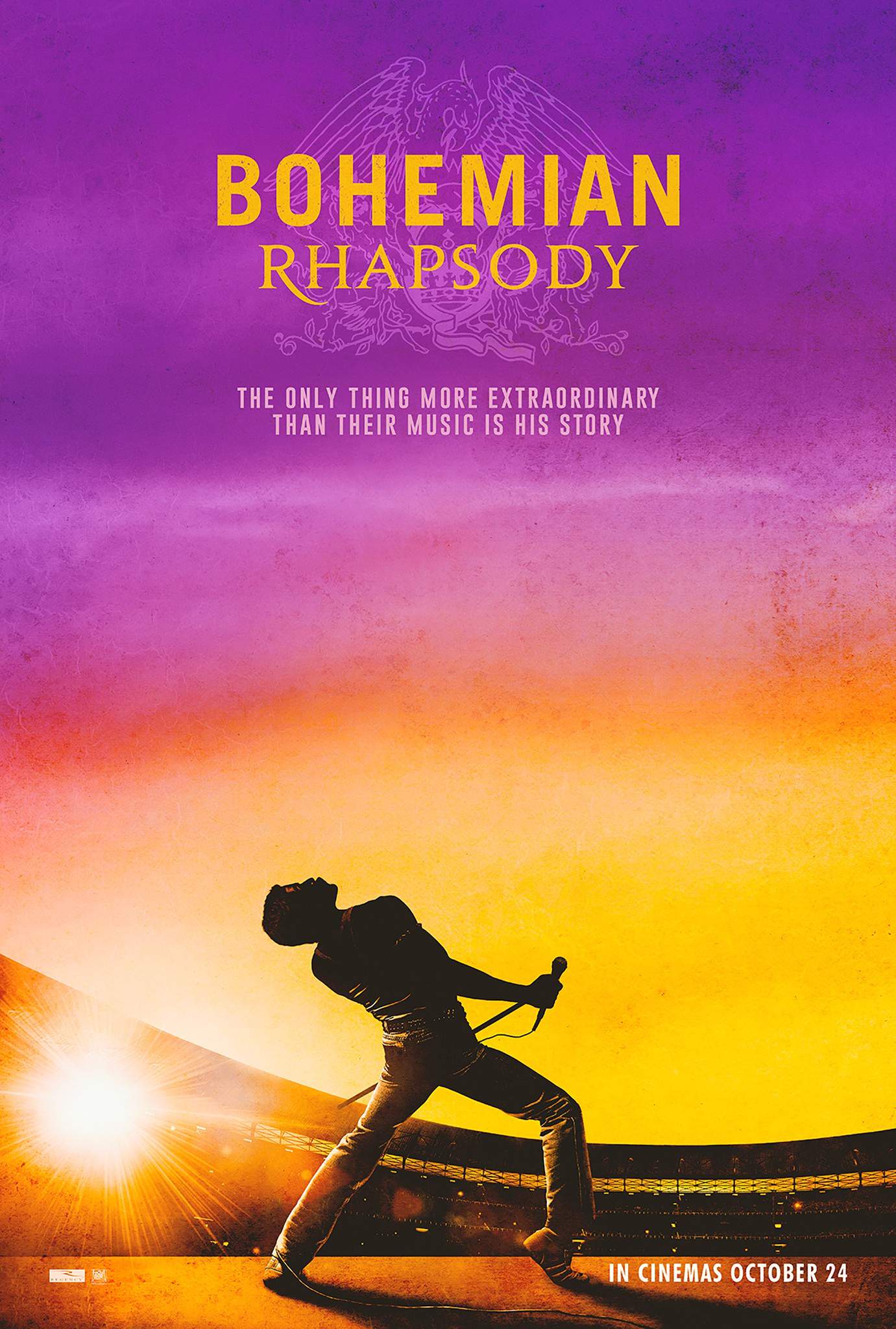
Bohemian Rhapsody (2018) movie poster

Plot Summary

Bohemian Rhapsody (2018) Plot Summary & Ending Explained

Release, runtime and language
2018 · 134 min
Echo score 68
JustWatch #4,095 75
Directed by
Bryan Singer, Dexter Fletcher
Starring
Ben Hardy, Allen Leech, Rami Malek, Mike Myers, Aidan Gillen, Jessie Vinning
Budget
$52M

This biopic portrays the incredible journey of Queen and their iconic frontman, Freddie Mercury. The film explores the band's rise to global fame, showcasing their groundbreaking music and innovative sound that defied expectations. It follows their triumphs and challenges, including Freddie’s solo endeavors, before culminating in a powerful and unforgettable performance at Live Aid, a defining moment in music history and a testament to the band’s enduring legacy.

On this page (7)
  1. 1 Where to watch
  2. 2 What happens: full plot
  3. 3 Plot questions answered
  4. 4 How it ends
  5. 5 Movie threads
  6. 6 Movies like Bohemian Rhapsody
  7. 7 Every angle

Where to watch

Where to Watch Bohemian Rhapsody (2018)

Where can you watch Bohemian Rhapsody? Stream, rent or buy it in the US, including on FXNow, YouTube TV and Amazon Video: current JustWatch availability with up-to-date prices.

Streaming availability powered by JustWatch

Full plot summary · contains spoilers

What Happens in Bohemian Rhapsody: Full Plot Summary

The whole story of Bohemian Rhapsody (2018) explained, from the opening scene to the final frame: every key event, every twist and what it all adds up to. Read it as a quick recap before the sequel, to check a scene you missed, or to finally understand what really happened.

In 1970, Freddie Farrokh Bulsara, portrayed by Rami Malek, is an Indian-British Parsi who juggles his time studying art in London and working as a baggage handler at Heathrow Airport. In the evenings, he often frequents local music venues with friends. One fateful night, after a pub show, Freddie encounters the band Smile and is captivated by an attractive young woman named Mary Austin in the hallway. She directs him to the band and reveals that she works at a trendy boutique, Biba. Complimenting the performance to drummer Roger Taylor and guitarist Brian May, he eagerly offers himself as a replacement after their lead singer, Tim Staffell, departs, showcasing his impressive vocal talent in the process.

Freddie soon visits Biba again and finds himself assisted by Mary while shopping, where they bond and ultimately become a couple, moving in together. With Freddie as the new lead singer, and joined by bassist John Deacon, the band starts performing throughout Britain, quickly gaining popularity by selling out universities and pubs. Freddie's vision pushes the band to grow, and they decide to record their debut album after selling their van to secure studio time. In the midst of recording, an A&R representative from EMI takes notice, prompting them to present demos.

Freddie takes the significant step of renaming the band to Queen and legally adopts the moniker Freddie Mercury. The group signs on with John Reid, Elton John's manager, who assists them under his guidance, while Paul Prenter, his assistant, manages day-to-day operations. Their appearance on Top of the Pops catapults them to fame with the hit record Killer Queen. As the duo's relationship deepens, Freddie and Mary become engaged.

Their debut album rises on American charts, but amidst their bustling U.S. tour, Freddie starts grappling with his sexuality. In 1975, while working on their acclaimed fourth album, A Night at the Opera, tensions arise as executive Ray Foster resists releasing the now-iconic six-minute song, Bohemian Rhapsody, as the lead single. Freddie takes the bold step of having DJ Kenny Everett premiere the track on the airwaves, and despite mixed reviews, it ultimately becomes a massive hit. On the heels of their world tour, Freddie starts an affair with his manager Paul. This tumultuous time leads to Mary's heartbreak as Freddie confides in her about his bisexuality, claiming she assures him of his identity.

Despite their continued success well into the early 1980s, cracks begin to form in the band due to Freddie's evolving persona and the influence of his relationship with Paul. After a glamorous party in 1980, he meets Jim Hutton, a waiter who quickly captures his heart, only for their relationship to dissolve when Jim prompts Freddie to embrace self-acceptance. As their 1982 album, Hot Space, nears release, a press conference spirals as reporters bombard Freddie with invasive questions regarding his personal life, leading him to respond with sharp retorts. Meanwhile, John Reid proposes a solo deal with CBS, which doesn't sit well with Freddie, ultimately leading to a fallout as he pleads for the integrity of the band. Compounding the turmoil, he learns that Mary is now involved with someone named David.

Freddie’s relationships with his band members deteriorate further when he announces a lucrative solo contract, prompting him to relocate to Munich in 1984 to pursue solo work on Mr. Bad Guy, which sees him enter a world of excess with Paul. After a visit from Mary, who is pregnant, she urges him to reconcile with the band as they prepare to play in Bob Geldof's charitable concert, Live Aid, at Wembley Stadium. Confronted by the revelation that Paul withheld this information, Freddie's outrage leads him to sever ties, only for Paul to retaliate with public disclosures about Freddie's private life.

With remorse, Freddie returns to London to mend his fractured relationships with his bandmates and their manager Jim Beach. Their reunion comes just in time for a late slot at Live Aid. As the AIDS epidemic looms, Freddie receives the heartbreaking news of his own diagnosis. During a rehearsal, he shares his illness with the band, who rally around him. On the momentous day of Live Aid, Freddie reconnects with both Jim and Mary, and he embraces his family's Zoroastrian philosophy, "Good thoughts, good words, good deeds."

The band delivers a legendary performance, featuring classics like Bohemian Rhapsody, Radio Ga Ga, Hammer to Fall, and We Are the Champions, captivating the audience and significantly boosting donations during the event. The film culminates with a poignant note reflecting on Freddie Mercury's passing on November 24, 1991, at the age of 45, and highlights the band's tribute concert in his memory.
Last updated: November 02, 2024 at 12:16

Was this helpful?

Plot questions answered

Bohemian Rhapsody Plot Explained: Your Questions Answered

The questions people ask most about Bohemian Rhapsody (2018): what happens in the confusing scenes, why the characters do what they do, the twists, hidden details and what the ending means. Each answer contains spoilers.

Q1

Why did Freddie change his name to Mercury?

Freddie changed his name as part of rebranding the band from Smile to Queen. He legally adopted the stage name Freddie Mercury, inspired by the zodiac sign Virgo and his Parsi heritage, to create a more distinctive performer identity that matched his theatrical stage presence and ambitious vision for the band.

  • freddie mercury name
  • farrokh bulsara
  • queen origin
  • stage name
Q2

Why did the record label reject Bohemian Rhapsody?

Record executive Ray Foster resisted releasing Bohemian Rhapsody as a single because he believed the six-minute length was too long for radio play and thought the operatic structure was too risky for mainstream success. Freddie circumvented this by having DJ Kenny Everett premiere the track secretly, and it became a massive hit despite initial skepticism.

  • bohemian rhapsody
  • ray foster
  • kenny everett
  • record label
  • resistance
Q3

Why did Freddie and Mary Austin break up?

Freddie broke up with Mary after confiding to her about his bisexuality. Although Mary assured him of his identity, the revelation strained their relationship and Freddie began an affair with his manager Paul Prenter. Mary remained one of Freddie's closest friends throughout his life despite the romantic relationship ending.

  • mary austin
  • freddie breakup
  • bisexuality
  • paul prenter
  • relationship
Q4

Why did Freddie leave Queen to pursue a solo career?

Freddie's solo career ambitions created tensions within the band. After announcing a lucrative solo contract with CBS, he relocated to Munich in 1984 to work on his album Mr. Bad Guy. This period was marked by his excessive lifestyle and growing distance from his bandmates, who were concerned about his pursuit of individual success over group unity.

  • freddie solo career
  • queen split
  • munich
  • mr bad guy
  • tensions
Q5

Why did Freddie fire Paul Prenter?

Freddie fired Paul Prenter after learning that Paul had withheld information about Mary visiting him and urging reconciliation before Live Aid. The betrayal was compounded when Paul publicly disclosed details about Freddie's private life after being fired, leading Freddie to cut ties with him completely.

  • paul prenter
  • fired
  • betrayal
  • live aid
  • mary austin
Q6

Why did Freddie reconcile with Queen before Live Aid?

After Mary's visit to Munich, where she revealed she was pregnant and urged Freddie to reconcile with the band for the Live Aid concert, Freddie returned to London to mend relationships with his bandmates and manager Jim Beach. The reunion was motivated by his desire to perform with Queen again and make a triumphant return at the historic charity event.

  • live aid
  • queen reunion
  • freddie reconciliation
  • jim beach
  • bandmates
Q7

When did Freddie learn he had AIDS?

Freddie received his AIDS diagnosis shortly before preparing for the Live Aid concert in 1985. He confided in his bandmates during a rehearsal, and they rallied around him in support. He ultimately passed away from the disease on November 24, 1991, at age 45.

  • aids diagnosis
  • live aid
  • 1991
  • freddie health
  • passing
Q8

Why was Live Mercury's defining Aid Freddie moment?

Live Aid became Freddie's defining moment because it represented his artistic redemption and public reunion with Queen after years of personal turmoil and band tensions. The performance showcased his legendary stage presence and helped reshape public perception of him during a time when questions about his personal life were swirling. The concert also raised massive awareness and funds for famine relief in Ethiopia.

  • live aid 1985
  • queen performance
  • freddie redemption
  • wembley
  • defining moment
Q9

Why did John Deacon leave Queen?

John Deacon, Queen's bassist, retired from the music industry after Freddie's death in 1991, choosing to stay out of the spotlight. He made only rare public appearances afterward and was not involved in the band's later activities or the tribute concert to Freddie.

  • john deacon
  • queen bassist
  • retirement
  • after freddie
  • tribute
Q10

Why did Freddie's relationship with Jim Hutton end?

Freddie's relationship with Jim Hutton ended because Jim pushed Freddie toward self-acceptance and confronting the truth about his lifestyle. Freddie was not ready to fully embrace that level of honesty about himself at the time, leading to their separation despite Jim being someone who genuinely cared for him.

  • jim hutton
  • freddie relationship
  • self acceptance
  • love
  • lifestyle
Q11

Why did Queen's manager object to Freddie's solo deal?

John Reid proposed a solo deal with CBS for Freddie, but Freddie strongly objected because he feared it would undermine Queen's integrity as a band. He pleaded with the band to maintain their unity, but the situation created friction between Freddie and John Reid, eventually leading to a fallout with their manager.

  • john reid
  • solo deal
  • cbs
  • queen integrity
  • manager fallout
Q12

How did Freddie meet the original Queen members?

Freddie met the band Smile, which included Brian May and Roger Taylor, at a pub in London in 1970. After their lead singer Tim Staffell left, Freddie offered to replace him after being impressed by their performance and meeting Mary Austin in the hallway who directed him to the band.

  • smile band
  • brian may
  • roger taylor
  • tim staffell
  • formation
Q13

What was Freddie Mercury's family philosophy?

Freddie embraced his family's Zoroastrian philosophy of "Good thoughts, good words, good deeds" as a guiding principle. He reflected on this belief during the Live Aid performance, using it as a source of strength and perspective as he faced his health challenges.

  • zoroastrianism
  • family beliefs
  • good thoughts good words good deeds
  • heritage
  • parsi

Ending explained

What Happens at the End of Bohemian Rhapsody?

How Bohemian Rhapsody (2018) ends, in short: the final scene, the last twist and what it means for the characters. The full ending explained, with every spoiler, lives on its own page.

Read the full ending explained

The film concludes with Queen's legendary performance at Live Aid, which is recreated in minute detail, capturing the energy and emotion of that iconic moment. As the band plays to a massive stadium crowd, their performance becomes a symbol of triumph not just for Queen, but for Freddie Mercury himself, who, throughout the film, has grown from a self-centered performer into a more fulfilled and connected individual. Before this climax, Freddie faces significant personal challenges: he reconnects with his bandmates and asks for their forgiveness after realizing how much he needs them, especially after learning he has AIDS. The band, in turn, supports him wholeheartedly, reuniting to give him the confidence to perform at his best. Freddie also makes important strides in his personal life, reconnecting with his boyfriend Jim Hutton and healing strained family relationships by introducing Jim to his parents. These moments of reconciliation and acceptance lead up to the big finale, where Freddie, embodying a renewed sense of self, delivers a breathtaking show at Wembley Stadium that electrifies the audience. As the crowd erupts in applause, the film’s ending celebrates not only the power of music and legacy but also Freddie’s journey toward self-acceptance and love. The closing shot isn’t just about the performance; it's a powerful reminder that, despite the pressures and personal struggles, Freddie Mercury’s spirit and music continue to resonate, leaving viewers with a sense of joy, catharsis, and the everlasting impact of Queen’s music. The movie ends on this triumphant high, embodying the enduring magic of rock and roll and the timeless appeal of Queen's music.

Bohemian Rhapsody ending explained in full

Movie threads

More Movies Like Bohemian Rhapsody, by Mood & Story

Curated lists built around what makes Bohemian Rhapsody tick: the same mood, the same kind of story or the same emotional payoff. Each list explains why these movies belong together.

Biographies of Flawed Geniuses like Bohemian Rhapsody

Emotional journeys of brilliant, troubled artists who reshape their world. Find movies like Bohemian Rhapsody that explore the dramatic lives of visionary artists. These stories blend triumphant success with personal turmoil, offering a bittersweet but ultimately cathartic look at the price of genius and the power of legacy.

  • dramatic
  • triumphant
  • melancholic
  • cathartic
  • celebratory
  • lonely
  • Tone: bittersweet, dramatic
  • Pacing: fast, event-driven
Why these movies?

The story pattern: These narratives typically follow a rise-to-fame arc, showcasing extraordinary talent and world-changing success. The central conflict arises from the protagonist's internal battles—often with identity, addiction, or relationships—creating a powerful tension between public triumph and private struggle.

Why they belong together: Movies are grouped here for their shared focus on the bittersweet reality of artistic genius. They deliver a heavy emotional weight through a fast-paced, dramatic structure, culminating in moments of profound catharsis that honor the legacy of their subjects.

High-Energy Bittersweet Triumphs like Bohemian Rhapsody

Stories where exhilarating victories are shadowed by profound personal cost. If you liked the mix of energetic triumph and emotional depth in Bohemian Rhapsody, explore these movies. They feature climactic, celebratory highs achieved against a backdrop of personal struggle, creating a powerful and memorable bittersweet feeling.

  • energetic
  • triumphant
  • bittersweet
  • nostalgic
  • cathartic
  • dramatic
  • Tone: bittersweet, triumphant
  • Pacing: fast, building to a climax
Why these movies?

The story pattern: The plot builds momentum toward a singular, defining moment of public victory—a legendary performance, a championship win, a crucial discovery. This external success is framed by a parallel internal narrative of sacrifice, illness, or reconciliation, making the finale feel both triumphant and deeply sad.

Why they belong together: These films share a specific emotional recipe: high intensity, fast pacing, and a bittersweet tone. They are united by their ability to make audiences feel the euphoria of a win while simultaneously moving them with the heavy emotional cost behind it.

If you liked this

Movies Like Bohemian Rhapsody

Similar movies to Bohemian Rhapsody: the same genre, themes or kind of story. Each one comes with its own plot summary, timeline and ending explained.

Browse all movie summaries

Every angle

Bohemian Rhapsody (2018) Explained: Plot, Ending, Timeline & Characters

Everything about Bohemian Rhapsody in one place: what happens in the plot summary, the timeline in chronological order, the characters and meaning, the ending explained and a spoiler-free summary. What's After the Movie adds the cast, box office and post-credit scenes.

Coming soon on iOS and Android

The Plot Explained Movie Summary App

Plot summaries, endings explained and timelines on your phone. Catch up on any movie in minutes, save your favorites and never miss a twist again.

Be the first to know when we launch. Your email stays private, always.

Learn more about the app