Hamilton

Hamilton

Year: 2006

Runtime: 65 min

Language: English

Director: Matthew Porterfield

Drama

During a summer in the Baltimore suburbs, seventeen-year-old Lena and twenty-year-old Joe unexpectedly become parents. Facing the complexities of raising a child, they confront the realities of responsibility and the challenges of adulthood. Their journey explores the transformative power of love and the profound changes that come with parenthood.

Warning: spoilers below!

Haven’t seen Hamilton yet? This summary contains major spoilers. Bookmark the page, watch the movie, and come back for the full breakdown. If you're ready, scroll on and relive the story!

Hamilton (2006) – Full Plot Summary & Ending Explained

Read the complete plot breakdown of Hamilton (2006), including all key story events, major twists, and the ending explained in detail. Discover what really happened, and what it all means.

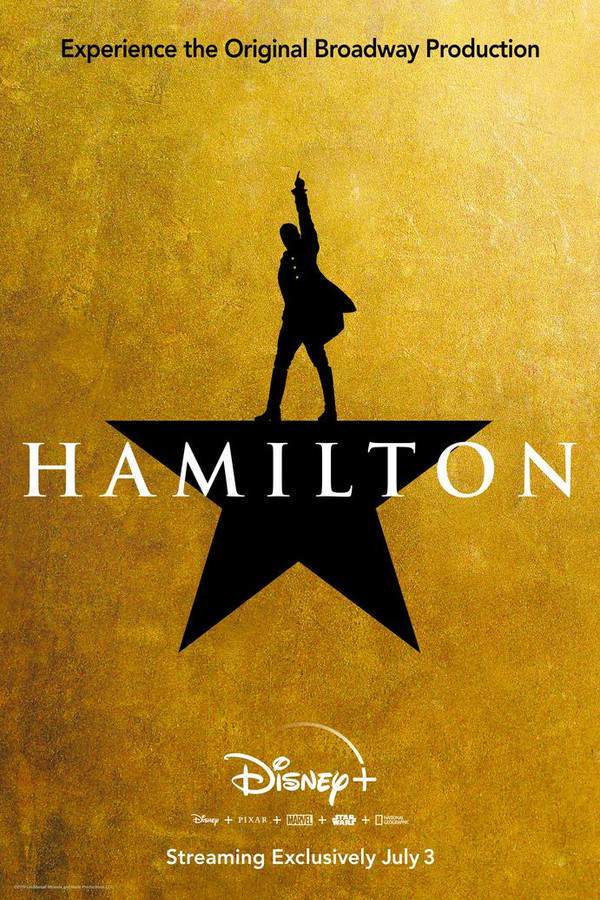
The film brilliantly encapsulates the exhilarating experience of a live Broadway show, weaving a narrative steeped in historical significance. The story unfolds as we follow Alexander Hamilton (Lin-Manuel Miranda), an orphan hailing from the Caribbean island of Nevis, whose early adversities ignite a fierce ambition to carve his name in history and create a lasting legacy.

His adventure begins in 1776, when Hamilton arrives in New York City, where he meets Aaron Burr (Leslie Odom, Jr.). The two share a drink, and soon Hamilton is introduced to a spirited group that includes John Laurens (Anthony Ramos), Marquis de Lafayette (Daveed Diggs), and Hercules Mulligan (Okieriete Onaodowan). Hamilton’s fervor for liberty resonates strongly, pushing him to ignite a revolution against the British rule, whilst Burr adopts a more cautious demeanor. Meanwhile, Lafayette dreams of reforming France, Laurens hungers for justice, and Mulligan strives for upward mobility.

As the evening progresses, the group continues their jubilant discussions about their hopes for the future (“My Shot”), recognizing that their bravery may lead them to peril. In contrast, the Schuyler sisters - Angelica (Renée Elise Goldsberry), Eliza (Phillipa Soo), and Peggy (Jasmine Cephas Jones) - search the city for suitable partners, while Burr attempts to charm Angelica, albeit unsuccessfully.

The tension escalates when Samuel Seabury (Thayne Jasperson), a Loyalist, dares to question the revolution’s legitimacy, prompting Hamilton to stand against him amidst the laughter of his allies. The British monarchy also taunts the American rebels, predicting their upcoming defeat and submission (“You’ll Be Back”).

As the revolution intensifies on the battlegrounds of New York and New Jersey, Hamilton aspires to ascend the ranks and helms the Continental Army, needing to win over General George Washington (Christopher Jackson). Burr seeks Washington’s favor too but is ultimately outshone by Hamilton’s brilliance, leading Washington to appoint Hamilton as his most trusted adviser (“Right Hand Man”), steering him toward an influential role in American history.

The vibrant festivities of the Philip Schuyler’s winter ball eventually lead to a fateful introduction of Hamilton to Eliza. This chance meeting sparks a romance (“Helpless”), blossoming into matrimony. However, during their wedding, Angelica wrestles with her own hidden feelings for Hamilton (“Satisfied”), selflessly choosing her sister’s happiness over her desires. The bond between Hamilton and his comrades deepens as they celebrate his marriage, with Hamilton dreaming of battlefield glory and the honor that comes with leadership - sentiments that resonate strongly with Burr.

As Washington’s army faces mounting losses, the pressure weighs heavily on him (“Stay Alive”). Tensions erupt when Charles Lee’s (Jon Rua) dismissal leads to a duel with Laurens (“Ten Duel Commandments”), resulting in Laurens showcasing his superior skills. This turn of events leads Hamilton to Washington’s office for a reprimand, returning home with a heavy heart.

At home, Eliza reveals the news of her pregnancy, urging Hamilton to prioritize their family’s safety amidst the war (“That Would Be Enough”). The responsibility gnaws at Hamilton as he juggles military duties. Lafayette plays a pivotal role in persuading Rochambeau to assist Washington, bolstering their ranks and morale (“Guns and Ships”).

As Hamilton’s profile rises, Washington shares a cautionary tale about his own battles, stressing the importance of their legacy (“History Has Its Eyes on You”). Preparations for the Siege of Yorktown catalyze action, as Hamilton and Lafayette rally plans (“Yorktown (The World Turned Upside Down)”), uncovering Mulligan’s treachery. With victory around the corner, Hamilton grapples with his responsibilities at home while achieving a crucial triumph alongside allied forces. Following this victory, King George III muses about the future of America (“What Comes Next?”).

As Lafayette heads back to France, Hamilton envisions reforms for his own people. Amidst this, Eliza gives birth to their son, Philip, while Burr’s wife, Theodosia, welcomes a daughter. In a heartfelt moment, both Hamilton and Burr bond with their children about the legacy they wish to leave.

Tragedy strikes when news arrives of Laurens’ wrongful death during a skirmish, sending Hamilton into a spiral of grief. He immerses himself in learning, eventually securing his role at the Constitutional Convention and joining forces with Burr to write the Federalist Papers in a bid to ratify the Constitution.

Despite personal successes, Hamilton becomes increasingly absorbed in his ambitions, ignoring Eliza’s heartfelt pleas for companionship. Time passes, and upon Thomas Jefferson’s return from France, he faces a fierce debate with Hamilton over national debt assumptions (“What’d I Miss”). Although Washington attempts to mediate, their differences remain unresolved.

As Philip prepares a family trip, Hamilton neglects this opportunity, opting to advance his plans for a national bank (“Take A Break”). Unbeknownst to him, an affair with Maria Reynolds unfolds that will mar his life, leading to manipulation by her husband, James Reynolds, who threatens him with blackmail.

As Hamilton’s affairs spiral, tensions boil over in Washington’s cabinet when Burr observes Hamilton’s secretive dealings with Jefferson and Madison for the nation’s capital. Burr’s political maneuvering follows closely, culminating in a senatorial victory over Philip Schuyler.

With their rivalry laid bare, Hamilton and Burr find themselves in contention for supremacy. Their relationship strains further when Hamilton and Jefferson clash over the U.S.’s foreign policy, where Washington surprisingly backs Hamilton’s stance, igniting a silent war against Burr and Jefferson.

In the midst of an intense political landscape, Washington decides to step down, prompting Hamilton to write his famous farewell address. Meanwhile, King George III learns of this change, astonished by the rise of John Adams to presidency. Amid political turmoil, he faces dismissal from his role, compelling him to defend his character against fabrications of embezzlement by Jefferson, Burr, and Madison.

In a last-ditch attempt to clear his name, Hamilton admits to his affair with Reynolds, fully aware of the personal toll it will exact on his marriage to Eliza. As she grapples with the revelation, Angelica provides support, yet Eliza’s anguish manifests as she burns Hamilton’s letters, a powerful symbol of their peaking despair.

Tragedy strikes again when Philip engages in a duel with George Eacker, which leaves him gravely injured. As his family rushes to his side, Hamilton and Eliza share a heart-wrenching moment (“Stay Alive (Reprise)”), culminating in the tragic loss of their son. This calamity fortifies their bond amid heartbreak.

In an unexpected twist, Hamilton chooses to support Jefferson, igniting anger from Burr, culminating in a duel between the two former friends. As the climactic day approaches, Hamilton reluctantly reflects on his life, the accomplishments he has strived for, and the family awaiting him on the other side.

As they take their positions for the duel, Hamilton, lost in thought, lets go of his shot of vengeance, allowing Burr’s gun to find its target. In his final moments, Hamilton lies in the arms of Eliza and Angelica, leaving a lasting legacy that will resonate through time.

In a final reflection, Eliza confronts the ephemeral nature of life, yearning to preserve Hamilton’s story for future generations (“Who Lives, Who Dies, Who Tells Your Story”). Determined, she pledges to safeguard his legacy, affirming the enduring strength of love, art, and the human spirit as the curtain descends, leaving a poignant reminder of Hamilton’s eternal influence.

Last updated: November 17, 2024 at 15:37

Was this helpful?

Hamilton (2006) Plot Questions Answered – Summary FAQ

Explore frequently asked questions about Hamilton (2006) with spoiler-rich answers covering the full plot summary, major story beats, character motivations, hidden details, and ending meaning. This movie summary FAQ helps explain confusing scenes, plot twists, and narrative decisions in clear, searchable detail.

Q1

Why did Hamilton support Thomas Jefferson instead of Aaron Burr in the election?

A.

Hamilton supported Jefferson over Burr because he viewed Jefferson as the lesser of two evils. While Hamilton disagreed with many of Jefferson's political positions, he considered Burr to be morally bankrupt and dangerous - a man with no guiding principles who would do anything for power. This decision ultimately cost Burr his chance at the presidency and fueled his lifelong vendetta against Hamilton.

Burr's earlier comment that he would 'wait for it' while Hamilton took risks foreshadows his eventual betrayal.

hamiltonjeffersonburrelectionpolitical rivalryfederalist
Q2

Why did Hamilton intentionally miss his shot during the duel with Burr?

A.

Hamilton intentionally threw away his shot in the 1804 duel at Weehawken, choosing not to kill Burr. In his final moments, Hamilton reflected on his life's choices and could not bring himself to commit what would essentially be murder. He chose to let Burr's bullet strike him, viewing it as a kind of penance for his past ambitions and the many duels he had participated in or encouraged, including the one that killed his son Philip.

The film earlier shows multiple characters paying the ultimate price for duels, including Laurens and Philip.

hamiltonburrduelweehawkendeathshot
Q3

Why did Angelica Schuyler choose to let Hamilton marry Eliza instead of pursuing him?

A.

Angelica loved Hamilton deeply but selflessly stepped aside when she realized Hamilton and Eliza had fallen in love. In 'Satisfied,' she explains that she chose her sister's happiness over her own desires, knowing that pursuing Hamilton would destroy her relationship with Eliza. Angelica married a man she did not love in Europe to satisfy family expectations, all while carrying her unrequited feelings for Hamilton.

The lyrics in 'Satisfied' reveal Angelica's internal conflict during the wedding toast, hinting at her unspoken love.

angelicaelizahamiltonschuyler sisterslovemarriage
Q4

Why did Hamilton publicly admit to his affair with Maria Reynolds?

A.

Hamilton admitted to the affair when James Reynolds, Maria's husband, threatened to expose him unless paid. Rather than face accusations of corruption and embezzlement (which would have been far more politically damaging), Hamilton chose to publish a pamphlet admitting to the affair but denying any financial misconduct. This honesty destroyed his reputation and severely strained his marriage to Eliza, but he believed it was the only way to protect his legacy.

Earlier scenes show Hamilton's reckless pursuit of pleasure despite his political responsibilities.

hamiltonmaria reynoldsaffairscandalreputationblackmail
Q5

How did Philip Hamilton die and what led to the duel?

A.

Philip Hamilton was killed in a duel with George Eacker in 1801. The confrontation arose after Philip defended his father's honor when Eacker criticized Alexander Hamilton in a public speech. During the duel, Philip was shot and died from his injuries. This tragedy brought Alexander and Eliza closer together in their shared grief, but it also hardened Hamilton's resolve regarding his political enemies, including Burr.

Hamilton's own history of duels and his encouragement of others to duel set the stage for Philip's fate.

philip hamiltongeorge eackerdueldeathson
Q6

Why did Hamilton work with Burr on the Federalist Papers despite their rivalry?

A.

Hamilton and Burr collaborated on the Federalist Papers in 1787-1788 to advocate for ratifying the U.S. Constitution. Despite their growing personal rivalry, Hamilton recognized Burr's legal skills and writing ability as valuable for the cause. Their partnership was purely political and practical - Hamilton needed help writing all 85 essays, and Burr was one of the most capable Federalist writers in New York at the time.

Early scenes show Burr and Hamilton drinking together, hinting at a once-cordial relationship before their rivalry intensified.

hamiltonburrfederalist papersconstitutionwritingcollaboration
Q7

What caused the rivalry between Hamilton and Burr to become so deadly?

A.

The rivalry developed gradually over years of political competition. Burr consistently outmaneuvered Hamilton in elections, and Hamilton viewed Burr as an opportunist with no core principles. The final break came when Hamilton secretly helped Jefferson win the presidency in 1800, preventing Burr from becoming president. This betrayal, combined with years of political slights and personal insults, led Burr to challenge Hamilton to a duel.

Burr's early line 'I am not the verse, not the son, I am not the hero in this story' hints at his resentment of Hamilton's glory.

hamiltonburrrivalryelectionpoliticsnew york
Q8

How did Laurens' death impact Hamilton's decisions afterward?

A.

Laurens' death in a minor skirmish in South Carolina devastated Hamilton. It intensified his hunger for glory and legacy, driving him to pursue ambitious political goals. The loss of his closest friend made Hamilton more determined to make his mark on history, contributing to his relentless work ethic and his later controversial political maneuvers. Laurens represented everything pure about the revolution to Hamilton.

The song 'Laurens' Last Shot' foreshadows his fate, and Hamilton's grief is shown through his increased dedication to his work.

laurensjohn laurensdeathhamiltongrieflegacy
Q9

Why did Washington decide not to run for a third term as president?

A.

Washington chose not to seek a third term because he believed two terms were enough to establish healthy precedents for the new nation. He was also exhausted from years of leadership during the revolution and his presidency, and he wanted to retire to Mount Vernon. Hamilton helped write Washington's famous Farewell Address, which warned against foreign entanglements and political parties.

Washington's earlier song 'History Has Its Eyes on You' hints at his understanding of his place in history.

washingtonpresidencythird termfarewell addressretirement
Q10

Why did Hamilton choose work over family time with Eliza and Philip?

A.

Hamilton's obsessive work ethic stemmed from his desperate need to prove himself and secure his legacy. As an orphan who arrived in America with nothing, he feared being forgotten. This drove him to write constantly, attend every Senate session, and pursue ambitious political goals, often at the expense of family time. His work on the national bank and other projects consumed him, leading Eliza to plead with him to 'take a break' in the song of the same name.

Hamilton's opening song 'Alexander Hamilton' establishes his fear of being forgotten as the central motivation of his life.

hamiltonelizaphilipworkfamilyambitionlegacy
Q11

Why did Eliza burn Hamilton's letters after learning about the affair?

A.

Eliza burned Hamilton's letters in a moment of profound betrayal and grief after discovering his affair with Maria Reynolds. This act represented her attempt to erase the evidence of their intimate correspondence and protect her family's honor. However, in the film's epilogue, Eliza recounts that she preserved one letter, and she ultimately dedicated her life to preserving Hamilton's legacy, proving her enduring love despite his infidelity.

Earlier songs show the deep romantic connection between Hamilton and Eliza, making her betrayal feel more devastating.

elizahamiltonlettersaffairbetrayalburning
Q12

What did Eliza do to preserve Hamilton's legacy after his death?

A.

After Hamilton's death, Eliza dedicated the rest of her life to safeguarding and promoting his legacy. She established the first private orphanage in New York, funded various memorials, and collected documents and stories about Hamilton's life. In the final song, she promises to 'tell your story' - ensuring that future generations would remember not just Hamilton's flaws, but his contributions to founding America.

The epilogue shows Eliza's commitment to preserving Hamilton's memory, completing the cycle of his legacy.

elizahamiltonlegacystorypreservationorphanage
Q13

Why did Burr lose his Senate seat to Philip Schuyler?

A.

Aaron Burr lost his 1791 Senate race to Philip Schuyler (Eliza's father) because Hamilton actively worked against him. Hamilton viewed Burr as a dangerous political opponent and convinced Federalists to support Schuyler instead. This loss deepened Burr's resentment toward Hamilton and contributed to the personal and political vendetta that would eventually lead to the fatal duel.

Early scenes show the tension between Hamilton and Burr's differing approaches to politics.

burrschuylersenateelectionfederalistsnew york
Mobile App Preview

Coming soon on iOS and Android

The Plot Explained Mobile App

From blockbusters to hidden gems - dive into movie stories anytime, anywhere. Save your favorites, discover plots faster, and never miss a twist again.

Sign up to be the first to know when we launch. Your email stays private, always.

Explore Movie Threads

Discover curated groups of movies connected by mood, themes, and story style. Browse collections built around emotion, atmosphere, and narrative focus to easily find films that match what you feel like watching right now.

Historical epics with tragic personal costs like Hamilton

Grand narratives where the price of building a legacy is paid in personal tragedy.If you liked Hamilton's blend of revolutionary scale and intimate tragedy, explore more movies like it. This list features historical dramas where grand ambitions and nation-building are balanced with heavy emotional weight and bittersweet outcomes for the characters.

grandiosetragicinspiringsomberreflectiveurgentrevolutionary

Narrative Summary

Stories in this thread often follow ambitious figures whose public successes come at immense personal expense. The narrative spans years or decades, showing the rise of an empire, movement, or legacy, while simultaneously charting a decline in personal fortune through betrayal, loss, or isolation.

Why These Movies?

They are grouped by their shared experience of grandeur marred by melancholy, offering a complex emotional mix of inspiration and sorrow. The pacing is often fast or variable to cover sprawling timelines, but the emotional core remains heavy and reflective.

Fast-paced dramas of ambition and rivalry like Hamilton

Intense stories where fierce ambition fuels both great achievements and bitter rivalries.Find movies similar to Hamilton that capture its energetic pace and focus on political ambition and intense rivalry. These stories share a complex narrative, high stakes, and a dramatic exploration of how competition shapes history and personal fate.

urgentintensecompetitivepoliticaldramaticstrategictragic

Narrative Summary

The narrative pattern involves a rapid ascent driven by talent and ambition, which is quickly met with an equally formidable rival. The conflict between these forces drives the plot, often involving public debates, strategic maneuvers, and a climax where the rivalry reaches a destructive peak.

Why These Movies?

They share a specific mix of fast pacing, high intensity, and complex character dynamics focused on ambition. The tone is urgent and often bittersweet, as the very drive that leads to success also sows the seeds of personal downfall or tragic conflict.

Unlock the Full Story of Hamilton

Don't stop at just watching - explore Hamilton in full detail. From the complete plot summary and scene-by-scene timeline to character breakdowns, thematic analysis, and a deep dive into the ending - every page helps you truly understand what Hamilton is all about. Plus, discover what's next after the movie.

Hamilton Timeline

Track the full timeline of Hamilton with every major event arranged chronologically. Perfect for decoding non-linear storytelling, flashbacks, or parallel narratives with a clear scene-by-scene breakdown.

Hamilton Timeline

Characters, Settings & Themes in Hamilton

Discover the characters, locations, and core themes that shape Hamilton. Get insights into symbolic elements, setting significance, and deeper narrative meaning - ideal for thematic analysis and movie breakdowns.

Characters, Settings & Themes in Hamilton

Hamilton Spoiler-Free Summary

Get a quick, spoiler-free overview of Hamilton that covers the main plot points and key details without revealing any major twists or spoilers. Perfect for those who want to know what to expect before diving in.

Hamilton Spoiler-Free Summary

More About Hamilton

Visit What's After the Movie to explore more about Hamilton: box office results, cast and crew info, production details, post-credit scenes, and external links - all in one place for movie fans and researchers.

More About Hamilton