
Gulaab Gang
Year: 2014
Runtime: 139 mins
Language: Hindi
Director: Soumik Sen
A fearless woman fights social injustice; creating a sanctuary for abused women and battling a crooked politician.
Warning: spoilers below!
Haven’t seen Gulaab Gang yet? This summary contains major spoilers. Bookmark the page, watch the movie, and come back for the full breakdown. If you're ready, scroll on and relive the story!
Timeline – Gulaab Gang (2014)
Trace every key event in Gulaab Gang (2014) with our detailed, chronological timeline. Perfect for unpacking nonlinear stories, spotting hidden connections, and understanding how each scene builds toward the film’s climax. Whether you're revisiting or decoding for the first time, this timeline gives you the full picture.
Last updated: January 08, 2026 at 08:32
Gulaab Gang (2014) Timeline Questions Answered – Chronology FAQ
Find frequently asked questions about the Gulaab Gang (2014) timeline, including chronological order, nonlinear jumps, cause-and-effect links, and scene sequence clarifications. This timeline FAQ helps explain when key events happen, how moments connect, and why the story unfolds in that specific order.
Why does Rajjo want to educate girls in Gulaab Gang?
Rajjo's dream of educating girls stems from her own childhood in Bundelkhand, where her mother violently opposed her education and subjected her to beatings. Despite this torture, Rajjo persisted and now runs a sanctuary in Madhopur where she teaches girls to read and trains them to use a lathi for protection. She believes education is the shield that can transform girls' futures and break the cycle of oppression.
Her childhood struggle with her mother directly foreshadows her mission to empower other girls through education.
Why does the Gulaab Gang protest against the Collector?
The local Collector demanded a Rs 50,000 bribe from villagers to provide an electricity connection. When a villager who reported the abuse was beaten, Rajjo led the Gulaab Gang to surround the Collector's office, block exits, and cut off water supply until the electricity was finally connected. This bold action demonstrated their willingness to confront corruption directly.
This first major confrontation establishes the gang's confrontational tactics that escalate throughout the film.
Why does Rajjo decide to enter formal politics?
Rajjo enters politics primarily to fight corruption at a higher institutional level. The trigger is the sexual assault of a village girl by the MLA Pawan's son, and Sumitra Devi's paltry compensation offer. This exposes the limits of grassroots activism alone and convinces Rajjo that political power is necessary to create lasting change for women and children.
The assault incident and Sumitra's dismissive response plant the seeds for Rajjo's political ambition.
Why does Rajjo abduct and punish the MLA's son?
After Pawan's son sexually assaults a village girl and Sumitra offers minimal compensation, Rajjo takes direct retribution by abducting the assailant. The gang mutilates him by cutting off his ears and penis as punishment. This brutal act signals Rajjo's willingness to bypass legal channels entirely and administer street justice, showing how the fight escalates beyond conventional politics.
The assault incident directly leads to this pivotal act of vigilantism that transforms Rajjo into a powerful local leader.
Why does Sumitra Devi offer Rajjo a political deal?
Sumitra offers Rajjo land for a school and safety guarantees for a mid-day meal program, but only if the school bears her name. Recognizing Rajjo's growing popularity, Sumitra tries to co-opt the movement for her own political gain rather than let a rival grassroots leader gain power. It's a strategic move to absorb Rajjo's influence under her own political banner.
This offer reflects Sumitra's character of using people for personal gain, established earlier in the film.
Why is Mahi killed in Gulaab Gang?
Mahi is poisoned and killed by her lover Anu, who has been bribed by Sumitra to betray the gang. Sumitra uses this tactic to weaken Rajjo's inner circle. Mahi's murder shocks the group and intensifies the conflict, fueling Rajjo's determination to fight Sumitra despite the personal cost.
Earlier tensions within the gang and Sumitra's political maneuvers set up this betrayal.
What happens during the Holi confrontation in Gulaab Gang?
During Holi, Sumitra conspires to eliminate the Gulaab Gang entirely. Rajjo learns of the plan and prepares defenses. A brutal battle ensues where Sumitra's loyalists are killed. The climax comes when Sumitra tries to shoot Rajjo with a machine gun, but Rajjo fights back and severs Sumitra's hand. Both women are subsequently arrested.
The buildup of Sumitra's political manipulation and violence throughout the film leads to this final confrontation.
Does Rajjo's school dream come true in Gulaab Gang?
Yes, despite Rajjo's arrest for violent retribution, her dream materializes. An international NGO offers Rs 10 lakhs to build a proper school for underprivileged girls in the village. The school begins construction, representing a concrete victory for grassroots activism and education empowerment, though it comes at the cost of Rajjo's freedom.
The NGO offer earlier in the narrative sets up this resolution to Rajjo's lifelong dream.
What happens to Sumitra Devi at the end of Gulaab Gang?
Sumitra Devi is arrested and sentenced to life imprisonment for her crimes, including orchestrating violence and political corruption. She loses her hand during the Holi confrontation with Rajjo. Her political reign ends in defeat, though her defeat comes alongside Rajjo's own arrest for the violent actions taken against her enemies.
Sumitra's ruthless tactics and manipulation throughout the film lead inevitably to her downfall.
Why does Mahi become disillusioned with Rajjo during the campaign?
Mahi becomes disillusioned because she believes Rajjo is selling out her ideals by engaging in electoral. politics and making compromises During the campaign, Mahi accuses Rajjo of betraying the grassroots principles that founded the Gulaab Gang, reflecting internal tension about whether political participation corrupts revolutionary goals.
This internal conflict mirrors the broader theme of whether institutional politics can achieve genuine social change.

Explore Movie Threads
Discover curated groups of movies connected by mood, themes, and story style. Browse collections built around emotion, atmosphere, and narrative focus to easily find films that match what you feel like watching right now.
Ruthless vigilante justice movies like Gulaab Gang
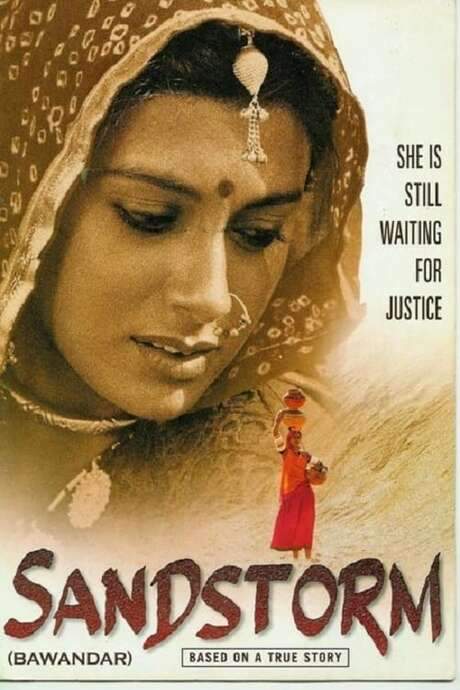
Defiant women taking brutal action against systemic oppression.If you liked Gulaab Gang's righteous fury against injustice, explore these intense dramas about women taking violent stands against systemic oppression. These movies share similar themes of female empowerment through extreme measures.












Narrative Summary
Stories typically follow a determined female leader who organizes a group to violently confront oppressors, escalating from small acts of defiance to major confrontations that challenge the entire power structure. The journey involves sacrifice, brutal retribution, and bittersweet victories.
Why These Movies?
Movies are grouped by their focus on violent female-led resistance against patriarchal systems. They share a tone of righteous fury, high emotional intensity, and the moral ambiguity of vigilante justice.
Community resistance dramas like Gulaab Gang
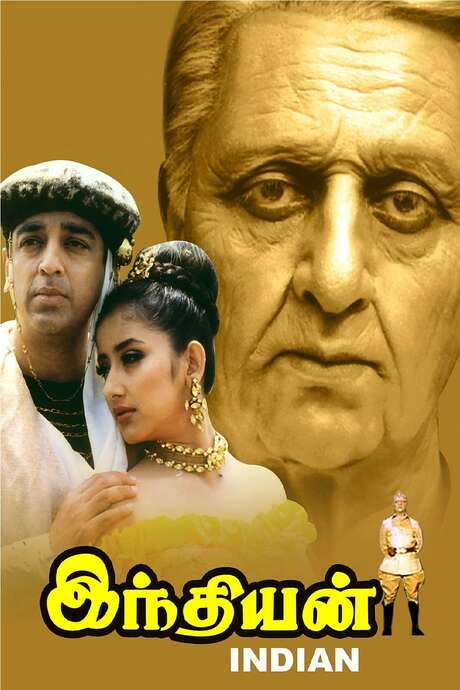
Oppressed communities banding together to fight corrupt systems.Movies similar to Gulaab Gang where oppressed communities unite against political corruption and injustice. If you liked the grassroots organizing aspect, these films showcase collective action against systemic oppression.











Narrative Summary
Narratives follow the formation and evolution of community resistance movements, typically starting with individual grievances escalating into organized collective action. Stories involve strategic confrontations, internal conflicts, and the high personal costs of challenging corruption.
Why These Movies?
These films share a focus on community organizing as a response to systemic injustice. They feature similar pacing with escalating confrontations, high stakes tension, and themes of solidarity against oppression.
Unlock the Full Story of Gulaab Gang
Don't stop at just watching - explore Gulaab Gang in full detail. From the complete plot summary and scene-by-scene timeline to character breakdowns, thematic analysis, and a deep dive into the ending - every page helps you truly understand what Gulaab Gang is all about. Plus, discover what's next after the movie.
Gulaab Gang Summary
Read a complete plot summary of Gulaab Gang, including all key story points, character arcs, and turning points. This in-depth recap is ideal for understanding the narrative structure or reviewing what happened in the movie.

Characters, Settings & Themes in Gulaab Gang
Discover the characters, locations, and core themes that shape Gulaab Gang. Get insights into symbolic elements, setting significance, and deeper narrative meaning - ideal for thematic analysis and movie breakdowns.


