
Gulaab Gang
Year: 2014
Runtime: 139 mins
Language: Hindi
Director: Soumik Sen
A fearless woman fights social injustice; creating a sanctuary for abused women and battling a crooked politician.
Warning: spoilers below!
Haven’t seen Gulaab Gang yet? This summary contains major spoilers. Bookmark the page, watch the movie, and come back for the full breakdown. If you're ready, scroll on and relive the story!
Timeline & Setting – Gulaab Gang (2014)
Explore the full timeline and setting of Gulaab Gang (2014). Follow every major event in chronological order and see how the environment shapes the story, characters, and dramatic tension.
Last updated: January 08, 2026 at 08:31
Main Characters – Gulaab Gang (2014)
Meet the key characters of Gulaab Gang (2014), with detailed profiles, motivations, and roles in the plot. Understand their emotional journeys and what they reveal about the film’s deeper themes.
Last updated: January 08, 2026 at 08:31
Major Themes – Gulaab Gang (2014)
Explore the central themes of Gulaab Gang (2014), from psychological, social, and emotional dimensions to philosophical messages. Understand what the film is really saying beneath the surface.
Last updated: January 08, 2026 at 08:31
Gulaab Gang (2014) Character & Theme Questions Answered – Info FAQ
Browse frequently asked questions about Gulaab Gang (2014) focused on characters, relationships, themes, symbols, setting, and story context. This movie info FAQ gives spoiler-aware explanations for character arcs, world details, and thematic interpretation so readers can better understand what the film is really about.
Where is Gulaab Gang set?
The film is set in the Bundelkhand region spanning Uttar Pradesh and Madhya Pradesh, with the story centering on the fictional village of Madhopur. This rural agrarian landscape provides the backdrop for the conflict between traditional gender norms and grassroots activism.
When does Gulaab Gang take place?
The film is set in early 2010s contemporary rural India, during a period when grassroots activism was actively confronting entrenched political power through direct action.
What does Gulaab Gang say about empowerment?
The film portrays empowerment through Rajjo building a movement that transforms women into a coordinated force. The Gulaab Gang provides protection and a voice for the vulnerable, teaching literacy and self-defense. Education and collective action are presented as paths to dignity, even when methods become forceful.
What is the film saying about justice vs vigilantism?
The gang pursues reform when official channels fail, raising questions about legality and morality. Their campaigns against abuse and corrupt officials blur the line between justice and vigilante action, inviting viewers to reflect on whether ends justify means in social change.
How does Gulaab Gang portray power and politics?
Sumitra Devi wields political machinery, money, and influence to consolidate control. The electoral struggle reveals how money and manipulation can tilt outcomes. The story contrasts grassroots energy with institutional politics, showing how power shapes communities, and how it can be resisted.
What role does education play in Gulaab Gang?
Rajjo's dream of a school for unprivileged girls anchors the entire narrative. The sanctuary evolves into a space of learning and self-reliance, linking education to empowerment. The ending underscores education as a durable legacy that outlives violent conflict.
Who is Rajjo and what motivates her?
Rajjo leads the Gulaab Gang in Madhopur, transforming a local movement into a force for protecting the vulnerable. Her childhood struggle against an education-opposing mother fuels her determination to promote girls' schooling and self-reliance. She runs a sanctuary teaching alphabets and trains girls to wield lathis, blending education with protest.
Who is Sumitra Devi in the film?
Sumitra Devi is a calculating politician who uses money, influence, and intimidation to achieve her aims. She leads a dominant local party and, as chief minister, wields power to suppress opponents. Her clashes with Rajjo and eventual arrest illustrate the film's critique of political corruption.
What is the Gulaab Gang?
The Gulaab Gang is a women's movement led by Rajjo in Madhopur village. It functions as both a sanctuary for abused women and a vigilante group that confronts patriarchal oppression and corrupt officials. The gang teaches literacy and self-defense while taking direct action against those who harm vulnerable women.
What is the tone and emotional impact of Gulaab Gang?
The film has a predominantly dark tone reflecting the harsh reality of the characters' struggles, with consistently high intensity due to its focus on severe social injustices and acts of vigilantism. However, it's undercut by hope centered on the dream of education. The ending is bittersweet, the antagonist is defeated and the school is built, but victory comes at the cost of lives and Rajjo's freedom.

Explore Movie Threads
Discover curated groups of movies connected by mood, themes, and story style. Browse collections built around emotion, atmosphere, and narrative focus to easily find films that match what you feel like watching right now.
Ruthless vigilante justice movies like Gulaab Gang
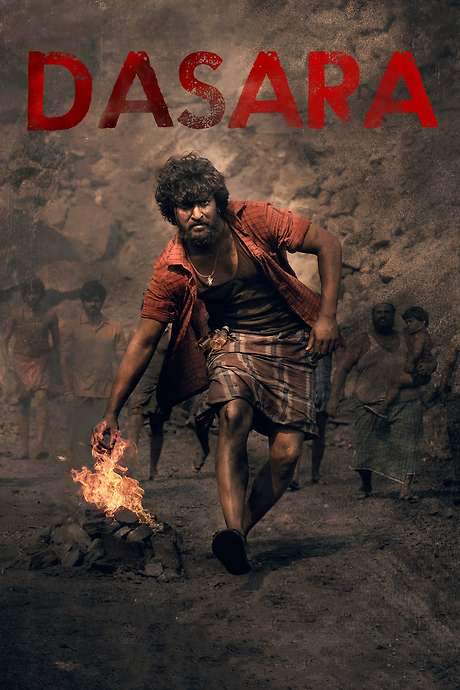
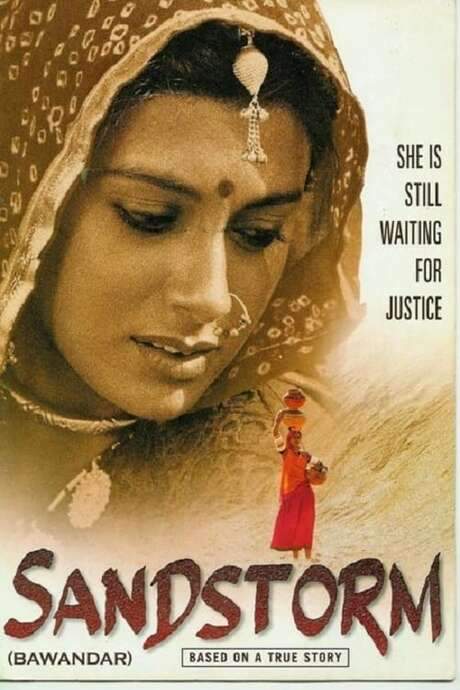
Defiant women taking brutal action against systemic oppression.If you liked Gulaab Gang's righteous fury against injustice, explore these intense dramas about women taking violent stands against systemic oppression. These movies share similar themes of female empowerment through extreme measures.











Narrative Summary
Stories typically follow a determined female leader who organizes a group to violently confront oppressors, escalating from small acts of defiance to major confrontations that challenge the entire power structure. The journey involves sacrifice, brutal retribution, and bittersweet victories.
Why These Movies?
Movies are grouped by their focus on violent female-led resistance against patriarchal systems. They share a tone of righteous fury, high emotional intensity, and the moral ambiguity of vigilante justice.
Community resistance dramas like Gulaab Gang
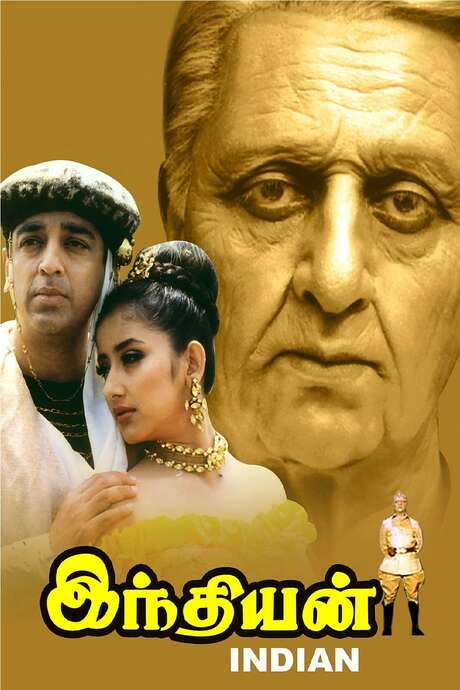
Oppressed communities banding together to fight corrupt systems.Movies similar to Gulaab Gang where oppressed communities unite against political corruption and injustice. If you liked the grassroots organizing aspect, these films showcase collective action against systemic oppression.











Narrative Summary
Narratives follow the formation and evolution of community resistance movements, typically starting with individual grievances escalating into organized collective action. Stories involve strategic confrontations, internal conflicts, and the high personal costs of challenging corruption.
Why These Movies?
These films share a focus on community organizing as a response to systemic injustice. They feature similar pacing with escalating confrontations, high stakes tension, and themes of solidarity against oppression.
Unlock the Full Story of Gulaab Gang
Don't stop at just watching - explore Gulaab Gang in full detail. From the complete plot summary and scene-by-scene timeline to character breakdowns, thematic analysis, and a deep dive into the ending - every page helps you truly understand what Gulaab Gang is all about. Plus, discover what's next after the movie.
Gulaab Gang Summary
Read a complete plot summary of Gulaab Gang, including all key story points, character arcs, and turning points. This in-depth recap is ideal for understanding the narrative structure or reviewing what happened in the movie.

Gulaab Gang Timeline
Track the full timeline of Gulaab Gang with every major event arranged chronologically. Perfect for decoding non-linear storytelling, flashbacks, or parallel narratives with a clear scene-by-scene breakdown.


What social issues does Gulaab Gang address?
The film highlights issues prevalent in rural India including domestic violence, dowry harassment, and limited access to electricity and education. It portrays the harsh reality of gender norms that shape daily decisions in agrarian communities, while showing women resisting these oppressive structures.