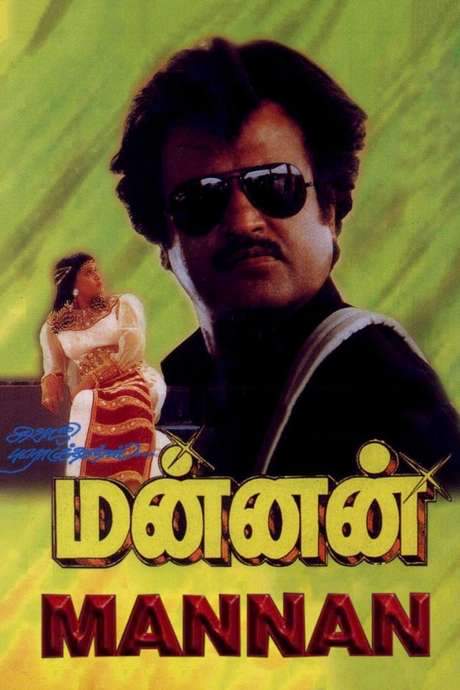
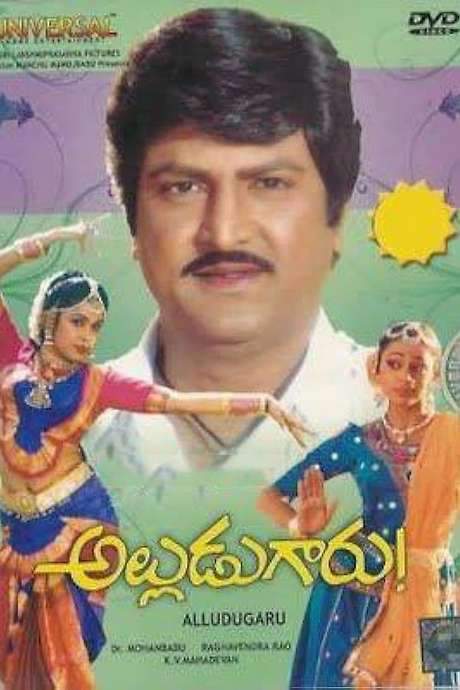
Raju Chiranjeevi is a well-meaning man in a Visakhapatnam shipyard, always ready to lend a hand to his co-workers and fix problems with a blend of grit and goodwill. When his mother suffers a paralytic stroke, he leaves the coast and returns to his Hyderabad home, setting out to secure steady work and support for his family. The story then widens to a corporate world swallowing personal loyalties as Uma Devi Nagma, the daughter of industrialist Bapineedu Rao Gopal Rao, takes the family business to new heights. Her ascent is marked by a sharp, independent streak that helps drive the company forward, but also rubs people the wrong way, challenging old-school authority and testing loyalties all around.
In this high-stakes landscape, Uma Devi refuses a marriage proposal from Ranganayakulu Kaikala Satyanarayana and publicly humiliates the father-and-son duo when they come calling at her door. The insult fuels a dangerous plan: goons are sent to silence Uma Devi and retaliate for the perceived slight. Fate intervenes when Bapineedu, the industrialist and Uma Devi’s father, arrives in the wrong car instead of Uma Devi, and is rescued by Raju. This moment kicks off an unexpected alliance as Raju asks for a job, and Bapineedu sees not just opportunity but a spark of integrity in the humble worker.
With his natural leadership and a keen sense of fairness, Raju quickly wins over the shipyard’s workforce, turning dissent into loyalty and subduing the high-handed tactics that sometimes shadow Uma Devi’s management. The dynamic between them becomes charged as Raju’s presence introduces a counterpoint to Uma Devi’s ambitious drive. She finds herself drawn to him, and the two begin to clash and connect in a push-pull dance that keeps the workplace atmosphere tense yet lively. It isn’t long before Uma Devi proposes marriage as a way to keep his interference at bay, and she uses emotional appeals to nudge Raju toward the alliance she envisions. The negotiations touch a sensitive chord—Raju’s mother is used as leverage, and he reluctantly agrees to marry Uma Devi, bound by duty even as affection begins to form.
Yet even after their marriage, Raju does not steady the ship by simply harmonizing with Uma Devi; he continues to challenge her approach and doctrine, insisting that leadership must be tempered by humility and responsibility. This ongoing tension lays the groundwork for a broader examination of power, pride, and partnership within the business and the family. Bhavani [Vani Viswanath], Uma Devi’s secretary and a close confidante of Raju, adds another layer to the plot. Her presence stirs jealousy and creates a triangle of loyalties at the heart of the company, complicating decisions and fueling interpersonal drama that keeps the narrative moving. The workplace becomes a stage where affection, rivalry, and duty collide, each interaction shaping the evolving bond between the couple as they navigate personal differences and external pressures.
Meanwhile, the scheming escalates as Ranganayakulu, aided by Uma Devi’s manager Sarangapani, devises fresh plots to sabotage the factory’s progress. The attempted machinations threaten the business’s stability and test the couple’s resolve in ways that pure romance could never. It’s a contest of clever minds and steadfast hearts, where each setback invites another round of problem-solving, resilience, and improvised leadership. The film threads together moments of humor, family warmth, and dramatic confrontation, using the shipyard’s grit and the company’s boardroom as a shared arena for growth and testing loyalties.
As the story unfolds, Raju’s steady moral center becomes a counterbalance to Uma Devi’s ambitious vision. He teaches through action as much as argument, guiding the workforce through challenges, defending their dignity, and pushing for a culture where success does not come at the expense of humility. Uma Devi’s evolution mirrors the arc of the enterprise: what begins as a rapid ascent fueled by forceful drive gradually embraces steadier, more humane leadership. The two learn to balance each other—Raju’s pragmatism with Uma Devi’s drive—so that the factory can thrive while keeping its people grounded.
In the final acts, the rings of conflict tighten but ultimately yield to collaboration. Ranganayakulu’s plots are met with strategic countermeasures, and the couple’s relationship deepens from mutual convenience to shared purpose. The film culminates in a resolve that highlights the power of teamwork, respectful leadership, and learning to humble one’s self in the face of responsibility. The characters—Raju, Uma Devi, the factory workers, and the schemers—each contribute to a narrative about integrity, perseverance, and the journey from pride to partnership, with a hopeful note on how ambition can be guided by empathy and how true leadership is measured not by domination, but by the ability to lift others up.