Plot Explained Spoilers guaranteed!
Plot Explained

Browse by genre

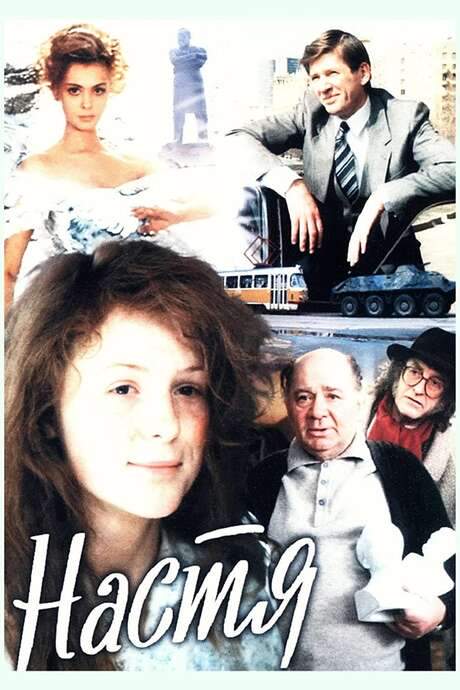
Office Romance (1977) movie poster

Plot Summary

Office Romance (1977) Plot Summary Explained

Release, runtime and language
1977 · 159 mins · Russian
Starring
Liya Akhedzhakova, Ekaterina Voronina, Inna Vykhodtseva, Lyudmila Ivanova, Svetlana Nemolyaeva, Alisa Freyndlikh

Anatoly Novoseltsev, a shy single father and clumsy clerk at a Moscow statistics bureau, hopes a promotion will come if he can win over his stern, seemingly heartless boss, Ludmila Kalugina—known as “Meany” by staff. With the encouragement of coworkers Olya and Yura, his awkward attempts to soften her attitude unexpectedly uncover a hidden, vulnerable side of Kalugina even she has not recognized.

On this page (6)
  1. 1 What happens: full plot
  2. 2 Plot questions answered
  3. 3 Movie threads
  4. 4 Movies like Office Romance
  5. 5 Categories
  6. 6 Every angle

Full plot summary · contains spoilers

What Happens in Office Romance: Full Plot Summary

The whole story of Office Romance (1977) explained, from the opening scene to the final frame: every key event, every twist and what it all adds up to. Read it as a quick recap before the sequel, to check a scene you missed, or to finally understand what really happened.

Anatoly Yefremovich Novoseltsev is a kindhearted, slightly clumsy single father of two who works at a Moscow statistical bureau in 1976. The team is led by the diligent and stern Ludmila Prokofievna Kalugina, a woman in her late 30s whose subordinates jokingly call her наша мымра—the “our frump.” Novoseltsev dreams of a promotion and a raise, but his shyness keeps him from voicing his ambitions. He sponsors his efforts with the encouragement of his close circle, especially Olga Ryzhova, a married former classmate whose husband is recuperating far from Moscow and whose teenage son is an athlete. Olga’s warmth and steady presence become a quiet counterpoint to Kalugina’s demanding, precision-driven world.

A pivotal moment arrives when a former classmate and friend, Yuri Grigoryevich Samokhvalov, recently back in Moscow from Switzerland, suggests nominating Novoseltsev for a leadership position in the light industry department. The idea is rejected, and in a moment of nerves and bravado, Novoseltsev attends a party at Samokhvalov’s apartment to try to charm Kalugina. But his attempts land with a thud, and in a drunken outburst he bluntly brands Kalugina as “dry, inhuman and heartless,” a line he immediately regrets.

The next morning, Novoseltsev seeks out Kalugina to apologize. Instead of anger, she is moved to tears by the sincere conversation that follows. The two begin to open up to one another, and Kalugina gradually lets down her armor. She starts paying more attention to her appearance, and her colleagues notice a shift in her demeanor. What begins as a wary, professional distance slowly tilts toward something warmer and more personal.

Their evolving relationship provides the film with a steady stream of comic exchanges—between a boss who becomes more human and a subordinate who finally lets himself be seen. At the same time, a complicated romantic thread unfolds between Olga Ryzhova and Yuri Samokhvalov. Olga’s feelings are rekindled by Samokhvalov’s arrival, but he treats her as a longtime friend and colleague. Olga begins writing him love letters, which she entrusts to Vera “Verochka,” the sharp and efficient secretary of the Frump, who has a knack for gathering information and sharing gossip. Verochka reads the letters and, predictably, disperses them through the office, setting off a chain of reactions that lands in the hands of Shura, the bureau’s union activist and busybody.

When Samokhvalov asks Shura to “sort out the problem,” Kalugina confiscates the letters as a way to address the situation privately. Her firm reprimand of Samokhvalov’s tactlessness complicates his relationship with Olga, who feels betrayed and humiliated. Olga, now hurt, returns to her routine, while Novoseltsev, angered by Samokhvalov’s handling of the situation, confronts both him and Shura.

The confrontation with Samokhvalov reaches its peak when Kalugina, after learning more about the dynamic between the two, is stunned by the underlying motives behind the promotion and the messy social fallout. She decides to appoint Novoseltsev as head of the light industry department—an offer he initially seems to welcome but ultimately rejects, choosing instead to resign. Kalugina refuses to let him go easily and denies his resignation, sparking a heated exchange that erupts into a literal, chaotic chase through the office.

In a dramatic turn, the two end up on the back seat of Kalugina’s official car, where, after a tense moment of confrontation, they comfort and embrace one another. The film closes with a hopeful, if humorous, implication about the future: a subtitle hints that nine months later there will be three new boys in Novoseltsev’s family, signaling a fresh chapter for the couple.

The story weaves between workplace rituals, late-night confidences, and the unpredictable currents of shared desire, balancing wit and warmth with moments of vulnerability. It paints a portrait of two flawed yet endearing people who grow into a partnership shaped by mutual respect, humor, and a willingness to see past the roles they’ve been assigned.

Last updated: October 07, 2025 at 08:57

Was this helpful?

Plot questions answered

Office Romance Plot Explained: Your Questions Answered

The questions people ask most about Office Romance (1977): what happens in the confusing scenes, why the characters do what they do, the twists, hidden details and what the ending means. Each answer contains spoilers.

Q1

Why did Novoseltsev call Kalugina "dry and heartless" at the party?

During the party, Novoseltsev was nervous and had been drinking. When his attempts to flirt with Kalugina failed awkwardly, he blurted out in a drunken outburst that she was "dry, inhuman and heartless", a comment he immediately regretted. This wasn't a planned insult but rather a moment of bravado mixed with liquid courage that exposed his frustration with her cold demeanor.

  • party scene
  • drunken outburst
  • insult
  • Kalugina
Q2

Why did Kalugina cry when Novoseltsev apologized the next morning?

Kalugina's tears revealed that she was aware of how her subordinates perceived her, they called her "our frump" behind her back. Her stern, demanding exterior hid deep loneliness and vulnerability. When Novoseltsev's sincere apology showed genuine care, it broke through her armor and she broke down, allowing herself to be seen as a person rather than just a boss.

  • tears
  • vulnerability
  • loneliness
  • emotional breakthrough
Q3

Why did Kalugina start taking better care of her appearance?

After her heart-to-heart with Novoseltsev, Kalugina began opening up emotionally. As her defenses came down and she developed genuine feelings for him, she started paying more attention to her looks, a clear sign of her transformation from the feared "Frump" to a more approachable, feminine woman who wanted to be noticed by the man she was growing to love.

  • transformation
  • appearance
  • romance
  • Kalugina
Q4

Why did Samokhvalov tell Kalugina about Novoseltsev's original plan to use her for a promotion?

When Shura asked Samokhvalov to "sort out the problem" regarding the leaked love letters, Samokhvalov disclosed that Novoseltsev had initially pursued Kalugina to secure the promotion, essentially framing it as a manipulation. Whether this was intentional revenge for the confrontation or his clumsy way of addressing the situation, it deeply hurt Kalugina by making her doubt the authenticity of Novoseltsev's feelings.

Foreshadowing: Samokhvalov had originally nominated Novoseltsev for the position, so he knew about the initial plan.

  • ulterior motive
  • promotion
  • Samokhvalov
  • betrayal
Q5

Why did Kalugina promote Novoseltsev to head of light industry and then announce she was ending their relationship?

When Kalugina learned that Novoseltsev originally wanted to use her for career advancement, she felt betrayed and hurt. She promoted him anyway, perhaps to prove a point or to test whether his feelings were genuine, and simultaneously ended their romantic relationship sarcastically, suggesting she saw through his supposed "path to promotion." It was a double-edged decision mixing hurt pride with professional acknowledgment.

  • promotion
  • rejection
  • hurt
  • breakup
Q6

Why did Novoseltsev reject the promotion after Kalugina offered it?

Although Novoseltsev had dreamed of the promotion and raise, he ultimately chose integrity over career gain. By then, his feelings for Kalugina had become genuine, he truly respected her as a leader and had fallen in love with her. Accepting the promotion under these circumstances would have felt like confirming her suspicion that he was using her, so he tendered his resignation instead.

  • resignation
  • integrity
  • love
  • choice
Q7

Why did Novoseltsev and Kalugina end up embracing in her service car after their fight?

After their heated argument that spilled into the street and escalated into a chase, both were exhausted and emotionally raw. When they found themselves alone in the back seat of her car, the tension broke, the anger gave way to the genuine love and attraction they had developed. Their confrontation revealed how much they meant to each other, leading to a tender embrace instead of further conflict.

  • reconciliation
  • embrace
  • car scene
  • emotional climax
Q8

What happened to Olga Ryzhova's love letters to Samokhvalov?

Olga wrote love letters to Samokhvalov after rekindling feelings for him. She entrusted them to Vera, Kalugina's secretary, who was known for gossiping. Vera read and spread the letters through the office, causing widespread gossip. When Samokhvalov asked Shura to handle it, Kalugina intervened and reprimanded Samokhvalov for his tactlessness, keeping the matter private, but the damage to Olga's reputation was already done.

  • love letters
  • Olga
  • Vera
  • gossip
  • office rumors
Q9

Why did Kalugina confiscate the love letters instead of letting the union handle them?

Kalugina, as bureau head, intervened to handle the matter privately rather than letting it become a public scandal. She reprimanded Samokhvalov for his tactless handling of the situation and insisted the affair remain confidential between him and Olga. This showed her leadership style, firm but wanting to protect people's dignity, even in messy situations.

  • confiscation
  • Kalugina
  • leadership
  • privacy
Q10

Why did Novoseltsev confront Samokhvalov and Shura about the gossip?

Novoseltsev was angry that Samokhvalov and Shura had spread the gossip about Olga's letters, causing her humiliation and emotional pain. His confrontation showed his character, he stood up for his friend Olga and was willing to risk his own position to defend others, reflecting the kindhearted nature that made Kalugina fall for him.

  • confrontation
  • defense
  • Olga
  • Novoseltsev character
Q11

Why was Novoseltsev too shy to ask for a promotion himself?

Despite working hard and dreaming of advancement, Novoseltsev was inherently timid and lacked confidence in voicing his ambitions directly to his boss. His shyness defined his character throughout the film and necessitated external encouragement from friends like Olga and Samokhvalov to pursue opportunities. This trait also made his eventual confrontation with Kalugina more meaningful, his growth in confidence paralleled his emotional development.

  • shyness
  • promotion
  • ambition
  • character
Q12

What does the ending subtitle about "three new boys" mean?

The closing subtitle reveals that nine months later, there will be three new boys in Novoseltsev's family. Since he already has two sons, the implication is that Kalugina is pregnant with triplets (or the family is expanding in some way). This humorous, hopeful note suggests their relationship has led to a new chapter and a larger, chaotic but joyful family life together.

  • epilogue
  • triplets
  • family
  • ending
  • happy

Movie threads

More Movies Like Office Romance, by Mood & Story

Curated lists built around what makes Office Romance tick: the same mood, the same kind of story or the same emotional payoff. Each list explains why these movies belong together.

Workplace Romances like Office Romance

Charming comedies where love blossoms unexpectedly among colleagues. If you enjoyed the charming office dynamic in Office Romance, you'll love these other movies where professional relationships turn unexpectedly personal. Discover similar witty and hopeful stories about finding love among coworkers, filled with gentle humor and personal transformation.

  • witty
  • charming
  • hopeful
  • gentle
  • humorous
  • romantic
  • Tone: light, witty, warm
  • Pacing: steady, character-driven
Why these movies?

The story pattern: These narratives typically begin with a clear professional hierarchy or initial dislike between colleagues. Through a series of often-humorous interactions, shared challenges, or a pivotal moment of vulnerability, the characters see each other in a new light, leading to a romance that must navigate the complexities of their shared workplace.

Why they belong together: Movies are grouped here for their shared focus on the unique blend of professional and personal lives. They share a light, witty tone, a steady pacing that allows the relationship to develop naturally, and a central theme of discovering romance in the most expected of places—the office.

Movies about personal transformation like Office Romance

Stories where a unexpected connection helps a guarded character bloom. Fans of Office Romance who loved seeing Lyudmila Kalugina's hidden softness revealed will appreciate these similar stories of personal awakening. Explore more films about stoic characters who undergo a gentle, humorous transformation through an unexpected connection, leading to a happy new beginning.

  • heartwarming
  • hopeful
  • charming
  • gentle
  • character-driven
  • uplifting
  • Tone: warm, hopeful, charming
  • Pacing: steady, observational
Why these movies?

The story pattern: The narrative pattern involves a protagonist who lives by a strict, perhaps joyless, routine or persona. The arrival of a new influence—often clumsy, sincere, or persistently kind—creates cracks in their armor. Through a series of comedic and tender moments, the protagonist rediscovers their capacity for joy, love, or vulnerability, leading to significant personal growth.

Why they belong together: These films are united by their focus on a specific character arc: the thawing of a seemingly cold exterior. They share a gentle, hopeful mood, a moderate complexity centered on internal change, and a core belief in the transformative power of human connection, often conveyed with charm and humor.

If you liked this

Movies Like Office Romance

Similar movies to Office Romance: the same genre, themes or kind of story. Each one comes with its own plot summary, timeline and ending explained.

Browse all movie summaries

Categories

Movie Lists Featuring Office Romance

Office Romance appears in these hand-built movie categories. Each one groups movies by a specific mood, theme or story type, with their plot summaries and endings explained.

View all movie categories

Every angle

Office Romance (1977) Explained: Plot, Timeline & Characters

Everything about Office Romance in one place: what happens in the plot summary, the timeline in chronological order, the characters and meaning and a spoiler-free summary. What's After the Movie adds the cast, box office and post-credit scenes.

Coming soon on iOS and Android

The Plot Explained Movie Summary App

Plot summaries, endings explained and timelines on your phone. Catch up on any movie in minutes, save your favorites and never miss a twist again.

Be the first to know when we launch. Your email stays private, always.

Learn more about the app