Plot Explained Spoilers guaranteed!
Plot Explained

Browse by genre

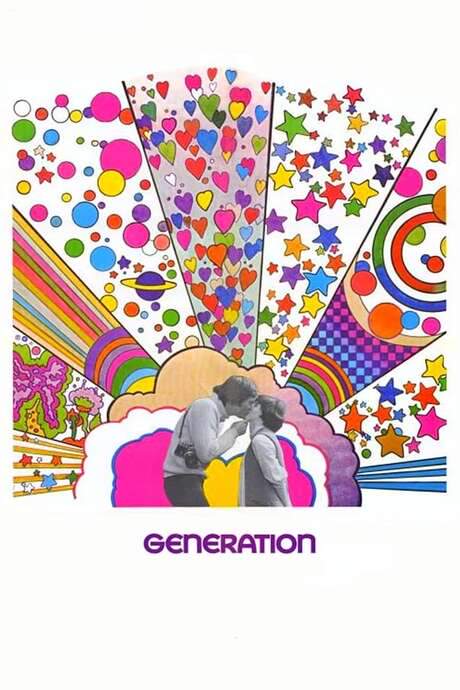
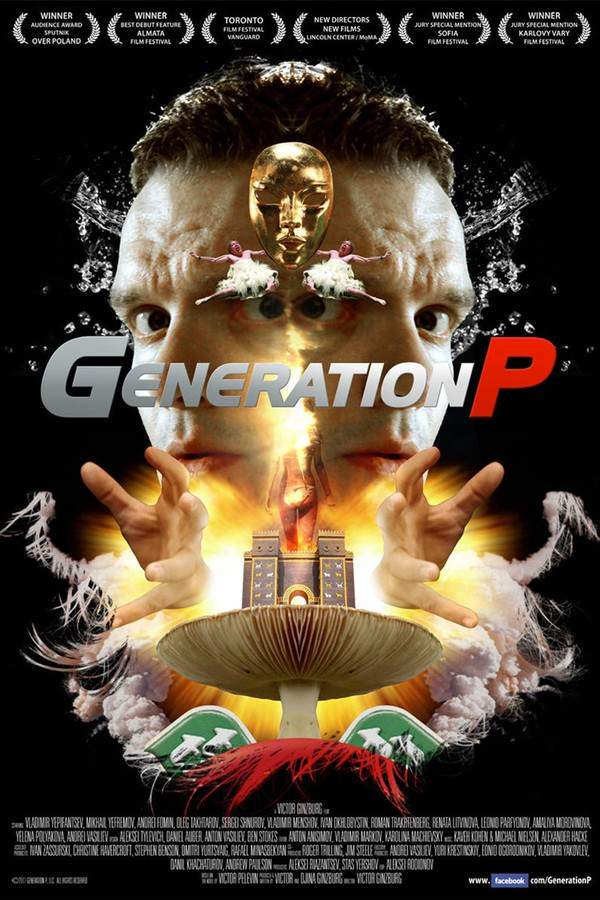
Generation P (2012) movie poster

Characters & Themes

Generation P (2012) Characters, Setting & Themes Explained

Release, runtime and language
2012 · Russian
Loading streaming availability…
Directed by
Victor Ginzburg

A darkly comedic and tragic fantasy, the film follows a poet’s unexpected rise through Russia’s burgeoning advertising industry during the chaotic Moscow of the 1990s. Set against the backdrop of emerging globalized crime, it explores ambition, disillusionment, and the unpredictable nature of a new era.

On this page (8)
  1. 1 Where to watch
  2. 2 Characters explained (1)
  3. 3 Where & when it takes place
  4. 4 Themes & meaning (3)
  5. 5 Character & meaning questions
  6. 6 Movie threads
  7. 7 Movies like Generation P
  8. 8 Every angle
Loading streaming availability…

1 main characters · contains spoilers

Generation P Characters Explained: Who Is Who

The main characters of Generation P (2012), heroes and villains: what drives them, how they change over the course of the story and what each of them reveals about the film's bigger ideas.

  • Babylen Tatarsky

    Babylen Tatarsky is a graduate student and poet who becomes a copywriter amid the chaos of post-Soviet Moscow. His character embodies the struggle to find meaning in a society overwhelmed by materialism and superficiality, often resorting to escapism through drugs and mystical practices. Tatarsky's journey reflects his quest for clarity and truth in a landscape where reality blurs with illusion.

    • ✍️ Poet
    • 📺 Advertiser
    • 🤔 Seeker

Last updated: March 08, 2025 at 15:50

Was this helpful?

Setting

Where and When Does Generation P Take Place?

The setting of Generation P (2012): the year and time period, the places and locations, and how they shape the characters, the mood and the tension of the story.

Time period

early 1990s

The early 1990s in Russia were characterized by a tumultuous upheaval following the dissolution of the Soviet Union. This period saw rapid political and economic changes, resulting in widespread uncertainty and a search for identity among the populace. The era was notably marked by rampant consumerism and a shift towards materialism, which deeply influenced individual and collective consciousness.

Location

Moscow

Moscow, the capital city of Russia, is a vibrant metropolis known for its rich history and cultural significance. During the Yeltsin years in the early 1990s, it was a bustling hub of change, marked by the transition from communism to a market economy. The city's landscape captured the chaos and corruption of the time, providing a backdrop for the protagonist's transformative journey.

  • 🏙️ City
  • 🌍 Russia

Last updated: March 08, 2025 at 15:50

Was this helpful?

3 major themes

Generation P Meaning: Themes & Message Explained

What is Generation P (2012) really about? The emotional, social and philosophical themes the film keeps returning to, its symbolism and the message beneath the surface.

  • Identity

    The search for identity is a central theme in 'Generation P,' as the protagonist grapples with the implications of a rapidly changing society. This exploration is heightened by the contrast between personal aspiration and the influence of external forces like media and advertising. The quest for meaning amid chaos reflects a broader commentary on self-identity in the post-Soviet landscape.

  • Consumerism

    Consumerism underpins the narrative of 'Generation P,' highlighting how the newfound freedom in post-Soviet Russia led to an overwhelming focus on material possessions. The protagonist's journey into the world of advertising sheds light on how these values shape societal interactions and beliefs. This theme critiques the illusion of choice in a commercialized culture driven by profit and superficiality.

  • Illusion vs Reality

    The dichotomy of illusion versus reality emerges as a significant theme, as the protagonist strives to uncover deeper truths in a world dominated by fabricated images. The transition from seeking authentic experiences to becoming a product of the very system he critiques illustrates the pervasive nature of deception in society. The conclusion raises questions about the nature of existence in a media-saturated environment.

Last updated: March 08, 2025 at 15:50

Was this helpful?

Character & theme questions

Generation P Characters & Meaning: Your Questions Answered

The questions people ask about Generation P (2012): who the characters really are, their relationships, what the symbols mean, where it takes place and what the movie is really about. Each answer contains spoilers.

Q1

Where is the film set?

The film is set in Moscow during the early 1990s, specifically during the Yeltsin years following the collapse of the Soviet Union. This period marked a dramatic transition from communism to a market economy, creating a landscape of chaos, corruption, and rapid change.

  • moscow
  • 1990s
  • russia
  • setting
  • post-soviet
Q2

What time period does the film depict?

The film depicts the early 1990s in Russia, a tumultuous era following the dissolution of the Soviet Union. This period was characterized by rapid political and economic changes, widespread uncertainty, and a collective search for new identity amidst the rise of consumerism and materialism.

  • early 1990s
  • soviet union
  • russia
  • historical period
  • yeltsin era
Q3

Who is Babylen Tatarsky?

Babylen Tatarsky is the protagonist, a graduate student and poet who transitions into a copywriter amid the chaos of post-Soviet Moscow. His character embodies the struggle to find meaning in a society overwhelmed by materialism and superficiality, often resorting to drugs and mystical practices in his search for truth.

  • babylen tatarsky
  • protagonist
  • poet
  • copywriter
  • main character
Q4

How does the film explore identity?

The search for identity is a central theme, as Tatarsky grapples with the implications of a rapidly changing society. This exploration is heightened by the contrast between personal aspiration and the overwhelming influence of media and advertising, reflecting a broader commentary on self-identity in the post-Soviet landscape.

  • identity
  • post-soviet
  • self-discovery
  • society
  • personal meaning
Q5

What does the film say about consumerism?

Consumerism underpins the narrative, highlighting how post-Soviet Russia's newfound freedom led to an overwhelming focus on material possessions. Tatarsky's journey into advertising reveals how these values shape societal interactions and beliefs, critiquing the illusion of choice in a commercialized culture driven by profit and superficiality.

  • consumerism
  • advertising
  • materialism
  • capitalism
  • commercial culture
Q6

How does the film handle illusion versus reality?

The dichotomy of illusion versus reality emerges as the protagonist strives to uncover deeper truths in a world dominated by fabricated images. His transition from seeking authentic experiences to becoming a product of the very system he critiques illustrates the pervasive nature of deception in modern society.

  • illusion
  • reality
  • deception
  • media
  • perception
  • authenticity
Q7

What is Moscow like in the film?

Moscow is depicted as a vibrant yet chaotic metropolis capturing the corruption and transformation of the era. The city's landscape serves as both a backdrop and commentary on the rapid changes sweeping through Russia, providing an urban environment where traditional culture collides with emerging globalized influences.

  • moscow
  • urban setting
  • city
  • transformation
  • corruption
Q8

What is Tatarsky's journey from poet to copywriter about?

Tatarsky's transformation from poet to advertising copywriter represents the broader cultural shift in post-Soviet Russia. His journey reflects the tension between artistic authenticity and commercial survival, ultimately showing how the quest for meaning amid chaos can lead to becoming part of the very system that undermines genuine self-expression.

  • poet
  • copywriter
  • advertising
  • career
  • transformation
  • art vs commerce
Q9

What does the film say about post-Soviet Russia?

The film presents a darkly comedic yet tragic commentary on post-Soviet Russia, exploring how the transition from communism to capitalism created widespread disillusionment. It examines the hollowness of newfound freedom when replaced by materialistic values and the manipulation of public consciousness through advertising and media.

  • post-soviet
  • russia
  • disillusionment
  • capitalism
  • society
  • cultural shift

Movie threads

More Movies Like Generation P, by Mood & Story

Curated lists built around what makes Generation P tick: the same mood, the same kind of story or the same emotional payoff. Each list explains why these movies belong together.

Surreal corporate satires like Generation P

Biting satires where ambition becomes a hallucinatory nightmare within corporate systems. Discover movies like Generation P that use dark comedy and surrealism to critique consumerism and corporate power. If you enjoyed the hallucinatory journey through the advertising world of post-Soviet Russia, you'll find similar themes of ambition, manipulation, and disillusionment in these stories.

  • satirical
  • surreal
  • disorienting
  • cynical
  • hallucinatory
  • oppressive
  • Tone: dark, cynical, satirical
  • Pacing: variable, with surreal bursts
Why these movies?

The story pattern: The narrative follows a protagonist who enters a seemingly powerful industry, only to discover its foundations are built on illusion and corruption. Their initial ambition is warped as they ascend, leading to a psychological unraveling that forces them to confront the hollow nature of the system they serve, often culminating in a bittersweet or tragic realization.

Why they belong together: Movies in this thread share a specific blend of dark satire, surreal visual language, and a thematic focus on the corrosive effects of consumer culture and corporate manipulation. They create a disorienting, intellectually challenging experience that is both cynical and visually inventive.

Movies about psychological unraveling like Generation P

Character-driven journeys where perception fractures under extreme pressure. Explore films featuring protagonists who undergo a psychological collapse, similar to the journey in Generation P. If you were fascinated by the poet's drug-fueled descent and manipulation within a chaotic new era, these movies offer other intense character studies about the loss of self and reality.

  • disorienting
  • hallucinatory
  • melancholic
  • oppressive
  • psychological
  • tragic
  • Tone: dark, melancholic, disorienting
  • Pacing: variable, psychological
Why these movies?

The story pattern: The plot is a character study where the protagonist's internal world is the primary battleground. They start with a clear identity or goal, but external forces and their own choices lead to a fragmentation of their psyche. The narrative structure often becomes increasingly nonlinear or surreal to mirror their mental state, building towards an ending that is intellectually provocative but emotionally heavy.

Why they belong together: These films are grouped by their intense focus on a central character's mental and emotional breakdown. They share a high intensity, heavy emotional weight, and often use complex, disorienting storytelling techniques to put the audience directly into the protagonist's deteriorating perspective.

If you liked this

Movies Like Generation P

Similar movies to Generation P: the same genre, themes or kind of story. Each one comes with its own plot summary, timeline and ending explained.

Browse all movie summaries

Every angle

Generation P (2012) Explained: Plot, Timeline & Characters

Everything about Generation P in one place: what happens in the plot summary, the timeline in chronological order, the characters and meaning and a spoiler-free summary. What's After the Movie adds the cast, box office and post-credit scenes.

Coming soon on iOS and Android

The Plot Explained Movie Summary App

Plot summaries, endings explained and timelines on your phone. Catch up on any movie in minutes, save your favorites and never miss a twist again.

Be the first to know when we launch. Your email stays private, always.

Learn more about the app