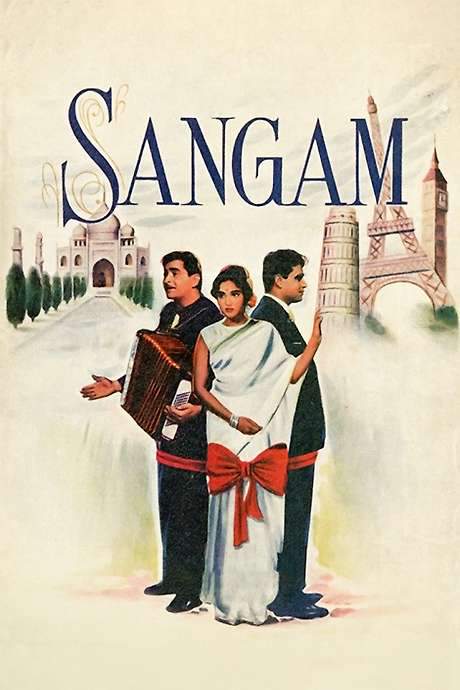
In a world where the reverence of ancient rivers seeps into everyday lives, three young people carry the names of those holy waters—Ganga, Jamuna and Saraswathi. Their bond is as fluid and destined as the eternal confluence known as the Sangam, a promise of unity that feels both inevitable and fragile against the backdrop of bustling towns and quiet riverbanks. The film’s tone blends sweeping romance with a lingering sense of inevitable tension, painting the landscape with hues of devotion, longing, and the ever‑present ripple of fate.
Ganga is a man hardened by duty yet softened by an unspoken pledge to protect those he loves. Jamuna arrives like a sudden storm, her spirit fierce and her heart yearning for safety and belonging. Saraswathi stands as the quiet anchor, her loyalty anchored in deep, quiet devotion. Together they navigate a tapestry of affection that feels as natural and unstoppable as the waters that share their names, each step hinting at a larger story of love seeking its own sacred merger.
The delicate harmony is tested by Hansraj, a calculating presence whose ambitions cast long shadows over the trio’s aspirations. His interference creates fissures that threaten to pull the rivers apart, while Shanker, a soulful singer, offers Jamuna shelter and reveals a different kind of affection. Meanwhile, Saraswathi’s steadfastness becomes a beacon for Ganga, suggesting that love can endure even when the currents grow turbulent. The interplay of these relationships is charged with emotional depth, evoking a classic melodrama where personal vows clash with external pressures.
Against this richly textured setting, the narrative promises a journey through heart‑ache, hope, and the relentless pursuit of a united destiny. The film’s mood is one of lyrical intensity, where music, memory, and the symbolism of flowing rivers interlace, urging the characters—and the audience—to wonder whether true unity can ever be more than a dream whispered along the banks of destiny.