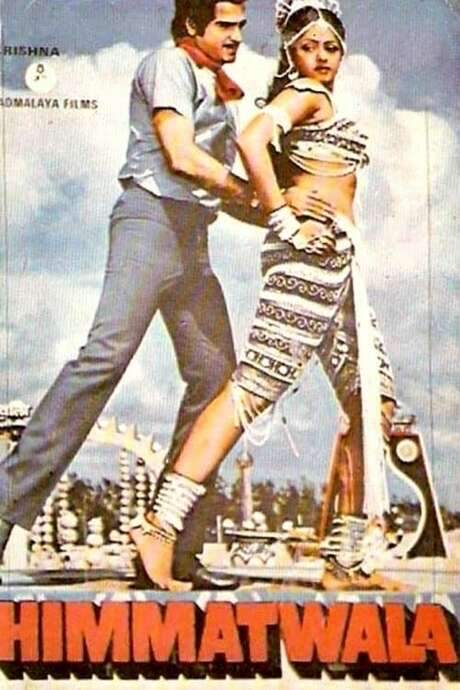
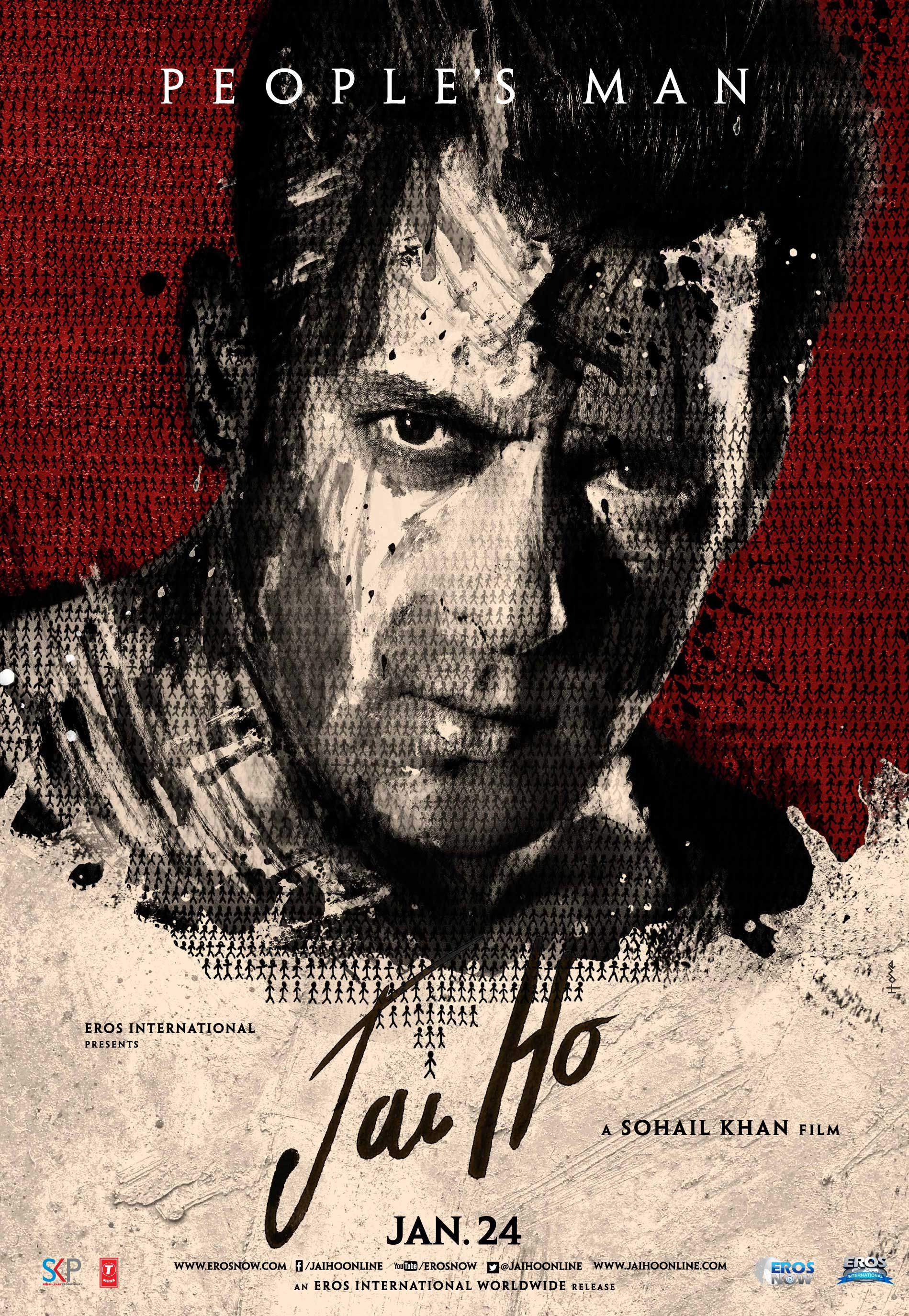
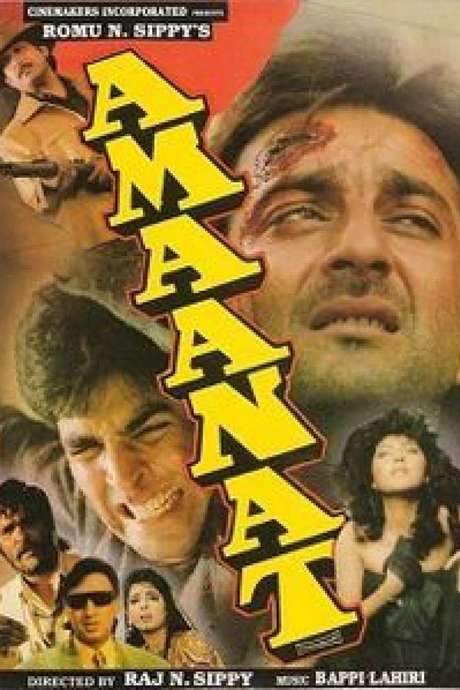
Dharam Murti is a respected village figure who finds himself at the center of a corrosive chain of events after witnessing the murder of a man by the formidable local power, Sher Singh Bandookwala. Bandookwala’s wealth and influence help him dodge accountability, and his growing thirst for vengeance targets Murti. To ruin Murti’s life completely, Bandookwala makes a brutal, false accusation that Murti assaulted a young teacher named Menaka, a charge that shakes the community to its core. The stigma attached to Murti forces him to abandon his wife and children, a decision driven by fear that they will also bear the taint of his supposed crime.
In the wake of Murti’s disappearance, his wife, Savitri, carries the heavy burden of keeping the family together. She pours every ounce of strength into supporting their son, Ravi, who dreams of becoming an engineer. Years pass, and Ravi returns to the village not as a student, but as the chief engineer for a new dam project that is set to transform the area. His return brings hope, but it also draws Bandookwala’s ire, who continues to terrorize the villagers with a mix of intimidation and manipulation.
Bandookwala’s influence extends through his household as well. His daughter, Rekha, mirrors her father’s cruelty, while Murti’s family learns just how far the filth of the accusation has spread. Murti’s son, Padma (Ravi’s sister), becomes entangled with Shakti—Munimji’s son—in a situation that results in an unwanted pregnancy. This development serves Bandookwala’s plan to trap Ravi in a web of dishonor and strife, using family ties to tighten his grip on the village.
As the plot unfolds, Bandookwala arranges a political and social snag: he persuades Shakti to marry Padma, forcing the new couple into a difficult and painful dynamic. Meanwhile, Rekha, who has begun to see through her father’s cruelty, discovers in Ravi a rare blend of honesty and steadfast goodness. Her growing affection for Ravi gives her courage to resist the patterns of harm she has been taught to imitate.
In a pivotal turn, Rekha pretends to be pregnant in order to draw Bandookwala into a situation mirroring the shame Ravi faced years earlier. This subterfuge exposes the elder Bandookwala’s cruelty and creates a moment of reckoning. Ravi, who has never given up on the truth, finds his father—surreptitiously working among the dam’s laborers—and brings him back to confront the village panchayat with a demand for clarity and justice.
The village council holds Bandookwala accountable for his misdeeds, but Dharam Murti rises above vengeance. He asks the community to choose forgiveness, conditional on Bandookwala’s genuine transformation. The plea for mercy is coupled with a chance for real change, a path that Bandookwala reluctantly vows to walk. In the end, Bandookwala commits to reform, and Rekha’s union with Ravi is celebrated as a new chapter for their families.
This story blends personal ruin with social redemption, showing how a community can heal when truth is faced with humility. The dam project looms as a symbol of progress that arrives only after a long, painful reckoning, and the film elevates themes of forgiveness, responsibility, and the enduring power of integrity to guide a village toward a more hopeful future.