Year: 1960
Runtime: 181 mins
Language: Hindi
Director: Radhu Karmakar
Raju, torn between his love for the village chief’s daughter and his sense of duty, tips off the police about a notorious bandit clan. When the authorities move in to eradicate the outlaws, Raju races against time to shield the bandits and preserve his romance, caught in a dangerous gamble between law and loyalty.
Warning: spoilers below!
Haven’t seen Jis Desh Mein Ganga Behti Hai yet? This summary contains major spoilers. Bookmark the page, watch the movie, and come back for the full breakdown. If you're ready, scroll on and relive the story!
Read the complete plot breakdown of Jis Desh Mein Ganga Behti Hai (1960), including all key story events, major twists, and the ending explained in detail. Discover what really happened, and what it all means.
Raju is a poor, friendly orphan who earns his bread by singing, a simple life that highlights the warmth in his character. One day, he spots an injured man and lends a hand, an act that sets off a chain of events he could not have anticipated. Soon after, he is abducted by bandits who mistake him for an undercover policeman, a misjudgment that entangles him in a world of danger and deception. It reveals itself that the injured man he helped is the leader, Sardar, of this gang, a figure who treats Raju with surprising respect and generosity. under his wing, Raju begins to see a different side of the bandits, one that makes him question the stark line between right and wrong.
Sardar’s daughter Kammo grows close to Raju, and their budding affection complicates loyalties within the group. The two, along with Sardar, convince Raju that they are not ordinary criminals but guardians who strive to ensure that wealth circulates more fairly among the people. This uneasy blend of romance and moral justification paints a nuanced picture of a life caught between crime and compassion.
During one daring raid, Raju witnesses the brutal murder of a newlywed couple, a moment that hardens his resolve and pushes him toward a crucial choice. He makes the difficult decision to seek help from the police and exits the gang, hoping for a chance at a lawful life. Yet the turn of events accelerates when Raka, another bandit, murders the Sardar, seizes control, and captures Raju, intent on forcing Kammo into marriage. This betrayal shatters Raju’s faith in the gang and places him in a dangerous tug-of-war between loyalty, love, and justice.
Raju manages a narrow escape and brings the truth to the attention of the police, who move to confront and dismantle the bandits. He pleads for mercy, asking the authorities not to kill them, but his appeal is rejected as the police close in. The confrontation leaves him faced with a moral dilemma: can crime ever be fully purged by force, or does true progress demand a harder confrontation with one’s own capacity for violence? The answer, for the moment, seems to lie in a deeper, almost paradoxical choice. He returns to the dacoit colony with a bold hope—that those who once lived outside the law might surrender to the police and rebuild a future that respects their families, especially their children.
The film closes by tying its narrative to historical currents beyond the screen. It notes that the story was inspired by Vinoba Bhave and Jayaprakash Narayan, whose movements prompted hundreds of dacoits to surrender and reintegrate into society, turning a life of crime into a path toward dignity and renewal for many families.
Last updated: February 24, 2026 at 13:48
Explore frequently asked questions about Jis Desh Mein Ganga Behti Hai (1960) with spoiler-rich answers covering the full plot summary, major story beats, character motivations, hidden details, and ending meaning. This movie summary FAQ helps explain confusing scenes, plot twists, and narrative decisions in clear, searchable detail.
Raju helps an injured stranger at the roadside without knowing he is Sardar, the bandit leader. The gang kidnaps him, mistaking him for an undercover policeman who was tracking them. Sardar, however, discovers Raju is innocent and decides to keep him alive rather than kill him, setting the entire chain of events in motion.
Raju's compassionate nature is established early in the film, showing he would help even a stranger in need.
Sardar is grateful that Raju helped him when he was injured and vulnerable. He sees an opportunity to recruit Raju to their cause, believing their gang is not criminal but rather redistributing wealth to help the poor. Sardar's philosophy justifies their crimes as social justice, and he wants Raju to embrace this worldview.
The bandits are introduced as complex figures, not pure villains, setting up the moral ambiguity.
During a gang raid, Raju witnesses the brutal murder of a newlywed couple by the bandits. This violent act shatters his belief that the bandits are Robin Hood-like figures helping the poor. Horrified by the reality of their cruelty, he resolves to inform the authorities about the gang's crimes.
The murder scene directly follows Raju's romantic involvement with Kammo, creating a moral conflict.
After Raju escapes and goes to the police, Raka murders the Sardar in a power grab and takes over the gang. Raka then captures Raju and attempts to force Kammo into marriage. This betrayal destroys Raju's remaining loyalty to the gang and intensifies his determination to bring them to justice.
Raka's violent nature is shown earlier, hinting at his potential for betrayal.
Despite the bandits betraying him and Sardar being killed, Raju cannot accept that killing is the solution. He witnesses the police planning to execute the gang and pleads for mercy, believing reform is better than revenge. This reflects his moral growth, he rejects both criminal violence and state violence.
Raju's early compassion for the injured man foreshadows his inability to condone killing.
After witnessing both criminal violence and state violence, Raju believes the only lasting solution is for the bandits to surrender and rebuild their lives lawfully. He returns to the dacoit colony with a hopeful vision, that those who lived outside the law can become respected citizens, especially for the sake of their families and children.
The film's hopeful tone is established early through Raju's compassionate nature.
The film was inspired by Vinoba Bhave and Jayaprakash Narayan, whose social movements prompted hundreds of dacoits to surrender and reintegrate into society. This historical context transforms the fictional story into a message about social transformation and redemption, showing how individuals can change their lives for the better.
The ending explicitly connects fiction to reality, suggesting the entire narrative has a hopeful purpose.
While initially kidnapped, Raju is welcomed into the gang's camp and treated with hospitality. Kammo, Sardar's daughter, grows close to Raju, and their budding romance develops through daily interaction. Through Kammo and Sardar, Raju is persuaded that the gang operates on principles of fairness rather than pure criminality.
The romance develops gradually during Raju's time in the camp, complicating his moral stance.
Discover curated groups of movies connected by mood, themes, and story style. Browse collections built around emotion, atmosphere, and narrative focus to easily find films that match what you feel like watching right now.
Where love and duty clash with outlaws who defy simple labels.If you enjoyed the complex moral choices in Jis Desh Mein Ganga Behti Hai, explore these films where characters navigate the gray areas between law, loyalty, and love in worlds where right and wrong are not clearly defined.
The narrative typically follows an outsider or naive protagonist who becomes entangled with a group of outlaws. As they develop relationships with these 'criminals', they discover their humanity and complexity, forcing a crisis of conscience. The climax involves a pivotal choice that tests their allegiances and often leads to a redemptive outcome for some or all parties.
These films are grouped by their shared focus on moral ambiguity, character-driven conflict, and the tension between societal duty and personal connection. They balance dramatic weight with a fundamentally hopeful outlook, suggesting that redemption is possible even in the most compromised circumstances.
Stories where flawed characters find a path to a better future against all odds.Discover more films like Jis Desh Mein Ganga Behti Hai that focus on hopeful redemption arcs, where characters overcome their pasts and find new beginnings through sacrifice, love, and moral courage.
The story follows characters who are either seeking redemption or facilitating it for others. Despite facing significant obstacles, violence, or their own troubled pasts, they pursue a path toward a better life. The narrative builds through moments of conflict and introspection toward a climax that validates their efforts, resulting in personal and sometimes societal renewal.
These films share a core emotional throughline: the belief in second chances and human transformation. They combine medium-intensity drama with a consistently hopeful tone, creating satisfying narratives where characters overcome their circumstances through moral courage and the power of human connection.
Don't stop at just watching - explore Jis Desh Mein Ganga Behti Hai in full detail. From the complete plot summary and scene-by-scene timeline to character breakdowns, thematic analysis, and a deep dive into the ending - every page helps you truly understand what Jis Desh Mein Ganga Behti Hai is all about. Plus, discover what's next after the movie.
Track the full timeline of Jis Desh Mein Ganga Behti Hai with every major event arranged chronologically. Perfect for decoding non-linear storytelling, flashbacks, or parallel narratives with a clear scene-by-scene breakdown.
Discover the characters, locations, and core themes that shape Jis Desh Mein Ganga Behti Hai. Get insights into symbolic elements, setting significance, and deeper narrative meaning - ideal for thematic analysis and movie breakdowns.
Discover movies like Jis Desh Mein Ganga Behti Hai that share similar genres, themes, and storytelling elements. Whether you’re drawn to the atmosphere, character arcs, or plot structure, these curated recommendations will help you explore more films you’ll love.
Jis Desh Mein Ganga Behti Hai (1960) Scene-by-Scene Movie Timeline
Jis Desh Mein Ganga Behti Hai (1960) Movie Characters, Themes & Settings
Jis Desh Mein Ganga Behti Hai (1960) Spoiler-Free Summary & Key Flow
Movies Like Jis Desh Mein Ganga Behti Hai – Similar Titles You’ll Enjoy
Jis Desh Mein Ganga Rehta Hai (2000) Plot Summary & Ending Explained
Gangaajal (2003) Story Summary & Characters
Raju Bhai (2007) Detailed Story Recap
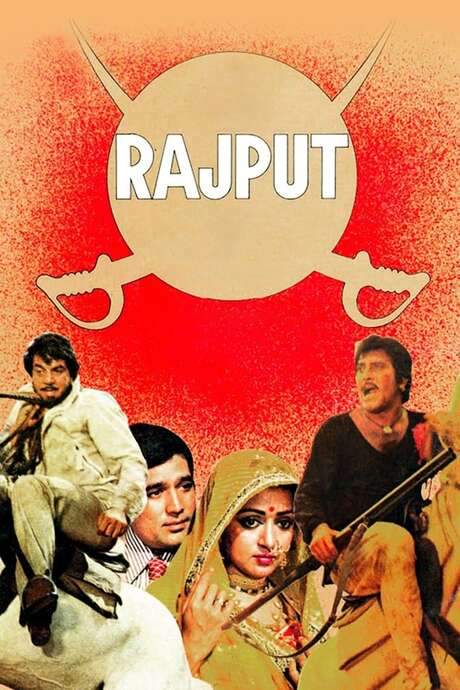
Rajput (1982) Ending Explained & Film Insights
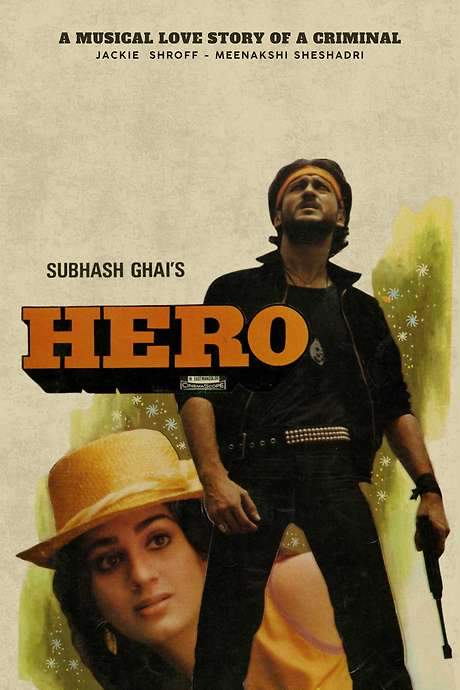
Hero (1983) Complete Plot Breakdown
Jigar (1992) Film Overview & Timeline
Samundar (1986) Ending Explained & Film Insights
Gangaa Jamunaa Saraswathi (1988) Ending Explained & Film Insights
Ganga Ki Saugand (1978) Spoiler-Packed Plot Recap
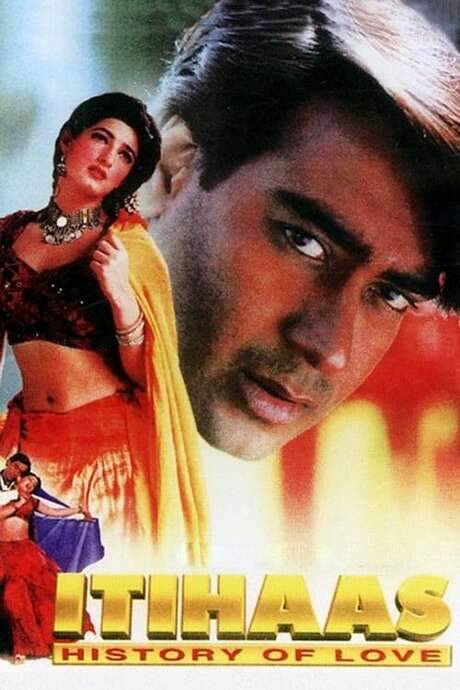
Itihaas (1997) Film Overview & Timeline
Mera Gaon Mera Desh (1971) Detailed Story Recap
Deshdrohi (2008) Detailed Story Recap
Raju Ban Gaya Gentleman (1992) Film Overview & Timeline
Jaan (1996) Film Overview & Timeline
Jaagruti (1992) Full Summary & Key Details