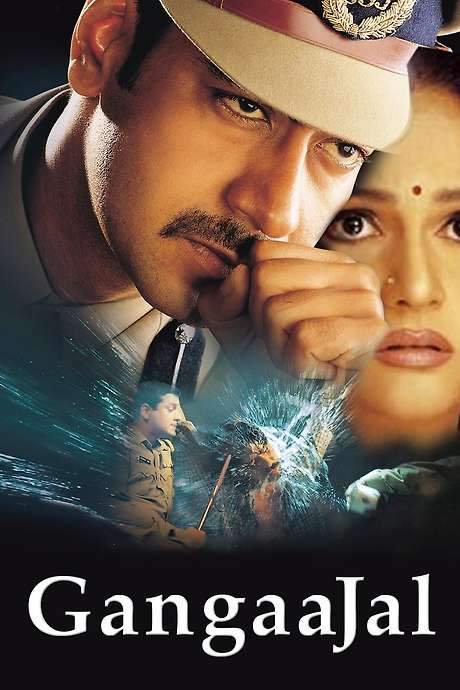
SP Amit Kumar arrives in Tejpur, a district wracked by crime and a police force weighed down by crumbling infrastructure, outdated weaponry, and a troubling dependence on corrupt local contractors. He quickly sees professional laxity among officers and a system where power and fear shape every investigation. The town’s stability seems to hinge on the influence of Sadhu Yadav and his son Sunder Yadav, a brutal duo who dominate through intimidation and a web of favored allies.
Early on, the police drama intensifies when Inspector Bachcha Yadav, a loyal servant of Sadhu, visits Sadhu’s hideout and encounters the infamous Nunwa. After a heated confrontation, Nunwa is killed in what is presented to the public as an encounter, a move that racks the department with tension and questions. Amit soon grasps that Nunwa’s fate is tied to Sadhu, and Bachcha is suspended as punishment. A desperate Bachcha seeks help from Sadhu, only to learn that his patron has abandoned him, leaving him exposed and vulnerable.
The case then pivots to a kidnapping: Sunder Yadav abducts a missing young woman, drawing Amit into a high-stakes pursuit. He persuades the mother of the kidnapped woman to file a complaint, hoping to press the case forward. Bachcha, sensing an opportunity to regain leverage, pressures Amit to advance the investigation. The operation culminates in a staged arrest—Sunder is lured into a factory where Amit and his team close in. A brief clash leaves Sunder in custody, and the local court soon becomes a theater of setback as the woman’s mother withdraws testimony after threats from DIG Verma, who openly supports Sadhu. With the lack of credible evidence, the judge frees Sunder, exposing a miscarriage of justice that fuels public anger and disillusionment.
In a move that shocks Tejpur, Sadhu’s men attempt to vandalize the shop of a pan vendor who testified against Sunder. Amit steps in, halts the mob, and has the attackers jailed. As the tension rises, Sunder’s henchmen collide with Bachcha’s officers, and a violent incident in the jail—acid being thrown into the eyes of rivals, a vicious act locally dubbed gangaajal—becomes a symbol of vigilante justice veering out of control. The blast of fear reverberates through the city, and Anuradha is caught in the crossfire, wounded by acid.
Gangaajal, once a phrase tied to the law, becomes a tool of extra-judicial punishment that awakens a divided Tejpur. Most officers deny involvement, yet Bachcha confesses in a letter he later abandons at Amit’s desk, revealing the depth of complicity within the system. Tragedy follows quickly: Bachcha returns home to discover Sunder has taken his wife and child hostage, and in a final clash, Sunder kills Bachcha by shooting him in the eyes. Enraged and determined, Amit issues a search warrant for Sunder and demands that Sadhu compel him to surrender. Yet political influence looms large; Sadhu backs his son through a minister, and Sunder is released on bail despite Amit’s protests. The escalation continues when Sunder disrupts a marriage, and his mother’s life ends in despair as she takes her own life after the catastrophe left in his wake.
Amit detains Sadhu and Sunder, hoping to keep them off the streets, but the fury of a grieving mob roars through Tejpur. He resists their demand for instant vengeance, insisting that law and order must prevail. The crowd’s rage, however, cannot be fully contained, and Sadhu and Sunder slip away only to stage a final, desperate confrontation at a family’s home. In a brutal turn of fate, the two fall onto a plough, their eyes pierced—killing them in a symbolic end that underscores the film’s central tension between justice and vigilantism.