Plot Explained Spoilers guaranteed!
Plot Explained

Browse by genre

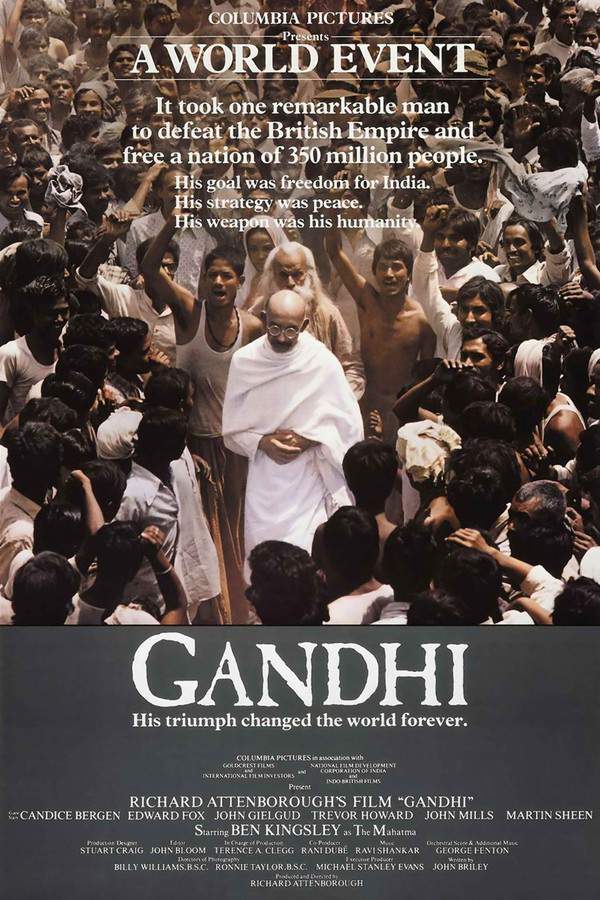
Gandhi (1983) movie poster

Plot Summary

Gandhi (1983) Plot Summary Explained

Release, runtime and language
1983 · 191 min · English
JustWatch #8,016 15
Directed by
Richard Attenborough
Starring
Candice Bergen, Martin Sheen, Ben Kingsley, John Gielgud, John Mills, Trevor Howard

This biographical drama portrays the remarkable life of Mohandas Gandhi and his unwavering commitment to nonviolent resistance against British colonial rule. Initially facing doubt and opposition from officials like Lord Irwin, Gandhi's persistent and courageous actions inspire a movement that captures global attention and propels India towards its independence. The film explores his philosophy and the significant impact he had on a nation's struggle for freedom.

On this page (6)
  1. 1 Where to watch
  2. 2 What happens: full plot
  3. 3 Plot questions answered
  4. 4 Movie threads
  5. 5 Movies like Gandhi
  6. 6 Every angle

Where to watch

Where to Watch Gandhi (1983)

Where can you watch Gandhi? Stream, rent or buy it in the US, including on Amazon Video, Apple TV Store and Fandango At Home: current JustWatch availability with up-to-date prices.

Streaming availability powered by JustWatch

Full plot summary · contains spoilers

What Happens in Gandhi: Full Plot Summary

The whole story of Gandhi (1983) explained, from the opening scene to the final frame: every key event, every twist and what it all adds up to. Read it as a quick recap before the sequel, to check a scene you missed, or to finally understand what really happened.

On January 30, 1948, as he makes his way to an evening prayer service, the elderly Gandhi, portrayed by Ben Kingsley, receives assistance for his evening stroll. Surrounded by admirers and well-wishers, tragedy strikes when Nathuram Godse (played by Harsh Nayyar) shoots him at point-blank range. In his final moments, Gandhi utters, > "Oh, God!" before collapsing. By his side are Manu (Supriya Pathak) and Abha (Neena Gupta), witnessing the end of a remarkable life dedicated to peace. His state funeral becomes a historic event attended by millions from diverse backgrounds, as a radio reporter eloquently recounts his transformative impact on the world.

Dignitaries including Jawaharlal Nehru (Roshan Seth), Sardar Vallabhbhai Patel (Saeed Jaffrey), Maulana Azad (Virendra Razdan), and Lord Louis Mountbatten (Peter Harlowe) pay their respects during the ceremony, highlighting the significant loss felt across the nation.

The story travels back to 1893, where a young and idealistic Gandhi faces discrimination on a train in South Africa, despite holding a valid first-class ticket. There, he meets Khan (Amrish Puri), who sheds light on the grim reality facing Indians under apartheid. This experience ignites Gandhi's commitment to advocating for rights through non-violent protest, which is met with aggression as he faces police brutality for burning discriminatory passes. With the unwavering support of Kasturba Gandhi (Rohini Hattangadi) and their three children, he begins to rally fellow Indians for their entitlements.

The narrative deepens as Reverend Charles Freer Andrews (Ian Charleson) arrives from India, where Gandhi shares his philosophies rooted in non-violence highlighted in various religious texts. During this time, Vince Walker (played by Martin Sheen), a fictional journalist from the New York Times, encounters Gandhi and documents his burgeoning movement against oppressive laws imposed by General Jan Smuts (Athol Fugard), which include invasive regulations targeting Indian citizens.

Gandhi's movement gains momentum, drawing followers and facing considerable resistance, including opposition from his own wife, Kasturba. He establishes an ashram, a community promoting equality and religious freedom, though he faces challenges in implementing some of his ideals, such as compelling Kasturba to adhere to the ashram's cleaning schedule.

As various protests and campaigns unfold, Gandhi's popularity rises, leading to notable victories against oppressive laws. By 1915, he returns to India as a celebrated figure, urged by leaders like Nehru and Patel to fight for India's independence. Tensions arise with Muhammad Ali Jinnah (Alyque Padamsee), a Congress party member seeking to alter the power dynamics.

Gandhi's commitment to addressing grassroots issues is evident during the Champaran agitation, where he confronts the plight of farmers oppressed by the British landlords, solidifying his reputation as “Bapu,” or father, among the Indian populace.

As the Quit India movement progresses, Gandhi advocates for non-cooperation with British authorities, facing both setbacks—including violent incidents and repeated imprisonments—while the movement garners significant attention both nationally and internationally. The dramatic climax builds when Gandhi leads the Salt March, protesting the unjust salt tax imposed by the British, with international media coverage amplifying the importance of the event.

Following the conclusion of WWII, Lord Mountbatten becomes the new Viceroy of India, ultimately leading the country toward independence, albeit with the heavy cost of partition along religious lines between India and Pakistan. Opposing this division, Gandhi pleads for unity and peace, even as civil strife flares up, resulting in widespread violence and chaos.

As communal tensions escalate with one of his dissenters, Godse, plotting his assassination, Gandhi dedicates his final days to reconciling the conflict. His untimely death marks the end of an era, but his legacy endures. Following his cremation, his ashes are ceremoniously scattered in the Ganges, leaving audiences with a poignant reflection on his profound journey and the enduring message of peace he imparted to the world.
Last updated: May 26, 2025 at 22:02

Was this helpful?

Plot questions answered

Gandhi Plot Explained: Your Questions Answered

The questions people ask most about Gandhi (1983): what happens in the confusing scenes, why the characters do what they do, the twists, hidden details and what the ending means. Each answer contains spoilers.

Q1

Why was Gandhi thrown off the train in South Africa?

In 1893, the young Gandhi was forcibly removed from a first-class train compartment despite holding a valid ticket, simply because he was Indian. This incident occurred under South Africa's apartheid-era laws that discriminated against Indians. The experience of being humiliated and displaced because of his ethnicity became the pivotal moment that ignited his commitment to fighting for civil rights through nonviolent protest.

  • gandhi
  • south africa
  • train
  • discrimination
  • apartheid
Q2

How did Gandhi develop his philosophy of non-violent resistance?

Gandhi developed his philosophy of nonviolence through his experiences in South Africa, where he witnessed the oppressive apartheid system firsthand. During his time there, he met Reverend Charles Freer Andrews, who helped him explore nonviolence rooted in various religious texts including Hinduism, Christianity, and Jainism. Gandhi combined these spiritual insights with his understanding of justice to create his signature approach of satyagraha, meaning truth-force or soul-force.

Foreshadowing: Earlier discrimination experiences laid the groundwork for his later philosophical framework.

  • gandhi
  • nonviolence
  • satyagraha
  • philosophy
  • resistance
Q3

What was the significance of the Salt March?

In 1930, Gandhi led the Salt March, walking over 240 miles to the coastal village of Dandi to make salt in protest of the British salt tax. This act was significant because salt was a daily necessity that the British had monopolized, and by making salt illegally, Gandhi demonstrated that even ordinary citizens could defy unjust laws. The march drew massive international media attention and inspired widespread participation in the independence movement across India.

Foreshadowing: The success of earlier South African protests foreshadowed this larger-scale civil disobedience.

  • gandhi
  • salt march
  • dandi
  • british tax
  • civil disobedience
Q4

Why did Gandhi oppose the partition of India?

Gandhi strongly opposed the partition of India because he believed it would result in massive violence and suffering between Hindus and Muslims. He advocated for a united India where both religions could coexist peacefully. Despite his opposition, political leaders including Muhammad Ali Jinnah pushed for partition, and the British ultimately granted independence as two separate nations in 1947, leading to the largest mass migration in history and widespread communal violence.

Foreshadowing: Earlier tensions between religious communities during the independence movement foreshadowed the partition conflict.

  • gandhi
  • partition
  • india
  • pakistan
  • communal violence
Q5

Who was Nathuram Godse and why did he assassinate Gandhi?

Nathuram Godse was a Hindu nationalist who believed Gandhi's policies favored Muslims over Hindus, particularly Gandhi's fasting for peace during communal violence. Godse opposed Gandhi's acceptance of partition and his efforts to reconcile with Muslims. On January 30, 1948, Godse shot Gandhi point-blank at close range during an evening prayer service, assassinating the leader he felt had betrayed Hindu interests.

Foreshadowing: The film shows escalating communal tensions throughout the partition period, building toward this tragic outcome.

  • gandhi
  • godse
  • assassination
  • hindu nationalist
  • partition
Q6

What was the Champaran movement?

The Champaran movement in 1915 was Gandhi's first major campaign in India after returning from South Africa. He learned that farmers in Champaran were being forced to grow indigo for British landlords under oppressive conditions. Gandhi organized peaceful protests and confronted British authorities, ultimately securing victories that forced the British government to repeal unjust laws affecting the farmers. This success established Gandhi as a national leader and earned him the affectionate title "Bapu" or father among Indians.

Foreshadowing: Gandhi's earlier experience organizing Indians in South Africa prepared him for this larger movement.

  • gandhi
  • champaran
  • farmers
  • british
  • indigo
Q7

Why did Gandhi go on hunger strikes?

Gandhi used hunger strikes as a powerful tool of nonviolent resistance, most notably during the Partition violence in 1947. He refused to eat until the violent clashes between Hindus and Muslims stopped, using his life as a moral leverage to pressure both communities toward peace. His hunger strikes demonstrated his willingness to sacrifice his own body for his principles and often succeeded in temporarily halting communal riots, showcasing the immense respect and influence he commanded.

Foreshadowing: His earlier commitment to nonviolence foreshadowed his ultimate personal sacrifice.

  • gandhi
  • hunger strike
  • peace
  • partition
  • nonviolent resistance
Q8

What was the Quit India movement?

The Quit India movement was launched by Gandhi in 1942, demanding an end to British rule in India. It was one of the largest movements for independence, with mass participation across the country. The British responded with severe repression, arresting Gandhi and other Congress leaders. Despite widespread protests and violent backlash from some participants, the movement successfully demonstrated that Indians were unified in their demand for freedom and accelerated the end of British colonial rule.

Foreshadowing: Decades of earlier protests and campaigns built toward this decisive national uprising.

  • gandhi
  • quit india
  • british
  • independence
  • congress
Q9

What challenges did Gandhi face establishing his ashram?

Gandhi established an ashram in South Africa as a utopian community promoting equality and religious freedom, aiming to eliminate caste distinctions. However, he faced resistance even from his own wife, Kasturba, who struggled with his demands that she follow strict ashram rules, including maintaining a rigorous cleaning schedule. These personal conflicts illustrated the broader challenge Gandhi faced in living his ideals while convincing others to adopt his revolutionary way of life.

Foreshadowing: The tension between Gandhi's revolutionary ideas and traditional expectations foreshadowed personal struggles throughout his journey.

  • gandhi
  • ashram
  • kasturba
  • equality
  • south africa
Q10

How did Gandhi's relationship with British authorities evolve?

Gandhi's relationship with British authorities evolved from initial tolerance to intense conflict. Initially dismissed as an idealist, Gandhi's growing influence and successful campaigns made him a major threat to British rule. He was repeatedly imprisoned for his activism, yet his methods of nonviolent resistance puzzled and sometimes even respected certain British officials like General Jan Smuts. Despite beinglabeled a rebel, Gandhi maintained his principle of opposing injustice while never hating the British people themselves, distinguishing between the system and the individuals.

Foreshadowing: Early encounters with authorities in South Africa established the pattern of confrontation.

  • gandhi
  • british
  • imprisonment
  • resistance
  • jan smuts
Q11

What is Gandhi's lasting legacy?

Gandhi's legacy endures through his philosophy of nonviolent resistance, which influenced civil rights movements worldwide, including Martin Luther King Jr.'s struggle for racial equality in America. His approach demonstrated that ordinary people could challenge powerful systems through peaceful protest and moral conviction. Even after his death, his message of truth, nonviolence, and communal harmony continues to inspire movements for peace and justice across the globe.

  • gandhi
  • legacy
  • nonviolence
  • peace
  • civil rights
Q12

Why did Gandhi return to India in 1915?

Gandhi returned to India in 1915 after successfully leading the Indian community's struggle against discriminatory laws in South Africa for over two decades. He was celebrated as a national hero upon his return. Indian leaders like Jawaharlal Nehru and Sardar Vallabhbhai Patel urged him to join the fight for India's independence from British colonial rule. Initially, Gandhi spent time traveling across India to understand the local conditions before launching his major campaigns.

  • gandhi
  • india
  • return
  • independence
  • nehru
  • patel

Movie threads

More Movies Like Gandhi, by Mood & Story

Curated lists built around what makes Gandhi tick: the same mood, the same kind of story or the same emotional payoff. Each list explains why these movies belong together.

Epic Biographies of Historical Figures like Gandhi

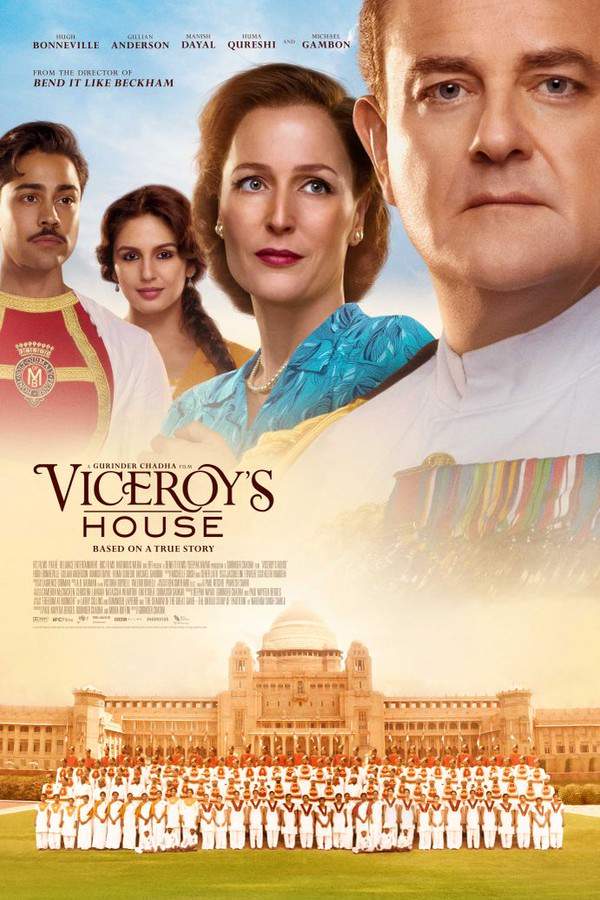
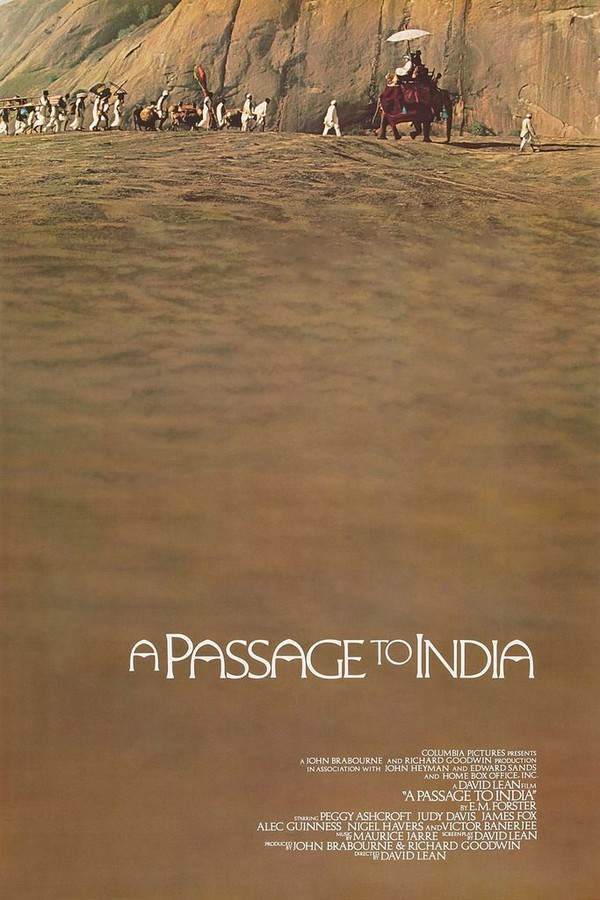
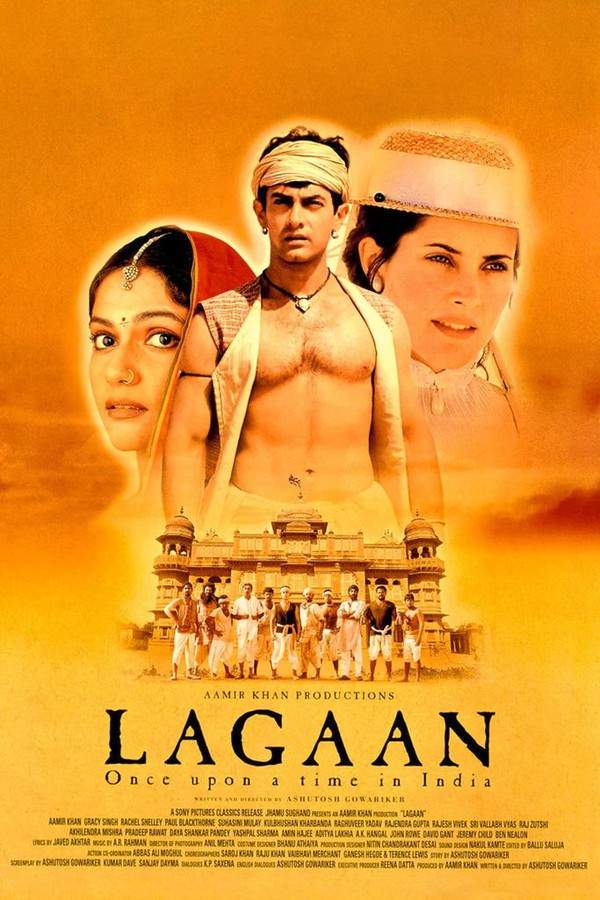
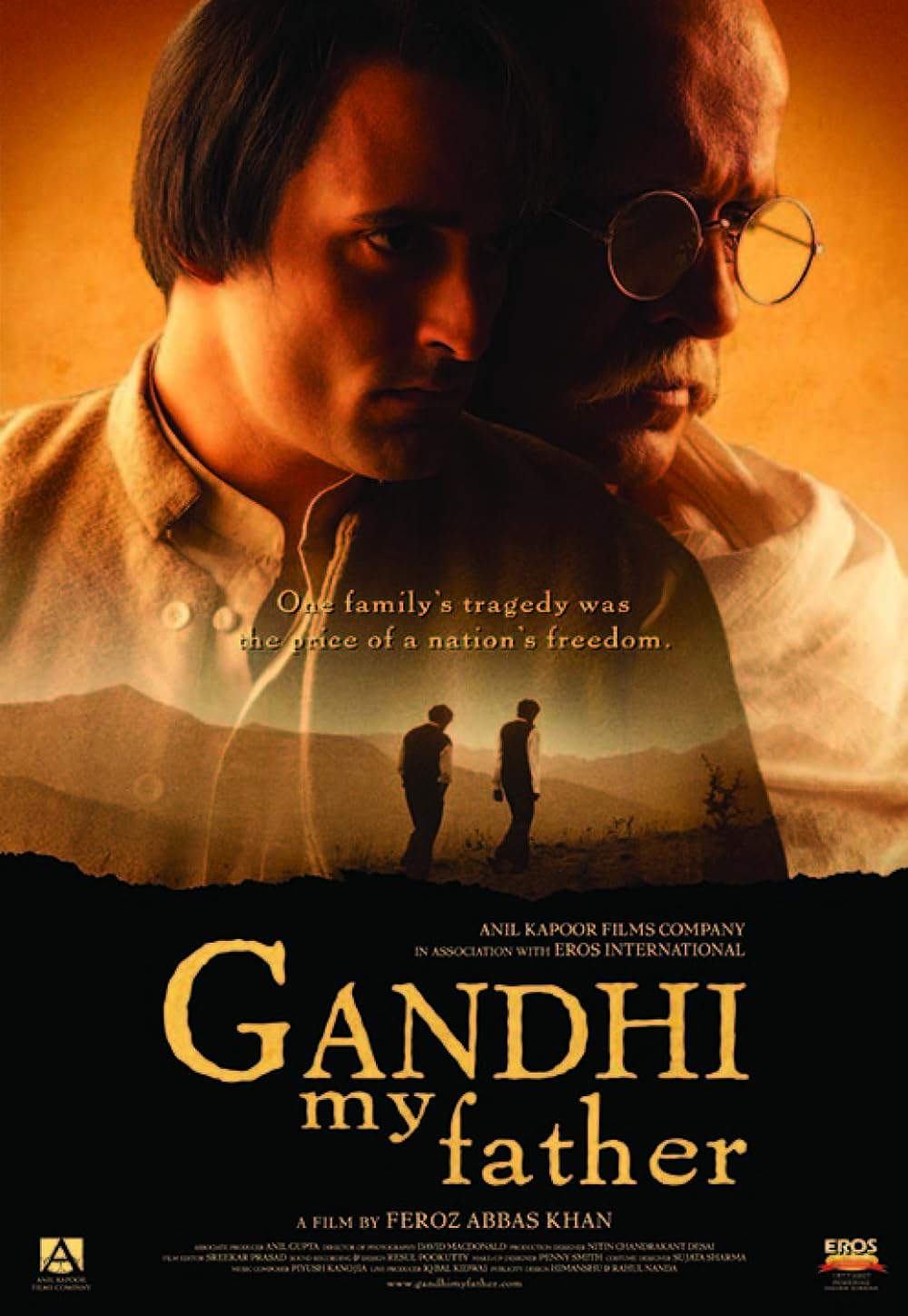
Sweeping biographies that capture the profound impact and personal cost of monumental lives. If you were inspired by the story of Gandhi, explore other movies like this one that chronicle the monumental lives of figures who changed the world. These similar biographical dramas focus on political struggle, idealism, and the heavy personal cost of building a legacy through nonviolent resistance and profound courage.

  • inspiring
  • somber
  • reflective
  • historical
  • determined
  • tragic
  • Tone: hopeful, somber, reflective
  • Pacing: steady, epic
Why these movies?

The story pattern: These narratives typically follow a linear, steady progression through pivotal moments in a person's life, from early formative experiences to their ultimate triumphs and tragedies. The journey is defined by a central, powerful philosophy or goal that faces constant opposition, culminating in a legacy that reshapes society, often at a bittersweet personal cost.

Why they belong together: Movies are grouped here because they share a commitment to portraying historical truth with emotional depth, a hopeful yet somber tone, and a focus on the immense personal weight carried by those who lead great movements. They offer a similar mix of inspiring ideals and tragic sacrifice within a serious, historically-grounded framework.

Movies About Nonviolent Resistance and Moral Courage like Gandhi

Powerful narratives where moral courage and peaceful protest confront overwhelming injustice. For viewers who admired the theme of nonviolent resistance in Gandhi, this section highlights similar movies about political struggle built on moral courage. Discover other powerful dramas where characters use peaceful protest and idealism to fight colonialism, discrimination, and historical injustice, often with a bittersweet but hopeful conclusion.

  • determined
  • inspiring
  • tense
  • somber
  • thoughtful
  • hopeful
  • Tone: determined, hopeful, tense
  • Pacing: steady, deliberate
Why these movies?

The story pattern: The narrative pattern involves a protagonist or group embracing a philosophy of peace to challenge a powerful, unjust system. The story unfolds through acts of civil disobedience, facing brutal retaliation, which in turn mobilizes wider support. The conflict is a battle of wills and ideals, where perseverance and strategic nonviolence are the ultimate weapons, leading to hard-won but incomplete victories.

Why they belong together: These films are connected by their core thematic focus on nonviolence as a political strategy and a moral imperative. They share a high-stakes intensity, a determined yet somber mood, and an exploration of sacrifice for a greater cause, creating a coherent vibe of principled struggle that is both heartbreaking and uplifting.

If you liked this

Movies Like Gandhi

Similar movies to Gandhi: the same genre, themes or kind of story. Each one comes with its own plot summary, timeline and ending explained.

Browse all movie summaries

Every angle

Gandhi (1983) Explained: Plot, Timeline & Characters

Everything about Gandhi in one place: what happens in the plot summary, the timeline in chronological order, the characters and meaning and a spoiler-free summary. What's After the Movie adds the cast, box office and post-credit scenes.

Coming soon on iOS and Android

The Plot Explained Movie Summary App

Plot summaries, endings explained and timelines on your phone. Catch up on any movie in minutes, save your favorites and never miss a twist again.

Be the first to know when we launch. Your email stays private, always.

Learn more about the app