Year: 2023
Runtime: 84 min
Language: English
Directors: Kristen Lovell, Zackary Drucker
Echo Score: 85This powerful documentary explores the lives of transgender sex workers in New York City's Meatpacking District. Through their personal stories, the film sheds light on the challenges they face, including police brutality and the impact of gentrification. It reveals a courageous fight for transgender rights and highlights the resilience of a community navigating significant obstacles in a rapidly changing neighborhood.
Warning: spoilers below!
Haven’t seen The Stroll yet? This summary contains major spoilers. Bookmark the page, watch the movie, and come back for the full breakdown. If you're ready, scroll on and relive the story!
Read the complete plot breakdown of The Stroll (2023), including all key story events, major twists, and the ending explained in detail. Discover what really happened, and what it all means.
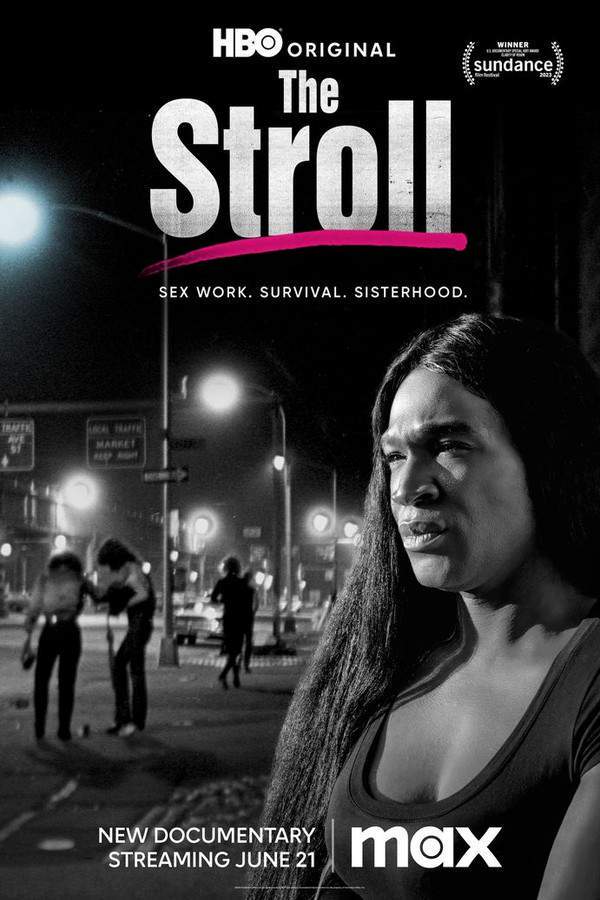
When Director Kristen Lovell relocated to New York City during the 1990s, she faced an unexpected upheaval after being fired from her job because of her transition. Much like numerous transgender women of color of that time, survival led her to become a sex worker in the Meatpacking District, a vibrant neighborhood in lower Manhattan. Here, trans women gathered in an area known as “The Stroll,” forming a powerful bond of camaraderie that protected them from the constant threat of harassment and violence.
In THE STROLL, Kristen brings her fellow sisters back together to share this crucial narrative of New York’s history, narrated from the perspective of the trans sex workers who lived it. Through her deeply personal storytelling and heartfelt interviews, she skillfully weaves together an impressive collection of archival footage capturing the essence of New York from the 1970s to the early 2000s.
While THE STROLL portrays the realities of transgender life, it also serves as a profound commentary on the impact of gentrification. The film highlights how, under Mayor Giuliani, the “quality of life” initiatives escalated policing, empowering affluent neighborhood activists to drive trans women out of the Meatpacking District. The narrative takes a tragic turn with the murder of Amanda Milan, one of the girls from The Stroll, which galvanized trans activist Sylvia Rivera (known for co-founding STAR – Street Transvestite Action Revolutionaries alongside Marsha P. Johnson) to lead the community in a powerful stand for their rights, marking the birth of a significant civil rights movement.
The aftermath of September 11th further altered the city’s landscape. Kristen and her sisters confronted the grim reality of potential homelessness alongside heightened police presence. In an effort to revitalize the economy, newly elected billionaire mayor Mike Bloomberg promoted luxury developments and enforced draconian “three strikes and you’re out” laws which led to increased incarceration rates. In their pursuit of urban renewal, these policies disproportionately targeted the girls of The Stroll.
In the face of these adversities, Kristen and her sisters rallied in defiance. Though they may have lost The Stroll, they emerged as central figures in a movement to safeguard their rights. Recent activist victories included the repeal of the “Walking While Trans” legislation, a law that facilitated the policing of sex workers for decades. In this newly awakened era of visibility, Kristen and her community stand tall, reminding us that trans women of color and sex workers have tirelessly forged paths for their survival. Through their unyielding resilience and solidarity, they exemplify a commitment to continue thriving against all odds.
Last updated: November 07, 2024 at 23:11
Explore frequently asked questions about The Stroll (2023) with spoiler-rich answers covering the full plot summary, major story beats, character motivations, hidden details, and ending meaning. This movie summary FAQ helps explain confusing scenes, plot twists, and narrative decisions in clear, searchable detail.
Kristen Lovell moved to New York City in the 1990s seeking opportunities, but after being fired from her job because of her transition, she faced extreme economic hardship. Like many transgender women of color at the time, she turned to sex work as a survival mechanism when traditional employment became inaccessible due to transphobia.
The film establishes early that discrimination in employment was a common driver for trans women entering sex work during this era.
The Stroll was an area in New York's Meatpacking District where transgender sex workers gathered, forming a vital community hub. This space provided crucial protection against constant harassment and violence, with trans women looking out for one another through a bond of camaraderie that helped them survive.
Under Mayor Giuliani, quality of life initiatives intensified policing in the Meatpacking District. These policies empowered affluent neighborhood activists to push trans women out of the area, effectively criminalizing their presence and livelihood through increased surveillance and arrests.
Amanda Milan was a member of The Stroll community whose murder marked a tragic turning point in the documentary. Her death galvanized the trans community to demand justice and brought renewed attention to the violence faced by transgender women of color, particularly those in the sex worker community.
After Amanda Milan's murder, activist Sylvia Rivera emerged as a leading voice for the trans community. Rivera, who co-founded STAR (Street Transvestite Action Revolutionaries) alongside Marsha P. Johnson, organized the community to demand their rights and seek justice, marking a significant moment in the gay and trans civil rights movement.
The film earlier establishes Rivera's history as a founding member of STAR in the 1970s.
After September 11th, New York City's landscape changed drastically. Kristen and her sisters faced heightened police presence alongside the grim reality of potential homelessness. The post-9/11 environment further marginalized the community, making their survival increasingly difficult.
The Walking While Trans law was legislation that allowed police to profiling and arrest transgender individuals, particularly sex workers, for simply walking in public. This law facilitated the policing of trans women for decades and was recently repealed, marking a major victory for the community.
Under Mayor Mike Bloomberg, the city promoted luxury developments and enacted draconian three strikes laws that led to increased incarceration rates. These urban renewal policies disproportionately targeted the trans women of The Stroll, pushing them further to the margins through criminalization and displacement.
A significant victory came with the repeal of the Walking While Trans legislation, which had facilitated the policing of sex workers for decades. This recent win represents a pivotal moment for trans rights, demonstrating the community's continued fight for dignity and recognition.
While the community lost their physical space in the Meatpacking District due to gentrification, Kristen and her sisters emerged as central figures in the movement to safeguard trans rights. Their resilience and solidarity transformed loss into activism, with the documentary emphasizing their ongoing role in fighting for equality.
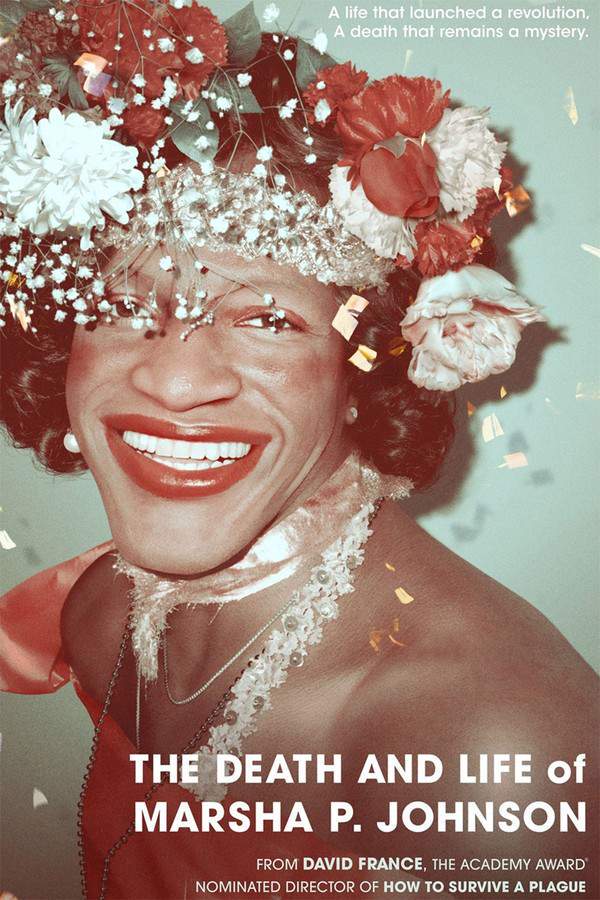
Marsha P. Johnson is mentioned because she co-founded STAR (Street Transvestite Action Revolutionaries) alongside Sylvia Rivera in the 1970s. Both Johnson and Rivera were pivotal figures in early trans and gay liberation movements, and their legacy connects to the contemporary activism depicted in the film.
The film establishes the historical connection between STAR's founding and the ongoing struggle for trans rights.
Discover curated groups of movies connected by mood, themes, and story style. Browse collections built around emotion, atmosphere, and narrative focus to easily find films that match what you feel like watching right now.
Documentaries and dramas about marginalized groups fighting for survival and dignity.Explore movies like The Stroll that tell urgent stories of marginalized communities fighting for their rights and survival. These documentaries and dramas share a focus on resilience, activism, and the heavy but hopeful emotional weight of social justice narratives.
Stories in this thread often follow a chronological arc, documenting a community's struggle against external forces like gentrification, police brutality, or political neglect. The narrative weaves personal testimonies with broader social context, building towards a conclusion that acknowledges loss while celebrating the enduring spirit and hard-won progress of the people.
Movies are grouped here because they share a core focus on communal resilience in the face of adversity. They balance a somber, urgent tone with a fundamentally hopeful outlook, creating a bittersweet but empowering viewing experience centered on collective strength.
Truthful stories that weigh heavy losses against meaningful progress.If you liked the complex emotional impact of The Stroll, discover more documentaries that deliver a bittersweet viewing experience. These films examine heavy social issues with a steady, thoughtful pace, leaving you with a profound mix of sadness for what was lost and hope for what was gained.
The narrative pattern involves presenting a clear historical or social problem, often through personal stories, and building a case methodically. The conflict is systemic and deeply entrenched. The resolution typically acknowledges that the battle is ongoing and that significant losses have occurred, but it also carves out space to honor the courage of the subjects and the importance of incremental victories.
These films are united by their specific emotional blend: a heavy, often somber journey that culminates in a bittersweet ending. They share a serious tone, a steady pacing suited to complex topics, and a commitment to showing both the cost of injustice and the value of resistance.
Don't stop at just watching - explore The Stroll in full detail. From the complete plot summary and scene-by-scene timeline to character breakdowns, thematic analysis, and a deep dive into the ending - every page helps you truly understand what The Stroll is all about. Plus, discover what's next after the movie.
Track the full timeline of The Stroll with every major event arranged chronologically. Perfect for decoding non-linear storytelling, flashbacks, or parallel narratives with a clear scene-by-scene breakdown.
Discover the characters, locations, and core themes that shape The Stroll. Get insights into symbolic elements, setting significance, and deeper narrative meaning - ideal for thematic analysis and movie breakdowns.
Discover movies like The Stroll that share similar genres, themes, and storytelling elements. Whether you’re drawn to the atmosphere, character arcs, or plot structure, these curated recommendations will help you explore more films you’ll love.
The Stroll (2023) Scene-by-Scene Movie Timeline
The Stroll (2023) Movie Characters, Themes & Settings
The Stroll (2023) Spoiler-Free Summary & Key Flow
Movies Like The Stroll – Similar Titles You’ll Enjoy
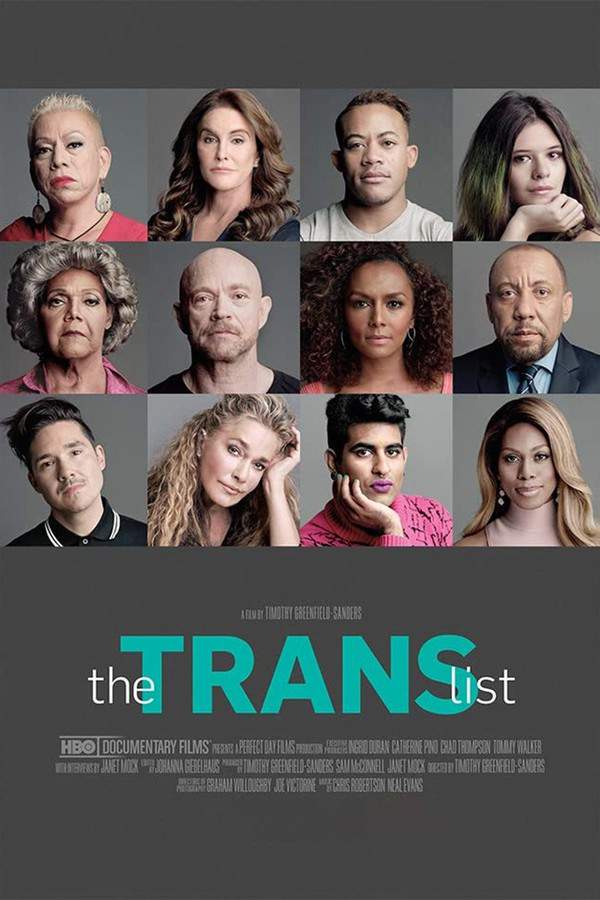
The Trans List (2016) Ending Explained & Film Insights
Pier Kids (2021) Full Movie Breakdown
I Hate New York (2020) Plot Summary & Ending Explained
The Journey of Monalisa (2019) Story Summary & Characters
The Aggressives (2005) Ending Explained & Film Insights
The Strip Game (2005) Spoiler-Packed Plot Recap
The Salt Mines (1990) Full Summary & Key Details
The Sex Warriors and the Samurai (1985) Film Overview & Timeline
What Sex Am I? (1985) Movie Recap & Themes
T.V. Transvestite (1982) Full Summary & Key Details
This is an Address (2020) Full Summary & Key Details
Caught (2021) Full Summary & Key Details
La marche gaie (1980) Movie Recap & Themes
The Sex Warriors and the Samurai (1995) Detailed Story Recap
After Stonewall (1999) Full Summary & Key Details