Plot Explained Spoilers guaranteed!
Plot Explained

Browse by genre

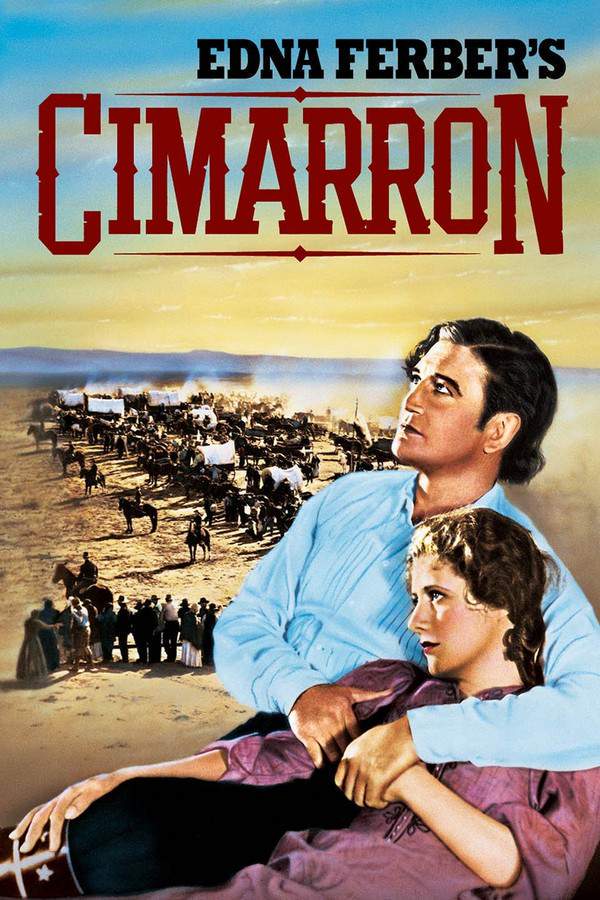
Cimarron (1931) movie poster

Plot Summary

Cimarron (1931) Plot Summary Explained

Release, runtime and language
1931 · 123 min · English
JustWatch #33,982 4
Directed by
Wesley Ruggles
Starring
George E. Stone, Irene Dunne, Edna May Oliver, Estelle Taylor, Nance O'Neil, Richard Dix

In 1889, lawyer Yancey Cravat and his wife Sabra leave behind their established city life to venture into the Oklahoma frontier. Yancey’s departure leaves Sabra in charge of the newspaper, forcing her to face the challenges of settling a new territory. Over four decades, she contends with the harsh realities of the land and the evolving dynamics of her marriage, as their relationship is tested by ambition, circumstance, and the constant struggle for survival in a rapidly changing landscape.

On this page (7)
  1. 1 Where to watch
  2. 2 What happens: full plot
  3. 3 Plot questions answered
  4. 4 The book behind the movie
  5. 5 Movie threads
  6. 6 Movies like Cimarron
  7. 7 Every angle

Where to watch

Where to Watch Cimarron (1931)

Where can you watch Cimarron? Stream, rent or buy it in the US, including on Artiflix, Plex and Amazon Video: current JustWatch availability with up-to-date prices.

Streaming availability powered by JustWatch

Full plot summary · contains spoilers

What Happens in Cimarron: Full Plot Summary

The whole story of Cimarron (1931) explained, from the opening scene to the final frame: every key event, every twist and what it all adds up to. Read it as a quick recap before the sequel, to check a scene you missed, or to finally understand what really happened.

The film unfolds against the swift, uncertain tide of the 1889 Oklahoma land rush, when thousands surge into the Oklahoma Territory in a bid to claim free government land. Among them, Yancey Cravat and his young wife, Sabra, cross the border from Kansas, chasing a life that can be built from the ground up in a place that promises opportunity but demands grit. In the heat of the scramble, Yancey is outmaneuvered by a young woman named Dixie Lee, who stakes the most coveted piece of dirt—Bear Creek—that Yancey had marked as his own. That single encounter sets a tone of hardship and shifting fortunes that frames the rest of the tale.

With his grand plans for a flourishing ranch dashed, Yancey makes a bold move into the boomtown of Osage. There, he confronts down-on-his-luck outlaws and exacts a fatal justice when Lon Yountis, a man who killed Osage’s previous publisher, crosses his path. Yancey’s experience in publishing nudges him toward a new vocation: he founds the Oklahoma Wigwam, a weekly newspaper that aims to turn the rough frontier into a respectable town. The enterprise brings him into closer contact with his community, and it helps articulate a vision of Osage as a place where law and order, commerce and culture, can coexist.

The Cravats’ life grows richer with the birth of their daughter, Donna, but it is destabilized by a new threat: a gang of outlaws led by “The Kid,” an old acquaintance of Yancey’s. In a tense confrontation, Yancey rises to defend the town and kills The Kid, sealing his reputation as a man who will do whatever is necessary to protect his people. Yet the act weighs on him with guilt, planting a quiet ache that follows him through years of changing seasons.

Seeking a new horizon, Yancey leaves Sabra and their children to pursue another land rush—the Cherokee Strip. Sabra steps into the breach, taking over the Wigwam and raising their children while Yancey fights battles elsewhere and returns home after serving in the Spanish‑American War for five years. He returns not for personal reconciliation alone, but to stand by Dixie Lee, who has been charged with a public nuisance and whom he helps secure an acquittal. The town’s pulse beat on as Osage continued to grow and evolve.

As the territory inches toward greater maturity, the state of Oklahoma finally achieves statehood in 1907, buoyed by an early oil boom that reshapes its economy. The paper and its proprietor become symbols of progress, with Yancey using editorials to support Native American tribes who share the landscape’s dramatic transformation. Yet, as the years pass, Yancey vanishes from Osage once more, and Sabra’s stance hardens. She becomes vehemently anti–Native American, even as her son grows up with an Indian partner—a contradiction that underscores the complexity of a region upending old loyalties.

Time wears on, and Sabra’s political arc rises dramatically: she eventually becomes the first female member of Congress from Oklahoma, celebrated for championing the interests of a state increasingly shaped by its diverse communities, including her by-then Indian daughter-in-law. The arc of their lives converges again in a final act of peril and sacrifice: Yancey resurfaces to rescue numerous oil drillers from a devastating explosion, risking his life to save others. He dies in Sabra’s arms, his long journey complete, the frontier legend finally at rest in the arms of a woman who has witnessed every transformation—from land rush to statehood, from hostility to a fragile, hopeful reconciliation.
Last updated: October 09, 2025 at 15:44

Was this helpful?

Plot questions answered

Cimarron Plot Explained: Your Questions Answered

The questions people ask most about Cimarron (1931): what happens in the confusing scenes, why the characters do what they do, the twists, hidden details and what the ending means. Each answer contains spoilers.

Q1

Why does Yancey Cravat leave Sabra and their children?

Yancey leaves Sabra and their children primarily driven by guilt over killing The Kid. The weight of taking a life, combined with his restless nature and desire for new opportunities, compels him to pursue the Cherokee Strip land rush. This departure marks a significant rupture in their marriage, though Yancey later returns after five years having served in the Spanish-American War.

Foreshadowing: Earlier, Yancey already shows signs of restlessness when he abandons his ranch plans after losing Bear Creek to Dixie Lee, choosing instead to move to Osage.

  • yancey cravat
  • sabra
  • abandonment
  • guilt
  • the kid
  • cherokee strip
Q2

Why does Dixie Lee get Bear Creek instead of Yancey?

Dixie Lee, a young prostitute, outwits Yancey during the 1889 land rush by securing the Bear Creek claim that Yancey had marked as his own. Her cunning and willingness to act decisively give her the advantage in the ruthless competition for prime homestead land. This loss forces Yancey to abandon his ranch plans and seek a new path in Osage.

Foreshadowing: The encounter establishes Dixie Lee as a formidable competitor who operates outside conventional social boundaries, foreshadowing her later legal troubles.

  • dixie lee
  • bear creek
  • land rush
  • homestead
  • outwit
Q3

Why does Yancey Cravat kill The Kid and feel guilty?

Yancey kills The Kid, an old acquaintance leading an outlaw gang threatening Osage, to defend the town and protect its residents. While the act establishes his reputation as a fierce protector, it weighs heavily on his conscience because he killed someone he personally knew. This guilt becomes a driving force behind his subsequent decision to leave Sabra and seek redemption through new challenges.

Foreshadowing: Yancey's earlier confrontation with Lon Yountis, where he exacts fatal justice, establishes his willingness to use deadly force in service of order.

  • the kid
  • outlaw
  • yancey cravat
  • guilt
  • self-defense
  • osage
Q4

Why does Sabra become anti-Native American?

Sabra's hardening stance against Native Americans develops during the years Yancey is absent from Osage. As she independently runs the Wigwam and raises their children, her views become more conservative and aligned with the prevailing anti-Native sentiments of the era. However, this stance creates a profound contradiction when her son later partners with an Indian woman, which Sabra must eventually reconcile.

Foreshadowing: The timeline notes Sabra's hardening occurs specifically after Yancey's extended disappearances, suggesting her views harden as she copes alone with the town's evolving dynamics.

  • sabra
  • native americans
  • racism
  • osage
  • contradiction
Q5

How does Yancey Cravat die in the film?

Yancey dies after rescuing numerous oil drillers from a devastating explosion in an oil field. Having reemerged to perform this heroic act, he succumbs to his injuries while in Sabra's arms. His death serves as a heroic capstone to his life of frontier leadership, bringing final reconciliation with Sabra after decades of separation and hardship.

Foreshadowing: The oil boom that transforms Osage beginning in the early 1900s sets the stage for this final牺牲.

  • yancey cravat
  • death
  • oil explosion
  • rescue
  • heroic sacrifice
Q6

Why does Yancey start the Oklahoma Wigwam newspaper?

After killing Lon Yountis, who had murdered Osage's previous publisher, Yancey leverages his background in law and publishing to found the Oklahoma Wigwam. His vision is to transform the rough frontier town into a respectable community through journalism that promotes law, order, and civic progress. The newspaper becomes a tool for shaping Osage's identity and politics throughout the decades.

Foreshadowing: Yancey's earlier experience as a lawyer in Kansas establishes his comfort with written legal discourse and community influence.

  • oklahoma wigwam
  • newspaper
  • yancey cravat
  • publishing
  • osage
Q7

How does Sabra become Oklahoma's first female congresswoman?

After years of running the Wigwam newspaper and raising her children during Yancey's absences, Sabra develops her own political voice and ambitions. By 1921, she successfully runs for Congress and becomes the first woman elected to represent Oklahoma. Notably, she uses her position to champion Native American rights, including her Indian daughter-in-law, marking a dramatic evolution from her earlier anti-Native American stance.

Foreshadowing: Sabra's long tenure operating the Wigwam and managing the town's pulse provides her with the experience and visibility needed for political office.

  • sabra
  • congresswoman
  • oklahoma
  • politics
  • native american rights
  • first woman
Q8

Why does Yancey defend Dixie Lee in court?

When Dixie Lee is charged with a public nuisance, Yancey represents her in court and secures her acquittal. This act demonstrates Yancey's evolution from rival to advocate, using his influence as a publisher and lawyer to help someone who had once bested him. His willingness to defend her suggests a capacity for forgiveness and recognition of her resilience.

Foreshadowing: Earlier, Dixie Lee's determination and survival instincts establish her as someone who continues to need protection in a changing society.

  • dixie lee
  • court
  • acquittal
  • yancey cravat
  • defense
Q9

Why does Yancey Cravat disappear for years?

Yancey's disappearances stem from his restless nature and need for new challenges. After leaving for the Cherokee Strip land rush, he serves in the Spanish-American War for five years. Later, he vanishes again in the early 1910s. These absences test Sabra's resilience and force her to become increasingly independent, ultimately shaping her political future.

Foreshadowing: Yancey's pattern of seeking new horizons begins with his move from Kansas to Oklahoma, establishing his character as unable to stay settled.

  • yancey cravat
  • disappearance
  • spanish-american war
  • cherokee strip
  • absence
Q10

What causes the tension between Yancey and Sabra?

The tension in Yancey and Sabra's marriage stems from his repeated absences combined with conflicting ambitions. Sabra must hold down the frontier while Yancey chases new land rushes and wars, leaving her to raise their children alone. Meanwhile, Sabra's political views harden in ways that conflict with Yancey's more progressive stance toward Native Americans, creating ideological distance alongside emotional strain.

Foreshadowing: The early land rush sets the pattern: Yancey seeks new opportunities while Sabra builds permanence.

  • marriage
  • sabra
  • yancey cravat
  • tension
  • absence
  • conflict

Movie threads

More Movies Like Cimarron, by Mood & Story

Curated lists built around what makes Cimarron tick: the same mood, the same kind of story or the same emotional payoff. Each list explains why these movies belong together.

Bittersweet Pioneer Epics like Cimarron

Sweeping stories of building a life against the harsh frontier. If you liked Cimarron's sprawling narrative of frontier life, you'll appreciate these other movies like it. This section features films with similar epic scope, focusing on the hopeful yet heavy experience of pioneering, where personal ambition meets the harsh reality of building a new world.

  • epic
  • hopeful
  • melancholic
  • dramatic
  • resilient
  • nostalgic
  • Tone: hopeful, bittersweet
  • Pacing: steady, epic
Why these movies?

The story pattern: These narratives often follow a multi-generational or long-term arc, beginning with a hopeful venture into the unknown. The story is punctuated by significant hardships—personal loss, marital strain, and the brutal realities of the land—building towards a conclusion that acknowledges the achievements but lingers on the sacrifices made along the way.

Why they belong together: Movies in this thread are grouped by their shared focus on the pioneer experience, blending a steady, deliberate pace with a tone that balances hope against heavy emotional weight. They deliver a complex, bittersweet emotional payoff that feels earned after a long, difficult journey.

Movies about Marriages Tested by Time like Cimarron

Stories of long-term relationships strained by ambition and circumstance. For viewers who connected with the complex marital journey in Cimarron, this collection offers similar movies like it. These films feature relationships that are central to the plot and are profoundly tested over a long period, exploring themes of ambition, sacrifice, and evolving partnerships.

  • dramatic
  • reflective
  • melancholic
  • resilient
  • emotional
  • complex relationships
  • Tone: dramatic, reflective
  • Pacing: steady, character-driven
Why these movies?

The story pattern: The narrative pattern follows a couple through significant portions of their lives, using time jumps to highlight key moments of strain and connection. The conflict often arises from one partner's consuming ambitions or external events that pull them apart, forcing the other to find their own strength. The arc is less about romantic courtship and more about the endurance and evolution of a bond under duress.

Why they belong together: These films are grouped by their deep focus on a primary relationship as a vehicle for drama. They share a complex narrative structure, a steady pacing that allows for character depth, and a heavy emotional weight derived from watching a partnership be challenged and transformed.

If you liked this

Movies Like Cimarron

Similar movies to Cimarron: the same genre, themes or kind of story. Each one comes with its own plot summary, timeline and ending explained.

Browse all movie summaries

Every angle

Cimarron (1931) Explained: Plot, Timeline & Characters

Everything about Cimarron in one place: what happens in the plot summary, the timeline in chronological order, the characters and meaning and a spoiler-free summary. What's After the Movie adds the cast, box office and post-credit scenes.

Coming soon on iOS and Android

The Plot Explained Movie Summary App

Plot summaries, endings explained and timelines on your phone. Catch up on any movie in minutes, save your favorites and never miss a twist again.

Be the first to know when we launch. Your email stays private, always.

Learn more about the app