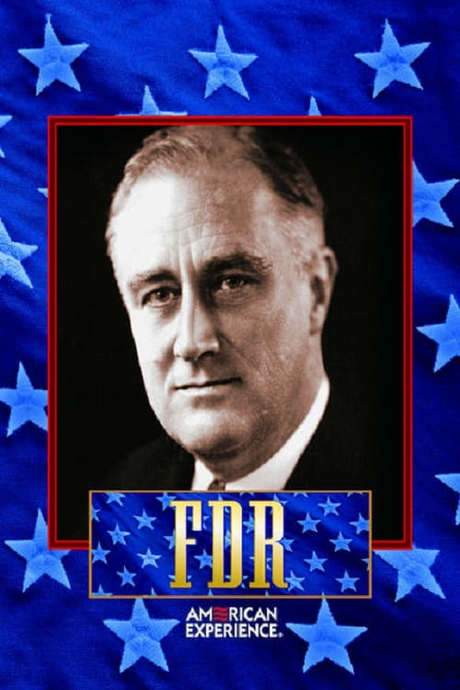
Opening in 1924, the film follows a paralyzed Franklin Delano Roosevelt, Kenneth Branagh living in semi-isolation on a Florida houseboat with two male attendants, as he looks back on the arc of his early career. He recalls his 1920 bid for vice president and a rousing speech that mentioned his cousin Teddy Roosevelt’s own run for the office. Roosevelt’s background—a Harvard-educated lawyer, a New York assemblyman, and an Assistant Secretary of the Navy—formed the curve of a rising political star, even as many at the time dismissed him as arrogant or lightweight.
When Roosevelt’s wife, Eleanor Roosevelt, Cynthia Nixon discovers his extramarital affair, they remain married but lead largely separate lives. A devastating turn arrives when polio strikes, leaving his lower body paralyzed and pushing him into an isolation both physical and emotional. He withdraws to Florida, determined not to be a burden, a loneliness that frames his next choices.
A storm wrecks the houseboat, forcing the group to seek shelter at a nearby restaurant. There, Louis Howe, David Paymer, arrives to urge a return to New York and the resumption of his political trajectory. Yet a letter from a friend invites Roosevelt to the Meriwether Inn, a resort owned by George Foster Peabody, in Warm Springs, Georgia, enticing him with a promise that a handicapped boy once walked in the waters. Intrigued, he heads south with Eleanor to see if the waters might offer more than hope.
The couple finds the Meriwether Inn in visible need of care. Roosevelt rejects the idea of a grand two-story house, fearing a fire trap, and instead settles into a small, one-story cottage. When he enters the pool, he cannot stand, but the resort’s manager, Tom Loyless, Tim Blake Nelson reassures him that progress will come with time. Eleanor senses that Roosevelt intends to stay and press on, even as she returns to New York to pursue her own path while Louis begins to shape her activism from afar.
Roosevelt’s interview with a local newspaper raises his public profile, and the resort begins to draw other polio victims. Tom reminds him that this place is not merely a private escape; it is a community resource that demands responsibility. As spring returns, the resort reopens and the crowd grows, testing Roosevelt’s resolve and his sense of purpose. A season of healing unfolds, but not without tension—Roosevelt learns that accommodation must balance dignity with opportunity for others who share his condition.
On a train platform, a newly arriving polio patient, Fred Botts, is placed in the baggage car and barely conscious. Roosevelt, outraged by the neglect, and Tom bring him to the resort to recover because the nearest hospital is far away. The patient’s arrival underscores a key problem: able-bodied guests fear polio, so the resort must navigate strict rules about pool access and dining hours to keep everyone safe.
Physical therapy arrives with Helena Mahoney, Kathy Bates, whose determined approach to hydrotherapy renews Roosevelt’s stubborn hope. She believes the waters can help him regain some movement, and she becomes a crucial ally as Roosevelt contemplates a broader future for Warm Springs. With Tom’s steady presence and Helena’s expertise, the idea of converting the resort into a polio rehabilitation center gains momentum.
Meanwhile, Tom Loyless reveals a personal tragedy—terminal cancer—adding urgency to Roosevelt’s decision-making. Roosevelt’s domineering mother pushes Louis and Eleanor to pull him back toward New York, but the president-to-be remains resolute. The family and advisers reconcile around a bold plan: to stage Roosevelt’s public appearance with a cane in hand and leg braces to project movement and independence, enabling him to campaign while still benefiting from the park-like rehab atmosphere.
The plan works, and Roosevelt is elected Governor of New York, a pivotal win that changes the trajectory of his life. The epilogue then foreshadows a larger destiny: Roosevelt goes on to win the presidency, becoming the only U.S. leader elected to more than two terms, serving until his death in 1945 at his Warm Springs cottage. The rehab center he built under the Meriwether Inn’s umbrella endures as a lasting legacy, continuing to operate long after the political career that began in a Florida houseboat.