Plot Explained Spoilers guaranteed!
Plot Explained

Browse by genre

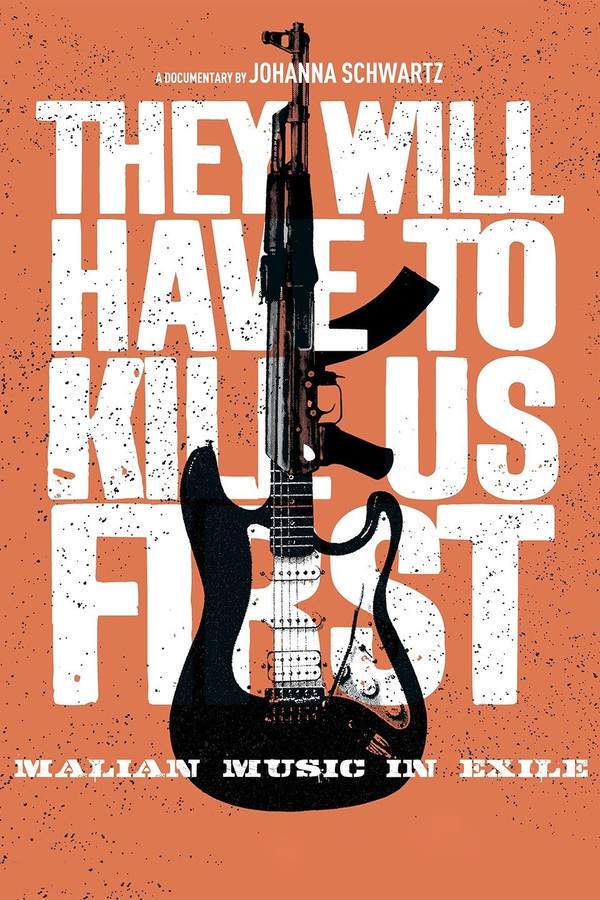
They Will Have to Kill Us First (2016) movie poster

Plot Summary

They Will Have to Kill Us First (2016) Plot Summary Explained

Release, runtime and language
2016 · 105 min · French
Loading streaming availability…
Directed by
Johanna Schwartz

In Timbuktu, Mali, a group of musicians risk everything to resist the oppressive silence imposed by Islamic fundamentalists who have outlawed music. United by their love of melody and harmony, they secretly plan a defiant concert, determined to bring joy back to their community despite the severe consequences they face. Their courage embodies a powerful stand against cultural suppression.

On this page (5)
  1. 1 Where to watch
  2. 2 What happens: full plot
  3. 3 Plot questions answered
  4. 4 Movie threads
  5. 5 Every angle
Loading streaming availability…

Full plot summary · contains spoilers

What Happens in They Will Have to Kill Us First: Full Plot Summary

The whole story of They Will Have to Kill Us First (2016) explained, from the opening scene to the final frame: every key event, every twist and what it all adds up to. Read it as a quick recap before the sequel, to check a scene you missed, or to finally understand what really happened.

In the face of oppression, Mali's beloved musicians refuse to surrender their art as Islamic extremists impose a harsh ban on music throughout the region. They Will Have To Kill Us First eloquently narrates the courageous journey of these talented artists as they strive to reclaim their right to sing and express themselves freely.

With a specially commissioned soundtrack featuring the exceptional talents of Khaira Arby, Fadimata Disco Walet Oumar, Amkoullel, Moussa Sidi, and the up-and-coming group Songhoy Blues, this film serves as a vibrant testament to the power of music in overcoming adversity. The heart of Malian culture beats strongly through these artists, who find themselves in a desperate battle against oppressive forces.

In 2012, when Islamic jihadists seized control of northern Mali, they implemented one of the most severe interpretations of sharia law, declaring an outright ban on all music. This resulted in the destruction of radio stations, the burning of musical instruments, and left countless musicians facing unimaginable risks, including torture and even death. Consequently, many of these esteemed artists were forced to hide away or seek refuge in exile, where sadly, many remain even to this day.

However, rather than relinquish their craft to silence, these resilient musicians are bravely fighting back. They are steadfast in protecting their cultural heritage and identity, wielding their music as a powerful weapon against the ongoing violence that has decimated their homeland. The film They Will Have To Kill Us First brings to light the harrowing experiences of musicians on the run, portrays the tumultuous uprising of Touareg separatists, and showcases rare and poignant footage of the jihadists.

In addition to capturing the struggles of these artists, the documentary provides glimpses into life at refugee camps where survival is a daily challenge and hope is hard to find. The film further chronicles their perilous journeys back to war-torn cities, culminating in a landmark moment— the first public concert in Timbuktu since the unjust music ban.

Through their defiant performances, these musicians not only reclaim their rights but also inspire resilience and hope among the people of Mali, reminding the world that music is an indomitable expression of freedom and heritage.

Last updated: May 12, 2025 at 07:04

Was this helpful?

Plot questions answered

They Will Have to Kill Us First Plot Explained: Your Questions Answered

The questions people ask most about They Will Have to Kill Us First (2016): what happens in the confusing scenes, why the characters do what they do, the twists, hidden details and what the ending means. Each answer contains spoilers.

Q1

Why did Islamic extremists ban music in Mali?

In 2012, Islamic jihadists seized control of northern Mali and imposed one of the strictest interpretations of sharia law. They declared an outright ban on all music, viewing it as un-Islamic and incompatible with their radical interpretation of Islamic law. This wasn't just a cultural suppression, it was part of a broader campaign to erase Mali's rich musical heritage and impose their ideological control over the region.

Foreshadowing: The ban was announced immediately after the extremists took power, signaling music as one of their first targets.

  • mali music ban
  • sharia law
  • islamic extremism
  • cultural suppression
Q2

What happened to musicians who continued playing after the ban?

Musicians who defied the ban faced severe consequences including torture, imprisonment, and execution. The extremists destroyed radio stations and burned musical instruments as part of their campaign. Many renowned artists were forced into hiding, while others fled the country as refugees. Those caught performing risked being publicly punished as examples to discourage others.

Foreshadowing: The film opens by establishing the extreme dangers musicians faced, showing why some went into hiding.

  • musician persecution
  • torture
  • instrument burning
  • radio destruction
Q3

How did the first concert in Timbuktu happen despite the ban?

The musicians organized the concert in secret, planning it as an act of defiance against the extremist regime. They worked tirelessly to coordinate the event, bringing together artists who had been in hiding or exile. The concert represented a massive risk, performers could have been arrested or killed. Their determination to reclaim their cultural identity drove them to proceed despite the life-threatening danger.

Foreshadowing: Throughout the film, musicians repeatedly express their refusal to let their art be silenced, building toward this defiant moment.

  • timbuktu concert
  • defiance
  • musical resistance
  • public performance
Q4

What was the Touareg uprising and how did it relate to the music ban?

The Touareg uprising was a separatist movement seeking autonomy in northern Mali. The film explores how this political struggle became intertwined with the musicians' fight for artistic freedom. As Touareg groups resisted the extremist occupation, musicians used their art to support the resistance, making the act of playing music both a cultural and political statement against the militants.

Foreshadowing: The timeline shows the uprising occurring alongside the music ban, indicating parallel struggles for freedom.

  • touareg separatists
  • resistance
  • mali conflict
  • northern mali
Q5

Why was the 2012 concert in Timbuktu significant?

The concert marked the first public performance in Timbuktu since the music ban was imposed. It represented a crucial turning point, not just a musical event, but a powerful statement that cultural identity cannot be extinguished by force. The success of the concert showed that the extremists' grip on the region could be challenged and that the people of Mali would not surrender their heritage.

Foreshadowing: The film builds tension toward this moment as the musicians' ultimate goal.

  • cultural identity
  • heritage
  • first concert
  • timbuktu
Q6

How did the music ban affect Mali's cultural heritage?

The ban represented an attack on the very heart of Malian identity. Music is central to Mali's cultural traditions, the country has produced legendary artists and is considered a birthplace of blues music. By destroying instruments, shutting down radio stations, and forcing musicians into hiding or exile, the extremists aimed to erase a fundamental part of what makes Mali culturally unique. The film shows this as a form of cultural annihilation.

Foreshadowing: The documentary emphasizes Mali's rich musical history from the beginning to highlight what's at stake.

  • cultural heritage
  • mali music history
  • musical traditions
  • blues origin
Q7

What risks did the musicians face for performing?

The risks were extreme and life-threatening. Musicians faced arrest, torture, and execution for simply playing or possessing instruments. The extremists made examples of some artists through public punishments to instill fear in others. Many were forced to abandon their homes and families, becoming refugees in neighboring countries. The film's high-intensity rating reflects these genuine life-or-death stakes.

Foreshadowing: Early scenes establish the pervasive climate of fear among artists.

  • execution
  • torture
  • death threats
  • refugee musicians
Q8

Why did the musicians risk their lives to play?

For these artists, music was inseparable from their identity and their people's survival. They believed that silencing their art would mean allowing their culture to be destroyed entirely. Rather than surrender to oppression, they chose to fight using the only weapon they had, their music. Their act of defiance was both a personal stand and a broader statement that cultural heritage cannot be erased by violence.

Foreshadowing: The musicians' commitment to their art is established early as their defining characteristic.

  • cultural identity
  • resistance
  • artistic freedom
  • defiance
Q9

What was life like in the refugee camps shown in the film?

The documentary reveals the harsh conditions in refugee camps where displaced musicians struggled to survive far from home. Resources were scarce, hope was hard to maintain, and the artists faced the dual challenge of physical survival alongside the emotional pain of being unable to practice their art. These scenes underscore the human cost of the conflict beyond the musical resistance.

Foreshadowing: The timeline transition to refugee camps marks a low point in the narrative.

  • displacement
  • refugee camps
  • survival
  • mali refugees
Q10

How did music become a weapon against oppression in the film?

The musicians transformed their art into an act of resistance by refusing to stop playing despite the ban. Each secret performance was a declaration that the extremists could not completely control the people. By organizing the concert, they demonstrated that music could unite communities, lift spirits, and challenge the narrative of fear that the militants had imposed. Their performances became both cultural preservation and political protest.

Foreshadowing: The film frames music as a recurring tool of resistance throughout.

  • music as protest
  • cultural resistance
  • artistic defiance
  • opposition

Movie threads

More Movies Like They Will Have to Kill Us First, by Mood & Story

Curated lists built around what makes They Will Have to Kill Us First tick: the same mood, the same kind of story or the same emotional payoff. Each list explains why these movies belong together.

Stories of artistic defiance like in They Will Have to Kill Us First

Stories where creative expression becomes a courageous act of defiance against oppression. If you were moved by the courageous musicians in 'They Will Have to Kill Us First', you'll find similar powerful tales here. This collection features movies where art, music, and culture become powerful tools of resistance against oppressive forces, celebrating the unbreakable human spirit and the fight for cultural survival.

  • defiant
  • courageous
  • uplifting
  • tense
  • resilient
  • oppressive
  • Tone: hopeful, tense, defiant
  • Pacing: steady, purposeful
Why these movies?

The story pattern: Narratives in this thread typically follow a clear, straightforward arc: an oppressive force seeks to silence or destroy a culture, and a group of individuals uses their art as a means of defiance. The story builds steadily towards a significant act of cultural resistance, often a performance or creation, which serves as both a climax and a powerful symbol of hope and endurance.

Why they belong together: These films are grouped together because they share a core belief in the power of art to confront injustice. They blend high-stakes tension with a fundamentally hopeful tone, focusing on resilience and the triumphant act of creation even under dire circumstances. The emotional journey is heavy but concludes with a sense of uplift.
Movies with defiant hope like They Will Have to Kill Us First

Heavy, intense narratives where hope emerges from profound human resilience. Seeking more films that masterfully balance heavy themes with an uplifting spirit? If you liked the hopeful core of 'They Will Have to Kill Us First' amidst its intense setting, this selection features similar movies where courage and resilience triumph over adversity, proving that light can be found even in the darkest of times.

  • hopeful
  • resilient
  • tense
  • uplifting
  • courageous
  • emotional
  • Tone: hopeful, heavy, resilient
  • Pacing: steady, character-driven
Why these movies?

The story pattern: The narrative pattern involves characters facing extreme adversity, often within a bleak or oppressive setting. The story delves into the hardships and dangers they endure, creating a high-intensity, emotionally heavy atmosphere. However, the central focus remains on their active resistance and resilience, leading to an ending that, while possibly bittersweet, is fundamentally hopeful and affirming.

Why they belong together: These movies are united by their specific emotional mix: they are intensely stressful and deal with heavy themes, yet their dominant tone is not bleak but hopeful. This creates a unique and powerful viewing experience where the optimism feels earned and profound, resonating with anyone who believes in the power of endurance.

Every angle

They Will Have to Kill Us First (2016) Explained: Plot, Timeline & Characters

Everything about They Will Have to Kill Us First in one place: what happens in the plot summary, the timeline in chronological order, the characters and meaning and a spoiler-free summary. What's After the Movie adds the cast, box office and post-credit scenes.

Coming soon on iOS and Android

The Plot Explained Movie Summary App

Plot summaries, endings explained and timelines on your phone. Catch up on any movie in minutes, save your favorites and never miss a twist again.

Be the first to know when we launch. Your email stays private, always.

Learn more about the app