The film offers an intimate, dramatic portrait of baseball legend Lou Gehrig, tracing his rise to fame, his marriage to the woman who loved him deeply, and the personal challenges he kept hidden. It explores his iconic career, the pressures of being a headline hero, and the quiet sacrifices behind his public triumphs.
Find where to stream, rent, or buy The Pride of the Yankees (1942) in the US with current JustWatch availability, up-to-date pricing, and platform listings for subscription, rental, and digital purchase options.
Warning: spoilers below!
Haven’t seen The Pride of the Yankees yet? This summary contains major spoilers. Bookmark the page, watch the movie, and come back for the full breakdown. If you're ready, scroll on and relive the story!
Read the complete plot breakdown of The Pride of the Yankees (1942), including all key story events, major twists, and the ending explained in detail. Discover what really happened, and what it all means.
Lou Gehrig, [Gary Cooper], is a young Columbia University student whose old-fashioned mother wants him to study engineering, but the gift for baseball is strong. A sportswriter befriends Gehrig—Sam Blake, played by Walter Brennan—and persuades a scout to come see him play. When his mother falls ill, Gehrig signs with the team he has always revered, the New York Yankees, to help pay the hospital bills, trying to keep the career change a secret from his mother, with support from his father.
Gehrig works his way up from the minors to the Yankees. His hero, Babe Ruth, is at first condescending toward the rookie, but Gehrig's steady, reliable play wins over Ruth and the rest of the team. Ruth’s initial sarcasm yields to respect as Gehrig displays a quiet, relentless excellence. Gehrig is unknowingly drawn into playing pranks on Ruth during train rides, a lighthearted dynamic that humanizes the star-studded clubhouse.
During a game at Comiskey Park, Gehrig trips over a stack of bats and is teased by a spectator, Eleanor Twitchell—Teresa Wright—who later becomes properly introduced, and a romance blossoms. Eleanor’s flirtation eventually deepens into engagement, though Gehrig’s mother remains wary of his shift away from engineering toward baseball. Gehrig finally stands up to her and marries Eleanor, cementing his choice to follow his dream.
The Yankees emerge as a dominant force, with Gehrig becoming a fan favorite. His father and his mother attend games to cheer him on. In a moving gesture, Gehrig visits a crippled boy named Billy in the hospital; David Holt portrays Billy, and Gehrig promises to hit two home runs in a single World Series game in the boy’s honor—then fulfills the vow, a moment that deepens his legend.
Gehrig earns the nickname “Iron Horse” as he rides a peak of national adoration, supported by a wide circle of friends and a devoted wife. Yet his body begins to betray him, and he notices a troubling decline in strength. He continues to play and even extends his consecutive-game streak, but a doctor delivers terrible news: a rare, incurable disease that gives him only a short time to live. He benches himself after expressing his concerns to Yankees manager Joe McCarthy, Harry Harvey.
A short time later, on Lou Gehrig Day at Yankee Stadium, an older Billy returns to remind him of the triumphs his courage inspired. Eleanor—Teresa Wright—weeps softly in the stands as Gehrig delivers a farewell speech to the fans. In the end, a moved crowd and a grateful city witness the moment when Gehrig speaks his iconic line:
> People all say that I've had a bad break. But today ... today, I consider myself the luckiest man on the face of the Earth.
Last updated: October 07, 2025 at 08:36
Explore frequently asked questions about The Pride of the Yankees (1942) with spoiler-rich answers covering the full plot summary, major story beats, character motivations, hidden details, and ending meaning. This movie summary FAQ helps explain confusing scenes, plot twists, and narrative decisions in clear, searchable detail.
Gehrig quit college to join the Yankees because his mother fell seriously ill and needed expensive hospital treatment. He signed with the New York Yankees, the team he had always admired, specifically to pay the medical bills. He worked with his father to keep this career change secret from his mother, who wanted him to complete his engineering degree. This decision marked the beginning of his professional baseball career.
Earlier scenes establish Gehrig's natural baseball talent that his mother repeatedly dismissed in favor of academic pursuits.
Babe Ruth was initially condescending and skeptical toward the rookie Gehrig. He looked down on the young player and made sarcastic remarks. However, Gehrig's steady, reliable performance gradually won Ruth's respect, and their relationship evolved into mutual admiration. The two became teammates who enjoyed lighthearted pranks during train rides, with Gehrig often at the center of the clubhouse camaraderie.
The timeline shows Ruth's skepticism shifting as Gehrig proves himself through consistent play in the minor leagues.
Gehrig benches himself in Detroit because he noticed a troubling decline in his strength and realized he had become a detriment to the team. Despite still holding his starting position, he approached Yankees manager Joe McCarthy and expressed his concerns. After being examined by a doctor, he received the devastating diagnosis of a rare, incurable disease that gave him only a short time to live. He chose to remove himself from the lineup rather than拖累球队.
Earlier scenes show Gehrig noticing his strength ebbing while continuing to play and extend his consecutive-game streak.
Lou Gehrig was diagnosed with a rare, incurable disease that gave him only a short time to live. In real life, this was amyotrophic lateral sclerosis (ALS), which became known as Lou Gehrig's disease. The film portrays this diagnosis as a devastating turning point that forced him to end his playing career despite his remarkable durability record.
Gehrig's noticed decline in strength earlier in the film hints at the serious medical condition developing.
Gehrig's mother wanted him to complete his education and become an engineer rather than pursue professional baseball. She viewed baseball as an impractical career path and disapproved of his choice to abandon his engineering studies at Columbia University. Her disapproval created ongoing tension throughout the film, even after Gehrig became a star player. Gehrig eventually stood up to his mother to marry Eleanor and defend his chosen path.
The opening scenes establish the conflict between his mother's expectations and his natural athletic gift.
Gehrig visited a crippled boy named Billy in the hospital and made a promise to hit two home runs in a single World Series game in the boy's honor. He later fulfilled this vow during the World Series, a moment that deepened his legend as a national hero and demonstrated the personal connection he felt to his fans.
The Comiskey Park incident earlier in the film shows Gehrig's character as someone who responds to challenges with determination.
Gehrig earned the nickname 'Iron Horse' because of his remarkable durability and consistency. He was known for playing in an extraordinary number of consecutive games without missing a start, earning a reputation for being unbreakable and reliable. This nickname symbolized his relentless excellence and stamina on the field, making him a fan favorite during his peak years with the Yankees.
His steady, consistent performance from the minor leagues onward established the reputation that led to the nickname.
Lou Gehrig Day was a special ceremony held at Yankee Stadium to honor Gehrig's career and legacy after he was diagnosed with his illness. During this event, an older Billy whom Gehrig had visited in the hospital returned to share hopeful news of his recovery, inspired by Gehrig's courage. Gehrig delivered his famous farewell speech to the fans, expressing gratitude despite his circumstances.
The earlier hospital visit and promise of two home runs set up Billy's return as a meaningful circular moment.
Gehrig met Eleanor Twitchell during a game at Comiskey Park when he tripped over a stack of bats and was teased by the spectator. She called him 'tanglefoot,' and they were later properly introduced. This initial teasing moment blossomed into romance, leading to their engagement despite Gehrig's mother's concerns about his career path.
The timeline notes this incident foreshadows the later romance, beginning as a playful encounter.
Gehrig's consecutive games streak was remarkable because he played in 2,130 straight games over 14 years, a record that stood for decades. This streak demonstrated unprecedented durability and reliability, earning him the nickname 'Iron Horse.' The streak continued even as he noticed his strength declining, making his eventual benching all the more poignant given his reputation for never missing a game.
The film builds the streak as a central achievement before his diagnosis forces an end to his playing career.
Discover curated groups of movies connected by mood, themes, and story style. Browse collections built around emotion, atmosphere, and narrative focus to easily find films that match what you feel like watching right now.
Inspiring life stories that are cut short by personal tragedy.If you were moved by The Pride of the Yankees, explore other movies like it that depict inspiring true stories with a bittersweet core. These similar drama films focus on real-life figures who achieve greatness while navigating profound personal challenges or terminal illness.
Stories in this thread typically follow a linear, chronological rise to fame or achievement, establishing the subject's talent and character. A significant personal challenge, often a health crisis, then emerges, reframing their accomplishments within a poignant context of mortality and legacy. The narrative culminates in a poignant, reflective finale.
These films are grouped by their unique emotional blend: the uplifting power of real-world triumph combined with the heavy sorrow of a life cut short. They share a steady, straightforward pacing that lets the emotional weight of the story build naturally, leading to a profoundly bittersweet but ultimately hopeful conclusion.
Emotionally rich stories that unfold with gentle, deliberate pacing.Viewers who appreciated the heartfelt, steady pacing of The Pride of the Yankees will find more moving stories here. Discover similar drama movies that unfold at a gentle pace, focusing on deep emotional journeys, enduring relationships, and the poignant passage of time.
Films in this thread prioritize character development and emotional resonance over complex plotting or high tension. The story unfolds in a linear, steady manner, often spanning years to show the evolution of relationships and personal growth. The central conflict is typically internal or interpersonal, leading to a conclusion that emphasizes emotional closure and reflection.
These movies share a specific viewing experience: a medium intensity, steady pace, and straightforward narrative structure that allows the audience to fully immerse themselves in the characters' emotional world. They balance heavy themes with a fundamentally hopeful tone, resulting in a profoundly moving and sentimental journey.
Don't stop at just watching - explore The Pride of the Yankees in full detail. From the complete plot summary and scene-by-scene timeline to character breakdowns, thematic analysis, and a deep dive into the ending - every page helps you truly understand what The Pride of the Yankees is all about. Plus, discover what's next after the movie.
Track the full timeline of The Pride of the Yankees with every major event arranged chronologically. Perfect for decoding non-linear storytelling, flashbacks, or parallel narratives with a clear scene-by-scene breakdown.
Discover the characters, locations, and core themes that shape The Pride of the Yankees. Get insights into symbolic elements, setting significance, and deeper narrative meaning - ideal for thematic analysis and movie breakdowns.
Discover movies like The Pride of the Yankees that share similar genres, themes, and storytelling elements. Whether you’re drawn to the atmosphere, character arcs, or plot structure, these curated recommendations will help you explore more films you’ll love.
The Pride of the Yankees (1942) Scene-by-Scene Movie Timeline
The Pride of the Yankees (1942) Movie Characters, Themes & Settings
The Pride of the Yankees (1942) Spoiler-Free Summary & Key Flow
Movies Like The Pride of the Yankees – Similar Titles You’ll Enjoy
For Love of the Game (1999) Movie Recap & Themes
The Natural (1984) Ending Explained & Film Insights
Pride (2007) Full Summary & Key Details
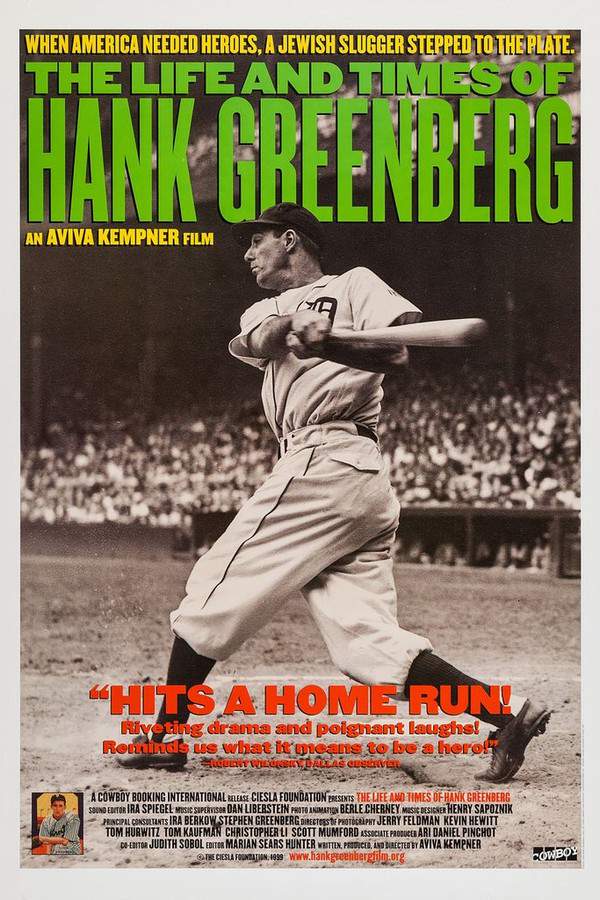
The Life and Times of Hank Greenberg (2000) Ending Explained & Film Insights
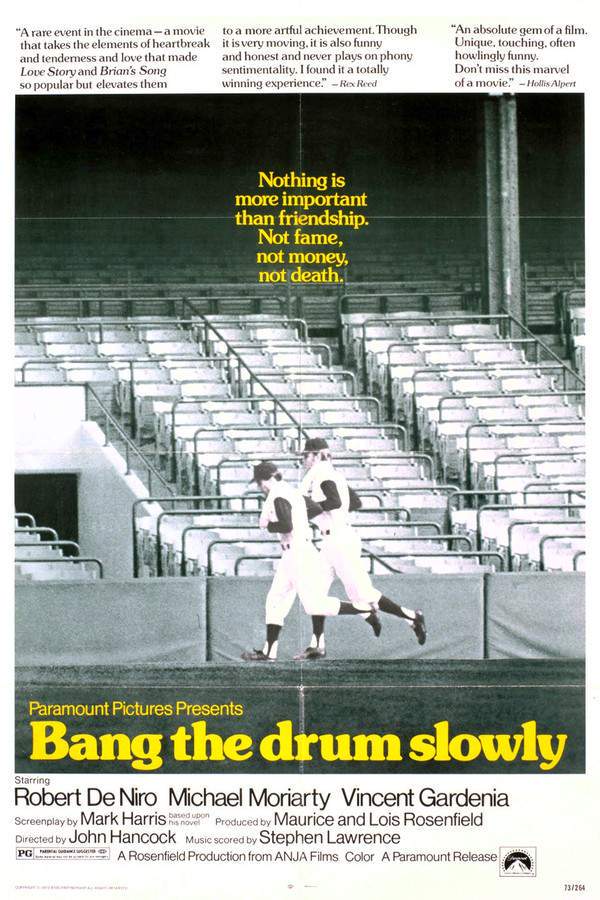
Bang the Drum Slowly (1973) Full Summary & Key Details
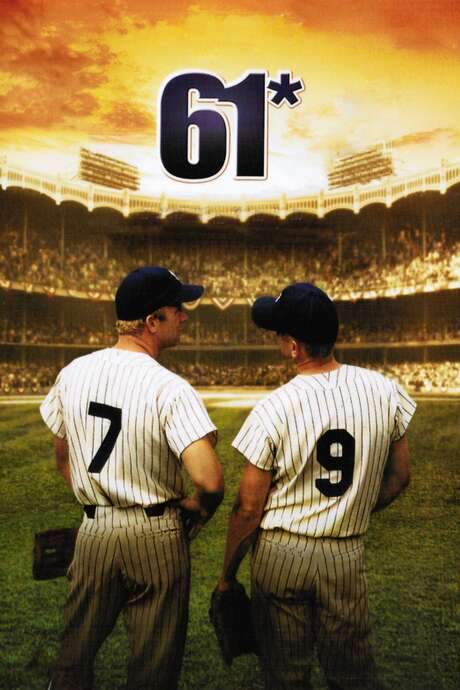
61* (2001) Film Overview & Timeline
Extra Innings (2020) Plot Summary & Ending Explained
Quiet Victory: The Charlie Wedemeyer Story (1988) Story Summary & Characters
The Pride of St. Louis (1952) Spoiler-Packed Plot Recap
The Babe Ruth Story (1948) Full Movie Breakdown
Safe at Home! (1962) Movie Recap & Themes
The Babe (1992) Film Overview & Timeline
Big Leaguer (1953) Story Summary & Characters
Fear Strikes Out (1957) Story Summary & Characters
The Winning Team (1952) Full Movie Breakdown