









Plot Explained Spoilers guaranteed!
Plot Explained

Browse by genre

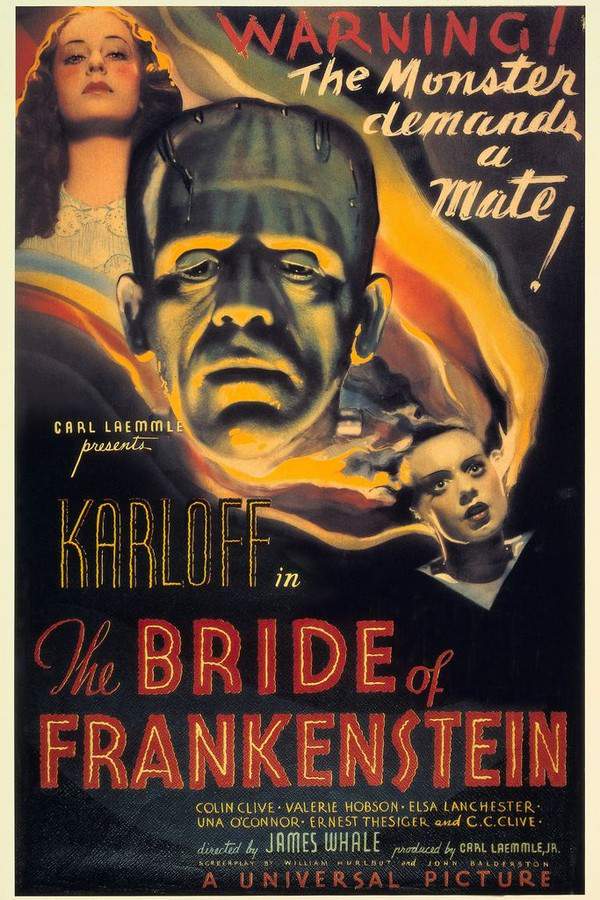
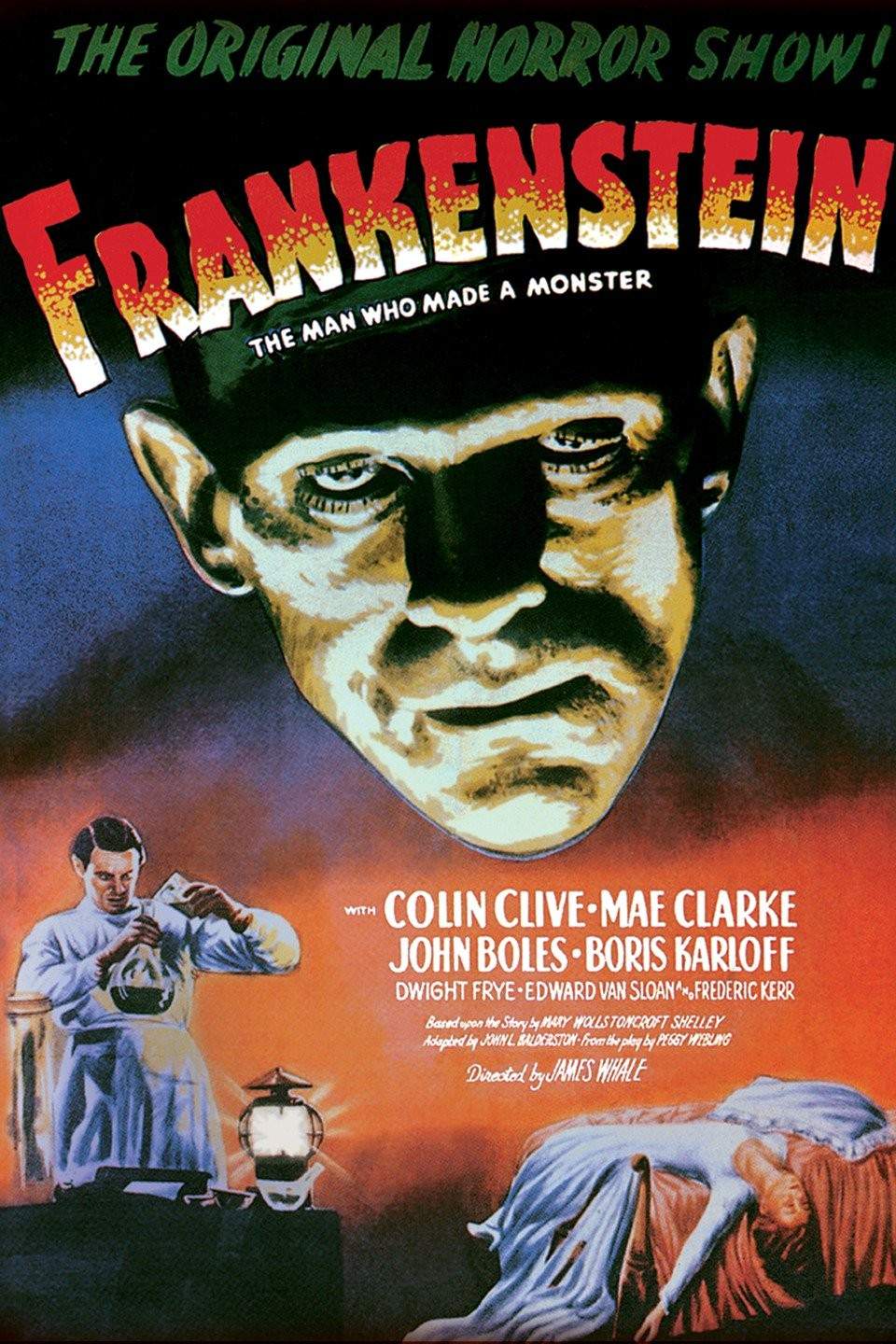
Frankenstein (1931) movie poster

Characters & Themes

Frankenstein (1931) Characters, Setting & Themes Explained

Release, runtime and language
1931 · 1 h 10 m · English
JustWatch #11,549 4
Directed by
James Whale
Starring
Mae Clarke, Boris Karloff, Francis Ford, Ted Billings, Colin Clive, Dwight Frye

Driven by an insatiable ambition, a brilliant but tormented scientist attempts to cheat death by creating a creature from various body parts. His creation, a grotesque figure, is brought to life but quickly becomes a source of horror and regret as it escapes its creator and seeks revenge for its abandonment.

On this page (9)
  1. 1 Where to watch
  2. 2 Characters explained (3)
  3. 3 Where & when it takes place
  4. 4 Themes & meaning (2)
  5. 5 Character & meaning questions
  6. 6 The book behind the movie
  7. 7 Movie threads
  8. 8 Movies like Frankenstein
  9. 9 Every angle

Where to watch

Where to Watch Frankenstein (1931)

Where can you watch Frankenstein? Stream, rent or buy it in the US, including on Amazon Prime Video, Peacock Premium and Peacock Premium Plus: current JustWatch availability with up-to-date prices.

Streaming availability powered by JustWatch

3 main characters · contains spoilers

Frankenstein Characters Explained: Who Is Who

The main characters of Frankenstein (1931), heroes and villains: what drives them, how they change over the course of the story and what each of them reveals about the film's bigger ideas.

  • Dr. Henry Frankenstein

    played by Colin Clive

    Dr. Henry Frankenstein is an ambitious scientist who seeks to create life, depicting the archetype of a flawed genius. His determination to surpass natural limits leads him to grave mistakes, showcasing both brilliance and recklessness. Heartbroken by the chaos his creation unleashes, he grapples with guilt and responsibility throughout the narrative.

    • 👨‍🔬 Scientist
    • ⚖️ Morality
  • The Creature

    played by Boris Karloff

    Portrayed by Boris Karloff, the creature is an embodiment of innocence turned monstrous by circumstance. Initially naive and seeking love, the creature becomes a tragic figure after suffering rejection and abuse. Its transformation from a hopeful being to a vengeful force underscores the tragic consequences of societal outcasting.

    • 👾 Tragic
    • 💔 Rejected
  • Fritz

    played by Dwight Frye

    Fritz is the hunchbacked assistant to Dr. Frankenstein, characterized by a mix of loyalty and cruelty. He aids in the creation of the creature but also torments it, revealing the darker aspects of human nature. His actions ultimately lead to his own demise, highlighting the perils of mistreating what one cannot understand.

    • 👤 Assistant
    • 🎭 Cruelty

Last updated: October 22, 2024 at 21:18

Was this helpful?

Setting

Where and When Does Frankenstein Take Place?

The setting of Frankenstein (1931): the year and time period, the places and locations, and how they shape the characters, the mood and the tension of the story.

Time period

Early 20th century

Set in the early 20th century, this period is marked by burgeoning scientific exploration and a fascination with the possibilities of creation. However, it also reflects societal anxieties about the consequences of defying natural order, particularly in regards to life and death. The tensions between man and monster mirror the era’s challenges with understanding the implications of technological advancements.

Location

A village, Old windmill

The movie takes place in a small, idyllic village, which serves as the backdrop for the dark events that unfold. Notable locations include the old windmill, a historic structure that becomes a pivotal setting for the climax of the story. The village is known for its tight-knit community, which quickly turns to fear and anger in response to the monstrous creature.

  • 🏡 Village
  • ⛪ Historic Site

Last updated: October 22, 2024 at 21:18

Was this helpful?

2 major themes

Frankenstein Meaning: Themes & Message Explained

What is Frankenstein (1931) really about? The emotional, social and philosophical themes the film keeps returning to, its symbolism and the message beneath the surface.

  • Creation

    At its core, 'Frankenstein' explores the theme of creation, emphasizing the ambition and hubris of Dr. Frankenstein as he strives to play God. The subsequent consequences of his actions raise questions about the moral responsibilities of a creator towards their creation. This theme resonates as it reveals the profound struggle between creator and creature, ultimately leading to tragic outcomes.

  • Fear and Rejection

    The film delves into themes of fear and rejection, particularly through the creature's experiences as it faces a world that perceives it as a monster. This rejection from humanity evokes a profound sense of tragedy, as the creature exhibits innocence and a desire for companionship, yet is met with hostility. The societal fear of the unknown plays a significant role in the creature’s violent response.

Last updated: October 22, 2024 at 21:18

Was this helpful?

Character & theme questions

Frankenstein Characters & Meaning: Your Questions Answered

The questions people ask about Frankenstein (1931): who the characters really are, their relationships, what the symbols mean, where it takes place and what the movie is really about. Each answer contains spoilers.

Q1

Where is the movie Frankenstein set?

The movie takes place in a small, idyllic village that serves as the backdrop for the dark events unfolding. A notable location is the old windmill, a historic structure that becomes pivotal to the story's climax. The village is portrayed as a tight-knit community that quickly turns to fear and anger in response to the monstrous creature.

Foreshadowing: Early scenes establish the village's peaceful appearance, contrasting sharply with later events.

  • village setting
  • old windmill
  • location
  • gothic setting
Q2

What is the significance of the old windmill in Frankenstein?

The old windmill serves as the climactic setting where the creature is ultimately destroyed. This historic structure represents both the heights of human invention and the destructive forces that can be unleashed. The windmill confrontation marks the story's tragic peak, where the creature's vengeful path leads to its fiery end.

  • old windmill
  • climax
  • creature destruction
  • windmill scene
Q3

When is Frankenstein set?

Frankenstein is set in the early 20th century, a period marked by burgeoning scientific exploration and fascination with the possibilities of creation. The era reflects societal anxieties about defying natural order, particularly regarding life and death. The tension between man and monster mirrors the era's challenges understanding technological advancement implications.

  • early 20th century
  • time period
  • 1930s setting
  • scientific era
Q4

What is the theme of creation in Frankenstein?

The film explores creation through Dr. Frankenstein's ambition to play God by creating life from body parts. His hubris leads to grave mistakes, raising questions about a creator's moral responsibilities toward their creation. The theme reveals the profound struggle between creator and creature, ultimately leading to tragic consequences for both.

  • creation theme
  • playing god
  • hubris
  • creator responsibility
Q5

Why does society reject the creature in Frankenstein?

The creature faces rejection due to its grotesque appearance, which triggers fear and hostility from villagers. Despite exhibiting innocence and a desire for companionship, the creature is met with violence and abuse. This societal fear of the unknown transforms the creature from a hopeful being into a vengeful force, driving the film's tragic arc.

  • fear
  • rejection
  • society
  • creature isolation
  • monstrous appearance
Q6

Who is Dr. Henry Frankenstein?

Dr. Henry Frankenstein is an ambitious scientist who seeks to create life, representing the archetype of a flawed genius. His determination to surpass natural limits leads to catastrophic results. Heartbroken by the chaos his creation unleashes, he grapples with guilt and responsibility throughout the narrative, ultimately unable to escape the consequences of his hubris.

  • dr henry frankenstein
  • scientist
  • creator
  • ambition
  • Colin Clive
Q7

What motivates the creature in Frankenstein?

The creature is initially motivated by innocence and a desire for love and companionship. Portrayed by Boris Karloff, it embodies tragedy as naive hope turns to vengeance after suffering rejection and abuse from humanity. Its transformation from a hopeful being to a vengeful force underscores the catastrophic consequences of societal outcasting.

  • the creature
  • boris karloff
  • monster motivation
  • revenge
  • innocence
Q8

Who is Fritz in Frankenstein and what is his role?

Fritz is the hunchbacked assistant to Dr. Frankenstein, characterized by a mix of loyalty and cruelty. Played by Dwight Frye, he aids in the creature's creation but also torments it, revealing darker aspects of human nature. His actions lead to his own demise, highlighting the perils of mistreating what one cannot understand.

  • fritz
  • assistant
  • dwight frye
  • hunchback
  • laboratory assistant
Q9

What does Frankenstein say about a creator's responsibility?

The film suggests that creators bear profound moral responsibility for their creations. Dr. Frankenstein abandons his creature immediately after bringing it to life, failing to provide guidance or care. This abandonment drives the creature's descent into violence, implying that creating life without accepting responsibility leads to tragedy for both creator and creation.

  • responsibility
  • abandonment
  • creator duty
  • parental neglect
  • frankenstein guilt
Q10

How do fear and rejection drive the story in Frankenstein?

Fear and rejection serve as the film's driving forces, transforming an innocent creature into a monster. The creature's violent response stems directly from humanity's hostile treatment. The film demonstrates how fear of the unknown creates a self-fulfilling prophecy, as the very rejection the creature suffers ultimately unleashes the violence others feared.

  • fear and rejection
  • monster transformation
  • societal fear
  • violence cause

Movie threads

More Movies Like Frankenstein, by Mood & Story

Curated lists built around what makes Frankenstein tick: the same mood, the same kind of story or the same emotional payoff. Each list explains why these movies belong together.

Movies about monstrous creators like Frankenstein

Stories where ambition leads to creating a being with tragic consequences. If you liked Frankenstein's exploration of ambition and its monstrous consequences, this list features similar sci-fi and horror stories. Discover movies about dangerous experiments and creations that spiral out of control, perfect for fans of cautionary tales about playing God.

  • tragic
  • somber
  • cautionary
  • ethical dilemma
  • gothic
  • oppressive
  • Tone: dark, tragic
  • Pacing: steady, methodical
Why these movies?

The story pattern: Stories in this thread follow a clear arc: a driven individual achieves a breakthrough in creation, only to lose control of their invention. The conflict arises from the creator's negligence or fear, turning their creation into a force of vengeance or tragedy, culminating in a downfall for both parties.

Why they belong together: These films are grouped by their shared thematic core of creation and responsibility. They evoke a similar mood of tragic inevitability, driven by a dark tone and heavy emotional weight centered on the consequences of unchecked ambition.
Gothic tragic horror movies like Frankenstein

Atmospheric horror where moody settings amplify a story of tragic doom. Explore more movies like Frankenstein that master a gothic tragic horror vibe. These films use atmospheric settings and a somber tone to tell stories of doom and tragedy, perfect for viewers who appreciate mood-driven, emotionally heavy horror.

  • gothic
  • atmospheric
  • tragic
  • somber
  • grim
  • oppressive
  • Tone: dark, somber, oppressive
  • Pacing: steady, atmospheric
Why these movies?

The story pattern: The narrative pattern involves characters trapped by their circumstances or flaws within a stylized, often archaic world. The plot moves steadily toward an unhappy conclusion, using the environment itself—castles, ruins, fog—as a character to enhance feelings of dread, oppression, and inescapable fate.

Why they belong together: Movies in this thread share a cohesive aesthetic and emotional experience. They are united by a dark, somber tone, a steady pacing that builds dread, and a high-intensity feeling of tragic inevitability, all amplified by their distinct gothic visual and atmospheric style.

If you liked this

Movies Like Frankenstein

Similar movies to Frankenstein: the same genre, themes or kind of story. Each one comes with its own plot summary, timeline and ending explained.

Browse all movie summaries

Every angle

Frankenstein (1931) Explained: Plot, Timeline & Characters

Everything about Frankenstein in one place: what happens in the plot summary, the timeline in chronological order, the characters and meaning and a spoiler-free summary. What's After the Movie adds the cast, box office and post-credit scenes.

Coming soon on iOS and Android

The Plot Explained Movie Summary App

Plot summaries, endings explained and timelines on your phone. Catch up on any movie in minutes, save your favorites and never miss a twist again.

Be the first to know when we launch. Your email stays private, always.

Learn more about the app